Home Blog Page 127

Gold buying prices per gram in Zimbabwe 04 March 2025

Gold buying prices per gram in Zimbabwe today 04 March 2025, from the official gold buyer and exporter Fidelity Gold Refinery (FGR).

  • SG 90% and ABOVE US$87.52g
  • SG ABOVE 85% BUT BELOW 90% US$86.59g
  • SG ABOVE 80% BUT BELOW 85% U85.67/g
  • SG ABOVE 75% BUT BELOW 80% U84.74/g
  • SAMPLE BELOW 10g BUT ABOVE 5g U83.35/g

Fire Assay CAS89.57.98/g

NB: Fire Assay cash price is for gold above 100gs, no sample is deducted.

For the Fire Assay Transfer price, a sample of not more than 10g is deducted

A 2% royalty is charged on all deposits (Small-scale miners)

A 5% royalty is set for Primary Producers

Caledonia to Select 30 Graduates for New Graduate Trainee Program

0

Victoria Falls Stock Exchange-listed, gold-focused miner Caledonia Mining Corporation Plc will soon select 30 talented graduates to join its new Graduate Trainee Program, Mining Zimbabwe can report.

By Rudairo Mapuranga

The program marks a significant step forward for the company and the broader mining industry in Zimbabwe. As the country continues its push toward becoming a global mining hub, the development of young talent is essential. By investing in the future workforce, Caledonia is not only securing its own operations but also contributing to the long-term sustainability and growth of Zimbabwe’s mining sector.

The initiative is particularly timely, given the industry’s growing demand for skilled professionals in areas such as engineering, geology, and finance, making it a critical part of the nation’s mining strategy.

“With an overwhelming number of applications received, soon we’ll select 30 talented graduates to join our new #GraduateTraineeProgramme. It offers hands-on experience in mining, engineering, finance, geology, and more,” Caledonia said in a recent statement on X.

The Graduate Trainee Program is part of Caledonia’s commitment to investing in Zimbabwe’s future mining leaders by providing them with critical hands-on experience across various fields within the mining sector. The trainees will gain exposure to the company’s operations and benefit from real-world training, equipping them with the skills necessary for a successful career in the mining industry.

Commenting on the development Hazel Tsungai Karoro said this initiative also aligns with the goals of the Association of Junior Mining Professionals of Zimbabwe (AJMPZ), which has been advocating for mining companies to integrate more graduate trainees into their operations.

AJMPZ believes that providing graduates with practical experience will not only strengthen the workforce but also encourage future mine owners to open new ventures, contributing to Zimbabwe’s mining sector growth.

“Programs like these are critical in building a sustainable mining industry,” said AJMPZ Secretary-General Hazel Karoro. “We have been pushing for companies to have as many graduate trainees as possible to ensure that these young professionals gain valuable experience and eventually start their own mines, helping to drive innovation and growth in the sector.”

By offering graduates hands-on experience in key areas such as mining engineering, finance, and geology, Caledonia’s program will help build a robust pipeline of future leaders in Zimbabwe’s mining industry. The company’s support for talent development is crucial to strengthening the country’s human resources within the sector.

Victory for Small Scale Miners: Gold Incentive Threshold Slashed to 500g!

0

The country’s sole gold buyer and exporter, Fidelity Gold Refinery (FGR), has made a critical revision to its incentive threshold that will directly benefit Artisanal and Small-scale Miners (ASM). The new incentive policy, effective immediately, reduces the gold delivery threshold from 20 kilograms to 500 grams per calendar month, Mining Zimbabwe can report.

By Rudairo Mapuranga

This revision is set to provide significant support to the ASM sector, which has struggled to meet the previous high threshold of 20kg to access the 5% gold incentive. Miners, through the Zimbabwe Miners Federation (ZMF), voiced their concerns, noting that the previous target mainly benefited gold-buying agents rather than individual small-scale miners, as very few ASMs were able to deliver such large quantities.

According to ZMF CEO Mr. Wellington Takavarasha, ZMF, which represents the interests of ASM, played a key role in advocating for the revision, explaining that miners who produce will be rewarded by Fidelity.

“The revised threshold is a big win for the small-scale mining sector. It acknowledges the hard work of miners producing smaller quantities and ensures that they are rewarded appropriately for their contributions.”

Takavarasha’s statement underscores the frustration that small miners faced under the old system, which they perceived as geared more toward large buyers or middlemen, depriving them of fair incentives.

The reduction to 500 grams will allow more ASM players to qualify for the 5% incentive, boosting morale and encouraging increased formal gold deliveries. As the ASM sector contributes a significant portion of the nation’s gold output, this change is expected to drive further compliance and transparency while promoting responsible mining practices. The sector’s contribution is seen as crucial to the overall success of Zimbabwe’s gold production goals, with small-scale operations consistently delivering sizable quantities to FGR.

This policy shift aligns with the Zimbabwean government’s focus on enhancing the productivity of small-scale mining as a key pillar in achieving Vision 2030, where the nation is expected to become an upper-middle-income economy. The increase in incentives is expected to help formalize more ASM operations, providing them with financial benefits while simultaneously supporting the broader objective of curbing gold smuggling through formal channels.

With these changes, ASM miners now have the opportunity to increase their contribution to national gold output while benefiting from financial incentives that were previously out of reach for the majority. As the sector continues to grow, further collaborations between ZMF, FGR, and government bodies will likely play a crucial role in supporting responsible gold mining and sourcing in Zimbabwe.

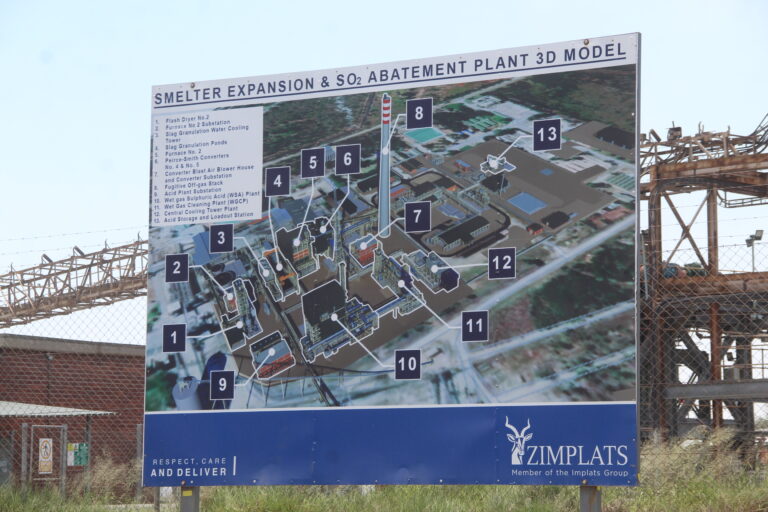
Zimplats Contributes Over US$106 Million in Taxes

0

The country’s biggest platinum group metal (PGM) producer, Zimplats, contributed over US$106 million (R2.03 billion) in taxes to the Zimbabwean government in 2024, the company’s parent company, Impala Platinum (Implats), stated in its 2024 Tax Transparency and Economic Contribution Report.

By Rudairo Mapuranga

This considerable tax payment underscores Zimplats’ pivotal role not only as a mining giant but also as a key financial contributor to the Zimbabwean economy, with its operations continuing to support national development through fiscal contributions, local procurement, and employment creation.

Zimplats’ contribution of US$106 million in taxes to the Zimbabwean government for 2024 represents one of the largest single fiscal injections from any corporate entity in the country. The tax payments are broken down into direct taxes amounting to R1.768 billion and indirect taxes totaling R262 million, with the company making payments for both income tax and state royalties. This significant contribution comes at a time when Zimbabwe’s economy needs stable revenue flows to fund critical infrastructure projects, healthcare systems, and educational programs.

In addition to tax payments, Zimplats continues to drive local development through its significant expenditure on local procurement. The company spent R13 billion (US$688 million) on procurement activities in 2024, of which 51% (R7 billion, or US$356 million) was spent on in-country procurement. This has not only helped substitute imports but also stimulated local enterprise development, thereby supporting the growth of small and medium-sized enterprises (SMEs) in Zimbabwe.

Zimplats’ local procurement efforts form a key part of its strategy to ensure that the value generated by its mining activities remains within the Zimbabwean economy. By engaging local suppliers, contractors, and service providers, the company helps build capacity in the country’s industrial and commercial sectors, thereby fostering economic resilience. Local procurement also creates jobs in related sectors such as logistics, construction, and manufacturing, contributing to the overall reduction of unemployment in the country.

Moreover, Zimplats has been instrumental in supporting community development initiatives through its corporate social responsibility (CSR) programs. In 2024, the company maintained its commitment to improving the living standards of communities surrounding its operations, with investments in education, healthcare, and infrastructure projects. Zimplats’ role in local communities is not just about creating jobs but also about building a sustainable future for Zimbabwean citizens by enhancing social services and supporting economic opportunities in rural areas.

The 2024 Tax and Economic Contribution Report by Implats also highlights Zimplats’ broader economic value distribution. For the year, Zimplats generated a gross value of R13.66 billion (approximately US$717 million), a substantial amount that underscores the company’s ability to generate wealth while balancing the interests of various stakeholders. The report reveals that a significant portion of this value was distributed to employees, communities, business partners, governments, lenders, and shareholders.

Employees and contractors: R3.115 billion (US$163 million) was distributed to the company’s workforce, highlighting Zimplats’ role as a major employer in Zimbabwe. In total, Zimplats employed 8,857 people, providing much-needed jobs and supporting livelihoods in the region. The company’s operations have become a key source of employment, contributing to the reduction of unemployment and poverty in Zimbabwe, particularly in the mining communities of Mashonaland West and the Midlands.

Communities, suppliers, and business partners: R6.845 billion (US$359 million) was paid to communities, suppliers, and business partners, demonstrating Zimplats’ commitment to maintaining strong relationships with its local and regional stakeholders. The company’s focus on partnering with local businesses and service providers has not only helped boost the local economy but has also enhanced Zimbabwe’s industrial base, fostering the growth of ancillary industries around mining activities.

Governments: A combined amount of R1.732 billion (US$91 million) was distributed to governments, including payments for state royalties and direct taxes. This reflects Zimplats’ commitment to fulfilling its fiscal obligations and contributing to the country’s national budget.

Lenders and shareholders: Zimplats also made payments to lenders and shareholders. R1.637 billion (US$86 million) was paid in dividends to shareholders, while the company also serviced its financial obligations to lenders. This demonstrates Zimplats’ financial stability and ability to generate returns for its investors while also supporting its capital structure and operational activities.

Zimplats remains committed to driving sustainable mining practices and long-term investment in Zimbabwe. In line with the country’s economic empowerment policies, the company has made efforts to integrate environmental, social, and governance (ESG) standards into its operations. This includes responsible resource management, investments in renewable energy, and continued compliance with Zimbabwe’s environmental regulations.

The company’s Community Share Ownership Trust (CSOT) also reflects its dedication to ensuring that local communities benefit directly from mining activities. Through the CSOT, communities in the vicinity of Zimplats’ operations are granted a stake in the company, allowing them to share in the profits generated from mining. This initiative has not only strengthened Zimplats’ relationship with local communities but has also provided them with a financial safety net, enabling them to invest in social services such as education and healthcare.

Looking ahead, Zimplats remains focused on sustaining its operations while continuing to contribute to the Zimbabwean economy. The company is optimistic about the future as it continues to invest in new technologies, expand its mining operations, and improve its production capabilities. The planned construction of a base metal refinery at its operations is expected to further boost the country’s industrialization efforts and enhance Zimbabwe’s position as a major global player in the platinum group metals market.


RAN Mines Halts Operations Following TSF Breach

0

Bindura-based gold producer RAN Mines has halted operations following a tailings storage facility (TSF) breach caused by heavy rainfall on the night of February 22, 2025.

By Ryan Chigoche

The incident led to tailings spilling into a nearby waterway, raising concerns about potential environmental contamination in Bindura’s Chipadze residential area.

The company had recently restarted operations using a smaller, interim tailings dam near its processing plant while awaiting environmental approvals for a permanent TSF.

Originally, RAN Mines planned to build a larger TSF to the east of the plant. However, unforeseen delays in the Environmental Impact Assessment (EIA) process forced the company to seek an alternative solution. To maintain production, a temporary TSF was established to the west of the plant, closer to town, after receiving approval from the Environmental Management Agency (EMA).

This interim structure was only intended to last five years, with the transition to the permanent TSF expected by the end of 2023.

However, on February 22, an intense downpour exceeding 100mm in less than five hours caused excessive stormwater runoff, overwhelming the interim TSF’s retaining walls.

The breach resulted in some tailings being washed into a nearby waterway that flows through Chipadze. While this raised immediate concerns about contamination, RAN Mines noted that the primary cause of flooding was the sheer volume of stormwater, which also eroded large amounts of material downstream.

Several homes along the waterway were affected, with residents reporting recurring flooding issues whenever heavy rains hit Bindura. In response, RAN Mines temporarily halted processing operations to manage water levels at the TSF and prevent further environmental risks. The company also took precautionary measures to mitigate potential contamination.

To assess the impact of the spill, RAN Mines engaged two SAZ-approved laboratories from Harare to test for cyanide in the affected water sources. At the same time, the company has been working closely with EMA and local authorities to monitor the situation and initiate decontamination efforts where necessary.

Following the incident, EMA ordered RAN Mines to halt all processing operations on February 26, 2025, until additional stormwater diversion and cleanup measures are completed. The company has committed to working with regulators and stakeholders to ensure compliance with environmental standards and prevent similar incidents in the future.

Despite the setback, RAN Mines remains a key employer and economic player in Mashonaland Central. The company is focused on addressing environmental concerns while securing regulatory approvals for the permanent TSF.

As it works toward resuming operations, RAN has assured stakeholders that all test results will be transparently shared and that any necessary remediation efforts will be undertaken.

Padenga to Expand Mining Portfolio with Full Acquisition of Dallaglio

0

Listed diversified concern Padenga Holdings Limited, known for its crocodile farming and leather production, has announced plans to acquire the remaining 49.9% stake in Dallaglio Investments (Private) Limited, a mining company.

By Ryan Chigoche

The acquisition follows the success of Padenga’s initial investment in Dallaglio’s mining operations. After acquiring a 50.1% stake in 2019, Padenga made substantial investments to enhance Dallaglio’s gold mining activities. These efforts have resulted in significant growth in operating profits, largely driven by the gold mining business.

Encouraged by these positive financial results and growth prospects in the gold sector, Padenga’s board has decided to pursue the full acquisition of the remaining 49.9% stake—marking a strategic move to further consolidate its position in the lucrative gold mining industry.

To facilitate this acquisition, Padenga will issue just over 253 million new ordinary shares on the Victoria Falls Stock Exchange (VFEX).

Padenga initially acquired a controlling 50.1% stake in Dallaglio in 2019 as part of its strategy to diversify beyond its core crocodile skin business. This acquisition was made through a US$19.9 million capital injection.

In an official statement, Padenga confirmed that VFEX had approved the listing and allotment of 253,003,361 additional shares, which will be exchanged for the remaining 49.9% of Dallaglio’s issued shares.

The company highlighted that its interest in the gold mining sector is driven by the industry’s long-term potential, supported by global gold demand and its ability to generate foreign currency.

The initial investment in Dallaglio and subsequent improvements in its operations have significantly boosted Padenga’s operating profits, primarily due to the success of Dallaglio’s gold mining activities.

Following this success, Padenga’s board determined that further investment in Dallaglio was necessary. In August 2023, an extraordinary general meeting (EGM) was held, where Padenga shareholders approved the acquisition of the remaining 49.9% stake in Dallaglio.

At the EGM, shareholders also passed a special resolution to increase Padenga’s authorized share capital from 800 million to 1.4 billion to accommodate the new shares required for the share swap.

Additionally, an ordinary resolution was approved to issue and allot 253,003,361 shares in Padenga to Dallaglio’s minority shareholders, representing 46.04% of Padenga’s issued and outstanding shares.

Zimplats Upholds Tax Compliance Amid Historic Disputes with ZIMRA

0

Harare, Zimbabwe – Zimplats, one of the country’s leading platinum mining companies, has reiterated its commitment to full tax compliance while navigating complex fiscal challenges and historical disputes with the Zimbabwe Revenue Authority (ZIMRA).

By Ryan Chigoche

The company, ultimately controlled by Impala Platinum BV—which holds 87% of Zimplats’ ordinary shares—has consistently filed all required income tax returns and made timely payments based on objectively determined estimates.

Zimplats emphasizes that its tax assessments are grounded in an unbiased approach and informed by specialist independent tax and legal advice.

Periodically, Zimplats faces reviews of its historical income tax matters, a reflection of Zimbabwe’s volatile and highly complex fiscal legislation. As part of its proactive risk management, the company recognizes potential liabilities arising from anticipated tax audit issues and uncertain tax positions, ensuring that any differences in tax computations are duly recorded.

In recent months, Zimplats initiated legal proceedings in both the Special Court for Income Tax Appeals and the Supreme Court of Zimbabwe concerning various historical income tax issues. Although the Supreme Court ruled in favor of ZIMRA on one tax matter, the ruling did not result in any financial impact, as the dispute was settled on a without-prejudice basis.

Industry experts note that such disputes underscore the significant judgment required in determining accurate tax provisions amidst a rapidly evolving fiscal environment. Zimplats’ experience serves as a reminder of the challenges faced by companies operating under complex regulatory frameworks while also highlighting the importance of maintaining transparency and adherence to statutory obligations.

As the company continues to work through these matters, Zimplats remains focused on robust tax compliance and transparent reporting, ensuring that it meets all regulatory requirements while supporting Zimbabwe’s broader economic stability.

Zimbabwe to Host High-Level Event on Sustainable Mining with Swedish Experts

0

The Swedish Embassy in Harare, in collaboration with key industry stakeholders, is set to host an exclusive business networking event to address the issue of sustainability in the mining sector.

By Ryan Chigoche

The event, which will be held on March 21, 2025, at the Newlands Country Club, aims to bring together business leaders, policymakers, and industry experts from both the public and private sectors to explore sustainable mining solutions tailored to Zimbabwe’s mining industry.

Zimbabwe’s mining sector remains a cornerstone of the country’s economy, yet it faces mounting challenges related to sustainability, environmental responsibility, and operational efficiency.

As global standards shift toward greener and more efficient mining practices, Zimbabwean stakeholders must adapt to remain competitive. The event provides a timely opportunity for industry players to gain insights into cutting-edge innovations that can drive efficiency, reduce environmental impact, and ensure long-term sustainability in the sector.

A key feature of the event will be an interactive expo where Swedish companies will showcase their latest advancements in automation, circularity, energy and water efficiency, and digitalization. These solutions aim to enhance productivity while addressing environmental concerns, helping mining operations become more sustainable and resource-efficient.

Beyond the exhibition, attendees will benefit from engaging seminars and workshops led by industry experts. These sessions will focus on best practices, policy frameworks, and emerging technologies that can be leveraged to improve Zimbabwe’s mining sector. Participants will gain valuable knowledge on how to integrate sustainability into mining operations while maintaining profitability.

The event will also facilitate business-to-business (B2B) networking, offering a platform for Zimbabwean mining firms to connect with potential investors, technology providers, and global industry leaders. These interactions could pave the way for new partnerships, investment opportunities, and knowledge-sharing that will contribute to the modernization of Zimbabwe’s mining industry.

Sweden has long been at the forefront of sustainable mining innovation, with industry giants such as Sandvik, Epiroc, Scania, Ericsson, and ABB leading the charge. These companies are renowned for their advancements in responsible resource extraction, environmental management, and digital transformation. Their expertise in integrating renewable energy, optimizing waste management, and improving operational efficiency serves as a model for Zimbabwean stakeholders looking to transition toward more sustainable mining practices.

For local industry players, this event presents a unique opportunity to learn from Swedish expertise and explore how these technologies can be adapted to Zimbabwe’s specific mining conditions. The discussions and collaborations that emerge from the event have the potential to drive meaningful change in the sector, helping mining companies align with global best practices while remaining economically viable.

As Zimbabwe strives to modernize its mining sector and tackle pressing environmental and social concerns, embracing innovative solutions is more critical than ever. This exclusive networking event serves as a key forum for fostering partnerships, sharing knowledge, and shaping the future of responsible mining in the country.

Legal Battle Looms as Community Challenges Shuntai’s Illegal Cement Factory

0

The Chegutu community, led by Bryden Country School, is considering legal action to halt the development of an illegal cement and brick molding plant, along with a nearby limestone quarry proposed by Shuntai Investments, a Chinese firm. These projects, which have raised serious environmental and health concerns among local residents, have prompted widespread alarm.

By Ryan Chigoche

  1. Bryden Country School, a 42-year-old institution in Chegutu, finds itself at the center of a growing dispute following Shuntai Investments’ proposal to build a cement and brick molding plant alongside a limestone quarry just 497 meters from the school. These projects have sparked fears that they will pose significant environmental and health risks to the local community.

Shuntai, recently fined by the Environmental Management Agency (EMA) for proceeding with the projects without the necessary Environmental and Social Impact Assessment (ESIA) certificate, has failed to respond to the school’s requests for vital information, such as the project proposal, site plans, and local authority approvals. This lack of transparency has raised serious doubts about the project’s compliance with regulatory standards.

A primary concern is the health risks posed by cement dust, which contains harmful silica. Given the prevailing southerly winds, there are fears that the dust could spread across Chegutu, affecting not only residents but also local schools, businesses, and institutions such as Chegutu Hospital. Farmers, especially those raising livestock, are also at risk, as the dust could harm animals, including day-old chicks.

In a recent meeting attended by Bryden, local residents, parents, Chegutu Municipality representatives, and the District Development Coordinator (DDC), it emerged that the local authorities had no prior knowledge of the project and that no approved plans exist for it. This has raised further concerns about regulatory oversight and the company’s transparency in its dealings.

In a statement released to Mining Zimbabwe, the Bryden School Board of Governors said, “The Chegutu community does welcome economic development and the creation of jobs; however, this must be done legally and responsibly. The brazen defiance of law and procedures by Shuntai is extremely concerning, and the community is considering approaching the courts for appropriate relief. The projects are only 4.5 kilometers from the center of Chegutu. The current aerial view of the site places the cement factory less than 500 meters from the school boundary, the quarry 360 meters from the school boundary, and a road connecting the two less than 60 meters from the school boundary—being extremely close to the cross-country course, which children run daily.”

The close proximity of these industrial activities to educational institutions and residential areas raises serious concerns regarding potential environmental and health impacts. The noise from blasting, heavy machinery, and the spread of dust are seen as direct threats to the well-being of those living and working in the area.

While the community supports economic development, they insist that it should never come at the expense of public health or the environment. This proximity has raised serious concerns about the potential environmental and health impacts. Notably, it is worth mentioning that a cement factory in Matabeleland is 11 kilometers from Bulawayo, while another in the Midlands is almost 30 kilometers from Gweru (and 15 kilometers from Lalapanzi).

The proposed Shuntai Cement Factory, however, will be just 4.5 kilometers from the center of Chegutu. Given the prevailing south-easterly winds, the factory will likely have a detrimental effect on the air quality in Chegutu. Other affected parties will include residents, businesses, institutions (such as Chegutu Hospital), and farmers, particularly those raising livestock, including day-old chicks.

Additionally, the project raises serious concerns about zoning violations. The land earmarked for the cement plant is designated for educational and institutional use, which includes Bryden School and the nearly completed Seventh-Day Adventist University. With the cement factory less than 500 meters from the school’s boundary and the quarry just 360 meters away, the proximity of these industrial activities to educational and residential areas presents significant safety risks. The noise from blasting and heavy machinery further exacerbates the situation, potentially disrupting the educational environment and affecting the well-being of residents.

While the Chegutu community supports economic development and job creation, they are adamant that such progress must be achieved legally and responsibly. The Shuntai Cement Factory and quarry, with their potential to harm public health and the environment, have sparked a strong resolve among local residents to hold the company accountable. As they prepare to approach the courts, the legal outcome could set an important precedent for industrial projects in Zimbabwe, demonstrating the need for strict enforcement of environmental and health regulations.

Shuntai’s actions are not an isolated case. Chinese companies in Zimbabwe have a long history of flouting regulations, particularly in the mining sector. Reports have frequently surfaced about Chinese-owned mining companies operating illegally, disregarding environmental standards, and failing to engage in meaningful corporate social responsibility (CSR) initiatives.

This track record has contributed to the growing mistrust of Chinese firms operating in Zimbabwe, with many local communities raising alarms about environmental damage and the exploitation of workers. The pattern of legal violations and poor compliance with local regulations in the mining and industrial sectors has fueled concerns that Shuntai’s cement and quarry projects may be yet another example of this troubling trend.

International Lithium Corp Targets Zimbabwe for Growth, Set to Announce Mining Plans

0

Toronto Stock Exchange-listed exploration and development concern, International Lithium Corp (ILC), is preparing to announce the results of its exclusive prospecting orders (EPOs), valued at US$219,250, which will mark the beginning of its mining operations in Zimbabwe. This country has been identified by ILC as a key focus for its global expansion, highlighting its importance in the company’s future plans.

By Ryan Chigoche

ILC is a Canadian firm specializing in lithium and rare metals exploration, with strategic interests in Canada, Zimbabwe, and Ireland. Being listed on the TSX, one of the world’s largest trading platforms valued at nearly US$3 trillion, ILC is in a strong position to drive growth through its mining projects, particularly in regions that are rich in mineral resources like Zimbabwe.

In a statement, ILC expressed its optimism about Zimbabwe’s potential, saying, “We see Zimbabwe as a highly strategic target market. We have applied for and are optimistic about receiving EPOs there.” While the company is actively pursuing projects in Canada, such as the Raleigh Lake lithium and rubidium project and the Firesteel copper project, it is clear that Zimbabwe is a major focal point in its global strategy.

“We see our key mission in the next decade as making money for our shareholders from lithium and other battery metals while at the same time contributing to a greener, cleaner planet and less polluted cities,” the company said in a filing to the TSX. This mission includes maximizing the value of existing projects and exploring new opportunities, with Zimbabwe playing an important role in this vision.

Zimbabwe’s rich mineral resources and position among the top 10 global producers of lithium make it an attractive destination for ILC. The company emphasized that the government of Zimbabwe has adopted a more business-friendly approach in recent years. “Zimbabwe has a well-educated population with strong experience in the mining sector,” ILC noted, “and recent legislative changes show that lithium is increasingly taken seriously at the governmental level.”

In light of these developments, ILC pointed out some important legislative changes in Zimbabwe’s mining laws that have made the country even more appealing for exploration. These include a “use it or lose it” approach to mining claims and grants, the introduction of a 5% royalty on lithium (a rate previously applied to gold and platinum), and new regulations that prohibit the export of unprocessed raw materials.

ILC believes these changes create a promising environment for generating solid returns for its shareholders while also contributing to Zimbabwe’s economic growth. The company is mindful of the broader impact, aiming to provide local employment opportunities and support the country’s economic renewal.

“We believe there’s a real opportunity to capitalize on these changes,” ILC added. “We look forward to making more announcements as our plans in Zimbabwe progress.” With its focus on Zimbabwe alongside its ongoing projects in Canada, ILC is positioning itself to make significant strides in the global mining landscape, and the company’s next steps will be closely watched by industry observers.