Home Blog Page 135

Mimosa’s Strong Performance Drives Competitive Cost Efficiency

0

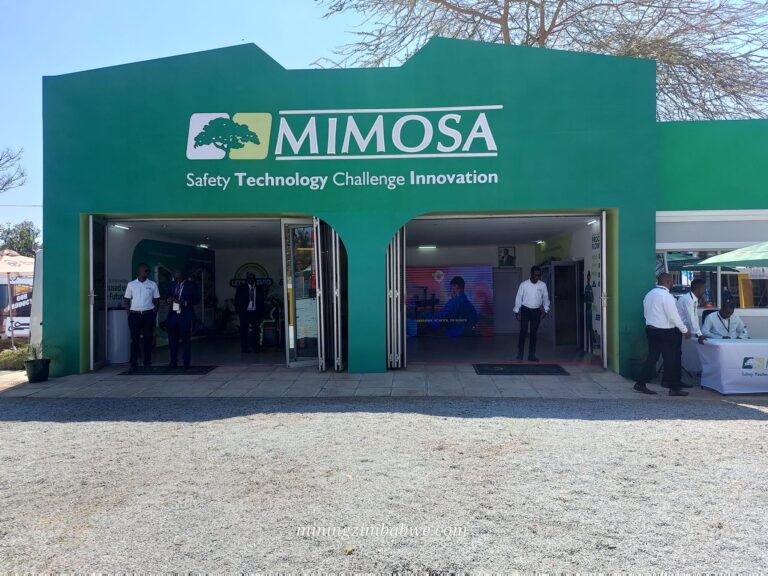
The country’s second-biggest Platinum Group Metal (PGM) producer, Mimosa Mining Company, jointly owned by Sibanye Stillwater and Impala Platinum Holdings (Implats), continues to demonstrate its competitive strength in the PGMs sector, as highlighted in a recent investor presentation titled “Positioned for Ongoing Shared Value Creation,” published by Sibanye Stillwater.

By Rudairo Mapuranga

The presentation showcases Mimosa’s positioning on the industry cost curve, emphasizing its critical role within the group’s portfolio of PGM operations.

According to the presentation, Mimosa remains competitively positioned within the mid-tier of global PGM producers in terms of cash cost plus capital expenditure per ounce of 4E (Platinum, Palladium, Rhodium, and Gold). On the cost curve, Mimosa’s all-in cost (cash cost plus capital expenditure) is approximately R20,000 per ounce. This positions Mimosa above the 50th percentile, highlighting its efficiency in managing production costs relative to global peers.

Furthermore, Mimosa continues to operate at a favourable basket price for the metals produced, with its spot basket price for 6E (including base metals) well above R30,000 per ounce, ensuring the operation remains profitable despite cost pressures. This demonstrates the mine’s ability to generate strong margins even under challenging market conditions.

Mimosa’s cumulative annual production is around 250 Koz (thousand ounces), contributing significantly to Sibanye Stillwater’s overall PGM output. The mine’s competitive cost positioning, in line with its strong production figures, reflects its ability to balance both volume and operational cost control. This combination ensures that Mimosa remains a pivotal asset in Sibanye Stillwater’s PGM portfolio.

As a joint venture between Sibanye Stillwater and Implats, Mimosa benefits from the combined expertise of two of the largest players in the global PGM market. The partnership allows Mimosa to leverage synergies across operational best practices, cost control, and technology, maintaining a balance between production efficiency and cost competitiveness.

The presentation underscores the importance of this strategic partnership, which enables Mimosa to remain within the 50th percentile of global PGM producers in terms of cost while achieving a higher-than-average spot basket price for the metals it produces. This not only strengthens Mimosa’s position on the cost curve but also ensures its long-term sustainability as part of the broader PGM industry.

The investor presentation also highlights future growth prospects for Mimosa, with planned investments in infrastructure and further optimization initiatives aimed at maintaining cost efficiency. By staying focused on managing operational expenditures, Mimosa is expected to continue delivering strong returns for both Sibanye Stillwater and Implats, with ongoing improvements in cost efficiency and production stability.

The mine’s strategic placement on the cost curve, combined with its ability to capitalize on the favourable basket price for its 6E production, positions it well for continued value creation in the future. Mimosa’s cost per ounce relative to its production volume and market prices ensures that it remains a critical contributor to the shared value creation strategy laid out by Sibanye Stillwater.

Gold buying prices per gram in Zimbabwe, 5 February 2025

Gold buying prices per gram in Zimbabwe today 5 February 2025, from the official gold buyer and exporter Fidelity Gold Refinery (FGR).

SG 90% and ABOVE US$86.39g
SG ABOVE 85% BUT BELOW 90% US$85.47g
SG ABOVE 80% BUT BELOW 85% US$84.56/g
SG ABOVE 75% BUT BELOW 80% US$83.65/g
SAMPLE BELOW 10g BUT ABOVE 5g US$82.27/g

Fire Assay CASH $86.85/g

NB: Fire Assay cash price is for gold above 100gs, no sample is deducted.
For the Fire Assay Transfer price, a sample of not more than 10g is deducted
A 2% royalty is charged on all deposits (Small-scale miners)
A 5% royalty is set for Primary Producers

Cash available. Fidelity Gold Refinery prices will be changing daily to match the world market.

Mining Companies Must Emulate PGM Miners in Supply Chain Development

0

In Zimbabwe’s mining sector, there is a crucial opportunity for companies to reduce their reliance on imported goods by strengthening the local supply chain. While Zimbabwe excels in extracting valuable resources such as gold, platinum, chrome, diamonds, and lithium, mining operations still depend heavily on imported specialized equipment, chemicals, and other components required for extraction and processing.

By Ryan Chigoche

By investing in local enterprises and developing the domestic value chain, mining companies can cut costs, reduce imports, and significantly boost the national economy. PGM miners, such as Zimplats and Mimosa, have already set a strong example, demonstrating that supporting local suppliers doesn’t just benefit the mining companies themselves; it also drives broader economic growth.

However, the Local Enterprise Development (LED) programs these companies have implemented are not as pronounced in other key sectors, such as lithium and gold, where similar investments in local supply chains could have a profound impact on Zimbabwe’s economy.

The PGM Sector Leading the Way

The PGM sector, particularly through companies like Zimplats and Mimosa, has shown how mining companies can significantly reduce import dependency by investing millions into the local economy.

Zimplats, for instance, has invested nearly US$460 million into local businesses through its LED program since its launch. This program supports a network of 23 local SMEs, which supply vital goods and services ranging from engineering to catering, medical supplies, and protective clothing.

This initiative has led to the creation of over 2,600 jobs, benefiting local communities and reducing the need for imports.

In FY2024, Zimplats spent US$357 million locally, accounting for 51% of its total procurement spending. Even with a 19% reduction in LED spending due to global price volatility, the company remains committed to fostering local suppliers, ensuring that they meet international standards, and can contribute to the mining sector’s growing demand for quality services and products. Zimplats’ commitment to its LED program demonstrates the significant potential for the mining sector to not only reduce imports but also contribute meaningfully to the growth of Zimbabwe’s domestic industries.

Mimosa Mine has followed in Zimplats’ footsteps with its own LED Program and Supplier Support Program, which provide crucial financial support to local suppliers, helping them improve operations, create jobs, and maintain a resilient supply chain.

Mimosa’s LED program offers funding of up to US$2 million per participant, backed by a US$5 million internal revolving fund and US$15 million in bank facilities, demonstrating a similar commitment to fostering local enterprise growth. To date, Mimosa has advanced US$6.3 million to local suppliers, further solidifying the impact of these programs.

A Call to Action for Other Sectors

While the PGM sector has made significant strides, the same cannot be said for other sectors such as lithium and gold, where the development of local supply chains and LED programs remains underdeveloped.

The lithium sector, which has seen a surge in global demand, is yet to replicate the PGM sector’s commitment to investing in local suppliers and businesses. This sector’s potential for growth within Zimbabwe could be far more substantial if similar LED programs were implemented to develop a self-sustaining, resilient local supply chain.

The gold sector, too, remains relatively untapped in terms of structured support for local suppliers. If mining companies within this sector invested even a fraction of what Zimplats and Mimosa have into Local Enterprise Development, the impact on the Zimbabwean economy could be transformative.

Imagine if the entire mining sector — PGMs, lithium, gold, and beyond — emulated the efforts of Zimplats and Mimosa. The results would be truly revolutionary. Local suppliers could create thousands of additional jobs, bolster the manufacturing sector, reduce Zimbabwe’s reliance on imported goods, and increase the country’s foreign currency reserves.

The cumulative effect of such initiatives would lead to a stronger, more diversified economy and could catalyze the development of other industries beyond mining, such as agriculture, construction, and manufacturing.

The Economic Potential

By adopting these practices across the entire mining industry, Zimbabwe could significantly increase its industrial capacity, contributing to economic diversification, the growth of SMEs, and a more self-sufficient economy. The benefits would be twofold: mining companies would reduce their import costs, while Zimbabwe’s domestic industries would thrive.

The examples set by Zimplats and Mimosa show that mining companies in Zimbabwe have the potential to drive significant change by investing in local enterprises. If the rest of the mining sector, including lithium and gold, follows this path, the country’s economy could experience transformative growth, helping Zimbabwe move towards sustainable development while addressing the challenge of import dependency.

Two Illegal Miners Narrowly Escape Death at Mazowe’s Lonhro Site Amid Rising Concerns Over Fatalities

0

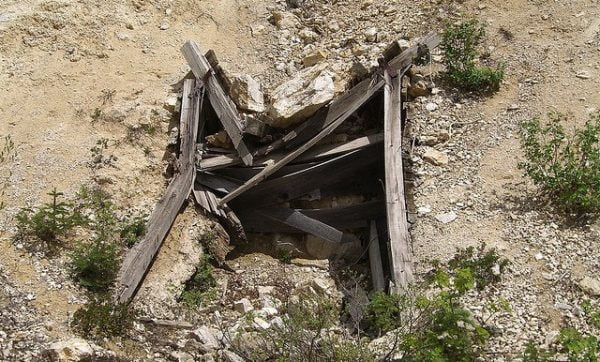
In a near-tragic incident last week, two illegal miners narrowly escaped death at Mazowe’s Lonhro site, a location notorious for unregulated mining activities.

The miners were working underground at the infamous Jumbo Mine when a collapse nearly buried them, caused by dangerous mining practices happening directly above them, Mining Zimbabwe can report.

By Rudairo Mapuranga

The individual allegedly responsible for the collapse, known as “Skiri” (not his real name), is reportedly engaged in illegal mining operations at Mazowe Gold Fields Lonhro site. Sources claim that “Skiri” is conducting unregulated mining while collecting undeclared ores and gold, with allegations that he may have close ties with some of the mine’s management. This has allowed him to operate unchecked, despite the dangerous conditions his activities create for others working in the area.

The incident occurred when “Skiri” began opening an open pit above the site where the two miners were working underground, resulting in the collapse. Fortunately, the miners managed to escape with their lives, but the near-miss has intensified concerns over the safety of the Mazowe mine and its growing reputation for deadly accidents.

Mazowe’s Lonhro site has been marred by a string of fatal incidents. Just over the Christmas period, a miner tragically lost his life on Christmas Eve. In early January, three more miners reportedly died following another accident at the same site. These deaths have raised alarms, as many believe that the site, under its current state of operation, is responsible for a significant number of fatalities every year.

The hazardous conditions at Mazowe are largely driven by illegal mining activities, which persist due to a lack of regulation and enforcement. The allure of gold and the economic hardships facing many Zimbabweans push miners into dangerous and unregulated environments, where the risks of fatal accidents are high. These dangers are further compounded by the activities of operators like “Skiri,” who continue to mine recklessly with little regard for safety protocols.

With fatalities mounting, authorities are being called upon to take urgent action to address the ongoing illegal mining operations at Mazowe. The continued loss of life has become a serious concern, with many urging tighter enforcement of mining regulations, improved safety standards, and greater accountability from mine management.

As Zimbabwe pushes to formalize its mining sector, the situation at Mazowe highlights the urgent need for stronger oversight and regulation to prevent further tragedies. Without swift intervention, more lives will be at risk in Mazowe, making it one of the most dangerous mining sites in the country.

The near-fatal accident last week is a stark reminder of the perilous conditions that persist at Mazowe, as miners continue to work in unsafe and unregulated environments in their pursuit of gold. If action is not taken soon, Mazowe risks becoming the site of even more devastating accidents in the near future.

Premier’s Equity Payment Raises Questions on Long-Term Financing and Operational Challenges

0

London Stock Exchange-listed mining and exploration junior Premier African Minerals recently announced that contractors at its Zulu Lithium and Tantalum Project have agreed to accept payment of US$300,000 in outstanding invoices in the form of newly issued ordinary shares. While this move helps Premier settle its short-term liabilities, it raises significant questions about the company’s financial stability and long-term plans, Mining Zimbabwe reports.

By Rudairo Mapuranga

The issuance of 1,099,909,091 new shares at a price of 0.022 pence each is part of a larger trend of equity-based financing strategies that have been necessary to keep the company afloat amid ongoing operational challenges.

The issuance of equity to cover liabilities is not new for Premier. Earlier this year, the company struggled with a US$4 million fundraising effort that fell short, raising only US$1.46 million from the placement of new ordinary shares. Despite the company’s efforts to secure additional capital through a retail offer, investor interest was insufficient, forcing Premier to reconsider its financial strategies. This latest issuance of equity further dilutes shareholder value, as the company’s issued share capital has now grown to nearly 40 billion shares.

The pressing question for investors and stakeholders is whether Premier’s continued reliance on equity financing will be enough to sustain the Zulu project, which has faced repeated delays in reaching full production. The company’s partnership with Canmax Technologies Co., Ltd, reaffirmed in late 2024, provided some much-needed confidence that the Zulu project could still meet its targets. However, despite Canmax’s financial commitment to the project, Premier has struggled to complete the optimization of its flotation circuit, leaving investors wondering when Zulu will finally reach commercial production.

Operational and Financial Struggles

Premier’s recent updates reveal a company caught in a cycle of operational and financial hurdles. The Zulu project, once heralded as one of Zimbabwe’s largest undeveloped lithium-bearing pegmatite resources, has yet to deliver on its promise. Delays in plant commissioning and optimization have been ongoing, with Premier’s CEO George Roach stating in multiple announcements that, while progress has been made, challenges remain.

In a January 2025 press release, Roach expressed confidence that the installation of additional flotation cells at Zulu would enable the project to meet its production goals. This followed an extensive round of testing and plant adjustments in late 2024. However, the need for additional funding to complete these optimizations suggests that Premier may continue to face financial pressures.

This latest equity payment underscores the company’s broader funding difficulties. With the retail offer falling short in early January and the subsequent issuance of shares to contractors, it is clear that Premier is struggling to meet its financial obligations without turning to equity-based solutions. Investors might reasonably ask: How sustainable is this strategy, and can Premier secure the necessary funds to bring Zulu into full production?

The Road Ahead

Premier’s partnership with Canmax, which provided crucial funding under the offtake and prepayment agreement, remains a cornerstone of the Zulu project’s financing. However, questions about whether Premier can deliver on its promises persist. Canmax’s reaffirmed commitment has kept the project alive, but Premier’s reliance on equity financing and the slow pace of plant optimization continue to weigh heavily on its future.

As the global demand for lithium rises, particularly for electric vehicle (EV) batteries, Premier’s success at Zulu could position it as a major player in the market. However, the repeated setbacks, compounded by ongoing financial challenges, have left many investors questioning whether the company can overcome its hurdles in time to capitalize on this booming market.

With the recent equity issuance, Premier’s total share capital now stands at nearly 40 billion shares, a substantial increase that may further dilute shareholder value. As Premier explores additional funding options to keep the project moving forward, the big question remains: Will the company be able to secure the financing necessary to complete the Zulu project, or will its ongoing reliance on share issuance continue to erode investor confidence?

Premier African Minerals now faces a critical juncture. The company must not only optimize its plant and meet its production goals at Zulu but also find a sustainable financial path that does not rely so heavily on diluting shareholder value. As the February 10 admission date for the new shares approaches, the market will be watching closely to see how Premier navigates these complex challenges in the months ahead.

Zimplats reports a 7% Decline in Mined Volumes

0

Zimplats experienced a significant decline in mined volumes during the quarter ended December 2024, with total volumes down by 7% year-on-year and 8% lower than the previous quarter, Mining Zimbabwe reports.

By Ryan Chigoche

This downturn was primarily attributed to the poor availability of trackless mobile machinery (TMM) and intermittent power supply disruptions, which hindered the company’s operational momentum.

While production from Ngwarati Mine, which ceased primary operations in June 2024, was successfully replaced by increased output from the ramp-up in pillar reclamation at Rukodzi Mine and production at Mupani Mine, these measures were not enough to fully offset the lower volumes. The operational constraints weighed heavily on the overall performance, resulting in a decrease in mined volumes.

Despite these challenges, Zimplats achieved a 1% improvement in 6E head grade year-on-year, driven by higher-grade ore from Rukodzi and Mupani mines.

However, milled volumes also saw a decline, dropping by 6% year-on-year and 8% compared to the prior quarter, primarily due to lower ore supply and capacity constraints at the concentrator plants, which faced shutdowns for mill relines.

On a positive note, the commissioning of the expanded smelter boosted smelting capacity, which helped increase concentrator mass pull.

This improvement led to a 1% increase in concentrator recoveries year-on-year and a 4% increase from the preceding quarter. However, total 6E concentrate volumes of 158,803 ounces were 5% lower than in the same period last year and 4% down from the previous quarter.

Zimplats also continued to optimize its operations, focusing on the 38MW furnace commissioned in the prior quarter. A total of 47,900 tonnes of concentrate were smelted during the period, contributing to enhanced smelting capacity. Additionally, the hot commissioning of the expanded smelter converters began in December 2024 and was progressing well by the quarter’s end.

The company also faced challenges with the accumulation of concentrates ahead of converter commissioning, exacerbated by furnace inventory build-up during its ‘first fill’ phase.

By the close of the quarter, approximately 30,600 ounces of 6E had accumulated between the concentrate and furnace matte. Of this, about 21,500 ounces will be processed into converter matte in the second half of the year, while the remainder will be permanently locked up in the larger furnace.

While Zimplats worked to overcome these operational hurdles, the company remains focused on improving its asset optimization efforts and increasing production at Rukodzi and Mupani mines in the coming quarters.

With these adjustments, Zimplats hopes to recover from the declines in mined and milled volumes seen in the December 2024 quarter.

Fidelity to Host ASM Gold Awards in December 2025

0

Fidelity Gold Refinery (FGR) is set to host its inaugural artisanal and small-scale mining (ASM) gold awards in December 2025, a move aimed at recognizing and rewarding the significant contributions of small-scale miners to Zimbabwe’s gold production, Mining Zimbabwe can report.

By Rudairo Mapuranga

This announcement was made by FGR General Manager, Peter Magaramombe, during the Zimbabwe Miners Federation (ZMF) strategic meeting held last month.

In his speech, Magaramombe acknowledged the impressive performance of the ASM sector in 2024, attributing 65% of the country’s total gold deliveries to small-scale miners. He highlighted that out of the 36.5 tonnes of gold delivered to FGR in 2024, small-scale miners played a crucial role in reaching this record-breaking achievement, which surpassed the previous year’s figure of 30 tonnes.

“We are proud to say that the artisanal and small-scale mining sector delivered 65% of the gold in 2024. This demonstrates the commitment and loyalty of our miners to the nation, and we feel it is only fitting that we recognize their efforts through these awards,” said Magaramombe.

The awards, set to take place in December, will focus on recognizing miners who have consistently delivered gold to FGR while adhering to responsible mining practices. Magaramombe emphasized that the awards are part of FGR’s broader strategy to encourage increased gold production and formalization of the ASM sector.

“Our goal is not only to recognize their hard work but also to incentivize miners to continue improving production. We will reward those who perform exceptionally well with tools such as compressors, generators, hammer mills, and other critical equipment that can help enhance their operations,” Magaramombe added.

The upcoming awards are expected to encourage miners to formalize their operations and continue selling their gold through official channels like FGR, ensuring transparency and boosting the nation’s foreign currency earnings. Magaramombe also announced plans to establish one-stop custom elution service centers in key mining areas such as Mberengwa, Gokwe, and Kadoma, which will further support ASM miners in the country.

With the ASM sector contributing significantly to Zimbabwe’s mining industry, these awards represent an important step toward fostering a more organized, productive, and sustainable sector. As December approaches, FGR and ZMF will continue to work together to ensure the awards recognize the hard work and dedication of Zimbabwe’s small-scale miners.


Gold buying prices per gram in Zimbabwe, 4 February 2025

These are the official gold buying prices per gram in Zimbabwe today 4 February 2025, from the official gold buyer and exporter Fidelity Gold Refinery (FGR).

SG 90% and ABOVE US$85.86/g
SG ABOVE 85% BUT BELOW 90% US$84.95g
SG ABOVE 80% BUT BELOW 85% US$84.04/g
SG ABOVE 75% BUT BELOW 80% US$83.13/g
SAMPLE BELOW 10g BUT ABOVE 5g US$81.77/g

Fire Assay CASH $86.31/g

NB: Fire Assay cash price is for gold above 100gs, no sample is deducted.
For the Fire Assay Transfer price, a sample of not more than 10g is deducted
A 2% royalty is charged on all deposits (Small-scale miners)
A 5% royalty is set for Primary Producers

Cash available. Fidelity Gold Refinery prices will be changing daily to match the world market.

ZELA, DIHR Launch Initiative to Promote Responsible Mining Practices in Transition Minerals

0

The Zimbabwe Environmental Law Association (ZELA), led by the Danish Institute for Human Rights (DIHR), has launched an initiative that seeks to promote Responsible Business Conduct (RBC) in the mining of transition minerals across Africa, Mining Zimbabwe can report.

By Rudairo Mapuranga

This project, titled “Supporting a Just Energy Transition Through Responsible Business Conduct in Africa (2024-2027),” is backed by the Swedish International Development Cooperation Agency (SIDA) and aims to address the social and environmental challenges associated with the extraction of critical minerals needed for the global energy transition.

The project brings together key stakeholders, including African Resources Watch (AFREWATCH) from the Democratic Republic of Congo, the Centre for Environment Justice (CEJ) in Zambia, and HakiRasilimali from Tanzania. Its overarching goal is to support the promotion and protection of human rights in the context of the fast-growing demand for minerals such as lithium, cobalt, and nickel, which are essential for technologies like electric vehicles and renewable energy systems.

The extraction of these minerals presents a significant economic opportunity for resource-rich countries like Zimbabwe. However, it also raises concerns about the long-term environmental and social impacts on local communities. The initiative will work closely with the Zimbabwean government, mining companies, and civil society groups to ensure that these resources are mined responsibly, with respect for human rights and sustainable development.

ZELA, as part of the consortium, emphasized that the transition to green energy must be inclusive and just.

“While the global demand for transition minerals is growing, we must ensure that mining operations do not come at the expense of local communities or the environment. This project will help us develop strategies to address the risks and impacts of mining while promoting responsible business conduct in the sector,” Obert Bore from ZELA said at the launch.

The project will focus on three main objectives:

  1. Ensuring that state and business actors take steps to address the social and environmental impacts of mining.
  2. Promoting dialogue among national and regional stakeholders to encourage responsible mining practices.
  3. Encouraging investors and buyers in the global mineral supply chain to adopt RBC principles.

Hon. Matangira, Chairman of the Parliamentary Portfolio Committee on Mines and Mining Development, also highlighted the importance of value addition in the mining sector.

“We must focus on how to add value to our minerals so that we can maximize their benefits,” Matangira said. “This includes ensuring that local communities benefit from infrastructure improvements and that mining operations are conducted in a way that conserves resources like water for both human consumption and agricultural use.”

The launch of this project comes as Zimbabwe positions itself as a key player in the supply of critical transition minerals. With substantial reserves of lithium, platinum, and other minerals essential to clean energy technologies, Zimbabwe is attracting increased interest from international investors. However, the country faces challenges related to the social and environmental impacts of mining, which the project seeks to address.

A representative from the Buhera community, one of the areas affected by mining activities, stressed the importance of community involvement. “We bring indigenous knowledge and must be consulted on matters that impact our livelihoods,” the representative said. “Mining companies need to engage with local communities, support local businesses, and ensure that we benefit from social cooperation programs like scholarships and infrastructure development.”

The project will also work to ensure greater transparency in the mining sector. Communities are calling for clearer communication regarding how much mining companies extract and how they are contributing to local development through corporate social responsibility initiatives. This aligns with the project’s long-term vision of a just energy transition in which human rights are respected and local communities are not left behind.

By focusing on responsible mining practices, the project aims to contribute to a more sustainable and equitable energy transition while ensuring that Zimbabwe’s rich mineral resources benefit both the country and the global clean energy movement.

ZMF & Discovery Unite to Tackle STIs in Mining communities

0

The recent partnership between the Zimbabwe Mining Federation’s FS Mining wing and Discovery Ambulance Services is set to help address the high prevalence of STIs among small-scale miners, the ZMF says.

By Ryan Chigoche

STIs, including gonorrhoea, chlamydia, syphilis, and trichomoniasis, are widespread in Zimbabwe’s mining sector due to factors such as frequent migration, limited healthcare access, high-risk sexual behaviour, and the presence of sex work in mining communities.

Although Zimbabwe has made significant progress in reducing STI and HIV cases over the past decade, recent reports indicate a resurgence of infections in some informal mining areas.

Given that mining communities, both formal and informal, have long been regarded as hotspots for STI transmission due to their transient nature and inadequate healthcare infrastructure, the need for intervention has become more pressing.

Recognizing this challenge, ZMF president Henrietta Rushwaya highlighted the importance of the partnership at its official launch, emphasizing its significance given the recent move by the United States to withdraw from the World Health Organization (WHO).

“With the US withdrawing from WHO, one of its biggest funders, African countries now need to come up with a Plan B. This partnership between Discovery Ambulance Services and the Zimbabwe Miners Federation, through its special purpose vehicle, FS Mining, will play a crucial role in bridging the funding gap that is now being created by the lack of support from international donors. The coming in of Discovery Services to our midst, especially in the small-scale mining sector, will go a long way in minimizing the spread of STIs, especially amongst our SSM who live far away from medical facilities.”

To complement emergency response efforts, the initiative will introduce medical outreach programs in mining areas, offering STI testing and treatment, as well as care for other prevalent diseases such as tuberculosis and malaria. This is particularly important as many artisanal miners and host communities in remote areas face significant barriers to healthcare.

Often, these miners delay seeking treatment, fail to follow through on medical referrals, and resort to traditional remedies due to affordability and accessibility challenges. Additionally, the highly mobile nature of small-scale miners makes public health interventions difficult to implement, exacerbating the spread of STIs and other diseases.

A major factor contributing to these challenges is the distance to healthcare facilities. Miners often travel between six and 30 kilometres to access medical care, which discourages timely treatment. By bringing healthcare services closer to mining communities, the partnership aims to bridge this gap and improve overall health outcomes in the sector.

Ultimately, the collaboration between ZMF and Discovery Ambulance Services represents a proactive step in addressing healthcare challenges in Zimbabwe’s mining sector.

By prioritizing accessibility and education, the initiative seeks to not only curb the spread of STIs but also promote long-term health and well-being for small-scale miners and their communities.