Home Blog Page 142

Gold buying prices per gram in Zimbabwe 16 January 2025

These are the official gold buying prices per gram in Zimbabwe today 16 January 2025, from the official gold buyer and exporter Fidelity Gold Refinery (FGR).

SG 90% and ABOVE US$81.35/g
SG ABOVE 85% BUT BELOW 90% US$80.49g
SG ABOVE 80% BUT BELOW 85% US$79.63/g
SG ABOVE 75% BUT BELOW 80% US$78.77/g
SAMPLE BELOW 10g BUT ABOVE 5g US$77.48/g

Fire Assay CASH $81.78/g

NB: Fire Assay cash price is for gold above 100gs, no sample is deducted.
For the Fire Assay Transfer price, a sample of not more than 10g is deducted
A 2% royalty is charged on all deposits (Small-scale miners)
A 5% royalty is set for Primary Producers

Cash available. Fidelity Gold Refinery prices will be changing daily to match the world market.

Gold Output to Dip in Q1 2025 Due to La Niña Effects – Morgan & Co

0

Zimbabwe’s gold output is expected to dip in the first quarter of 2025 due to the effects of La Niña, which will bring a prolonged wet season, in contrast to the drier conditions of the prior comparable period. This is according to a new Economic Outlook and Strategy report by Morgan & Co.

By Ryan Chigoche

Currently, Southern Africa is transitioning from an El Niño to a La Niña pattern, which is typically associated with normal to above-normal rainfall across the region. While this may have a negative impact on Zimbabwe’s gold production, the report noted that gold receipts will continue to grow, albeit at a slower pace. This growth is expected to contribute to the country’s projected 6% economic growth in 2025.

“Zimbabwe’s gold receipts, which account for 30% of mining receipts, will continue growing but at a much slower pace because of the impact of La Niña and waning central bank purchases on output and prices, respectively,” the research stated.

In 2024, Zimbabwe’s local gold output surged to 36.6 tonnes, following tax incentives for small-scale miners, which led to a significant recovery beginning in March of that year. However, “heavy rainfall on the back of the La Niña will likely result in depressed output in the first quarter of 2025,” the report added.

Despite the expected dip in gold receipts early in 2025, Zimbabwe is poised to maintain a growth trajectory, remaining among the African countries with economic growth rates above the regional average (4.3%) and the global average (3.2%). This positive outlook is driven by elevated gold prices, with a rebound anticipated in the second quarter of 2025.

Zimbabwe is forecasting its economy to grow between 5.5% and 6% in 2024, thanks to strong performance in the mining and agricultural sectors, with the former likely to benefit from the La Niña-induced rainfall.

On the global front, gold prices, while remaining high, are expected to see a slight decline in 2025 compared to 2024, as a result of an anticipated decrease in central bank purchases and a reduction in US interest rate cuts.

Furthermore, while global geopolitical risks remain high, efforts by political leaders, such as former President Donald Trump’s attempts to de-escalate global tensions, may also impact the demand and price of the yellow metal.

As Zimbabwe faces a mixed economic forecast for 2025, the gold sector remains central to its overall economic performance.

Despite the short-term dip in output due to La Niña’s impact on mining conditions, the country’s strong track record in gold production and the mining sector’s resilience indicate that Zimbabwe is well-positioned to recover.

This aligns with broader regional trends, where many African nations are finding ways to leverage their mineral wealth despite global economic uncertainty.

Ran Mine Set to Double Production Capacity Amid Expansion Project

0

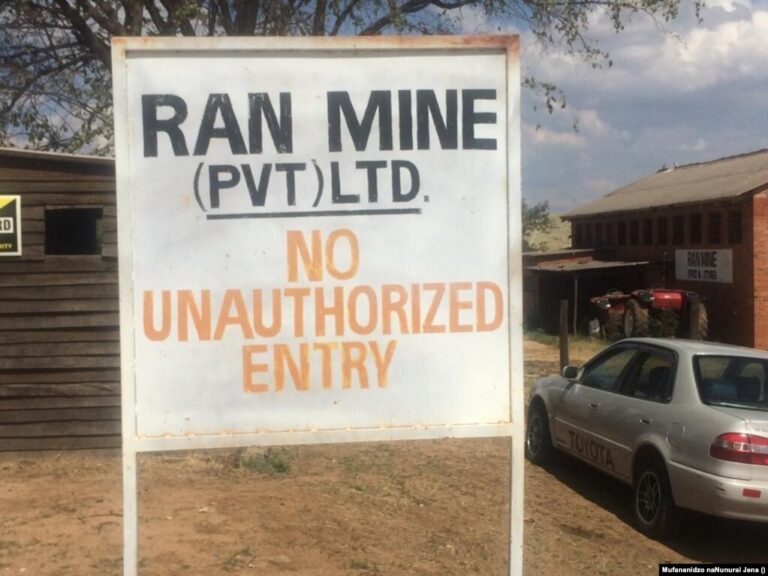
Bindura-based gold miner, Ran Mine, is preparing to significantly boost its production capacity as part of its ongoing expansion efforts to increase its ore processing capacity from the current 16,000 tonnes to 30,000 tonnes per month, a recent monitoring report by the Ministry of Mines and Mining Development shows.

By Rudairo Mapuranga

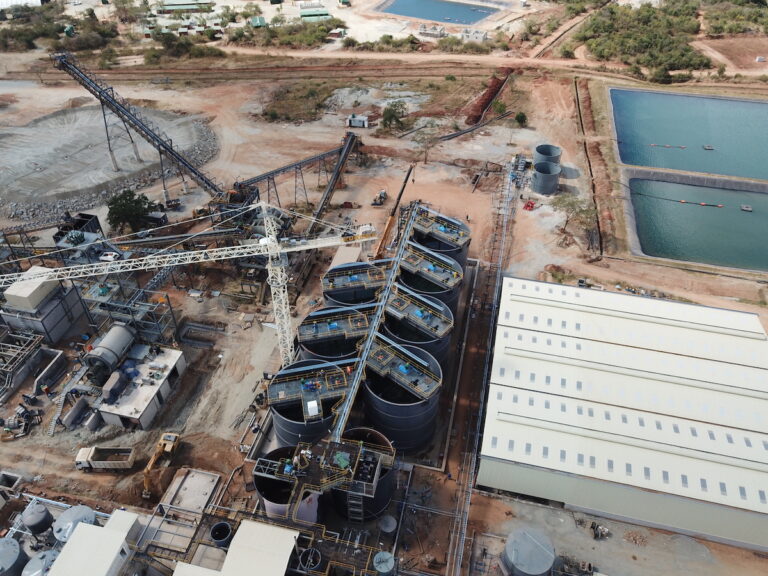
The expansion project, which aims to enhance the mine’s output and efficiency, involves the installation of additional crushers, a ball mill, and leach tanks. This upgrade is expected to substantially improve the mine’s gold production, which currently stands at an average of 15kg per month, processed via the Carbon-In-Leach (CIL) method.

“Our goal is to double our processing capacity to 30,000 tonnes per month,” the report from the Mining Development Directorate states. The project will also enable the mine to process all of its smelting requirements in-house, moving away from the current arrangement, where only 40% of smelting is done internally, with the remainder handled by a third party.

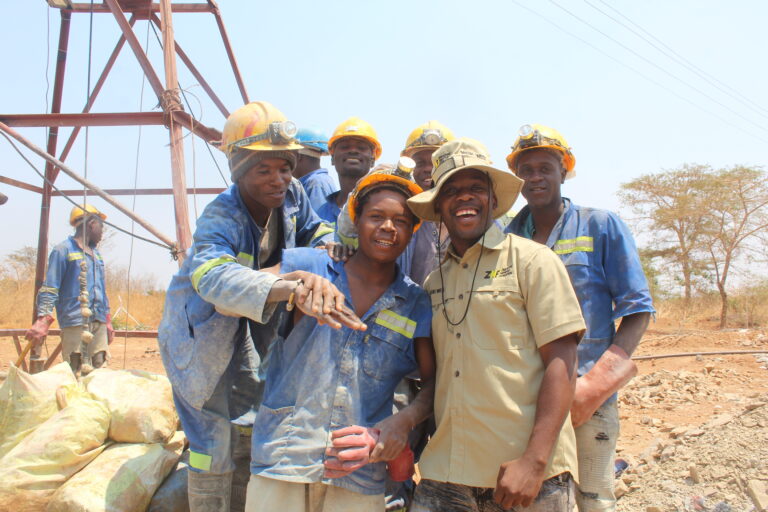
Ran Mine has been in operation since 2021, utilizing an open-pit mining method to extract gold from ore with an average grade of 2g/t. The mine has a current life of 10 years and employs 150 workers, 123 of whom are permanent employees, with the rest on fixed-term contracts. The report highlights that the ongoing expansion will increase production efficiency and create additional employment opportunities in the long term.

However, the mine faces several challenges that could impact its future operations. The report highlights concerns over the mine’s existing tailings storage facility, which is nearing capacity and has only 100 days of remaining lifespan. Plans to construct a new tailings facility have been delayed due to the gazetting of certain mining claims, which must be transferred to Zimbabwe Ezekiel Guti University (ZEGU), including the site designated for the new storage facility.

“Without a new tailings storage facility, the mine will be forced to cease operations once the current one reaches capacity,” the report warns.

In addition to the tailings issue, load shedding has negatively impacted the mine’s productivity, with the processing plant operating at only 80% capacity due to power outages. The increased reliance on generators during load-shedding periods has led to a rise in operational costs, further complicating the mine’s cost structure.

Despite these challenges, Ran Mine’s expansion project is expected to bolster the mine’s production in the near future, positioning it as a key player in Zimbabwe’s gold sector. The successful implementation of these developments will be crucial in maintaining the mine’s viability and ensuring continued growth in the region’s mining industry.

Gold buying prices per gram in Zimbabwe 15 January 2025

These are the official gold buying prices per gram in Zimbabwe today 15 January 2025, from the official gold buyer and exporter Fidelity Gold Refinery (FGR).

SG 90% and ABOVE US$81.02/g
SG ABOVE 85% BUT BELOW 90% US$80.17g
SG ABOVE 80% BUT BELOW 85% US$79.31/g
SG ABOVE 75% BUT BELOW 80% US$78.45/g
SAMPLE BELOW 10g BUT ABOVE 5g US$77.17/g

Fire Assay CASH $81.45/g

NB: Fire Assay cash price is for gold above 100gs, no sample is deducted.
For the Fire Assay Transfer price, a sample of not more than 10g is deducted
A 2% royalty is charged on all deposits (Small-scale miners)
A 5% royalty is set for Primary Producers

Cash available. Fidelity Gold Refinery prices will be changing daily to match the world market.

Why Small-Scale Miners looking for investment should attend Mining Indaba 2025

0

Small-scale miners in Zimbabwe should take advantage of the upcoming Investing in African Mining Indaba 2025, scheduled to take place in Cape Town, South Africa, from February 3–6, 2025. The prestigious event, which is the largest mining investment gathering in Africa, offers a unique platform for small-scale miners to connect with potential investors, secure funding, and learn about the latest developments in the global mining sector.

Why Small-Scale Miners Should Attend

For many small-scale miners, one of the biggest hurdles in scaling their operations is the lack of adequate capital. Mining Indaba provides a prime opportunity to meet investors actively seeking mining opportunities in Africa. It is a space where miners can showcase their projects, network with industry experts, and learn about innovative solutions to enhance their operations.

The theme of Mining Indaba 2025, “Transforming African Mining for the Future,” will focus on critical minerals, sustainable mining, and responsible investments, aligning perfectly with Zimbabwe’s Vision 2030 goals. Small-scale miners involved in the extraction of gold, lithium, chrome, and other minerals essential for global markets are particularly well-positioned to attract interest.

Key Benefits of Attending Mining Indaba 2025

  1. Access to Global Investors: Mining Indaba brings together over 6,000 delegates from around the world, including financiers, government representatives, and mining companies. This is a chance for small-scale miners to pitch their projects directly to investors.
  2. Exposure to Cutting-Edge Technology: Attendees will have access to the latest mining technologies and practices that can help improve efficiency and sustainability.
  3. Market Insights: Learn about trends in mineral demand, especially for critical minerals like lithium and cobalt, which are central to renewable energy and electric vehicle markets.
  4. Networking Opportunities: The event offers unmatched networking opportunities with industry leaders, government representatives, and other miners from across Africa.

How to Prepare for the Event

To maximize the benefits of attending Mining Indaba, small-scale miners are advised to prepare thoroughly. Legal Paperwork and paperwork services can be sought from mining experts on +263 772 979 277 or by email [email protected]

  • Develop a Clear Project Proposal: Ensure you have a concise and compelling project outline, including information on mineral reserves, projected production, and financial requirements.
  • Professional Presentation: Create a professional pitch deck that highlights the potential of your operations and demonstrates how investment will yield returns.
  • Engage in Pre-Event Networking: Leverage online platforms and social media to connect with investors and companies attending the event before February.
  • Understand Industry Trends: Research current market trends to showcase how your mining project aligns with global demands.

Government and Organizational Support

Zimbabwean authorities and mining organizations such as the Zimbabwe Miners Federation (ZMF) always attend Mining Indaba and can guide those willing to attend.

Registration and Participation

Interested miners should register for Mining Indaba 2025 HERE as soon as possible to secure their spot. Early registration often comes with discounted fees, and participants can also sign up for workshops and panel discussions tailored to small-scale mining operations.

Mining Indaba 2025 represents a golden opportunity for small-scale miners in Zimbabwe to attract investment, foster partnerships, and drive growth in their operations. With adequate preparation and proactive engagement, this event could be the gateway to success in the mining industry.

Blanket Production Increases 1.6% as Caledonia Exceeds 2023 Output, Targets Further Growth

0

Victoria Falls Stock Exchange-listed Caledonia Mining Corporation Plc has achieved a slight production increase of 1.6% in 2024 at its flagship operation, Blanket Mine in Gwanda, Mining Zimbabwe can report.

By Rudairo Mapuranga

The company reported a total gold production of 76,656 ounces (oz), exceeding 2023’s production of 75,416 oz and meeting the annual guidance of 74,000 to 78,000 oz.

According to Caledonia CEO Mark Learmonth, the growth is attributed to strong mine activity, which resulted in a record 797,000 tonnes milled for the year, and an impressive hoisting achievement of 89,727 tonnes in December 2024, surpassing milling capacity.

He said the company also reported annual gold sales amounting to 76,271 oz, with Q4 sales reaching 17,734 oz.

“I am pleased to report that we achieved our production guidance for the year, producing 76,656 ounces of gold. In 2024, we set new records for tonnes milled and ore hoisted, positioning us well for a strong start in 2025,” he said.

Learmonth said that looking ahead to 2025, Caledonia has outlined ambitious production and investment plans. Blanket Mine’s production guidance for 2025 is between 73,500 and 77,500 oz. The company has allocated a capital expenditure budget of $41.8 million, with $34.9 million earmarked for Blanket Mine, $5.8 million for Bilboes and Motapa, and $1.1 million for various operational upgrades.

Key Investment Areas for 2025

  • Blanket Development: $6.6 million to fund 4,663 meters of planned development, including an additional 590 meters to improve flexibility and access higher-grade areas.
  • Efficiency Improvements: $3.4 million for energy-saving initiatives aimed at reducing costs and improving profitability.
  • Operational Resilience: $4.8 million to complete the tailings storage facility, ensuring continued environmental compliance and operational safety.
  • Exploration and Project Development: $5.8 million for exploration at the Motapa project and to support the feasibility study at Bilboes, scheduled for completion in Q1 2025.

According to Learmonth, Caledonia plans to further modernize operations by investing in IT upgrades and transitioning key functions to a new office in Bulawayo, creating synergies with the upcoming Bilboes sulphide project.

“We are systematically building a mid-tier, Zimbabwe-focused gold producer with multi-asset profitable production. Our strategic investments in people and technology will, in due course, drive operational efficiencies and growth,” said Learmonth.

While Blanket Mine’s production has grown, the company noted that costs have risen. On-mine costs for 2025 are expected to range between $1,050 and $1,150 per ounce, up from $950 to $1,050 per ounce in 2024. This increase reflects higher labor, HR, and IT expenses, as well as additional sustaining capital expenditure.

All-in sustaining costs (AISC) are forecasted to be between $1,690 and $1,790 per ounce, up from $1,450 to $1,550 per ounce in 2024. This rise is partly due to environmental, social, and governance (ESG) costs, with 2024 ESG expenditure totaling $1.3 million, or approximately $17 per ounce.

The Caledonia CEO said his company remains focused on securing long-term growth through continued investment in its operations. The company plans to increase its resource base and extend Blanket Mine’s life to 2034, based on current reserves. Strategic investments in Bilboes and Motapa are also expected to bolster future production.

“We are building a strong foundation for the extended operating life at Blanket Mine, while driving growth from Bilboes and Motapa. We aim to ensure sustained, profitable production while focusing on capital allocation and building per-share value for our investors,” Learmonth emphasized.

With a proven track record of performance and a clear roadmap for the future, Caledonia Mining Corporation is well-positioned to continue its growth trajectory in Zimbabwe’s gold mining sector.


Will Rising Challenges and New Tax Burdens Affect the Projected 140% Investment Surge in 2025?

0
The Zimbabwe mining sector is set to experience a remarkable 140% surge in capital investments in 2025, with projected spending expected to reach US$495.94 million, up from US$206 million in 2024. This sharp increase is largely driven by the booming lithium sector, with other key sectors such as gold, coal, and ferrochrome also contributing to the growth.
By Ryan Chigoche
However, despite this promising investment outlook, the sector is confronted with a series of persistent challenges that could undermine its ability to fully capitalize on these opportunities.
Key issues such as unreliable power supply, aging infrastructure, and foreign currency shortages are creating significant operational hurdles for mining companies. Zimbabwe’s power deficit, which regularly exceeds 600MW, continues to affect production levels, forcing companies to rely on expensive diesel generators or face reduced output. Furthermore, high operational costs tied to insufficient water supply and the deteriorating infrastructure at major plants like Hwange further complicate matters for miners.

Beyond these logistical challenges, there is also growing uncertainty surrounding the country’s regulatory environment. Frequent changes in tax policies and ongoing delays in finalizing critical legislation, such as the Mines and Minerals Act, have created a climate of unpredictability for investors. Companies are concerned that the lack of stability in government policies could deter further investment and disrupt long-term planning.

In addition to these broad challenges, this year the sector now faces higher taxes and royalties, which could further strain profitability. The introduction of elevated royalty fees and new taxes targeting beneficiation and capital gains is likely to erode the financial margins of mining companies, particularly for smaller operators with less capital to absorb these additional costs. These tax measures, while intended to increase government revenue, could unintentionally diminish the incentives for investment, especially in value-added sectors like beneficiation.

As the mining sector looks toward 2025, the question remains: Can the industry sustain its projected growth and investment surge amidst these mounting challenges? While the 140% increase in capital spending signals confidence in the sector’s potential, the persistent operational and regulatory hurdles may pose significant obstacles that could dampen the impact of these investments.

A look at Expected Capital Projects for 2025
Lithium Industry
The lithium sector is poised for substantial growth, with $380 million in expected investments. According to the Chamber of Mines report, Bikita Minerals is set to invest $100 million in smelters, which will increase production levels in smelting by 95%. This investment is part of the mine’s larger plan to invest $500 million in a lithium smelter, which is essential for the company’s long-term growth and competitiveness in the lithium market, despite softening prices.

Since Sino Mine’s acquisition of Bikita Minerals in 2022, the company has invested over $200 million in exploration, mine expansion, and strategic projects. These initiatives include developing new mining areas and constructing a modern tailings storage facility designed to manage mine waste for the next 20 years.

Sandawana Mines is expected to invest $280 million in a lithium concentrate processing plant, scheduled for completion by March 2026. This investment is expected to double production, reaching 500,000 tonnes of concentrate. Last year, Kuvimba Mining House announced a $310 million deal with a British-Chinese consortium for a lithium concentrator at Sandawana, further boosting Zimbabwe’s lithium sector.

Gold Industry
Fredda Rebecca
Fredda Rebecca, which spent $2.5 million last year on a tailings storage facility, is expected to invest $11.8 million this year on the same facility. The mine will also spend $2 million on exploration to extend the life of the mine by sustaining current production levels.

Eureka Gold Mine
Dallaglio owned Eureka Gold Mine is expected to invest $4,001,920 in a tailings storage facility, with the project expected to be completed by March 2025. Last year, the mine spent $8.7 million on the tailings storage facility, a plant thickener, and power factor correction investments, which led to a 2.01% increase in production levels.

Pickstone Peerless Mine
Eureka’s Sister mine Pickstone Peerless is set to invest $15.15 million in expansion projects, up from $14.5 million spent last year. This investment is expected to boost current production levels by 26%.

Shamva Mine 
Shamwa Mine, a member of Kuvimba Mining House, plans to spend $560,000 on exploration drilling, a slight increase from $366,000 last year. This investment is part of the mine’s strategic goal of achieving a production target of 200,000 tons per month.

Blanket Mine 
Blanket Mine, aiming for a 5% increase in production, is expected to invest $270 million in future projects. This comes after last year’s $30.8 million expansion, which resulted in a 7% boost in production.

Golden Valley  

Golden Valley is expected to invest $600,000 in total, with $200,000 earmarked for a clinic and the rest for ongoing plant investments. By December 2025, the total investment in these projects is expected to reach $1 million.

New Dawn and Old Nick Mines  
New Dawn and Old Nick Mines are not expected to invest anything this year, according to the Chamber of Mines. However, it is important to note that New Dawn spent $410,000 last year on an elution plant and $110,000 on a 20L track upgrade. These investments are expected to increase production levels this year by 10% and 8%, respectively.

Bulawayo Mining Company

Bulawayo Mining Company is expected to invest $4.5 million in 2025 to ramp up expansion projects, with production levels expected to increase by 18%.

Ferrochrome Industry

The ferrochrome industry also has some key projects lined up. The Chinese-owned  Afrochine is expected to invest $22.6 million in two new smelters in 2025. These projects, which are expected to be completed by 2026, will boost production by 28%. Zimasco is also expected to invest another $3 million in mine exploration to sustain feed for ferrochrome production.

Platinum Group Metals (PGMs)

In the platinum group metals (PGM) sector, there are fewer significant capital projects this year. Last year, Mimosa Mining Company, the country’s second-largest PGM producer, invested $79 million in developing its TSF4 tailings management facility. For 2025, the company is expected to invest $2.1 million toward this project to extend the life of the mine.

Unki Mines is expected to spend $500,000 in open-pit mining this year and $200,000 on a solar project investment, which will boost production by just 1%. While many companies in the PGM sector are anticipating a rebound in prices, most have shelved large expansion projects due to weakened prices that have impacted the sector.

Coal Industry

In the coal industry, Hwange Colliery is expected to invest $17 million in Unit 3 main maintenance, along with $3.1 million in battery oven resuscitation, which will boost production by 100%. Zambezi Gas is expected to invest $450,000 in a coke oven, which will increase production by 60%.

As Zimbabwe’s mining sector looks to capitalize on the anticipated 140% increase in investment for 2025, the industry’s future holds considerable promise, driven by key sectors like lithium, gold, and ferrochrome. The surge in investment is crucial for meeting Zimbabwe’s ambitious mineral export target of US$6 billion for 2025, and expanding capacity to meet the growing global demand for critical minerals.

‘No ASM Ban, Only Safety First’ – Kunaka

0

The Ministry of Mines and Mining Development has clarified that artisanal and small-scale mining (ASM) in Zimbabwe has neither been stopped nor banned, addressing recent misquotes and distortions.

By Rudairo Mapuranga

In a press statement issued today, the Ministry’s Permanent Secretary, Mr. Pfungwa Kunaka, emphasized that “there are no plans or intentions to stop small-scale mining.” The government’s focus is on ensuring the safety of miners, particularly during the rainy season.

The confusion stemmed from a recent statement by the Minister of Mines, Honourable Winston Chitando, who advised miners to suspend underground operations during heavy rains, especially under cyclone conditions. His warning was aimed at minimizing risks associated with ground instability, flooding, and potential fatalities.

“Our miners are advised to take heed of the timely warning and advice given to avoid accidents, injuries, fatalities, and associated losses,” Mr. Kunaka explained.

The Permanent Secretary reiterated the government’s unwavering support for the ASM sector, highlighting its significant contribution to the national economy.

“Government supports small-scale mining and values the economic contributions of the subsector, but above all, it prioritizes people’s lives and safety in all circumstances,” Mr. Kunaka stressed.

In a follow-up interview, the Honourable Deputy Minister of Mines echoed this advice, urging miners to avoid entering shafts and pits during rainy conditions. The statement follows recent incidents, including flooding at Olympus Mine, which exposed the dangers of underground operations during heavy rains. Such conditions increase the risk of ground falls and shaft collapses.

The Ministry’s position is clear: safety must not be compromised in pursuit of production targets. Zimbabwe’s small-scale mining sector, vital for gold and other mineral production, is encouraged to adopt responsible and sustainable mining practices, particularly during adverse weather.

The Ministry has issued specific safety guidelines advising miners to avoid working in pits and shafts during rainfall. Risks associated with heavy rains include ground instability, flooding, and collapses, all of which have led to fatal accidents in the past.

Mr. Kunaka reaffirmed the government’s commitment to the well-being of small-scale miners.

“The government values the contributions of small-scale miners to the economy but places utmost importance on ensuring the safety of every miner. We are simply advising miners to avoid working under dangerous conditions,” he added.

Zimbabwe’s small-scale mining sector is a cornerstone of the nation’s gold production, contributing significantly to foreign currency earnings and local livelihoods. The sector is recognized for its growth potential and its role in achieving the country’s Vision 2030 economic goals.

However, safety remains paramount. Mining-related accidents, particularly during the rainy season, have been a recurring challenge. Many incidents involve unstable mine shafts collapsing due to water infiltration and ground movement.

“We continue to support the mining sector but urge all miners to heed safety warnings and avoid unnecessary risks during the rainy season,” Mr. Kunaka concluded.

This is the second time in a year that the Ministry has to clarify “a ban on asm”. Whilst it is plausable government encourages safety, it is its’ (government) responsibility that safety at mines is prioritised and they can do this by consistently monitoring progress after mines have been registered ensuring site of works plans are being followed to the dot. It is critical that the Ministry is allocated more vehicles to be able to fully execute its mandate.

Ministry of Mines Halts Issuance of Special Grants

0

The Ministry of Mines and Mining Development has announced a temporary suspension of issuing Special Grants, according to a public notice released earlier this week. The notice, prominently displayed across Ministry offices, informs stakeholders that no new Special Grant applications will be accepted until further notice.

By Rudairo Mapuranga

In the notice, the Ministry emphasized that the suspension is temporary but did not provide a timeline for its conclusion or the resumption of new applications. Special Grants, which permit mineral exploration or mining activities in reserved areas, are essential for accessing minerals outside the scope of standard mining claims. These grants are crucial in fostering mineral exploration and development throughout Zimbabwe.

The abrupt halt to issuing Special Grants has elicited mixed reactions within the mining sector. Both large-scale operators and junior miners are keenly awaiting updates on when they can apply for access to mineral-rich areas again. This suspension could slow the progress of mineral exploration and mining development, particularly for emerging players seeking opportunities in specialized resources.

While the Ministry did not disclose the reason for the suspension, industry analysts speculate that it may stem from internal policy reviews or regulatory adjustments. Zimbabwe’s growing interest in minerals such as chrome, lithium, gold, platinum, and rare earth elements suggests that the move could aim to streamline application processes or ensure the effective utilization of existing grants before issuing new ones.

Mining sector stakeholders are advised to stay informed by visiting Ministry offices or contacting relevant officials for updates. The notice concludes by reminding applicants that no new submissions will be accepted until further communication is provided.

This development comes as Zimbabwe works to enhance mining’s contribution to the national economy in its quest to achieve upper-middle-income status by 2030. Mining remains a vital economic driver, particularly for foreign currency generation, making Special Grants a key instrument in unlocking new exploration projects.

The mining community now awaits further announcements from the Ministry regarding the suspension’s end and any potential changes to the Special Grant issuance process.

Two Dead in Mberengwa Mining Shaft Collapse

0

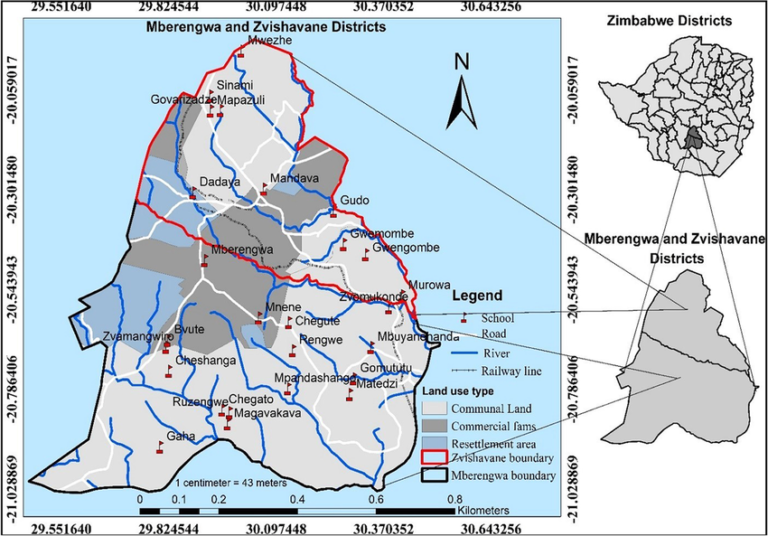
Mberengwa, Zimbabwe – January 9, 2025Two people are feared to have died on the spot after a 22-meter-deep mine shaft collapsed while they were illegally mining at Knot Brothers Farm in Mberengwa. The tragic incident occurred around midday, leaving rescue efforts ongoing and authorities urging stricter adherence to mining safety regulations.

According to Midlands provincial community relations liaison office, “The victims, identified as Farai Machenjedze and Desire Mareva, whose full particulars are yet to be confirmed, were working underground when the shaft suddenly caved in. Three other miners were working outside the shaft at the time of the incident.

According to witnesses, the collapse buried the two men under heavy debris, with one victim reportedly crying out for help. Despite attempts by colleagues on the surface to rescue them, their efforts were hampered by the unstable, rain-soaked soil, which continued to collapse as they worked.

Machenjedze was later found partially covered in debris and still calling for assistance, but rescuers were unable to reach him due to the deteriorating conditions.

The incident was reported to the police, who have since confirmed that rescue efforts are ongoing, though the situation remains precarious due to the loose, wet soil caused by recent rainfall.

Poorly managed artisanal and small-scale mine sites are every rainy season, at risk of collapse. As rainwater infiltrates the soil it makes it heavier and less stable. This  increases the load on the underground voids and walls, which can result in collapses.

Also, Artisanal mines often lack proper support beams or reinforcements to hold up the mine walls and roof. The design and depth of artisanal shafts are usually not based on sound engineering principles, making them vulnerable to collapse.

Despite all this, Artisanal miners usually continue to work in unsafe conditions despite warnings, driven by economic necessity.