Home Blog Page 144

Small-Scale Miners Power Zimbabwe’s Gold Boom

0

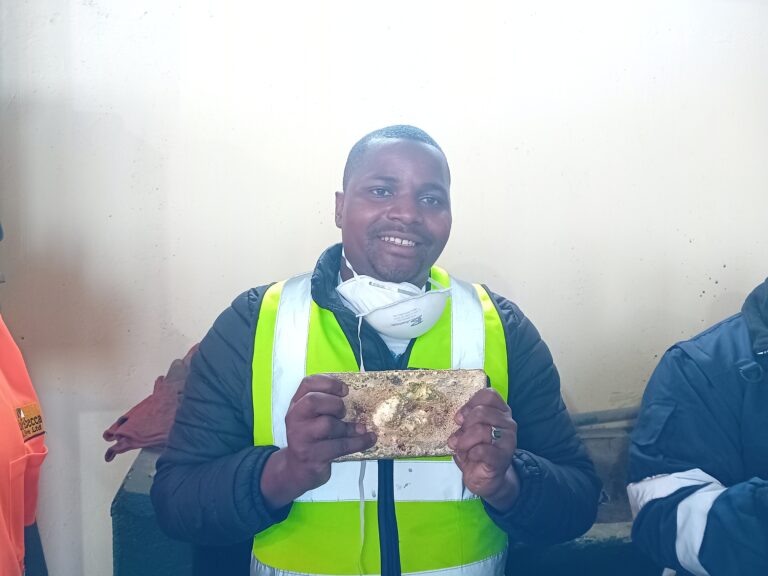
The gold production landscape in Zimbabwe for 2024 revealed a remarkable performance by  small-scale miners, who for years have consistently outperfomed primary producers, stats from Fidelity Gold Refinery (FGR) have revealed.

by Keith Sungiso

With an annual contribution of 23,745.64 kg, small-scale miners submitted 65% of the total gold output of 36,486.75 kg, compared to 12,741.11 kg produced by primary operations.

Month to month Comparisons

Q1: A Mixed Start

  • January: Small-scale miners set the tone early, producing 1,333.44 kg, surpassing primary producers’ 1,108.82 kg by 20%.
  • February: A brief dip saw small-scale miners trailing with 864.31 kg compared to primary producers’ 988.70 kg, marking one of the few months where primary producers led.
  • March: Small-scale miners produced 770.98 kg, while primary producers delivered 1,045.56 kg, further narrowing the gap. Small- scale miners trailed in this quarter.

Q2: ASM Gained Momentum

  • April: Small-scale miners rebounded strongly with 1,218.20 kg, slightly outpacing large scale producers’ 1,168.70 kg.
  • May and June: Small-scale miners surged ahead with 1,678.45 kg and 1,618.51 kg, compared to 1,055.69 kg and 999.87 kg from primary producers.

Q3: Small-Scale Miners take Command

  • July: Small-scale miners nearly doubled primary production, delivering 2,425.65 kg against 1,151.77 kg.
  • August and September: Small-scale operations maintained their dominance, contributing over 2,390 kg each month, significantly ahead of primary producers.

Q4: Small-scale massive domination

  • October: The disparity peaked as small-scale miners produced a record 3,248.95 kg, more than tripling primary producers’ output of 1,024.63 kg.
  • November and December: The year ended on a high note for small-scale miners, producing 2,651.80 kg in November and 3,127.72 kg in December, far ahead of primary operations’ 1126.36kg and 1034.51kg respectively.

Key Observations

  1. Small-Scale Miners dominate submissions: Except for February and March, small-scale miners outperformed primary producers in every month. this has been happening for years. However a lot needs to be done for the ASM miners to be able to attract funding from financial institutions.
  2. Significant Growth: Small-scale miners demonstrated the ability to ramp up production, especially in the latter half of the year. This is despite the lack of mechanisation at the bulk of the mines.
  3. Primary Producers’ Stability and Chinese gold miners invisibility: While primary producers maintained a steady output, their peak production of 1,168.70 kg in April was dwarfed by small-scale miners’ performance in multiple months. Chinese mines are also less visible in the primary producers category. By Zimbabwe standards Chinese miners are likely to fall into the medium to primary producer’s category. Gold Mobilisation task force must conduct throughout vetting to determine their contribution in gold submissions. In August 2024 Zambian authorities seized 29.9 kilograms of gold and usd$200,000 in cash hidden within the door panels of a Zimbabwe vehicle registered to a Chinese national.

Annual Totals

  • Small-Scale Miners: 23,745.64 kg (65%)
  • Primary Producers: 12,741.11 kg (35%)

The year 2024 underscored the vital role of small-scale miners in Zimbabwe’s gold mining sector. ASMiners cemented their position as the leading contributors to national gold production but also highlighted the potential of the poorly funded sector to drive economic growth.

Meanwhile, primary producers, though steady, will need to explore strategies to enhance their competitiveness in the coming years.


Gold buying prices per gram in Zimbabwe 10 January 2025

These are the official gold buying prices per gram in Zimbabwe today 10 January 2025, from the official gold buyer and exporter Fidelity Gold Refinery (FGR).

SG 90% and ABOVE US$81.26/g
SG ABOVE 85% BUT BELOW 90% US$80.40g
SG ABOVE 80% BUT BELOW 85% US$79.54/g
SG ABOVE 75% BUT BELOW 80% US$78.68/g
SAMPLE BELOW 10g BUT ABOVE 5g US$77.39/g

Fire Assay CASH $81.69/g

NB: Fire Assay cash price is for gold above 100gs, no sample is deducted.
For the Fire Assay Transfer price, a sample of not more than 10g is deducted
A 2% royalty is charged on all deposits (Small-scale miners)
A 5% royalty is set for Primary Producers

Cash available. Fidelity Gold Refinery prices will be changing daily to match the world market.

Pambili Optimistic About Acquisition of London Wall Gold Mines

0

Toronto Stock Exchange-listed Pambili Natural Resources Corporation has expressed optimism about its option to acquire the London Wall group of gold mines and claims in Zimbabwe.

By Ryan Chigoche

Last year, the company announced a 12-month agreement with Long Strike Investments to acquire 21 gold assets in Gwanda, Matabeleland South Province.

In its latest update, Pambili, which also owns the Golden Valley Mine in Bulawayo, highlighted that historical success in the region suggests strong potential for the acquisition.

If history is any indicator, Pambili Natural Resources Corporation’s option agreement to acquire the London Wall group of gold mines and claims in Zimbabwe appears highly promising.

The option includes two previously producing gold mines, London Wall and New Jessie, along with claims located along three major regional gold-bearing geological structures.

“Although the historical data has yet to be independently verified, the reported figures align with previous production records, and we are excited to have the opportunity to confirm the potential of this project,” said CEO Jon Harris in a statement.

Gold mineralization within the claims, according to the technical team at Long Strike Investments (Private) Limited, is controlled by three primary regional geological structures, all of which converge at the 1.3-kilometre-deep Jessie Mine, located just outside the southeastern extent of the claims area:

  • The Southern Structure: This structure, spanning 1.4 km within the claims, includes the previously producing London Wall mine.
  • The Central Structure: Known as the Jessie structure, this includes the New Jessie mine and the Jessie Mine itself, which has produced more than 440,000 ounces of gold at an average grade of 10.5 g/t. The Jessie Mine has operated continuously for nearly 100 years.
  • The Northern Structure: Running along the contact between a Banded Iron Formation (BIF) and a felsic intrusive formation, this structure hosts numerous artisanal gold workings. These areas have never been systematically explored using modern mining methodologies.

Before Pambili’s agreement, the owners of the Jessie Mine were reportedly mining the London Wall and New Jessie mines under a tribute agreement with previous owners, extracting about 18 tonnes of material per day at commercial grades, according to a statement released by the company.

Under the terms of the option agreement with Long Strike Investments, which lasts for 12 months (extendable to 24 months), Pambili will retain 95% of any gross income generated from the claims and mines. The company also has an unencumbered right to mine and develop the assets.

Additionally, Long Strike has applied for contiguous extensions to the claims, totaling 547.8 hectares, which will complement the 173 hectares included in the original option. Once granted, these extensions will be incorporated into the agreement.

Apart from Golden Valley Mine, Pambili also owns and operates the Happy Valley Mine, another gold operation located 15 km from Bulawayo.

Meanwhile, this development comes at a time when Zimbabwe’s gold exports are poised for significant growth, with projections of US$4 billion in annual revenue starting this year.

The surge is expected to be driven by a combination of factors, including new investments in the gold sub-sector, the reopening of previously closed mines, and expansion projects at existing operations.

Last year, the country achieved a record-high gold production of 36.5 tonnes, surpassing the annual target by 21.3%.

Gold buying prices per gram in Zimbabwe 9 January 2025

These are the official gold buying prices per gram in Zimbabwe today 9 January 2025, from the official gold buyer and exporter Fidelity Gold Refinery (FGR).

SG 90% and ABOVE US$80.80/g
SG ABOVE 85% BUT BELOW 90% US$79.95g
SG ABOVE 80% BUT BELOW 85% US$79.09/g
SG ABOVE 75% BUT BELOW 80% US$78.24/g
SAMPLE BELOW 10g BUT ABOVE 5g US$76.95/g

Fire Assay CASH $81.23/g

NB: Fire Assay cash price is for gold above 100gs, no sample is deducted.
For the Fire Assay Transfer price, a sample of not more than 10g is deducted
A 2% royalty is charged on all deposits (Small-scale miners)
A 5% royalty is set for Primary Producers

Cash available. Fidelity Gold Refinery prices will be changing daily to match the world market.

YMF Launches Revolving Fund to Support Small-Scale Mining Ventures

0

The Young Miners Foundation (YMF) has launched a revolving fund initiative to provide financial support to young miners in Zimbabwe. This program aims to address the critical challenge of limited access to funding, which has hampered the growth and success of young miners in the country, Mining Zimbabwe reports.

By Rudairo Mapuranga

Despite small-scale miners contributing over 60% of Zimbabwe’s mining output, many young miners face difficulties securing financing from traditional banks and micro-financiers due to the perceived high risks associated with mining. The revolving fund is set to act as a lifeline, offering essential financial resources to help miners grow their operations and sustain their businesses.

This initiative comes at a time when Zimbabwe’s mining sector is poised for significant growth. Projections indicate a 7% expansion in 2025, potentially generating US$6 billion in exports. However, for young miners to fully benefit from this growth, access to capital is crucial.

Speaking to Mining Zimbabwe, YMF CEO Payne Farai Kupfuwa emphasized the importance of financial support for miners across all levels of operation.

“Funding is a critical issue, especially in mining—whether small, medium, or large-scale. The mining sector is capital-intensive, and local financial institutions are often reluctant to invest due to the perceived risks,” Kupfuwa stated.

He explained that traditional financial institutions view mining as a high-risk venture, leaving miners without the capital needed to expand or sustain their operations. To bridge this gap, YMF is establishing the Young Miners Revolving Fund, which will offer small loans to miners affiliated with the foundation.

Kupfuwa also highlighted YMF’s efforts to build regional networks among young miners, particularly in Zimbabwe and Zambia. This network facilitates the sharing of resources such as compressors, excavators, financial support, and mining claims. By pooling their resources and expertise, young miners can overcome barriers to accessing equipment and funding.

The creation of the revolving fund marks a significant step toward empowering young miners in Zimbabwe. It will enable them to enhance their contribution to the country’s mining sector while ensuring the financial sustainability of their businesses.

Karo Poised for Growth Despite Market Challenges

0

Victoria Falls Stock Exchange (VFEX)-listed platinum group metals (PGM) miner, Karo Mining Holdings (KMH), is navigating challenging market conditions while advancing its flagship Karo Platinum Project, Mining Zimbabwe reports.

By Rudairo Mapuranga

In its recently released audited financial statements for the year ending September 30, 2024, the company highlighted significant progress despite delays in project funding caused by a downturn in PGM prices. First Ore in Mill (FOIM) is now scheduled for the second half of 2026, reflecting a slight timeline shift. However, ongoing negotiations with financiers indicate that the project remains on track.

The 2024 financial year posed unique challenges for KMH, primarily due to weaker PGM market conditions that impacted funding workstreams. In response, the company has adopted a phased approach, breaking the project into smaller, manageable work packages to ensure progress aligns with available funding. Term sheets from prospective financiers are currently under review, and the company remains optimistic about securing the necessary capital for full-scale implementation.

While KMH’s development has slowed, the long-term outlook is promising, driven by increasing global demand for PGMs. Platinum, palladium, and other associated metals are critical to the automotive and energy sectors, particularly as the transition to cleaner technologies accelerates, necessitating high-performance catalytic converters.

KMH’s financial performance showed a remarkable turnaround in 2024. The company posted a net profit of US$13.5 million, compared to a loss of US$2.5 million in 2023. This improvement was largely attributable to a fair value gain on financial liabilities amounting to US$16.7 million, contributing to the positive bottom line. However, revenue generation remains absent as the company is still in its development phase, with FOIM expected in 2026.

The company’s balance sheet reflects a robust liquidity position, with cash and cash equivalents rising to US$62 million by the end of the financial year, up from US$12.3 million in 2023. This increase is attributed to successful capital-raising efforts, including proceeds from share issuances and loans.

Securing sufficient capital remains a top priority for KMH. To date, the company has received US$107 million from Tharisa plc, its major shareholder, to fund ongoing construction activities for the Karo Platinum Project. Additionally, KMH is in advanced stages of securing US$225 million in debt financing, with further equity partners being pursued to meet the remaining capital requirements.

The company’s commitment to creating long-term value for shareholders is evident in its capital investments, which amounted to US$22.6 million for the year. This underscores KMH’s dedication to advancing its mining project despite market volatility.

KMH is also positioning itself as a leader in sustainable mining. Its partnership with the Government of Zimbabwe, which holds a 15% free-carry stake in the Karo Platinum Project, reflects a commitment to sharing project benefits with the local community. Furthermore, the company is exploring cleaner technologies to reduce its environmental footprint, aligning with global efforts to decarbonize the mining sector.

New Tax Burdens for Zimbabwe’s Mining Sector in 2025: Impact on Profitability and Industry Outlook

0

In the 2025 National Budget, the Zimbabwean government introduced a series of new tax measures and royalty changes that will significantly affect the mining sector.

By Ryan Chigoche

These measures, effective January 1, 2025, reflect the government’s commitment to increasing revenue, ensuring tax compliance, and promoting economic diversification through local beneficiation. However, while the focus on strengthening the mining industry is evident, these new policies also present challenges for industry players, who must navigate and comply with the updated tax framework.

The potential impact on the sector’s profitability is a central concern. In both the short and long term, these changes could place additional financial pressure on mining companies. As the industry adapts to the new fiscal landscape, this article examines the key tax provisions in the 2025 Budget and the Finance Act, alongside their likely implications for Zimbabwe’s mining industry.

A report by the Chamber of Mines, titled Mining Industry Prospects for 2025, released in the last quarter of 2024, highlighted growing pessimism among miners regarding their businesses’ profitability heading into 2025. With high operating costs and weak commodity price prospects, the outlook appeared bleak. Furthermore, industry executives voiced concerns about an increasingly unfavorable investment climate, compounded by an anticipated continuation of a challenging fiscal framework and policy environment.

The multiplicity of taxes, elevated royalty rates, and the introduction of new beneficiation and special capital gains taxes were all cited as significant obstacles to growth. To make matters more complex, the prolonged uncertainty surrounding the finalization of the Mines and Minerals Act and other legislative matters further deepened the sector’s unease. Below, we examine the key tax and royalty changes miners will face in 2025.


Key Changes in Tax and Royalty Measures

1. Mineral Royalties Collection and Penalties
Effective January 1, 2025, mining companies will face penalties for the late remittance of royalties, regardless of any pending legal proceedings. This provision aims to enforce timely tax compliance, ensuring the government receives essential revenue from the mining sector. Additionally, royalties are now classified as a tax, aligning with international standards. The Commissioner may exempt taxpayers from penalties if non-compliance is not deliberate, a provision not previously available for royalty-related issues.

2. Changes in Royalty Rates

  • Coal: The royalty rate increased from 1% to 2%, reflecting the growing demand for this energy resource.
  • Black Granite: The royalty rate remains unchanged at 2%, maintaining its significance in Zimbabwe’s export portfolio.
  • Other Dimensional Stones: The royalty rate was reduced from 2% to 0.5% to encourage exploration and extraction.
  • Quarry Stones: A new royalty rate of 0.5% was introduced, recognizing their value in construction and infrastructure development.

3. Special Capital Gains Tax on Mineral Titles
Effective January 1, 2025, a special capital gains tax will be levied on the transfer of mining titles. This tax applies to all transfers of mining assets after December 31, 2023, whether the transaction occurs inside or outside Zimbabwe. The goal is to capture more value from asset transfers, especially as larger companies acquire smaller ones.

4. New Levy on Key Minerals
A 2% levy will be imposed on the gross value of lithium, black granite, quarry stones, and both uncut and cut diamonds sold locally or exported. This is an increase from the previous 1% and must be paid in the currency of trade. The adjustment aims to boost revenue from Zimbabwe’s high-value minerals, particularly lithium, a critical component in the global electric vehicle supply chain.

5. Restrictions on Mining Title Transfers
From January 2025, mining companies must be registered taxpayers to acquire or transfer mining titles. Transfers without proof of tax registration will be considered void. This regulation seeks to improve tax compliance and discourage informal mining operations.

6. Discontinuation of Tax Relief for Mining Companies
The government announced last year that tax reliefs for mining companies will be phased out, starting in January 2025. This measure aims to incentivize local processing of raw minerals rather than their export in unrefined form. A 5% beneficiation tax has also been introduced on unrefined platinum exports, signalling a strong push toward value addition.


Implications for the Mining Sector’s Profitability

Zimbabwe’s new tax and royalty measures, effective January 2025, will have significant implications for mining sector profitability. The increased royalty rates, particularly for coal, and the 2% levy on key minerals like lithium, black granite, and diamonds, will raise operational costs. This financial burden could compress profit margins, particularly in a volatile global market.

The capital gains tax on mineral title transfers may limit liquidity in the sector. By taxing asset transfers, the government could restrict companies’ ability to adjust portfolios, potentially stifling market responsiveness.

Moreover, the push for local beneficiation will require substantial investment in processing plants. This could strain the cash flow of smaller companies and force them to divert resources from exploration or expansion projects. The discontinuation of tax reliefs further exacerbates financial pressures, limiting opportunities for reinvestment.

While these measures aim to enhance compliance and promote local value addition, they may deter foreign investment. Higher taxes and stricter regulations could make Zimbabwe less attractive compared to other mining jurisdictions. Smaller miners may struggle to meet the new requirements, leading to further consolidation in the sector.

Although beneficiation promises long-term benefits such as job creation and increased export value, it also poses environmental and social risks. Mining processes, particularly beneficiation, can harm the environment, and local communities may experience disruptions during the development of processing plants. The government must ensure that beneficiation does not come at the expense of sustainability or social stability.

In the short term, these measures will likely reduce mining companies’ profitability. However, with proper management, they could lead to a more sustainable and diversified mining industry in the long run. The government must balance revenue generation with maintaining sector competitiveness to ensure that both large and small miners thrive in this evolving fiscal landscape.

Zimbabwe Must Utilize Its Coal Resources Like the West: Lessons from Trump’s Energy Policies

0

As the global discourse around energy shifts toward renewables, Zimbabwe finds itself at a crossroads regarding how best to utilize its abundant coal reserves. Coal, a contentious topic in climate change discussions, remains a reliable source of energy for many developing nations, including Zimbabwe.

By Rudairo Mapuranga

Recent statements by former U.S. President Donald Trump about coal and America’s reindustrialization efforts offer critical insights into why Zimbabwe must continue to explore, utilize, and expand its coal production for energy and industrial development.

During his Presidency, Trump championed the use of fossil fuels, notably coal, to revitalize American industry. Recently, the U.S. President-elect declared, “America will build more, bigger, and better coal power stations than China.” This sentiment resonates with many Zimbabweans who, like Trump, view coal as a vital resource that should not be abandoned due to Western pressures to adopt green energy.

In fact, Trump’s campaign slogan, “drill, baby, drill,” reflected a robust commitment to exploring and utilizing coal, oil, and gas to fuel the U.S. economy.

Learning from the West

Zimbabwe should take a page from Trump’s playbook by embracing its coal resources, just as Western countries did during their own industrial growth. Western nations built their economies on the back of coal, and today, despite advocating for cleaner energy globally, they continue to rely on fossil fuels.

Africa, especially Zimbabwe, is under pressure to abandon its coal resources in favour of renewables. However, such a move would be detrimental to the country’s economic aspirations.

Trump’s decision to consider pulling the U.S. out of the Paris Agreement and his aggressive stance on energy exploration were driven by a desire to ensure America’s energy security and economic competitiveness. For Zimbabwe, coal is equally critical in achieving these goals. With regular power outages and an energy crisis that stifles industry, relying solely on renewable energy will not suffice. Zimbabwe needs coal-fired power stations to provide a consistent energy base load, especially as the country moves toward beneficiation and value addition of minerals.

Beneficiation and Value Addition: A Coal-Dependent Path

The beneficiation of minerals, particularly critical ones like lithium, requires substantial energy. Zimbabwe’s lithium potential is well-known, but processing it locally to add value demands reliable, high-energy power stations. Coal can provide this stability. As William Gambiza, CEO of HCCL Holdings, explained, “Africa faces unique challenges, and in the context of the energy crisis, coal remains a reliable source.”

While some countries are abandoning coal, the demand for it in Zimbabwe and across Africa remains strong, particularly for energy-intensive industries.

Trump’s stance on coal highlights a key point for developing nations: while the West can afford to push for 100% renewable energy, Africa, which still requires industrialization, cannot. Zimbabwe’s coal reserves provide an opportunity to power local industries, including the energy-intensive processes of smelting and refining minerals. The country must avoid the trap of relying solely on renewable energy, which is unreliable for industrial use without proper base-load infrastructure.

Cleaner Coal Technologies: A Middle Ground

The debate over coal’s future isn’t about abandoning it entirely but rather about using it more responsibly. Gambiza emphasized the need for research into making coal cleaner. With advancements in technology, Zimbabwe can focus on adopting cleaner coal-burning technologies, mitigating the environmental impact of coal-fired power stations.

Investing in “green coal” technologies can help reduce carbon emissions, enabling Zimbabwe to meet global environmental standards while still utilizing its vast coal reserves. By doing so, Zimbabwe can transition to greener solutions without sacrificing its industrial growth and energy security.

Western Hypocrisy and Africa’s Coal Future

Zimbabwe’s coal story reflects a larger narrative of Western hypocrisy regarding climate change. Developed nations like the U.S. and China continue to rely heavily on coal, with China alone burning millions of tonnes daily. Yet, these same nations pressure Africa to abandon its coal reserves, which are minuscule in comparison.

As one observer noted, “Zimbabwe needs less than 50,000 tonnes of coal daily to generate about 5,000 MW for 24 hours. Compare this to more than 450,000 tonnes South Africa burns and about 5,000,000 tonnes per day in China.”

While the West pushes for Africa to adopt renewable energy, African countries must resist being railroaded into prematurely abandoning their coal reserves. As stated in the article Coal Future Still Bright in Mining Zimbabwe, coal remains a crucial part of Africa’s energy future. Studies project a significant increase in coal use across Southern Africa by 2050, accounting for 38% of the energy mix.

This projection underscores the continued importance of coal in powering Africa’s industrial future.

Gold buying prices per gram in Zimbabwe 8 January 2025

These are the official gold buying prices per gram in Zimbabwe today 8 January 2025, from the official gold buyer and exporter Fidelity Gold Refinery (FGR).

SG 90% and ABOVE US$80.53/g
SG ABOVE 85% BUT BELOW 90% US$79.68g
SG ABOVE 80% BUT BELOW 85% US$78.83/g
SG ABOVE 75% BUT BELOW 80% US$77.98/g
SAMPLE BELOW 10g BUT ABOVE 5g US$76.70/g

Fire Assay CASH $80.96/g

NB: Fire Assay cash price is for gold above 100gs, no sample is deducted.
For the Fire Assay Transfer price, a sample of not more than 10g is deducted
A 2% royalty is charged on all deposits (Small-scale miners)
A 5% royalty is set for Primary Producers

Cash available. Fidelity Gold Refinery prices will be changing daily to match the world market.

Exploring Zimbabwe’s Untapped Potash Potential

0

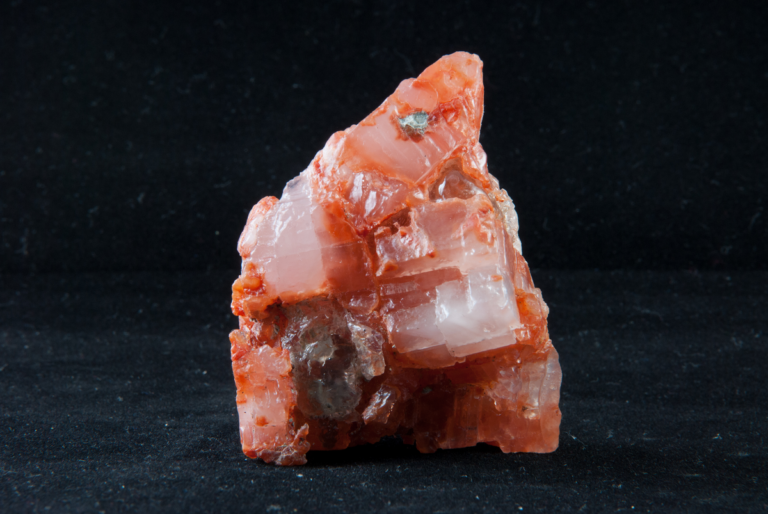
As food demand continues to grow, the global agricultural sector faces increasing pressure to enhance crop productivity, underscoring the critical importance of efficient fertilizer use. Potash, a potassium-bearing mineral, is central to this effort, playing a vital role in improving soil fertility and boosting crop yields, Mining Zimbabwe reports.

By Rudairo Mapuranga

With the global population projected to reach 9.7 billion by 2050, the demand for food—and, by extension, fertilizers like potash—is set to rise sharply.

In 2021, global potash consumption was estimated at 62.9 million tons, with the market value expected to grow significantly. Valued at around $28.4 billion in 2022, the global potash market is forecast to expand to approximately $93.5 billion by 2032, driven by the growing need for sustainable agricultural solutions. As Zimbabwe seeks to enhance its agricultural productivity and reduce reliance on fertilizer imports, the exploration and development of domestic potash reserves could position the country as a key player in the region’s agricultural and mining sectors.

Potash is one of the three critical nutrients in fertilizers, alongside nitrogen and phosphorus. It plays an essential role in plant growth by improving water retention, strengthening root systems, and enhancing resistance to disease. For Zimbabwe, where agriculture accounts for a significant portion of the country’s GDP and provides employment for millions, a reliable supply of potash could significantly improve farm productivity, especially in an era where food security is becoming a critical global concern.

As the world’s population grows, the demand for food increases exponentially. This has placed tremendous pressure on agricultural systems to produce more from less land—a challenge that could be mitigated with the effective use of fertilizers like potash.

While Zimbabwe is rich in minerals such as gold, platinum, and lithium, significant potash reserves have not yet been discovered in the country. However, ongoing exploration efforts in neighbouring southern African nations like Mozambique offer hope that potash deposits might exist within Zimbabwe’s borders as well.

Exploration for potash in Zimbabwe could potentially uncover deposits that would reduce the country’s reliance on expensive imports and strengthen its agricultural sector. The government has expressed interest in diversifying the mining industry, and potash, given its importance to food security and agriculture presents a valuable opportunity for the nation.

One challenge in Zimbabwe’s potash exploration is the lack of historical data on potash deposits. Mineral exploration in the country has traditionally focused on other resources, such as gold and platinum. However, with global demand for potash rising and countries worldwide seeking new sources of this critical mineral, it may be time for Zimbabwe to intensify exploration efforts in this area.

Government support will be crucial in promoting potash exploration. With the right incentives and investments, exploration companies could be encouraged to search for potash deposits in Zimbabwe. Success in this area could open up new opportunities for the country to become a key player in the global potash market.

Although potash has not yet been widely discovered in Zimbabwe, the potential for future exploration and discovery cannot be overlooked. As the country seeks to improve agricultural productivity and diversify its mineral wealth, potash exploration presents an exciting opportunity. Zimbabwe’s next steps should include encouraging exploration efforts, perhaps through public-private partnerships and favourable policies for mining companies, to unlock this critical resource.

As Zimbabwe’s agriculture sector continues to face challenges from climate change and a growing population, potash could become a key ingredient in boosting productivity and securing the nation’s food future.