Home Blog Page 150

PLZ Set to Launch Education-Focused CSR Objectives for 2025

0

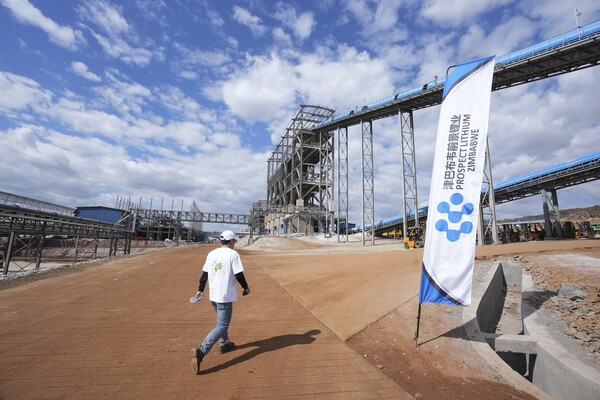
Prospect Lithium Zimbabwe (PLZ), is set to unveil its Corporate Social Responsibility (CSR) objectives for 2025. This initiative will mark one of the company’s largest efforts to date.

By Ryan Chigoche

The launch of these CSR objectives follows the company’s significant community development initiatives, including improvements at a local primary school and the construction of a road linking Majuru Township in Goromonzi to the mine.

During an event held at the company headquarters yesterday, PLZ’s Public Relations Manager, Patience Chizodza, hinted at the education-focused nature of the company’s upcoming CSR objectives. While she did not reveal extensive details, she shared some insights into the plans.

“We have already conducted community assessments in partnership with the University of Zimbabwe. Their research findings highlighted areas such as health, education, skill development, and children’s growth. We will officially launch our CSR objectives for 2025 on the 13th of December,” Chizodza said.

Over the past two years, PLZ has made significant investments in education, including a scholarship program that has benefited 70 students from 13 wards across the Goromonzi district.

At Vhuta School, where the company plans to unveil its 2025 CSR objectives, PLZ has already constructed classroom blocks and staff quarters. Additionally, other schools in the area, including Ivordale, Musirikwi, Belmont, and Mwanza, have received new furniture and textbooks as part of the company’s ongoing CSR efforts.

PLZ has also implemented a solar lighting project along the Goromonzi Road, aimed at reducing crime in the community, and is constructing a police base in Ward 13 to enhance security.

Beyond education and security, the company has been actively involved in supporting local agriculture and infrastructure development.

In 2024, one of PLZ’s major projects was the rehabilitation of the 26 km road from the Goromonzi turn-off to the mine. Addressing journalists, Chizodza confirmed that the remaining 8 km stretch of the road would be completed by the end of the year.

PLZ is a subsidiary of China’s Zhejiang Huayou Cobalt Limited, one of the world’s largest producers of lithium-ion battery materials and cobalt-based materials.

In 2021, Huayou acquired a controlling interest in Zimbabwe’s Arcadia Lithium Mine in Goromonzi from the Australian mining group Prospect Resources for USD 377.8 million.

Zimplats Smelter to Begin Processing Mimosa’s Concentrates in January – Chitando

0

Mining Zimbabwe reports that the country’s second-biggest platinum group metals (PGMs) producer, Mimosa Mining Company, will start toll processing its concentrates at Zimplats’ recently expanded smelter in January.

By Rudairo Mapuranga

During a recent site visit to Zimplats’ Selous Metallurgical Complex, Minister of Mines and Mining Development Hon. Winston Chitando confirmed that Mimosa will begin utilizing Zimplats’ smelting capacity early next year. The Zimplats smelter, which has undergone significant upgrades, will play a crucial role in processing Mimosa’s concentrates, reducing the need for external smelting services and creating additional value within Zimbabwe.

He stated that this development marks a significant step forward in local beneficiation and aligns with the government’s vision for the country to achieve upper-middle-income status by 2030.

“The Zimplats smelter’s capacity has been increased threefold, which is a major breakthrough for the platinum sector. This expansion will enable Zimplats to handle not only its own concentrates but also toll-process material from Mimosa Mining Company starting in January,” said Minister Chitando.

This move is seen as a key component of Zimbabwe’s strategy to reduce raw material exports and focus on local beneficiation, thereby increasing revenue and employment opportunities in the mining sector. By processing Mimosa’s concentrates locally, Zimplats will contribute significantly to achieving this goal while enhancing its operational efficiency.

Zimplats’ Chief Technical Officer, Amend Chiduma, explained the scale and capabilities of the new smelting infrastructure at the Selous Metallurgical Complex during the visit, stating that it is three times the previous smelting capacity.

“Our smelter has been upgraded to process 380 kilotons of material per annum, which is three times what we were previously handling. This capacity expansion allows us to not only meet our internal needs but also process concentrates from Mimosa and other producers, as necessary. It’s a game-changer for the local PGM industry,” said Chiduma.

The smelter expansion is part of Zimplats’ larger beneficiation strategy, which includes the construction of a Base Metal Refinery (BMR) that will enable the company to process base metals such as nickel, copper, and cobalt on-site. The BMR is expected to be operational soon, further enhancing Zimbabwe’s PGM industry by ensuring that more stages of production occur locally.

Minister Chitando emphasized the importance of such infrastructure investments in promoting Zimbabwe’s industrialization goals and boosting the mining sector’s contribution to the economy.

“With the increased smelting capacity at Zimplats and the imminent start of Mimosa’s toll processing, we are seeing real progress in our efforts to ensure that more value is added to our resources locally. This will positively impact revenue generation and create skilled jobs, which aligns with our mining roadmap,” he added.

Previously, PGM producers sent concentrates for smelting and other beneficiation to South Africa. Zimplats’ smelter expansion will help other mines reduce the logistics costs of transporting concentrates to South Africa and create jobs locally.

China’s Export Ban Sends Antimony Prices Soaring 40% in One Day

0

Antimony prices soared 40% on Wednesday after China on Tuesday banned exports to the United States of several critical minerals. China enforced theexisting limits on antimony, gallium, and germanium – critical minerals that have widespread military applications ahead of President-elect Donald Trump taking office next month.

“In principle, the export of gallium, germanium, antimony, and superhard materials to the United States shall not be permitted,” Chinese Commerce Ministry said.

China is the world’s largest producer of antimony, accounting for 48% of global mined output. The country’s output in 2023 clocked in at 40,000 tonnes, nearly double Tajikistan’s 21,000 tonnes while Turkey was the third largest producer with 6,000 tonnes.

Antimony is considered a strategic metal used in military applications such as ammunition, infrared missiles and nuclear weapons as well as lead-acid storage batteries used in cars and brake pads thanks to its heat resistant properties. Antimony is also widely used in the solar sector to improve transparency for the cover glass on solar cells and is also used in the screens of smartphones.

“It’s a sign of the times. The military uses of Sb (antimony) are now the tail that wags the dog. Everyone needs it for armaments so it is better to hang onto it than sell it. This will put a real squeeze on the U.S. and European militaries,” Christopher Ecclestone, a principal and mining strategist at Hallgarten & Company in London, told CNN shortly after Beijing announced the curbs on antimony exports.

Not surprisingly, shares of rare metal producers are flying: shares of Hunan Gold Corporation, one of the biggest antimony producers, have returned 64% in the year-to-date while Perpetua Resources has rocketed 270% over the timeframe.

Beijing’s latest move comes the day after Washington’slatest crackdown on China’s chip sector, marking the escalation of an ongoing trade war between the world’s two largest economies. Last year, China announcedthat it would impose restrictions on exports of eight gallium and six germanium products starting August 2023  in retaliation for U.S. imposing trade restrictions and tariffs on Chinese-made products. On August 14, Beijing tightened the noose and announced export restrictions on antimony as part of the country’s latest move to restrict critical mineral shipments.

By Alex Kimani for Oilprice.com

Mining Opportunities in Kadoma

0

Kadoma, located in Zimbabwe’s Mashonaland West province, is rich in mining potential. Known historically as a gold mining hub, Kadoma offers a wide array of mineral opportunities that extend far beyond gold.

This article delves into the key mining prospects and highlights the immense potential that the region holds for investors and industry stakeholders.

Key Minerals in Kadoma

Kadoma is home to an impressive variety of minerals, making it a strategic location for mining operations. Some of the prominent minerals found in Kadoma include:

  • Gold: Found in every district in Zimbabwe, Kadoma has a long history of gold mining, with established small-scale and large-scale operations. RioZim’s Cam and Motor Mine is located in the town. Successful small-scale miners like Mrasta, Cosy Rules and Kevie are based in Kadoma.
  • Chromium: The region is rich in chromium deposits, crucial for stainless steel production.
  • Copper: Copper reserves in Kadoma present significant opportunities for industrial applications, including electronics and construction.
  • Iron: Kadoma’s iron deposits are an essential resource for the steel manufacturing sector.
  • Kaolin: This clay mineral has numerous industrial uses, including ceramics and paper production.
  • Pyrite: Also known as “fool’s gold,” pyrite found in Kadoma has potential for sulfuric acid production.
  • Mercury: This mineral is essential in certain chemical processes, although its extraction and use require strict environmental management.
  • Limestone: Widely used in construction and industrial applications, limestone reserves in Kadoma are plentiful.
  • Magnetite: A valuable iron ore, magnetite in Kadoma can support the steel and construction industries.
  • Tungsten: With applications ranging from electronics to military equipment, Kadoma’s tungsten deposits are a lucrative resource.

Opportunities for Investment

Kadoma’s diverse mineral wealth creates a range of investment opportunities across different sectors:

  1. Mining and Processing Facilities: Developing new mining operations or expanding existing ones can help unlock the full potential of Kadoma’s mineral wealth.
  2. Value Addition: Establishing plants to process raw minerals locally could maximize economic benefits and create jobs in the region.
  3. Technology and Expertise: Kadoma presents opportunities for mining technology companies to introduce sustainable and efficient mining practices.
  4. Export Potential: With demand for minerals like gold, chromium, and tungsten growing globally, Kadoma offers a strategic position for mineral exports.

Challenges and Recommendations

While Kadoma offers vast opportunities, there are challenges that investors need to consider, such as regulatory compliance, environmental sustainability, and access to infrastructure. Strengthening public-private partnerships and adhering to sustainable mining practices will be crucial in overcoming these hurdles.

Conclusion

Kadoma’s mineral wealth positions it as a vital contributor to Zimbabwe’s mining sector. With strategic investments and sustainable practices, the region has the potential to attract global attention and contribute significantly to Zimbabwe’s economic growth. Aspiring miners and investors are encouraged to explore Kadoma’s opportunities and contribute to the development of this mining hub.

Zimplats Smelter Completed, BMR Construction Underway

0

Zimbabwe’s largest platinum group metal (PGM) producer, Zimplats, has reached a significant milestone in its value addition and beneficiation strategy with the completion of its state-of-the-art smelter at the Selous Metallurgical Complex. This facility is set to enhance the production of critical base metals such as nickel, copper, and cobalt, contributing to the country’s broader mining industry objectives, Mining Zimbabwe reports.

By Rudairo Mapuranga

During a ministerial visit led by the Minister of Mines and Mining Development, Hon. Winston Chitando, Zimplats’ Chief Technical Officer, Amend Chiduma, highlighted the operational capabilities and significance of the newly completed smelter. He emphasized that this development ushers in an era of increased local processing for Zimplats.

“We receive concentrates from our concentrators. Once the concentrates arrive here, they are wet and require drying before entering the furnace. The flash dryer, part of our advanced smelting technology, ensures efficient drying of the PGM concentrates,” Chiduma explained.

The smelter operates at 38 megawatts and boasts an annual processing capacity of 380 kilotons, tripling the company’s previous capacity. “This smelter is located adjacent to our old facility, and its furnace is among the largest globally. With this upgrade, we’ve increased our smelting capacity threefold,” Chiduma noted.

Smelting Process Details

Chiduma outlined the stages involved in the smelting process:

  • After concentrates are fed into the furnace, furnace matte is produced.
  • The matte undergoes further refinement in converters to eliminate impurities.
  • Supporting infrastructure, including cooling towers and electrical switchgear facilities, ensures seamless operations.

The completion of the smelter reduces Zimplats’ reliance on external smelting services and aligns with its strategy of maximizing local beneficiation while boosting production and export capacity.

Base Metal Refinery (BMR) Construction Progress

In addition to the smelter, Zimplats is making progress on its Base Metal Refinery (BMR), which will complete the beneficiation process by refining nickel, copper, and cobalt extracted from the smelter.

“We’ve procured all required circuits for the BMR and are now assembling and commissioning them. This will enable full beneficiation, adding value to both the company and the country,” Chiduma said.

Investment in Sulphuric Acid Production

Zimplats is also investing in an acid plant that will utilize gases emitted by the smelter to produce sulphuric acid, a key component in fertilizer production. This will support Zimbabwe’s agricultural sector by meeting growing fertilizer demands.

Significance for Zimbabwe’s Economy

The advancements at the Selous Metallurgical Complex are pivotal in Zimbabwe’s economic growth strategy, which aims to achieve upper-middle-income status by 2030. Zimplats’ investments in local beneficiation and refining processes are expected to play a critical role in industrialization and economic growth.

These developments underline Zimplats’ commitment to aligning its operations with Zimbabwe’s national economic goals, fostering both industrial and agricultural progress.

Gold Deliveries Decline Over 9% in November, Large-Scale Mines Sees Growth

0

Gold deliveries to Zimbabwe’s sole authorized buyer and exporter, Fidelity Gold Refinery (FGR), decreased by 9.65% in November compared to October, Mining Zimbabwe can report.

By Rudairo Mapuranga

In November, small-scale miners contributed 2,639.7751 kilograms of gold, a 16% decrease from the 3,143.1645 kilograms delivered in October. Large-scale miners, however, recorded a 9.94% increase, delivering 1,126.3594 kilograms in November, up from 1,024.6346 kilograms in October. Total gold deliveries for November amounted to 3,766.1345 kilograms, reflecting a decline from October’s total of 4,167.7995 kilograms.

From January to November 2024, small-scale miners delivered a cumulative total of 20,321.2496 kilograms, while large-scale miners contributed 11,706.5933 kilograms. This brought the combined total to 32,027.8429 kilograms, underscoring the dominance of small-scale miners, who account for nearly two-thirds of Zimbabwe’s gold output.

October Performance Outshines November

The November decline contrasts with October’s strong performance, where gold deliveries surged by approximately 22% compared to September. This growth was largely driven by a 30.7% increase in contributions from artisanal and small-scale miners (ASM), which reached 3,143.1649 kilograms in October. Deliveries from large-scale miners also rose modestly by 1.5% in October, totalling 1,024.6346 kilograms.

Overall, October’s total gold production climbed to 4,167.7995 kilograms from September’s 3,414.1914 kilograms. This marked an impressive month-on-month increase driven by both ASM and large-scale mining sectors.

Year-to-Date Trends and Sector Volatility

Throughout 2024, gold deliveries have demonstrated significant volatility. For example, in August, deliveries rose by about 36% from July, primarily due to a 42.7% increase in ASM contributions. Total deliveries in August reached 3,400.3442 kilograms, up from 2,495.0803 kilograms in July. Large-scale miners also saw a 10.6% rise in contributions during this period.

The second quarter of 2024 saw a notable 28% increase in gold deliveries compared to the first quarter, with ASM accounting for a 55.6% surge. This consistent performance by ASM highlights its critical role in driving Zimbabwe’s gold production, although the sector faces challenges such as rising operational costs and unfavourable government currency policies.

Challenges and Outlook

Despite November’s decline, the overall gold sector remains resilient. The year-to-date performance has outpaced previous years, but the sector faces sustainability concerns, especially among small-scale miners who are grappling with operational challenges. In 2023, gold deliveries dropped by 15% due to similar difficulties, but 2024 has shown a robust rebound.

Stakeholders in Zimbabwe’s gold industry are optimistic about sustaining production levels into 2025. Efforts to address the challenges faced by both ASM and large-scale miners, particularly through supportive policies and improved mining practices, will be crucial for the sector’s continued growth.

Gold buying prices per gram in Zimbabwe 5 December 2024

These are the official gold buying prices per gram in Zimbabwe today 5 December 2024, from the official gold buyer and exporter Fidelity Gold Refinery (FGR).

SG 90% and ABOVE US$80.47/g
SG ABOVE 85% BUT BELOW 90% US$79.62g
SG ABOVE 80% BUT BELOW 85% US$78.76/g
SG ABOVE 75% BUT BELOW 80% US$77.91/g
SAMPLE BELOW 10g BUT ABOVE 5g US$76.64/g

Fire Assay CASH $80.89/g

NB: Fire Assay cash price is for gold above 100gs, no sample is deducted.
For the Fire Assay Transfer price, a sample of not more than 10g is deducted
A 2% royalty is charged on all deposits (Small-scale miners)
A 5% royalty is set for Primary Producers

Cash available. Fidelity Gold Refinery prices will be changing daily to match world market prices.

Mining Opportunities in Hurungwe

0

Hurungwe District, located in the Mashonaland West Province of Zimbabwe, is endowed with a diverse array of minerals, making it an attractive destination for mining investment. From gemstones to industrial minerals and precious metals, Hurungwe holds untapped potential that could significantly contribute to Zimbabwe’s mining sector and economy.


Minerals Found in Hurungwe

  1. Gold
    Like every district in Zimbabwe, Hurungwe has gold deposits. This presents opportunities for both small-scale and large-scale mining ventures, catering to the ever-growing demand for this precious metal.
  2. Coal
    Hurungwe hosts coal deposits, a critical resource for energy production and industrial processes. Investment in coal mining can contribute to the district’s energy security and supply thermal power plants across Zimbabwe.
  3. Amethyst
    Amethyst, a valuable gemstone, is present in Hurungwe. This creates opportunities for artisanal and small-scale mining focused on the gemstone market, with potential for export earnings.
  4. Emeralds
    The presence of emeralds in Hurungwe positions the district as a key player in Zimbabwe’s gemstone mining sector. These high-value gemstones hold significant potential for export and jewelry manufacturing.
  5. Graphite
    Graphite deposits in Hurungwe offer opportunities to tap into the global market for this critical mineral, used in battery production, refractories, and lubricants. The increasing demand for graphite in green energy technologies makes this resource highly lucrative.
  6. Tin
    Tin mining opportunities in Hurungwe are promising, especially with the global demand for tin in electronics manufacturing. Investments in tin mining and processing can position the district as a supplier of this vital mineral.
  7. Tungsten
    Known for its high melting point and industrial applications, tungsten deposits in Hurungwe could attract investments in mining and export markets.
  8. Diatomite
    Hurungwe’s diatomite reserves are a valuable resource for the filtration, agriculture, and construction industries. This industrial mineral can be leveraged for both domestic and international markets.
  9. Beryl and Tantalum
    Hurungwe is also rich in beryl and tantalum, both used in high-tech industries such as electronics and aerospace. These minerals offer opportunities to attract investors seeking materials for high-demand technological applications.
  10. Garnet and Topaz
    Garnet and topaz, found in Hurungwe, are sought-after gemstones. These minerals present opportunities for artisanal mining and niche markets in the global jewellery industry.
  11. Sillimanite
    This industrial mineral is used in refractory and ceramic products, offering opportunities for value-added processing in Hurungwe.
  12. Kainite
    With applications in agriculture and industrial sectors, kainite deposits in Hurungwe are ripe for exploitation to support local and regional industries.

Opportunities for Investment

  • Exploration and Mining Operations: With its vast mineral resources, Hurungwe presents a prime location for exploration and mining ventures targeting both local and export markets.
  • Processing Facilities: Establishing beneficiation and value-adding facilities for minerals like graphite, tantalum, and gemstones could increase the district’s economic output.
  • Infrastructure Development: Investments in transport and energy infrastructure to support mining operations can further unlock Hurungwe’s potential.
  • Community Partnerships: Collaborative projects that involve local communities ensure inclusive growth and long-term sustainability of mining operations.

Challenges and Mitigation

While Hurungwe’s mineral wealth is promising, challenges such as lack of advanced infrastructure, fluctuating global commodity prices, and environmental concerns must be addressed. Solutions include:

  • Partnering with government bodies to streamline mining regulations.
  • Adopting sustainable mining practices to minimize environmental impact.
  • Investing in local workforce training to build mining expertise.

Hurungwe is a district rich in opportunities for mining and mineral development. Its diverse mineral portfolio, ranging from precious metals and gemstones to industrial minerals, positions it as a strategic hub for mining investments. By leveraging its resources sustainably and fostering partnerships, Hurungwe can unlock its full potential, contributing significantly to Zimbabwe’s economic growth.

Investors, miners, and stakeholders are encouraged to explore the untapped opportunities in Hurungwe and be part of its transformation into a mining powerhouse.

Chitando appoints new board members to the MMCZ Board

0

Mines and Mining Development Minister, Hon. Winston Chitando, has appointed Mrs Patricia Bwerinofa and Mrs Thandiwe Thando Mlobane to the Minerals Marketing Corporation of Zimbabwe (MMCZ) board effective November 19, 2024.

According to the MMCZ, the strategic addition is expected to enhance the board’s capacity to provide expert guidance, leveraging their combined expertise in public sector accounting and corporate governance.

As the Corporation plays a vital role in marketing and selling Zimbabwe’s minerals, this appointment is crucial for the country’s mining sector development.

More to follow…

Gold buying prices per gram in Zimbabwe 4 December 2024

These are the official gold buying prices per gram in Zimbabwe today 4 December 2024, from the official gold buyer and exporter Fidelity Gold Refinery (FGR).

SG 90% and ABOVE US$80.22/g
SG ABOVE 85% BUT BELOW 90% US$79.38g
SG ABOVE 80% BUT BELOW 85% US$78.53/g
SG ABOVE 75% BUT BELOW 80% US$77.68/g
SAMPLE BELOW 10g BUT ABOVE 5g US$76.40/g

Fire Assay CASH $80.65/g

NB: Fire Assay cash price is for gold above 100gs, no sample is deducted.
For the Fire Assay Transfer price, a sample of not more than 10g is deducted
A 2% royalty is charged on all deposits (Small-scale miners)
A 5% royalty is set for Primary Producers

Cash available. Fidelity Gold Refinery prices will be changing daily to match world market prices.