Home Blog Page 183

Parliament Lauds Mining Village at Harare Agriculture Show

0

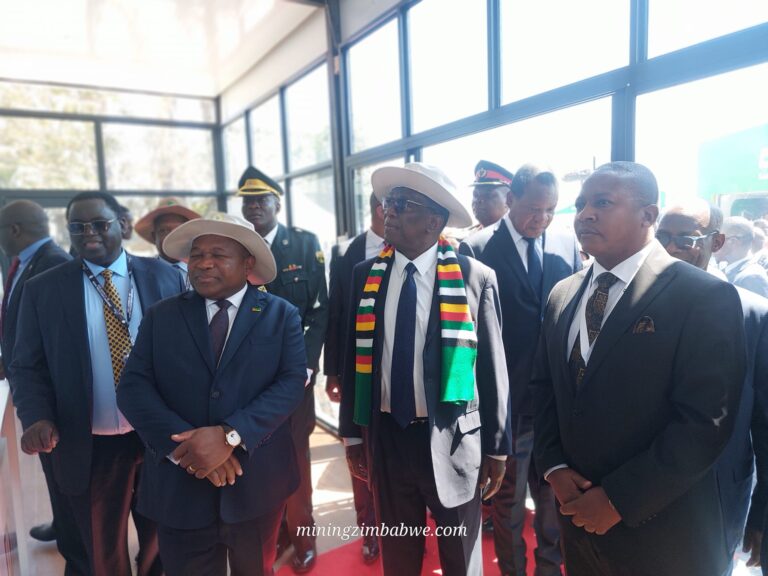
The Parliamentary Portfolio Committee on Mines and Mining Development, chaired by Hon. Remigious Matangira, has expressed admiration for the mining village at the 114th edition of the Harare Agriculture Show.

By Rudairo Mapuranga

Hon. Matangira urged more mining companies to showcase their corporate social responsibility (CSR) goals and strategies at such exhibitions.

This year’s show features three prominent mining companies—Mimosa Mining Company, Zimplats, and the Zimbabwe Diamond Consolidated Company (ZCDC)—all of which are highlighting their CSR initiatives, particularly those related to agriculture.

On Tuesday, Mozambique’s President Filipe Nyusi officially opened the 114th edition of the Zimbabwe Agricultural Show (ZAS). Running from Monday until Saturday at the Exhibition Park in Harare, this year’s event, themed “Cultivating Prosperity: Growing Business. Innovating for Change. Nurturing Our Future,” is expected to attract over 200,000 visitors.

Hon. Matangira commended the mining village at ZAS, describing it as highly impressive. He called on companies to maintain the momentum and encourage others to showcase their work, particularly in agriculture.

“To be very honest, this is very impressive. I did not expect this, especially given the decline in base mineral prices. I was pleasantly surprised by the strength displayed by our Platinum Group Metals (PGMs) miners. It’s very positive. We have visited the ZCDC stand, a diamond company, as well as Mimosa, Zimplats, and, of course, the Ministry of Mines,” Matangira said.

He emphasized the importance of maintaining this momentum and encouraging broader participation from the mining sector.

“More companies should be motivated to exhibit. For example, we anticipated participation from Freda Rebecca in the gold sector and Blanket Mine, owned by Caledonia Mining Corporation.”

Hon. Matangira further highlighted that mining companies’ participation in the Agriculture Show helps market Zimbabwe as a brand, showcasing the country’s potential and attracting investment.

“We want to market Zimbabwe because our President, His Excellency E.D. Mnangagwa, has declared that Zimbabwe is open for business. We have faced challenges like the El Niño phenomenon, so now we rely heavily on mining. The mining sector, supported by initiatives like this, showcases what Zimbabwe has to offer, helping to attract more investors to the country,” Matangira said.

How Zimbabwe’s Mining Sector is Empowering Communities Through Agriculture

0

Mining companies in Zimbabwe are increasingly integrating agricultural initiatives into their corporate social responsibility strategies, reflecting a growing commitment to sustainable community development, according to the Deputy Minister of Mines and Mining Development, Engineer Polite Kambamura.

By Rudairo Mapuranga

Speaking to Mining Zimbabwe at the Harare Agriculture Showgrounds on Wednesday, Dr Kambamura highlighted that by partnering with local farmers, mining companies such as Mimosa and Zimplats—currently exhibiting at the ongoing Harare Agriculture Show—are helping to build sustainable livelihoods. These efforts include initiatives like cattle rearing, the establishment of small industries, nutritional gardens, and dairy farming.

The Deputy Minister emphasized that this approach not only improves community welfare but also ensures that the positive impacts of mining continue to benefit communities long after mineral resources have been exhausted.

“If you observe what mining companies are doing, you may think that they are now diversifying into farming. Mining companies have partnered with farmers in a way to empower them.

“This way, even though people in our communities may not physically see the mineral, they can appreciate what mining companies are doing for the communities around them,” Dr Kambamura stated.

Drawing a parallel with Botswana’s diamond industry, where the discovery of diamonds in 1969 at Orapa significantly improved infrastructure and living standards—despite many locals never seeing the diamonds—Dr. Kambamura noted that Zimbabwe’s mining sector aims to leave a similar legacy.

“Diamonds were discovered in Botswana in 1969 at Orapa. Since then, very few people in Botswana have seen the diamonds, but they appreciate what the diamond industry has done for their country. It’s the only mineral that has been mined for the past 40 or so years. This mineral has managed to build infrastructure, roads, and more. Similarly, the diamond industry has changed lives in Botswana, just as we are working to change the Zimbabwean mining sector. Beyond just seeing the mineral, like platinum, the miners have gone further into the community to empower people through agriculture,” he said.

Dr. Kambamura also underscored the importance of mining companies engaging with farmers and conducting environmental impact assessments to ensure their operations support rather than harm local agriculture.

“This approach emphasizes the importance of developing projects that sustain communities and improve the quality of life for future generations, long after the mining activities have ceased.

“We have seen people being empowered through building up their cattle herds, setting up small industries, and establishing nutritional gardens. People are also being empowered through dairy farming. What we need to know is that after mining, there should be enough evidence for future generations to see that once upon a time, there was platinum in Zimbabwe, and this is the result. This is what we are benefiting from now.

“In the future, even if the resources are depleted, future generations should still be able to see the impact. This is what the mining sector is doing—they’ve diversified into farming so that their corporate responsibility is focused on people and can sustain communities. That’s why the mining companies are exhibiting here.

“It’s no longer just about mining; it’s about the people and the communities where minerals are found. When mining companies develop corporate responsibility projects, they engage the communities around them, especially farmers. These communities are the ones who come up with sustainable projects for their areas. They also identify issues that may negatively impact their farming operations.

“Before any mining begins, there is an environmental impact assessment done to determine if there will be any negative effects on farmers, particularly those in the surrounding areas.

“It’s about engagement and re-engagement with our farmers and farming communities. Farmers are being empowered through dairy farming and crop farming. For example, a mining company might set up a dam for its own benefit, drawing water for its use. Farmers around the area are also engaged and given the chance to use that water for farming in the surrounding mining areas,” he explained.

Ferrochrome Miners Commence 300 MW Power Project

0

In response to the government’s call for increased self-reliance in energy production, ferrochrome miners in Zimbabwe are embarking on a major power initiative. Ferrochrome companies, which have historically benefited from relatively low tariffs, are now investing in their own power generation. This move aims to address the sector’s high energy demands and reduce dependency on the national grid.

by Ryan Chigoche

Construction has begun on a significant 300 MW thermal power project in Hwange, with the first 100 MW expected to come online by mid-2025. Additionally, a new 720 MW thermal power station will commence construction this quarter, designed to supply both self-generated power and additional electricity to other ferrochrome companies. ZESA Chairman Sidney Gata said in a statement, “Construction work has already started at one site targeting to produce 300 MW of thermal power in Hwange, with the first 100 MW coming on stream by mid-2025. Construction work will commence this Q3 on a 720 MW thermal power station by one of the ferrochrome companies for self-supply and supply to other ferrochrome companies.”

The Hwange Power Station is also undergoing a major upgrade through its Repowering Programme, with a US$800 million investment aimed at enhancing the station’s capacity and reliability. This initiative will upgrade Units 1 to 6, extending their operational life by 15 to 20 years. The completion of the Unit 5 upgrade is scheduled for April 2025, aligning with peak winter demand periods.

Power costs have become a significant concern for Zimbabwean miners, particularly after a 40% tariff increase last year. For many mining companies, electricity constitutes about 20% of their operational costs. Ferrochrome producers, in particular, have felt the impact, as they are among the highest energy users. Zimasco, a major player in the industry, has faced frequent plant shutdowns due to disputes with ZESA, exacerbated by falling global ferrochrome prices. In response, Zimasco has announced plans to build a 100 MW solar plant near its Kwekwe facility. Other ferrochrome miners, including Jinan-Almid and Titan Power, are also investing in power generation projects.

ZESA is not only supporting these initiatives but is also advancing its own solar power projects. With studies for sites totalling 400 MW nearing the bankability stage, ZESA plans to develop these through various partnerships.

However, ZESA faces a significant power supply shortfall, particularly during peak winter periods, with a gap of up to 540 MW. The utility’s total power supply averages 1,310 MW, against a peak demand of 1,850 MW. Recent technical issues, including a fault at Hwange Power Station Unit 8, have further strained the system. To address the shortfall, ZESA is importing power from regional utilities and engaging in the SAPP Day Ahead Market, though reduced import capacity and significant arrears over ZIG 5.7 billion have complicated these efforts. In response, ZESA has also been exporting electricity during non-peak hours to generate revenue and meet financial obligations.

The ferrochrome industry’s investment in power generation reflects a broader trend of resource-intensive industries in Zimbabwe seeking greater energy independence amid ongoing challenges in the national power sector.

Zimplats Set to Commission 35MW Solar Plant

0

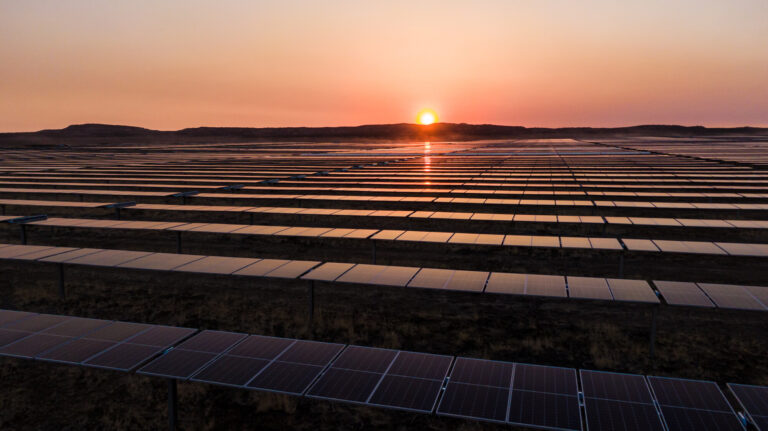
Zimbabwe’s largest platinum group metals (PGM) producer, Zimplats, is gearing up to commission its 35MW solar power plant in the first quarter of the group’s 2025 financial year, Mining Zimbabwe can report.

By Patricia Rwafa

The 35MW solar plant marks the initial phase of Zimplats’ ambitious plan to develop a total of 185MW of solar capacity, in alignment with the company’s commitment to sustainable energy use.

According to Zimplats’ fourth-quarter financial report for the 2024 fiscal year, the company has already invested US$36 million in the 35MW solar project, just shy of the US$37 million budgeted for the initiative.

This project represents the first of four phases that will ultimately expand Zimplats’ solar power generation capacity to an impressive 185MW.

“US$36 million has been spent on the implementation of the 35MW solar plant project against a budget of US$37 million. The solar plant will be commissioned in the first quarter of FY2025,” the Zimplats report reads in part.

The commissioning of the 35MW solar plant comes at a crucial time for Zimbabwe’s energy sector, where electricity demand from the mining industry has surged to 2,600MW—far exceeding the 1,200MW currently produced by the national grid.

The situation has been exacerbated by issues with Unit 8 of the Hwange Units 7 and 8 project, which cost $1.5 billion but is now producing less than 700MW. This shortfall has intensified the country’s power crisis, driving companies like Zimplats to pursue self-sufficient power solutions to avoid operational disruptions due to severe power cuts.

The construction of the 35MW solar plant is currently 86% complete and follows the earlier success of Caledonia’s 12MW solar plant, which now meets approximately 30% of that company’s power demand.

The successful commissioning of the 35MW solar plant in early 2025 will be a significant milestone for both Zimplats and the broader Zimbabwean energy landscape. By leading the way in sustainable and self-reliant energy solutions, Zimplats is poised to inspire other industries to adopt similar strategies, contributing to the long-term resilience and prosperity of Zimbabwe’s economy.

In addition to its solar power initiatives, Zimplats has also made strides in improving its water use practices. The company reported a decrease in the use of recycled water, from 44% to 39% in FY2024, due to below-normal rainfall associated with the El Niño-induced drought. To augment water supplies, Zimplats increased the volume of water abstracted from dams and underground sources by 15% compared to the previous reporting period.

Furthermore, Zimplats has continued its commitment to sustainability by rehabilitating its open-pit working areas, with 9.1 hectares of land restored during the period, consistent with previous efforts. Additionally, a 1.2-hectare area of the tailings storage facilities was re-vegetated as part of the company’s ongoing concurrent rehabilitation program.

Mimosa Invests Over US$2 Million in Community Development

0

Zimbabwe’s second-largest platinum group metals (PGM) producer, Mimosa Mining Company, has contributed US$2,035,528 towards community development projects, Mining Zimbabwe has learnt.

By Rudairo Mapuranga

According to Mimosa‘s 2023 Environmental, Social, and Governance (ESG) report, the company continues to make substantial investments in infrastructure development within the areas of health, education, water, and sanitation, underscoring its commitment to fostering mutually beneficial relationships with local communities.

“Our current focus is on prioritizing projects with sustainable outcomes, such as our livestock revitalization program and Mtshingwe Nursery projects,” the ESG report states.

In the education sector, Mimosa donated US$233,536 to Dadaya Primary School and Shonhayi Secondary School. The funds were used to support the development of learning infrastructure, including the construction and equipping of ablution facilities, classroom blocks, fencing materials, and prize-giving awards, all aimed at creating a conducive learning environment.

In the health sector, Mimosa invested US$942,323 in Mberengwa District Hospital and Masvingo Provincial Hospital. The funds were allocated for the improvement of medical facilities, including the construction and equipping of a mortuary, a female ward laundry facility, and a theatre.

In the agricultural sector, the report highlights that Mimosa invested US$648,315 in the Mberengwa, Zvishavane, and Mtshingwe communities. These funds were directed towards supporting cattle breeding programs, providing nutritional community garden infrastructure, and offering nursery training to enhance production and livelihoods. The initiatives included the provision of bulls, heifers, semen straws for artificial insemination, and garden infrastructure.

Mimosa also invested US$151,026 in nutritional support for vulnerable groups. Beneficiaries included Manhinga Children’s Home, Copota School of the Blind, Jairos Jiri, ZPHCA – Handicapped Children, Ruvimbo School of the Disabled, and Isheanesu Multi-Purpose Centre for the Disabled. The funds were used to improve access to nutritional foods for disabled individuals and those in vulnerable situations.

In Zvishavane, Mimosa contributed US$60,328 towards water and sanitation projects. This investment focused on improving access to clean water through the drilling and installation of boreholes.

Zimbabwe gold buying prices per gram 27 August 2024

Fidelity Gold Refinery (FGR) official gold buying prices/ gram. See the Zimbabwe gold buying prices per gram today 27 August 2024.

SG 90% and ABOVE US$76.29/g
SG ABOVE 85% BUT BELOW 90% US$75.48g
SG ABOVE 80% BUT BELOW 85% US$74.68/g
SG ABOVE 75% BUT BELOW 80% US$73.87/g
SAMPLE BELOW 10g BUT ABOVE 5g US$72.66g

Fire Assay CASH $76.70/g

NB: Fire Assay cash price is for gold above 100gs, no sample is deducted.
For the Fire Assay Transfer price, a sample of not more than 10g is deducted
A 2% royalty is charged on all deposits (Small-scale miners)
A 5% royalty is set for Primary Producers

Cash available. Fidelity Gold Refinery prices will be changing daily to match world market prices.

Unki First to Achieve IRMA 75 Rating, Completes Surveillance Audit

0

Anglo-American Platinum (Amplats) – owned Unki Mine, the country’s third-largest platinum group metals (PGM) producer, has set a global benchmark by becoming the first mine to achieve the Initiative for Responsible Mining Assurance (IRMA) 75 Rating and complete the IRMA Surveillance Audit, Mining Zimbabwe can report.

By Rudairo Mapuranga

According to Amplats’ Climate Change Report for 2023, Unki Mine was the first mine in the world to publicly commit to being independently audited against the IRMA Standard. It was also the first mine in Africa to complete the review, achieving the IRMA 75 Rating in the process.

The report further states that in 2022, Unki became the first mine in the world to undergo an IRMA Surveillance Audit.

“Our Unki PGMs mine in Zimbabwe was the first mine in the world to publicly commit to being independently audited against the IRMA Standard and the first mine in Africa to complete the review, which was verified by a third-party assessor. Unki has achieved the IRMA 75 Rating. In 2022, Unki also became the first mine in the world to undergo an IRMA Surveillance Audit,” the report reads in part.

The Initiative for Responsible Mining Assurance (IRMA) responds to the global demand for more socially and environmentally responsible mining.

IRMA offers truly independent assessments against a comprehensive standard for all mined materials, providing ‘one-stop coverage’ of the full range of issues related to the impacts of industrial-scale mines.

The organization envisions a world where the mining industry respects the human rights and aspirations of affected communities, provides safe, healthy, and supportive workplaces, minimizes harm to the environment, and leaves positive legacies.

IRMA’s mission is to protect people and the environment directly affected by mining. They achieve this by creating financial value for mines that are independently verified to achieve best practices and by sharing this value with the businesses that purchase material from these mines.

Ban All Foreign Small-Scale Gold Mining in Zimbabwe

0

While Zimbabwe is actively seeking investment in the mining industry to drive economic growth and achieve the Vision 2030 goals, there has been a strong call from miners and leaders alike for responsible investment, Mining Zimbabwe can report.

By Rudairo Mapuranga and Ryan Chigoche

The mining sector, particularly the gold industry, has seen an influx of foreign investors, with the majority, especially from China, investing in the artisanal and small-scale mining (ASM) sector.

Zimbabweans have expressed concerns about the involvement of foreign investors in this sector, which they believe should be reserved only for local small-scale miners.

According to Zimbabwe Miners Federation (ZMF) Mashonaland West Province Chairman Timothy Chizuzu, foreigners should not be allowed anywhere near small-scale mining. Instead, they should focus on exploration and ensure that their mining operations are world-class, allowing junior mining professionals to gain valuable experience from the activities taking place.

He emphasized that as the country strives to ensure that small-scale miners operate responsibly, it should not add another group to the sector that might leave the country with the negative consequences of their mining activities rather than benefits.

“I strongly believe that small-scale mining should be reserved for citizens of this country, not foreigners. While it’s more acceptable to witness our own citizens mining and perhaps struggling with land management, it is deeply concerning to see foreign entities mining irresponsibly, degrading our land, and leaving behind unrehabilitated pits that could cause lasting harm. Often, these foreign operators disappear, leaving us with the consequences.

“Foreigners should be responsible investors, beginning with exploration. This not only involves employing geologists and surveyors, thus increasing their experience but also contributes to our economy as they stay in our hotels and spend money locally. When they move to the mining stage, it should be done in a proper, world-class manner. This approach will create jobs for our people, including professional roles such as mining engineers, geologists, environmental scientists, and other experts, rather than the haphazard operations often seen in small-scale mining, where everything is guesswork,” Chizuzu said.

ZMF CEO Wellington Takavarasha also told Mining Zimbabwe that foreigners should not be allowed to peg land below 20 hectares, as this can lead to disputes with other small miners.

He suggested that specific areas should be designated for investors, which would require the government to invest heavily in exploration.

“What we presented to the minister, the cabinet, and especially the parliamentary portfolio on mining is that we should never allow foreigners to come and take 10 or 20 hectares, leading to disputes like the ones we see with the Chinese over 10 hectares. There should be areas specifically designated for investors.

“That’s why now when you register with the Ministry of Mines, you can’t proceed without the proper Zimbabwe Investment and Development Agency (ZIDA) papers. You can’t buy a prospecting license or start any operations unless you have proven to the government that you are serious. Being serious means showing that you have obtained a Zimbabwe Investment Licence through ZIDA,” Takavarasha said.

He further stated that foreigners intending to mine in Zimbabwe should invest a minimum of US$2 million to demonstrate that they are serious investors who understand that mining is a risky and capital-intensive business requiring significant investment.

“The Zimbabwe Investment Licence should indicate your intention to reinvest in the country, whether it’s $2 million or $5 million. It should specify the area you’ll be operating in, such as mining in Chinhoyi or Makaha, and the amount of equipment you’ll bring in,” he said.

Takavarasha also noted that for foreign investors to engage in the small-scale industry, they should partner with local small-scale miners to elevate the sector to world-class standards.

“So, those who come in unprepared will find it difficult. What we really want is for foreigners to partner with small-scale miners, forming joint ventures to help small-scale miners grow—from artisanal to small-scale, then to medium-scale, and eventually to becoming large-scale miners.

“Investment is certainly welcome, but we do not want small districts with small-scale miners over a 10-hectare area when larger investments are possible. Investors should focus on areas that are not conflicted. We’ve also proposed that specific regions be demarcated for small-scale miners, so when large mining operations are planned, they won’t interfere with or take over land in those areas,” Takavarasha said.

Most foreign-owned operations in the small-scale sector are poorly regulated, particularly regarding environmental standards and the negative impact on surrounding communities. Reports indicate that foreign-owned small-scale mines often fail to report toxic mining waste accurately. By restricting foreign investors to large-scale operations and enforcing stringent regulations, the government can more easily monitor their activities.

According to Young Miners Foundation CEO Mr. Payne Farai Kupfuwa, the country should welcome investors who bring development, growth, and technological expertise, not those who simply replicate what locals are already doing—and often doing so even less effectively.

“Going forward, as a country, and in light of the future of mining, we need to evaluate our so-called investors who are coming in to replicate ASM operations, including those from our all-weather friends from China, as well as from India, Pakistan, and other nations.

“Our minerals are depletable, so we must reflect as we progress. As it stands, our Indigenous artisanal and small-scale miners are performing much better, albeit with significant challenges, compared to those who are well-advanced in areas such as technology, machinery, and access to capital.

“We need investors who will bring growth to our country, our communities, and our people through knowledge transfer. But what’s happening on the ground is problematic. Locals employed by these foreign investors are subjected to the same mining methods used by our locals, with no new or innovative techniques being introduced,” he said.

Foreign Smuggling

Chinese involvement in Zimbabwe’s small-scale gold mining sector is closely linked to the rampant smuggling of gold, undermining the country’s economy and contributing to the loss of valuable foreign exchange earnings. Smuggling has become a significant issue, with an estimated US$1.5 billion worth of gold being smuggled out of Zimbabwe annually, according to the International Crisis Group. Chinese miners and their local partners are often implicated in this illicit trade, which involves both informal channels and well-organized criminal networks.
Recently, Two Harare-based Chinese miners were nabbed by Zambian authorities in possession of 29.9 kg of gold and US$200,000 a development that highlighted that the smuggling of gold may be happening at a much larger scale than originally thought. Zimbabwe produces about 100 tons of gold annually, with 70% of that amount being smuggled, while the remaining 30% is sold through official channels.

Factors Driving the Smuggling of Gold

Offtake Agreements with Chinese Companies

Chinese nationals involved in smuggling minerals from Zimbabwe often face hurdles due to the country’s stringent export regulations. These miners usually arrive in Zimbabwe with offtake agreements with China-based companies for the delivery of gold. However, they encounter significant difficulties complying with Zimbabwe’s complex export procedures. As a result, many opt to smuggle the gold into Zambia, which offers export permits that facilitate much easier legal exports of the minerals. These permits allow smugglers to fulfil their agreements with buyers abroad while effectively circumventing Zimbabwe’s regulatory framework. This situation underscores the need for enhanced regional cooperation to combat such illicit practices.

Evading Zimbabwe’s Taxes and Levies

Chinese nationals smuggling minerals from Zimbabwe not only navigate complex export regulations but also seek to evade significant taxes imposed by the Zimbabwean government. High tax rates and stringent financial controls present a substantial financial burden. To circumvent these costs and maximize profits, many turn to smuggling gold into Zambia. Zimbabwe imposes an export levy on gold exports, typically around 5% of the value of the gold, and miners are required to pay a 5% royalty on their production as per Zimbabwe Revenue Authority (ZIMRA) guidelines. Furthermore, mining companies face a 24.72% corporate tax on profits, which adds to the overall tax burden. It was only recently that authorities removed the 15% VAT on gold exports, yet miners are still calling for further relaxation of these taxes.

Corruption and Weak Regulation

Corruption among law enforcement and mining authorities has facilitated rampant smuggling. Chinese miners, often working with local elites, have bypassed regulatory oversight, allowing them to operate illegal mines and smuggle gold with little consequence. Bribes and kickbacks ensure that smuggling operations continue unhindered, weakening Zimbabwe’s ability to curb the illicit trade.

A 2020 report by Al Jazeera’s Investigative Unit uncovered a network of gold smugglers in Zimbabwe, with Chinese nationals among those implicated. The report highlighted the deep-rooted corruption within Zimbabwe’s gold sector, where government officials were paid off to allow smuggling operations to flourish. This has had a detrimental impact on Zimbabwe’s efforts to formalize the mining sector and ensure that gold revenues benefit the country.

Meanwhile, the Chinese in their operations typically partner with locals. The gold mined by Chinese operators and their Zimbabwean partners is often sold through unofficial channels, bypassing the Zimbabwean government’s official gold-buying entity.

As a result, Chinese involvement in small-scale mining, particularly through partnerships with local operators, has intensified the scale of gold smuggling. With their financial resources and machinery, Chinese miners can extract gold more efficiently than local artisanal miners. However, the lucrative black market for gold incentivizes illegal trading, where Chinese miners and middlemen are involved in smuggling gold out of the country, often with the help of corrupt officials and border authorities.

Investigations by local watchdogs, such as ZELA, have revealed that some Chinese small-scale mining operations are linked to organized smuggling rings that transport gold across Zimbabwe’s porous borders. In 2021, several Chinese miners in areas like Kwekwe and Mazowe were reported to be working with local criminal networks to smuggle gold through unmonitored routes into Mozambique and South Africa, where it is sold for hard currency.

Economic Impact of Rampant Gold Smuggling

Gold smuggling has severely affected Zimbabwe’s economy, depriving the country of much-needed foreign currency. With the official channels undermined by the black market, Zimbabwe loses out on revenue that could have supported public services, infrastructure, and economic development. The illicit trade is one of the primary reasons why Zimbabwe’s gold production figures are significantly lower than expected, despite the increasing presence of Chinese and other foreign investors in the mining sector.

Conclusion

While Zimbabwe is eager to attract foreign investment to bolster its economy and achieve its 2030 vision, the small-scale mining sector must remain the preserve of its citizens.

Allowing foreign entities to dominate this space not only risks environmental degradation and community displacement but also undermines the potential for local empowerment, employment creation, and poverty alleviation.

The government must enforce strict regulations that ensure foreign investors contribute to the country’s long-term development, starting with exploration and transitioning to responsible, world-class mining operations.

By reserving small-scale mining for locals and carefully evaluating foreign investments, Zimbabwe can safeguard its resources, protect its communities, and ensure that its mineral wealth benefits its people first and foremost. Besides it’s likely Zimbabweans will spend their earned monies locally rather than a foreign investor who will plunder minerals and take proceeds leaving us with nothing but degradation.


Caledonia Invests Over US$1.5 Million in Community Projects

0

Victoria Falls Stock Exchange-listed gold miner Caledonia Mining Corporation invested over US$1.5 million in community projects last year, marking a 67 per cent increase from the previous year’s investment, Mining Zimbabwe has learnt.

By Rudairo Mapuranga

According to Caledonia Mining Corporation’s Environmental, Social, and Governance (ESG) report for 2023, the gold-focused mining company allocated the funds across seven identified strategic community investment themes or pillars, aligned with the Sustainable Development Goals (SDGs). These initiatives aim to catalyze development, foster a vibrant and self-sufficient economy, and drive socioeconomic upliftment.

“As part of our community engagement process and our commitment to sharing benefits with our local community, each year we make significant investments across seven identified strategic community investment themes or pillars aligned with the SDGs to catalyze development, encourage the growth of a vibrant, self-sufficient economy, and drive socioeconomic upliftment. In total, we invested more than US$1.5 million across these strategic pillars during 2023,” the ESG report reads in part.

According to the report, US$437,500 was invested in education, reflecting Caledonia’s commitment to nurturing future generations. The funds were used to build new school infrastructure, provide scholarships to underprivileged students, and enhance teacher training programs. This initiative aimed to improve the quality of education and increase access to learning opportunities for children in the surrounding communities.

Meanwhile, US$261,500 was invested in health, focusing on upgrading local health facilities, including the provision of medical equipment and the refurbishment of clinics. The funds also supported health outreach programs, providing essential medical services to remote areas and improving maternal and child health care. These efforts were critical in enhancing the overall health and well-being of the community.

The report also states that US$40,100 was invested in agricultural projects to support food security and income generation. The investment facilitated the introduction of modern farming techniques, the establishment of community gardens, and the provision of seeds and fertilizers. These initiatives were designed to empower local farmers, increase crop yields, and reduce dependency on external food sources.

Additionally, US$147,000 was invested in women and youth empowerment, aimed at creating opportunities for economic independence and skill development. The funds supported vocational training programs, entrepreneurship workshops, and small business grants. These initiatives targeted increasing the participation of women and youth in the local economy, fostering self-reliance, and reducing unemployment rates.

Furthermore, US$179,300 was invested in environmental initiatives, focusing on promoting sustainable practices and conservation efforts. This included funding reforestation projects, community awareness campaigns on environmental protection, and the implementation of waste management programs. The goal was to minimize the environmental impact of mining activities and promote long-term ecological balance.

US$112,600 was invested in conservation efforts, including protecting wildlife habitats and supporting local conservation organizations. The funds were also used to implement anti-poaching measures and promote eco-friendly tourism, which not only helps in conservation but also provides alternative livelihoods for the local population.

US$88,600 was invested in charitable initiatives, directed towards supporting vulnerable groups in the community. The investment provided assistance to orphanages, elderly care centres, and families affected by natural disasters. The company also funded community-driven initiatives aimed at improving living conditions and providing immediate relief to those in need.

An additional US$337,400 was invested in community investment pillars and events, allocated towards administrative support and community engagement activities. These investments ensured the smooth execution of community projects and fostered community engagement through cultural and social events that brought people together and reinforced the sense of community.

Zimbabwe gold buying prices per gram 26 August 2024

Fidelity Gold Refinery (FGR) official gold buying prices/ gram. See the Zimbabwe gold buying prices per gram today 26 August 2024.

SG 90% and ABOVE US$76.29/g
SG ABOVE 85% BUT BELOW 90% US$75.48g
SG ABOVE 80% BUT BELOW 85% US$74.68/g
SG ABOVE 75% BUT BELOW 80% US$73.87/g
SAMPLE BELOW 10g BUT ABOVE 5g US$72.66g

Fire Assay CASH $76.70/g

NB: Fire Assay cash price is for gold above 100gs, no sample is deducted.
For the Fire Assay Transfer price, a sample of not more than 10g is deducted
A 2% royalty is charged on all deposits (Small-scale miners)
A 5% royalty is set for Primary Producers

Cash available. Fidelity Gold Refinery prices will be changing daily to match world market prices.