Home Blog Page 258

Foundry retooling and effects of sanctions

0

In an endeavor to achieve the upper middle-income economy vision by 2030, Zimbabwe has been emphasizing the Metal Casting industry’s retooling, adoption of new technologies and fostering innovation, which is a pillar of industrialization.

The country’s value addition and beneficiation drive focus has been to harness new technologies and drive import substitution, placing the foundry industry at the forefront of the national development agenda. However, economic sanctions on the country seem to have been a stumbling block to the total retooling of the foundry industry.

Are sanctions the reason for the decline of the industry?

According to former Zimbabwe Institute of Foundry (ZIF) President Mr Itai Zaba, sanctions have been a stumbling block in metal foundry retooling.

Zaba also said that the country is also considered high risk due to the lack of trust in governance systems and programs.

“The sanctions are a real stumbling block in lines of credit and international business deals. In my view and experience, the international perception of the country is that of high risk and a lack of trust in our systems and programs,” Zaba said.

Andrew McFarlane said despite sanctions being a major stumbling block to retooling, lack of consistency and clarity on policy has also been a reason for the decline in the sector.

“The sanctions have affected the economy of Zimbabwe in a serious way. The sanctions themselves are not the root of the decline in economic activity of the country,” McFarlane said.

What should the government do to ensure the foundries grow regardless of the sanctions?

The critical need for retooling initiatives emphasizes the importance of forging partnerships with financial institutions to secure funding for sectoral development.

The government should ensure that the sector gets enough funding and that policy provisions are put in place for the sector to survive despite hostile international relations.

According to Zaba, the government should give new players in the foundry industry incentives to operate without a host of policies and taxes affecting their operations.

“The government should set up a revolving fund to support retooling, import substitution, and exports generation by our foundries. At the moment, we are being left alone in financing our way through a very difficult operating environment. I also plead that the government reduces the barriers to entry into the sector by waiving or eliminating some statutory requirements for startups. It would be helpful if we could agree to an incubation period before the stringent requirements currently in place are enforced,” he said.

McFarlane said the government was to ensure that the country’s economy is market-free and that the currency is freely floating and tradable and guarantee other freedoms in the economy for the foundry to thrive.

“The challenge for the government regardless of the sanctions is to attract highly skilled people with high GDP per capita to the country again. This can only be done by guaranteeing various freedoms one finds in free market economies. Low-skilled or low GDP per capita individuals do not drive economic growth and thus won’t cause foundry sector growth,” he said.

What should the foundry sector themselves do to help realize the government’s vision for growth?

The former ZIF President said, “The foundry sector should implement good corporate governance, programs for environmental compliance, quality management systems, and scheduled import substitution and export enhancement programs.”

However, according to McFarlane, there is not much the foundry can do when the government is not laying out a conducive environment for businesses to grow.

“I don’t think the foundry sector can do much as the skills required are high and these are leaving Zimbabwe,” he said.

What did the Rhodesian government do to grow despite having UN sanctions that our current can still do?

According to Zaba, the Rhodesian government was open to ideas from the sectors affected and ensured that they grew in a free-market space. He said there was a continuous engagement between the sector and the government leading to production success.

“They worked closely with the Chamber of Commerce and the industrialists to create home-grown solutions which included import substitution and employment creation. If my research serves me right entities such as RISCOM (now ZISCO) and Rhodesia Railways (now NRZ) picked in performance during the UDI and the pre-independence sanctions period. Let’s have continuous rapport between the government and the foundry sector as well as the general manufacturing sector in order to work together and monitor each other towards Vision 2030.

“International sanctions gave a second boost to industrialization in the 60s and early 70s and these same sanctions forced a liberal free market UDI government to become very interventionist in assistance to the industry,” Zaba said.

McFarlane added on, saying that the Rhodesian government due to their open-door policies attracted skilled individuals who managed to help with ideas for economic growth.

“I think the Rhodesian government attracted these high-skilled individuals and ensured the skills remained in the country. There may be other things despite the poor treatment of black Zimbabweans.

Gvt to introduce mining extension services to monitor operations

0

In an effort to ensure safety standards, responsible mining and sustainable mining development in Artisanal and Small-scale Mining (ASM) the government is going to introduce mining extension services to monitor mining operations closely, Minister of Mines and Mining Development Hon Zhemu Soda said.

Rudairo Mapuranga

According to Hon Soda, safety is of concern in the ASM sector therefore the government was prepared to take necessary measures to promote safety and responsible mining as part of the government agenda to adopt and promote issues to do with Environment, Social and Governance (ESG).

Soda said the government is already carrying out Safety, Health and Environment (SHE) awareness campaigns to promote responsible mining at the same time carrying out regular inspections to check for compliance.

He said gold service centres would also be introduced where there will be shared resources in terms of human capital providing technical know-how to surrounding operating mines.

“The government carries out regular SHE awareness campaigns, promotes responsible mining methods and carries out regular inspections to check for compliance with safety standards as well as enforcement of such standards. Going forward, the government is targeting the formalisation of the small-scale mining sector to enhance the environmental, social and governance framework for this important sector. The government will also introduce mining extension services to closely monitor mining operations. Gold Service Centres will also be introduced where there will be shared resources in terms of human capital providing technical know-how to surrounding operating mines, enhancing the visibility of government at mining operations. The Government will periodically issue precautionary statements in the media as a measure to increase safety awareness and encourage responsible mining,” Hon Soda said.

Official figures show that, in 2019, 116 accidents occurred resulting in 182 fatalities, in 2020, 158 accidents occurred resulting in 161 fatalities, in 2021, 121 accidents occurred resulting in 139 fatalities, and in 2022, 170 accidents occurred resulting in 185 fatalities.

These statistics also show that one miner died every week on average over the past five years, 185 were killed over the year 2022 indicates a persistent trend. These statistics indicate that the majority of these accidents (83%) occur in the non-chamber affiliated mines category, that is to say mostly in the artisanal and small-scale mining sector.

Amplats Records Zero Fatalities for Two consecutive Years

0

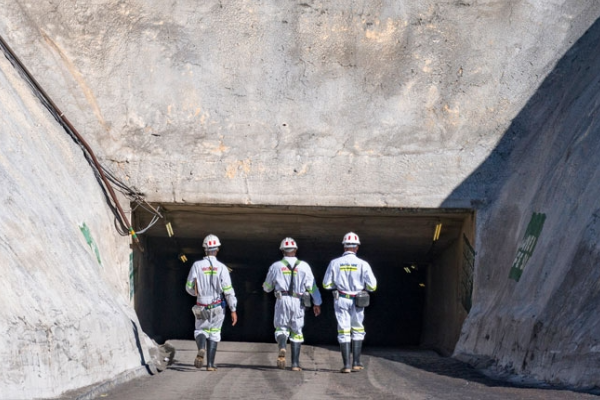
Unki Platinum Mine’s parent company, Anglo American Platinum (Amplats), in 2023, and for the second consecutive year, recorded zero fatalities at its mines, which include Mogalakwena Mine, Amandelbult Mine, Mototolo Platinum Mine, Kroondal Platinum Mine, Modikwa Platinum Mine, and Shurugwi-based Unki Mine.

Rudairo Mapuranga

The two-year period is Amplats’ longest fatality-free period to date and reached a record low total recordable case frequency rate (TRCFR) of 1.61 per one million hours worked. This represents a year-on-year improvement of 31 per cent and an improvement of 85 per cent since 2012.

Amplats’ Mogalakwena, Mototolo, and Unki Mines have reported more than 11 years of fatality-free mining, with Amandelbult Mine recording 9.6 million fatality-free shifts.

In terms of employee health and well-being, the group established wellness initiatives across our operations that cover HIV, Tuberculosis (TB), and chronic diseases for employees and contractors. In 2023, we continued to focus on mental health, gender-based violence (GBV), along with alcohol and drug abuse.

“All employees with chronic conditions are monitored regularly through our occupational health clinics to minimize associated risks. Based on our assessments in 2023, 20.1 per cent of our workforce had hypertension, and 5.5 per cent had diabetes mellitus.

‘Our heart-health program gained traction, with 99 per cent of employees receiving their heart-health score, in 2023,” THE GROUP said in part.

Unki is one of the leading three Platinum miners in Zimbabwe.

Police arrest 55 illegal miners at Battlefields

0

The Zimbabwe Republic Police (ZRP) arrested 55 illegal miners in Battlefields, Kadoma, under Operation Clean Up, meant to bring sanity to the artisanal and small-scale mining sector.

Rudairo Mapuranga

Posting on its Twitter page, the Zimbabwe Republic Police (ZRP) said the 55 suspects were arrested for illegal mining activities.

“The ZRP confirms the arrest of 55 suspects at Empress Turn-off, Battlefields, Kadoma, in connection with illegal mining activities during Operation Clean Up,” the statement said.

The operation clean-up is also meant to ensure that accidents and fatalities that have been on the rise in the ASM sector are reduced by weeding out illegal elements in the industry.

Illegal miners have been accused of tainting the ASM industry through unruly behaviour, from usually deadly violence to extremely unsafe mining.

Scott speaks on Gold Buyers License Renewal Hurdles

0

In Zimbabwe, the renewal of Fidelity Gold Refinery (FGR)‘s issued gold-buying licenses has become a challenging process for many buyers, with a significant number failing to meet the set targets, resulting in non-renewal.

The issue has sparked discussions about the common pitfalls faced by buyers and the strategies necessary to navigate these challenges successfully.

In an interview with Mining Zimbabwe, when questioned about the reasons behind this trend, the country’s leading gold buyer and Better Brands Founder Mr Pedzisai “Scott” Sakupanya emphasized the importance of consistent communication between permit holders and the Refinery.

Scott highlighted that there is a need for transparent communication about the challenges buyers encountered in gold purchasing is crucial to avoid surprises during the renewal process.

“Like with any relationship, it is of paramount importance that gold-buying permit holders regularly communicate with Fidelity Gold Refinery about the challenges they would be encountering in buying gold, to avoid last-minute surprises,” stated the leading gold buyer.

One common mistake he identified was the failure of some buyers to anticipate and address challenges throughout the permit period. Waiting until the renewal stage to highlight issues can result in complications and may lead to the non-renewal of the monthly licenses.

“When it comes to renewal, one must avoid trying to bring forth challenges at the eleventh hour,” advised Sakupwanya.

“Instead, buyers should adopt a proactive approach, addressing issues as they arise and seeking guidance to prevent potential pitfalls,” he opined.

In addition to communication and proactive problem-solving, adherence to regulations and meeting set targets were emphasized as key factors for successful license renewal. Buyers were encouraged to familiarize themselves with regulatory requirements and consistently strive to meet or exceed the prescribed targets to maintain their licenses.

In 2022 when Mining Zimbabwe visited the Masvingo province with the Edmond Mkaratigwa-led Parliamentary Portfolio Committee on Mines and Mining Development, FGR revealed that only a single gold buyer was licensed in the province. The province at the time submitted an average of 87kgs of gold monthly.

READ THE FULL INTERVIEW HERE

Relocation and Compensation Law for Communities embraced

0

Tropical Africa, the new relocation law for mining operations has sparked agreement from both mining companies to support the Zimbabwe Environmental Law Association (ZELA) in the relocation of Mines and Minerals.

Patricia Rwafa

The law has the potential to provide economic opportunities for communities affected by mining, but there are also fears that it could lead to the displacement of people and damage to the environment.

At a workshop held at Cresta Oasis Hotel in Harare on Thursday the 15th of February 2024, which stakeholders attended including CSOs, ZHRC, Rural District Councils, and Community-based organisations, ZELA said it was seeking for the establishment of Mines and Minerals compensation and relocation laws to ensure communities affected by mining are fairly relocated and compensated.

Speaking at the workshop, Dr Grasian Mkodzongi of Tropical Africa said the relocation law has the potential to bring great benefits to the communities affected by mining, but it is important to ensure that these benefits are not at the expense of people’s homes and livelihoods.

“We need to make sure that we are striking the right balance between development and displacement,” he said.

Data manipulation in the context of mining relocations often takes the form of under-reporting the number of people relocated, exaggerating the number of jobs created, and hiding negative environmental impacts. This results in a skewed view of the costs and benefits of mining operations, which can have serious consequences for the affected communities.

Despite claims by mining companies that relocations will lead to increased employment, the reality is often quite different. In many cases, mining companies fail to create the promised jobs, leaving local communities with few economic opportunities and a high level of unemployment. While mining companies often tout the benefits of infrastructure development that accompanies relocations, the reality is that these developments often fall short of expectations.

The promised roads, schools, and hospitals are often not built or are of poor quality, leaving local communities worse off than before.

In addition to the lack of infrastructure development, mining companies often fail to provide adequate support initiatives for communities affected by relocations. These initiatives may include things like education programs, health services, and job training, but are often not implemented effectively. This lack of support can lead to a cycle of poverty and deprivation in affected communities,” he said.

Zimbabwe is on track to achieve the targeted US$12 billion mining sector by this year on the back of increased investments and expansion projects, according to Mines and Mining Development Deputy Minister Polite Kambamura.

All Roads Lead to Mupani Mine for the AMMZ Q1 Technical Visit

0

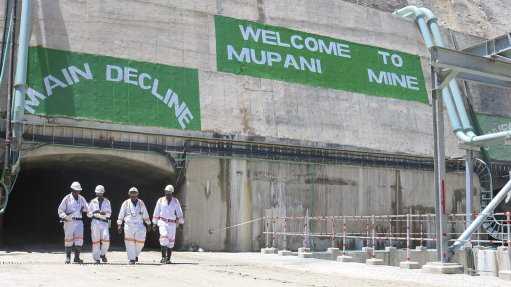
The Association of Mine Managers of Zimbabwe (AMMZ) will embark on its Q1 insightful technical visit to Zimplats Mupani Mine on the 23rd of February 2024, marking a significant event on the mining calendar.

With a focus on sharing knowledge, fostering collaboration, and exploring innovations in the mining sector, the visit to Mupani Mine is geared to be both educational and enlightening for all participants.

The AMMZ, widely known as the technical arm of Zimbabwe’s Mining Industry, chose Mupani Mine as the venue for its first-quarter technical visit, recognizing the mine’s reputation for technological advancements, operational efficiency, and commitment to sustainable mining practices.

Located in the heart of renowned Zimbabwe’s Great Dyke geological formation, Mupani Mine stands as a testament to Zimplats’ ongoing efforts to harness the country’s rich mineral resources while minimizing environmental impact and maximizing socio-economic benefits for local communities.

The technical visit will provide visitors with a unique opportunity to gain firsthand insights into the operations of Mupani Mine, from exploration and extraction to processing and rehabilitation. Participants will have the chance to interact with Mine management, large-scale Mine Managers, Engineers, and other key personnel, exchanging ideas and best practices to enhance their operations.

It is also an opportunity for service providers and equipment suppliers to analyse operations and see which solutions they can provide for efficient operations.

One of the key highlights of the visit will be a guided tour of the mine facilities, including the underground workings, processing plant, and environmental management systems. Attendees will be able to witness firsthand the state-of-the-art technology employed by Zimplats to ensure safe and efficient mining operations, as well as the company’s efforts to minimize its environmental footprint through reclamation and rehabilitation initiatives.

In addition to the technical aspects, the visitors will also have networking and collaboration opportunities with industry professionals.

For more information contact Mrs S Chitakunye on +263 773 132 263

Falcon Gold Mine Revokes Free Lease for Youth Mining

0

Mining magnate, Ian Saunders of Falcon Gold has reportedly issued notice to the Shurugwi Empowerment Trust, declaring the cancellation of the free lease granted to youth for mining activities at the Hwandara blocks in the Midlands town.

This decision, attributed to the intention to recommence gold mining operations at the blocks, has sparked a wave of concern and speculation within the local community who were making a living from the claims.

With access to the Hwandara blocks now in jeopardy, reportedly 3000 youths are now faced with the daunting task of finding alternative sources of income to feed their families.

Hwandara was closed to formal mining in the 1990s when Falcon stopped it’s operations.


Interview: Better Brands founder Pedzisai “Scott” Sakupwanya

0

Pedzisai Scott Sakupwanya is a prominent figure in Zimbabwe’s gold mining industry. He has extensive experience and expertise in the gold sector. He not only has extensive experience but also expertise in the gold sector. Throughout his career, he has gained a deep understanding of the intricacies and challenges of the industry.

Which year has been your best year in terms of gold deliveries to Fidelity? How many tonnes did you deliver and how did you manage to deliver so much that year?

In terms of gold deliveries to Fidelity Gold Refinery (FGR), our best year was in 2022 when we delivered 18 tonnes of gold. This exceptional performance can be attributed to the incentives paid on gold deliveries which allowed us to offer a competitive price to ASM (Artisanal and Small-Scale Miners), which encouraged higher gold deliveries.

How many tonnes of gold did you deliver to Fidelity Gold in 2023 and what are your projections for 2024?

In 2023, we delivered 13 tonnes of gold to Fidelity Gold Refinery (FGR). Our projections for the 2024 year, are to deliver 20 tonnes of gold.

What is the biggest advantage of investing in Zimbabwe’s gold sector?

One of the biggest advantages of investing in Zimbabwe’s gold sector is its investor-friendly operating environment. Not only does the government support investment in the sector, but investors also have the opportunity to participate in the entire gold supply value chain, from mining to refining and producing value-added products.

Is it possible for foreign companies to buy gold in Zimbabwe by partnering with you as a top gold trader in the country?

Yes, foreign companies can buy gold in Zimbabwe and partner with Betterbrands Investments. At Better Brands, we facilitate the buying and exporting of gold to foreign destinations through Fidelity Gold Refinery (FGR).

What is your advice to those interested in investing in the country’s gold industry?

My advice to those wanting to invest in Zimbabwe’s gold industry is that now is the right time to do so. The government is supportive of investment in the gold mining industry and associated downstream industries. There are also incentives offered to formal gold producers. These factors create a favourable climate for investment in the sector.

What is the potential of Zimbabwe’s gold industry, in terms of growth? Where do you see it in the next 5 years?

The potential for growth in Zimbabwe’s gold industry is significant, with a projected capacity to produce 65 tonnes of gold per annum in the next 5 years. This highlights the country’s ability to increase production and become a major player in the global gold market.

During the previous term of government, it was projected that the gold industry would reach a US$4 billion milestone annually. Why do you think the vision was not achieved?

The vision of reaching a US$4 billion milestone annually for the gold industry was not achieved due to limited access to fresh capital caused by economic sanctions imposed on the country. These sanctions hindered the investment flow into Zimbabwe, making it a challenge to meet the ambitious target.

Some say Zimbabwe is a bad investment destination. Give us five reasons why this is a misconception.

Contrary to misconceptions, Zimbabwe is not a bad investment destination. There are several reasons supporting this:-

  1. Government policies are supportive of investments in all sectors of the economy.
  2. There is an availability of educated manpower that can easily be trained.
  3. Various incentives are offered by the government to different sectors.
  4. Foreign Direct Investment (FDI) has been reduced due to economic sanctions imposed on the country, but this does not discredit other investment opportunities.
  5. New massive projects are being commissioned in various sectors of the country’s economy.

Can you explain the core business activities of Better Brands Investments?

Better Brands Investments is primarily involved in gold buying and exporting to foreign destinations through Fidelity Gold Refinery (FGR).

What is the company’s strategy for mining and trading in Bullion and other commodities?

Our strategy for mining involves going underground and enhancing assistance to ASM sector players to ensure efficient and effective gold extraction. In terms of trading, we continue to mobilize gold by establishing gold-buying centres accessible to ASMs. We also plan to expand our gold buying footprint by establishing centres in all gold activity areas.

How does Better Brands Investments ensure transparency and accountability to its clients?

Better Brands Investments ensures transparency and accountability to its clients by conducting all activities per regulatory authorities’ requirements. All transactions and documentation are properly approved and documented, creating a transparent and accountable process.

Can you provide examples of the innovative solutions offered by Better Brands Investments?

Some examples of the innovative solutions offered by Better Brands Investments include:

  1. Providing mining inputs such as fuel and chemicals to ASMs.
  2. Offering mining equipment to miners under a loan scheme.
  3. Facilitating the purchase of inputs in local currency to prevent ASMs from engaging in informal markets.

Can you provide examples of the innovative solutions offered by Better Brands Investments?

  • Innovative solutions offered by Better Brands Investments are as follows:
  • Providing ASMs with mining inputs such as fuel and chemicals.
  • Availing mining equipment to miners under a loan scheme.
  • Facilitating the purchase of inputs in local currency, thus ensuring ASMs do not dispose of local currency on the informal market.

Safety has become a concern in the ASM industry lately. What should be done to ensure ASMiners take safety seriously? What should you, as miners, do to guarantee the safety of your workforce?


  • Awareness campaigns on health and safety.
  • Coming up with safety awards given to exemplary ASMs.
  • Regular inspection of the operations of ASMs.
  • Developing smart partnerships between ASMs and Large-scale mines that babysit the ASMs, thus enhancing knowledge and understanding of safety issues.

Most gold buyers fail to have their licenses renewed after failing to meet set targets. Where do you think buyers get it wrong, and how can a new buyer avoid making the same mistake?

Like with any relationship, it is of paramount importance that gold-buying permit holders regularly communicate with Fidelity Gold Refinery about the challenges they would be encountering in buying gold, to avoid last-minute surprises. One must avoid trying to bring forth challenges when it comes time for renewal.

Tadiwanashe wishes to venture into gold buying but has limited capital. What’s your advice to him to make it in the gold-buying industry?

Gold buying is a relational business. Strong relationships with the ASMs are crucial for one to be able to mobilize as much gold.

Funding of Zulu Project and Update

0

The Board of Premier African Minerals Limited is pleased to announce a subscription today to raise £2,475,000 on before expenses at an issue price of 0.275 pence per new ordinary share for the Zulu Lithium and Tantalum Project (“Zulu”).

Highlights:


Ø

Premier now funded until first production at Zulu.

Ø

Ball Mill Power on and test run in situ.

Ø

Commencement of Commercial Production in late February with first shipments expected in March 2024.

Ø

Thickener Plant completion date 19 February 2024.

Ø

Ongoing negotiations with Zimbabwe-based lenders for working capital facilities at Zulu once in production are progressing.


George Roach, CEO, commented, “This placement assures Zulu of plant startup, subject only to suppliers meeting their obligations and undertakings. This has and remains Premier single most important objective at this stage. That is targeted for next week and remains on target at this time. Early indications are that subsequent working capital finance will be available from commercial lenders at Zulu when production is underway as Zulu must begin to fund its operations without the assistance of Premier once commercial production has commenced.

Funds now raised will be used specifically for direct operating expenses at Zulu that includes:-

  • Final payments related to the thickener purchase and installation,
  • Final payments related to the ball mill and associated hydrosizers, transport and installation thereof,
  • Plant operating spares and reagents,
  • Mining costs, and
  • Day-to-day operating expenses including diesel.”

Funding

As announced on 18 January 2024, Premier elected to make a significant expansion in the mining operations to facilitate delivery of ore with less country waste to ensure against any residual issues with the sorters (which continue to be optimised) when plant production recommences at Zulu.

And while the mill has now been delivered and installed at Zulu, there was a delay with the delivery which further constrained Premier’s cash resources.

Premier continues to engage with Zimbabwean-based lenders for working capital facilities at Zulu – these potential lenders need to see production from Zulu and while Premier strongly believes that Zulu will be able to source a working capital facility, this is now largely dependent on Zulu being in production.

Based on the above, Premier believe that securing funding through the above Subscription is the best immediate solution to securing further project funding in order to see Zulu commence production in late February 2024. Once production has commenced, Premier believe that it should see one or more of the alternatives to equity-based funding materialise. On this basis, Premier’s current expectation is that it is now fully funded to the first production at Zulu.