


Home Blog Page 348

Kamandama disaster HCCL safety & health policies implementation

0

June 6, 1972 saw the disaster at Wankie Colliery where 427 miners lost their lives.

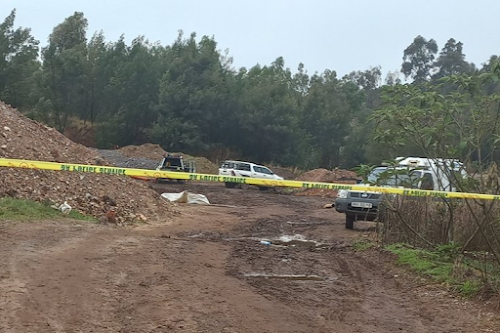
The Wankie coal mine disaster took place on 6 June 1972 when a series of underground explosions occurred at the Wankie No.2 colliery in Rhodesia (now known as Zimbabwe). With 427 fatalities, it remains the deadliest mine accident to date in the country’s history.

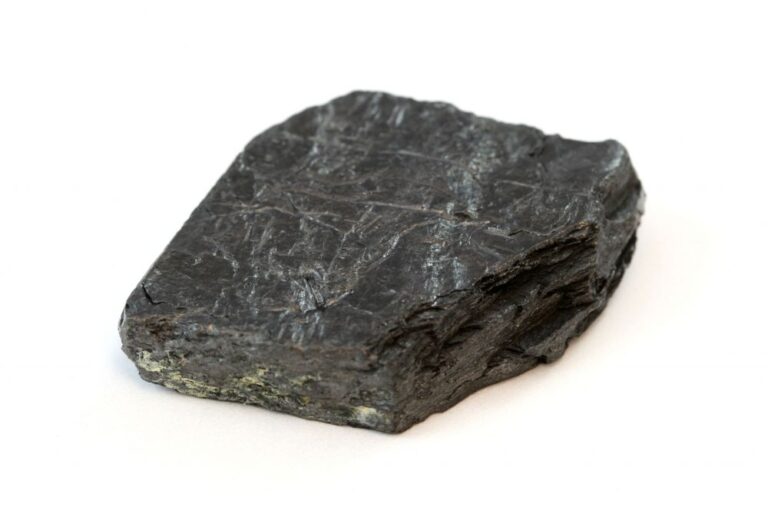
Historical records established that the accident was caused by an underground methane dust explosion and despite the several attempts by the then PROTO teams to rescue mine workers, the fatality of the disaster was such that the mine shaft had to be sealed off.

The disaster took place at the Wankie No.2 Colliery in Wankie, (now known as Hwange) in the Rhodesian province of Matabeleland North, when several gas explosions ripped through the mine. It was initially believed that more than 470 miners were trapped, but the number was lowered after the owners found a number of people had shown up for work.

Eight men were pulled alive from the mine after the initial explosions. Two new explosions on 7 June poured clouds of poisonous gas into the 3 miles (4.8 kilometres) of tunnels, making further rescue attempts impossible.

On 9 June, the general manager of the Wankie Colliery, Gordon Livingstone-Blevins, decided to leave the 424 bodies where they were. Three bodies had been recovered after the initial explosions. A mass memorial service took place on 11 June at a nearby football stadium, where a crowd of about 5,000 people paid tribute. “This has cast a gloom over the whole country,” Rhodesian Prime Minister Ian Smith said during the service.

KAMANDAMA DISASTER COMMEMORATIONS 

Hwange Colliery Company Limited annually gathers to commemorate the lives of the 427 dedicated and hardworking miners who lost their lives in the Kamandama No 2 Underground shaft in 1972. The miners perished while moving the economic wheels of the nation and region at large.

The aftermath of the Kamandama mine shaft disaster saw Hwange Colliery Company play a critical role in the implementation and monitoring of safety and health policies in the mining sector for the benefit of the mining industry in Zimbabwe.  Safety, Health and Environmental sustainability have since become a topical issue at national, regional and international levels following this disaster.

  • As a result Associations such as the Mine Rescue Association of Zimbabwe; founded in 1973 whose mandate is to coordinate mine rescue activities in the country were formed. The disaster was ranked as the eighth biggest tragedy in the world in 2015 with the highest-ranked being the Honkeiko mine disaster in China, where 1 549 lives were lost on 26 April 1942 according to media reports.


  • The Memorial service event is attended by Board Members, Management, Widows of the Disaster, Worker Leadership, Mining cluster, Local Government, State Entities, Government Departments, Local Traditional Chiefs, the Hwange Business Community, and Electronic and Print media. A Memorial Golf Tournament is held annually before the commemorations to raise funds towards the cause of the widows and dependents who are assisted through the Human Resources department. The tournament is now a flagship event for over 100 golfers yearly who display their skills in remembrance of the day.

LESSONS LEARNT

  • The company has learnt its lessons from the Kamandama mine disaster of 1972 and since then, great efforts have been made to ensure that there would never be repeat accidents in any of the Company`s mines or workstations.
  • The statutory regulation for coal mines and fiery mines was drastically changed and adopted as more mines were declared fiery. Fiery mines were categorized to have methane and any other inflammable gases as well as mines containing coal dust. Mine Rescue was born out of the 1972 disaster, at the time, there were no rescue teams in the country and rescue teams responded from Zambia, South Africa and Botswana.
  • The company has established a fully-fledged Safety, Health, Environment and Quality Department with competent practitioners who drive various proactive accident preventive strategies.
  • The company has clear leadership, comprehensive safety programmes as well as a 100 per cent commitment by management and staff to zero tolerance towards unsafe working practices and zero targets for injuries, while also cementing constructive interaction with workers’ unions on safety.

Notable improvements at HCCL from Kamandama Mine Disaster to date:

  1. Flame Proof Equipment use – only underground.
  2. Stone Dust Application.
  3. Senior supervision i.e. stringent conditions during any flame cutting and welding activities underground
  4. All workers who operate electrical machines are trained and equipped to test for gases.
  5. Banning of contraband entering the mine.
  6. Establishment of mine rescue teams to assist in times of disaster.
  7. Construction of refuge chambers.
  • Flame Proof Machinery

Drill and blasting were eliminated in normal production activities and replaced by electrically powered continuous mining technology. All the machines are flameproof meaning any short circuit in electrical panels won’t interact with the underground atmosphere. Inflammable gases and methane are known to lead to catastrophic explosions if ignited.

All electrical fittings including bulbs, fluorescent tubes and distribution boxes are made up of a special specification designed from heavy steel which is at least 25mm in thickness. All electrical cabling is of special design; armoured and fire retardant.

  • Stone Dust Application

Stone dusting was introduced in Zimbabwe after the Kamandama Disaster which is an application of very fine limestone dust on all the excavations carried out in coal mines. The limestone controls the propagation of fires and explosions in a coal mine as limestone is inert and incombustible.  An array of activities are carried out in sampling and monitoring of the limestone quality before and after application in the mine.

  • Good ventilation

Good ventilation supplies fresh air to dilute methane or inflammable gases to less than 1.25% in the ambient atmosphere of coal mines. The mine employs high technical personnel who make sure the mine is well ventilated every second and hour of the day. Ventilation is the primary activity in coal mining and takes precedence over all activities in underground processes. High tech fans are used for main ventilation and auxiliary ventilation.

  • Emergency preparedness

The underground coal mines are designed to allow at least two means of ingress and egress. Channels of getting into and out of the mine should be as close as possible to the work areas. The escape routes are clearly marked and easily identifiable.

  • The company strives to equip all miners, contractors and visitors with appropriate skills of enabling their safe escape when caught in an emergency situation. All persons proceeding underground are issued with a serviceable rescue pack and cap lap. A Rescue pack allows all persons to pass through irrespirable atmospheres in any emergency in order to reach safe places or refuge bays or safe-havens.
  • The company has functional rescue teams ready to respond and save lives as well as property. The teams are part of a response zone in the country. They are highly trained and comprised of technical individuals from various professional sectors.

Source: Hwange Website

Fidelity gold prices 6 June 2022

Fidelity Gold Refiners (FGR) official gold buying prices Wednesday 6 June 2022.

SG 90% AND ABOVE US$56.34/g
SG ABOVE 85% BUT BELOW 90% US$55.45/g
SG ABOVE 80% BUT BELOW 85% US$54.86/g
SG ABOVE 75% BUT BELOW 80% US$54.27/g
SAMPLE BELOW 10g BUT ABOVE 5g US$53.38/g
FIRE ASSAY CASH US$/g

Exchange rate TBA

NB: Fire Assay cash price is for gold above 100gs and no sample is deducted.
For Fire Assay Transfer price, a sample of not more than 10g is deducted
2% royalty is charged on all deposits (Small-scale Miners)
5% royalty is charged on Primary Producers

Cash available. Fidelity Gold Refiners’ prices will be changing daily in relation to world market prices.

Arcadia lithium project : Local contractors a priority

0

Huayou Cobalt, the Chinese firm developing the Arcadia lithium project, has said it has engaged local contractors for works being done at the establishment, as a way of empowering local companies.

Prince Sunduzani

The company, which announced a project which will create about 1000 jobs, has said contrary to the belief that they are using Chinese contractors, the company has been engaging local contractors for various works from the onset.

The company said it has used different competent contractors at various stages of the project.

“Our contractors are locally registered companies. Kacee electrical contractors build power lines for us, Speedlink handles import and export business for us, we buy steel from Steel Centre and BSI, and our security services, EIA reports and feasibility studies are prepared by locally registered companies,” said the company last week.

“In addition to the management and technical personnel, more than 75 % of the contractor’s employees are recruited from nearby villages and strictly abide by our rules on recruitment and use of employees.”

Huayou, a worldwide firm headquartered in Tongxiang, China, announced recently the acquisition of the Arcadia lithium project from Prospect Resources Plc and minority shareholders. Following the acquisition, the business stated that it would invest $300 million over the following year to develop the mine and build a processing plant.

According to the firm, the mine would have a capacity of 4.5 million tonnes of ore per year, which translates to around 400 000 tonnes of lithium concentrate per year. Huayou’s large investment can drastically impact the local community and promote Zimbabwe’s economic growth.

The company becomes one of Zimbabwe’s biggest mining houses and is set to contribute towards the attainment of the US$12 Billion Mining Economy by 2023 vision set out by the Mnangagwa led government.

Coal sector constraints can affect the whole mining value chain

0
Zimbabwe’s coal mining sector is facing serious challenges that can disrupt the whole mining value chain, the President of the Chamber of Mines Collin Chibafa has hinted.
Rudairo Mapuranga
Speaking at the 2022 edition Annual Mining Conference which is running under the theme ‘Consolidating Growth Drivers for the Mining Industry’ Chibafa said the coal industry is facing a myriad of problems that may lead to further power problems.
“As reported last year, Your Excellency, the growth potential of the coal sector continues to be faced by unique challenges of suboptimal pricing framework and foreign currency shortfalls being predominantly a non-exporting sector. While engagements with Authorities on the matter are still ongoing, we feel the issues largely remain unresolved, which may threaten the power supply situation of the country in the medium to long term,” Chibafa said.
Recently the Permanent Secretary for the Mines and Mining Development Onisimo Mazai Moyo acknowledged that the mining industry was affected by the fragile electricity supply that the government was working towards eradicating.
Chibafa also said that the Chamber of Mines was engaging Zimbabwe Electricity Supply Authority (ZESA) for it to prioritize mining companies for available power in order to maximize production.
“Mining companies, specifically those not connected to dedicated power lines continue to face power outages resulting in production and output losses. We continue to appeal for prioritisation of mining companies for available power,” Chibafa said.
The current foreign currency retention thresholds remain the elephant in the room which needs to be addressed according to Chibafa.
“A significant number of mines are facing foreign currency shortfalls to meet their operational requirements. With most mining companies in expansion mode, they now require more foreign currency than they are allocated. The additional foreign exchange requirements are needed to fund the capital projects including setting up beneficiation facilities. We believe retention levels of at least 80% are optimal for the mining industry, given the capital intensity of mining businesses. The Chamber of Mines will remain engaged with your government, Your Excellency, for a more optimal solution to foreign exchange management,” He said.
He also said that the mining industry has a huge funding gap to optimise its operations and meet targets. Most mining houses are struggling to raise offshore funding and are relying on internally generated resources (retained earnings). He also pointed out that most foreign investors are seeking clarification on Government’s position on Indigenisation in the mining sector to enable them to inject capital into the mining industry.
The Chamber of Mines President said the amendment of mining laws was very important for the growth and development of the mining sector.
“Your Excellency, on legislative and policy matters, we have been working closely with Government in addressing outstanding legislative and policy matters and we are hopeful that these matters will be finalised to unlock the full potential of our mining industry. The matters include Amendments to the Mines and Minerals Act. We note that the Amendments to the Mines and Minerals Act remain outstanding. We urge the government to expedite these amendments as some investors remain non-committal on investing pending the conclusion of this process. The upside associated with the introduction of new improved mining legislation is huge. Amendments to the Gold Trade Act: Gold remains a major mineral commodity for the country. We anxiously await the review of the Gold Trade Act with the hope that the chain of custody of gold from mine to market will be enhanced thereby removing the possibility of leakages. In addition, we look forward to an improved marketing framework for gold that will facilitate the raising of capital for gold projects,” he said.
The 2022 Annual Mining Conference was officially opened by President Emerson Dambudzo Mnangagwa pledged his support to see the growth of the mining sector.

Over US$1bil capital needed to unlock gold sector – CoMZ

0
The gold industry requires in excess of US$1 billion in funding in the next 5 years to sustain growth and development, the Chamber of Mines said after reviewing factors that might hamper the achievement of the US$4 billion gold target.
Rudairo Mapuranga
According to the Chamber of Mines Chairperson for Gold Producers, Mr Qubeka Nkomo, for the country to unlock the potential of the gold sector for sustainable economic development, adequate funding, adequate foreign exchange allocation, adequate and affordable electricity and other factors including a conducive operating environment and system are pivotal for the sector’s contribution.
Nkomo also said the government through the Ministry of Finance should review contentious foreign currency retention thresholds for gold miners to help the industry grow and suggested that the retention should not be below 80 per cent. However, some miners have been suggesting that 100 per cent foreign currency was necessary for the sector’s growth trajectory.
“The gold industry requires in excess of US$1 billion in the next 5 years to sustain growth and development of the sector and achieve output targets, local financial market has limited capacity to finance such huge capital requirements on the back of liquidity challenges and indeed where available such finance is very costly.
“The current 60 per cent foreign currency returned by gold producers is not enough to meet other operational requirements and expansion projects. Meanwhile, the 40 per cent surrender portion which is liquidated at interbank rate is unfairly compensated due to the disparities between the interbank rate and the hugely depreciated parallel market rate which is applied by most suppliers.
“Statistics from gold producers show that the optimum retention that allows gold producers to achieve their production target and expansion project is approximately 80 per cent.
“Foreign investors are demanding gold producers to use their gold as security to secure funding, some are raising concerns about the current retention framework which they say is not supportive of additional capital injections into the gold industry. Therefore there is a need by the government to relax the marketing arrangements and allow gold producers to export their gold and use it for capital raising while also reviewing retention levels,” Nkomo said
Nkomo also said that the gold industry has the potential to produce 60 tonnes of gold which will be nearly double what was produced last year (31.5 tonnes) if bottlenecks affecting the growth of the sector are addressed.
“The presence of extensive gold deposits coupled with idle capacity, present an opportunity for the gold sector to grow and maximize its contribution to the socio-economic development of the country. The gold industry has the potential to grow and surpass annual production of 60 tonnes in the next 5 years with revenues exceeding US$3.5 billion per current gold prices. To unlock this potential there is a need to address structural bottlenecks that continue to ware down on the performance and growth of the gold industry,” Nkomo said.
He also acknowledged that lack of exploration was hindering the growth of the gold sector noting that the country’s gold industry should be in the top 5 gold producers in the world.
“Zimbabwe is rich in gold deposits, gold mining in Zim stretches back to the pre-colonial time as evidenced by the many ancient workings in many parts of the country. Yes, the country boasts of more than 4000 recorded gold deposits. The mineral resources series 23 of the geological survey of Zim indicates that in terms of gold production per square kilometre, the country is ranked above traditional big producers that include the USA, Canada, Australia and Brazil. The country has however remained largely under-explored impacting negatively on potential growth of the gold sector,” he said.

Chamber of Mines Annual Mining Conference 2022

0

Chamber of Mines of Zimbabwe President Foreword

Welcome to the Chamber of Mines 2022 Edition of the Annual Mining Conference. The event, which will be held from 2 – 4 June 2022 at Elephant Hills, Victoria Falls, will be Officially Opened by HE President E. D. Mnangagwa who will be the Guest of Honour.

Collin Chibafa

This Conference is the Prime Event for the mining industry, and it provides a platform for key stakeholders in the sector including Government, senior executives in the mining industry and investors to deliberate on pertinent matters in the mining industry. This year’s conference will run under the Theme “Consolidating Growth Drivers for the Mining Industry”.

As per tradition, our key stakeholders have already shown strong interest to attend the Event with a number of international delegates and Speakers having already confirmed their participation.

As was the case last year, the Event Programme will include a Symposium, Main Conference, Exhibition and side events and activities including a boat cruise, golf tournament, dinners and cocktails.

On the first day, 2 June 2022, there will be a Symposium that will run under the theme “Unleashing the Potential of the Zimbabwe Gold Industry”. The Guest of Honour for the Symposium is Hon Winston Chitando, the Minister of Mines and Mining Development. Our Guest Speaker is Mr Benjamin Mchwampaka, the Executive Secretary for the Tanzania Chamber of Mines to share Tanzanian experience in growing the gold sector. Other Speakers are drawn from the mining industry, Fidelity Printers and Refinery, the Chamber of Mines and the Zimbabwe Miners Federation.

The second day is the Main Conference Day. The Conference will be officially opened by HE President ED Mnangagwa. Other key speakers include the Vice President of the Republic of Zimbabwe Rtd Gen. Cde CDGN Chiwenga, Hon. W. Chitando, Hon. Prof. M. Ncube, Dr J. P. Mangudya, as well as international speakers including Mr. Charles Siwawa, the Chief Executive Officer of the Botswana Chamber of Mines; Mr Vusi Mabena, Executive Secretary for the Mining Industry Association of Southern Africa (MISA), an Association of Chambers of Mines in SADC; Mr Andrew Snyders, a seasoned industry expert at Standard Bank.

The outcome of the Conference is expected to shape policy formulation that promotes the development and growth of the mining sector in the medium to long term.

We wish you a successful Conference –

Barzem exits Caterpillar dealership, seeks new supplier

0

After 70 years as the distributor of Caterpillar earthmoving equipment in Zimbabwe, Barzem, a unit of Zimplow, is exiting the relationship and looking for a new supplier.

Caterpillar, the world’s leading maker of construction and mining equipment, has been shifting strategy globally, including exiting from the coal and soft rock underground mining business to focus on other mining technology.

Barzem says the CAT relationship will end in September, at a time when it was seeing strong demand for equipment due to demand from government infrastructure and mine expansion projects.

“Barzem will exit the Caterpillar distributorship on 30 September 2022 given the changes in the strategic direction by both the supplier and Zimplow Group,” Zimplow says in its full-year financials for 2021.

The company says the Cat withdrawal will hurt business performance initially, but it believes it has enough capacity to deal with the change.

“One of the key strategic matters the group is currently seized with is the search for a new OEM (original equipment manufacturer) of earthmoving equipment to replace the Caterpillar brand at the end of the Distributorship Agreement on 30 September 2022.”

Barzem has seen good business from government and the mining industry. Volume sales of earthmoving equipment rose 84% last year, due to demand from government road projects and mines.

“On the other hand, the focus on production by major mining houses who use CAT surface mining and handling equipment resulted in increased fleet maintenance. Consequently, parts sales grew by 75% and hours sold by 65% against prior year performance,” Zimplow says.

This helped Barzem more than double revenue for the year.

Elsewhere in Zimplow’s business, Farmec sold 48% more tractors than in the previous year, but a poor rainfall season hit sales of other farm implements under the Mealie Brand unit.

Powermec, the alternative power division, had a mixed year. Because power supply was better than in the previous year, it sold 16% less diesel generators. However, it has gone into solar, and that unit grew sales by 167%.

Says Zimplow: “The trading environment has continued to pose both opportunities and threats.”

In 2021, John Deere announced it was expanding its construction equipment line-up to 18 countries, including to Zimbabwe.


Newzwire

Manhize steel plant takes shape, affected families compensated

0

HOUSES have been built for six of nine families set to be affected by Chinese owned Tsingshan Holding Group’s Manhidze iron and steel plant, as developments take shape.

The US$1 billion iron ore mine and carbon steel plant are set to be one of the largest in Africa, with production set to reach two million tonnes a year.

“The Manhize Iron Steel Project being undertaken by the Tsingshan group at Chirumanzu district has made massive progress. The plant is set to be the biggest in all of Southern Africa providing raw materials for our infrastructural work and forex from exports,” said information ministry permanent secretary Ndabaningi Mangwana.

“Six out of nine families who were immediately affected by the project have already been relocated to three bedroomed houses. They also have a separate rondavel (round) kitchen as well as two separate toilets and a bathroom.”

NewZimbabwe

Invictus Energy inks deal

0

SOUTHERN Africa-focused oil and gas exploration outfit, Invictus Energy has signed a binding well services contract with Baker Hughes for its drilling campaign in Muzarabani.

Baker Hughes is one of the world’s leading oilfield service providers, operating in more than 120 countries worldwide.

The two parties signed a letter of intent in February relating to Invictus’ upcoming two-well exploration campaign called Cabora Bassa.

Invictus’ drilling campaign is scheduled to commence at the end of July 2022.

Invictus managing director Scott Macmillan said the deal marked another significant milestone for the company as it prepared to embark on its maiden drilling campaign.

“The basis of well design has been completed and the well pad construction for the first well in the drilling sequence, Mukuyu-1, is progressing well. The Exalo 202 rig is expected to start its mobilisation in the coming days once it is released from Tanzania,” Macmillan said in an update to shareholders.

“We remain on track to spud the first well end of July, while we continue to make progress on selection of the second well location and expect to update shareholders in due course,” he said.

Last week, NewsDay Business reported that Exalo 202 had been stuck in Tanzania after authorities in that country delayed releasing requisite papers for its journey to Zimbabwe’s Zambezi Valley basin.

The drill, which is operated by Romania-headquartered Exalo drilling SA, was said to be undertaking a similar project in Tanzania.

Axalo was expected to make the journey from Tanzania to Zimbabwe this month, arriving in time to execute the assignment from July 1, according to statements by Invictus.

In an interview with NewsDay Business last week, Paul Chimbodza, whose firm, Geo Associates is a shareholder in the project, confirmed the delays, but said several parts of the plant had already arrived in Zimbabwe.

“There have been delays in Tanzania, they are working on the paperwork, but several parts of the equipment have already started arriving,” Chimbodza told NewsDay Business.

The firm said it was on course to kick start the Mukuyu-1 oil and gas drilling, after raising US$8,5 million through a private placement.


Newsday