Home Blog Page 41

RioZim Loss Widens by 81% as Operational Crisis Deepens, Despite Gold Price Boom

0

RioZim Limited, once a stalwart of Zimbabwe’s mining sector, has reported a severely deteriorating financial position, with its net loss widening by a striking 81% during the first half of 2025, Mining Zimbabwe can report.

By Rudairo Mapuranga

The company’s interim financial results depict an operation in profound distress, unable to capitalise on a period of historically high gold prices due to crippling production declines and systemic operational failures. Despite a recent capital injection and a comprehensive management restructuring, the company is grappling with material uncertainty regarding its ability to continue as a going concern. This precarious position is underscored by a severe liquidity crisis, where current liabilities exceed current assets by a substantial ZWG 2.9 billion, and total equity has plunged to a deficit of ZWG 1.20 billion.

The company’s financial performance shows a deeply troubling trajectory. RioZim’s net loss expanded to ZWG 300.6 million for the six months ended June 2025, a significant increase from the ZWG 165.7 million loss recorded in the same period of 2024. This alarming deterioration was accompanied by a catastrophic collapse in revenue, which fell by 92% to a mere ZWG 21.6 million, down from ZWG 282.5 million in the prior comparative period. This financial erosion per share accelerated, with basic and diluted loss per share rising to 241.00 cents, compared to 135.59 cents in the first half of 2024. The independent auditor’s review report explicitly highlights a “Material Uncertainty Related to Going Concern,” pointing to the net liability position and recurring losses as conditions that cast significant doubt on the group’s future.

The root of this financial calamity lies in a comprehensive operational breakdown across RioZim’s mining portfolio. The company’s gold production had already fallen by 27% to 306 kg during the first half of 2024, and this downward trend persisted into 2025. The flagship Cam & Motor Mine experienced a 42% production decline to 130 kg, plagued by ore supply challenges and delayed pit development. Renco Mine saw a 9% production drop to 176 kg, while Dalny Mine remained entirely on care and maintenance. This operational performance stands in stark contrast to competitors like Padenga and Caledonia, which managed to thrive under similar national conditions, producing 1,351 kg and 1,072.2 kg of gold, respectively. The company’s inability to benefit from a favourable gold price environment, with the average price strengthening from US$2,165 per ounce in 2024 to US$3,075 per ounce in 2025, underscores the depth of its operational crisis.

The challenges extended beyond its gold operations. RioZim’s associate, RZM Private Limited, which operates the Murowa Diamonds project, experienced a dramatic swing from profit to loss. The associate reported a share of loss of ZWG 28.0 million for RioZim, a stark reversal from the share of profit of ZWG 5.6 million in the prior period. This downturn was driven primarily by continued pressure from depressed international diamond prices, which severely impacted both profitability and cash flows. In response, operational activity at Murowa remained subdued as the mine concentrated on cost containment and optimisation, though it has commenced a strategic shift to in-pit mining aimed at improving the grade of ore processed.

In the face of this multifaceted crisis, RioZim’s chairman, Caleb Dengu, identified “persistent undercapitalisation over the past three years” as the fundamental cause of the company’s inability to sustain production and invest in essential infrastructure. This long-term financing constraint prevented necessary maintenance and modernisation, with a key inflection point occurring in 2019 when ore at Cam & Motor Mine shifted from oxide to refractory sulphide, necessitating a substantial US$35 million capital investment for processing infrastructure that the company could not self-finance.

The company has initiated a vigorous response to these challenges. A comprehensive restructuring exercise included the appointment of an entirely new board in July 2025. This leadership change has already yielded tangible results, most notably the successful reopening of Renco Mine, which has safeguarded the jobs of more than 1,000 workers. Furthermore, the company progressed to advanced negotiations with a strategic investor, a transaction that was successfully concluded after the reporting period, resulting in the injection of much-needed funding. Efforts to fully restore operations at the critical Cam & Motor Mine are also well underway, with full-scale production anticipated before the end of 2025.

However, RioZim’s path to recovery remains fraught with legal and operational hurdles. A stakeholder has applied to the courts for the group to be placed under corporate rescue proceedings, creating significant uncertainty. The Zimbabwe Diamond and Allied Minerals Workers Union further complicated matters by rejecting a US$160,000 settlement offer from RioZim to withdraw its corporate rescue application, with the union maintaining that corporate rescue is the only viable mechanism to save the company from total collapse. This stands in stark contrast to the company’s historical performance, when it once produced over 2,000 kilograms of gold annually as Zimbabwe’s third-largest gold producer—representing a catastrophic decline of approximately 85% in production volume over an eight-year period.

RioZim now stands at a critical juncture, balancing between potential recovery and corporate collapse. The 81% widening of losses to ZWG 300.6 million during the first half of 2025 represents the culmination of years of operational decline and systemic underinvestment. While the recent capital injection and board restructuring offer a vital lifeline, the company’s deeply negative equity and ongoing corporate rescue proceedings create substantial headwinds to recovery. The success of RioZim’s turnaround strategy hinges entirely on the successful ramp-up of production at both Renco and Cam & Motor mines, the stabilisation of its financial position through strategic funding, and the favourable resolution of its legal challenges. With gold prices projected to remain at elevated levels, RioZim has a narrow window of opportunity to align its restored operational capabilities with favourable market conditions, but the path to sustainable recovery remains fraught with uncertainty.
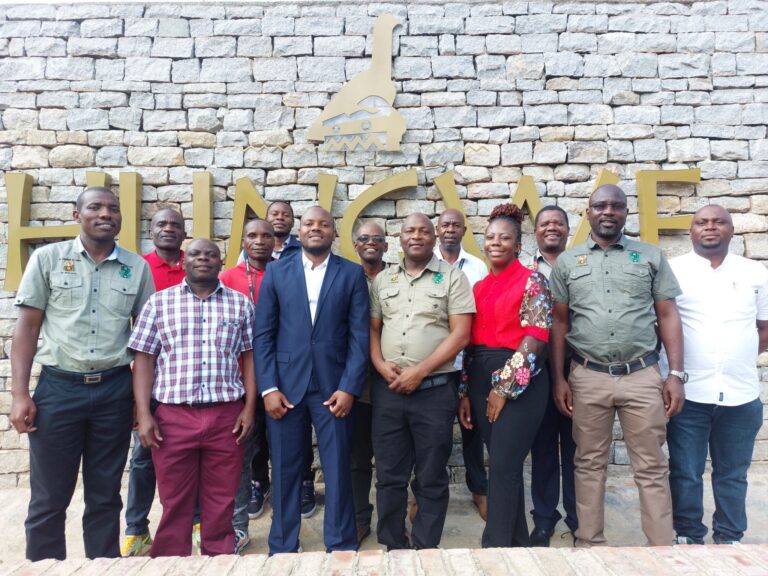
MVSZ Conference Highlights Ventilation, Safety, and Collaboration

0

Ventilation may often happen out of sight, deep underground, but at the recent Mine Ventilation Society of Zimbabwe (MVSZ) Annual Conference and Symposium, it was clear that airflow is now front and centre in discussions about mining safety, efficiency, and sustainability, Mining Zimbabwe can report.

By Ryan Chigoche

The gathering attracted a full representation of the mining sector, bringing together mining operators, local, regional, and international suppliers, regulatory authorities, representatives from the inspectorate, and training institutions.

The diversity of attendees underscored the wide-ranging importance of ventilation across all facets of mining operations.

Ventilation: The Bloodline of Mining Operations

Dr. T. Chikande, President of the MVSZ, described ventilation as the “bloodline” of mining. Delegates highlighted the growing challenges that make ventilation a strategic priority: increasing mining depths, complex geological conditions, higher fire load indices, and greater mechanisation. All these factors, Dr. Chikande said, have a direct impact on risk management and operational efficiency.

Regulatory Reform and Emerging Risks

A major takeaway from the conference was the need to review Zimbabwe’s mining ventilation regulations. Current regulations were primarily designed for conventional mines, yet mechanised operations have introduced new risks, including exposure to diesel particulate matter, recently classified as carcinogenic. Updating regulations to reflect these changes is critical, delegates agreed, to protect miners and ensure compliance with best practices.

Collaboration Across Stakeholders

Another key highlight was the importance of collaboration. Dr. Chikande emphasised the need for ventilation professionals to work closely with suppliers, training institutions, and peers within the ventilation fraternity to harmonise standards, particularly on occupational hygiene exposure. “Collaboration is essential if we are to manage risks effectively,” he said.

Elevating Ventilation Professionals

The conference also stressed the need to elevate ventilation professionals into decision-making roles. “Instead of remaining confined to operational roles underground, ventilation experts must have representation in boardrooms,” Dr. Chikande said. He explained that their involvement is vital for risk management, operational efficiency, and managing ESG (Environmental, Social, and Governance) considerations.

Support for Artisanal Miners

The symposium did not overlook the artisanal mining sector, which faces significant safety challenges. Many small-scale miners operate without ventilation planning and often neglect personal protective equipment. Dr. Chikande noted that occupational hazards in this sector, including pneumoconiosis and noise-induced hearing loss, may only appear years later. He called on professionals to extend their expertise to artisanal miners and encouraged suppliers to develop cost-effective, scalable solutions suitable for smaller operations.

As the MVSZ moves forward, the priorities are clear: strengthen ventilation practices, update regulations to reflect modern risks, foster collaboration, elevate professionals to strategic roles, and extend support to artisanal miners.

For Zimbabwe’s mining sector, the message from the conference was unmistakable — ventilation, safety, and expertise must underpin every operation, from the deepest shafts to the boardroom.

The One-Sided Mining Trade Relationship Between South Africa and Zimbabwe: Time to Prioritise Local Content

0

Zimbabwe’s mining sector, rich in platinum, gold, lithium, and diamonds, is a cornerstone of the country’s economy. Yet, despite policies designed to promote local industry, the sector remains heavily dependent on South African imports, highlighting a one-sided trade relationship that limits domestic industrial growth.

By Ryan Chigoche

As of 2023, Zimbabwe’s mining sector continues to rely heavily on South Africa. Approximately US$2.1 billion of the US$5.4 billion mining sector revenue is spent on imported machinery, equipment, and services required for mining operations, mainly from South Africa, according to the Zimbabwe Embassy.

This is further supported by an Afreximbank report, which highlighted that 80% of Zimbabwe’s intra-African mining-related imports, totalling US$4.7 billion, originate from South Africa. This includes critical mining goods such as machinery and mechanical appliances (12.5%), mineral fuels and oils (11.6%), and fertilisers used in certain mining processes (5.65%).

However, the worrying thing is that local manufacturing contributes only about 15%, highlighting a significant gap between the sector’s capacity and reliance on South African imports.

This persistent dependence underscores the urgent need to prioritise local procurement, strengthen domestic mining equipment manufacturing, and reduce reliance on South African suppliers, ensuring more value from Zimbabwe’s minerals remains in the country.

South African Suppliers and Local Engagement

Despite earning substantial revenue from Zimbabwe, many South African suppliers provide minimal support to local enterprises, whether through partnerships, joint ventures, or skills transfer. This transactional approach allows foreign companies to profit while Zimbabwean businesses and communities see limited benefit.

In contrast, South Africa enforces a strong local content strategy, requiring at least 70% of mining goods and 80% of services to be sourced locally. The policy also prioritises historically disadvantaged, women-owned, and youth-owned businesses, fostering domestic industries, reducing trade deficits, and growing the local tax base. Zimbabwe could emulate this model to ensure its minerals benefit the country first.

Zimbabwe Local Content Strategy: Progress and Gaps

Zimbabwe approved its Local Content Strategy (LCS) in 2019 with ambitious targets: increasing local content levels from 25% to 80%, boosting manufacturing capacity utilisation from 45% to 75%, and growing manufactured exports by 5% annually by 2023.

But as of 2025, these targets have not been fully achieved. Only 15% of the mining sector’s requirements are currently met by local manufacturers, with over US$2.1 billion of sector revenues spent on imports.

According to the Chamber of Mines Zimbabwe (CoMZ), the mining sector is running at 81–84% capacity utilisation and is projected to hit 90% in 2025, evidence of strong growth.

Meanwhile, the Confederation of Zimbabwe Industries (CZI) reports that manufacturing capacity utilisation sits at just 56.2%, far below the mining industry’s pace.

This widening gap highlights the urgent need to capacitate local industry through financing, retooling, and preferential procurement so that it can supply a growing mining sector and keep more value within Zimbabwe.

Proof That Zimbabwe Can Deliver

A clear example of the capability of Zimbabwe’s local mining industry comes from Mimosa Mining Company’s US$75 million Tailings Storage Facility (TSF-4) project.

According to Mimosa’s General Manager, all contractors involved in the project were local, with the construction managed entirely by Zimbabwean firms. While the design was done by a South African engineering firm (SRK), the project costs largely reflect local expenditures, with only a few exceptions for imported materials such as pipes.

This demonstrates that, with proper planning and procurement support, Zimbabwean contractors and service providers can successfully handle large-scale mining projects.

It also underscores why full implementation of the Local Content Strategy, together with financial and technical support for local suppliers, is essential to replicate such successes across the industry.

Notably, Platinum Group Metals (PGM) miners such as Zimplats and Mimosa have long championed Local Enterprise Development (LED) and Supplier Support programs, investing heavily in nurturing small and medium-sized enterprises (SMEs) that supply critical goods and services.

These efforts have reduced reliance on imports, cut costs, and generated thousands of jobs, with Zimplats alone investing nearly US$460 million into local businesses and creating over 2,600 positions since launching its LED initiative.

Building a Stronger Local Industry

To fully leverage Zimbabwe’s mining potential, it is essential to prioritise local enterprises through a combination of strategic initiatives.

First, preferential local procurement should be enforced, ensuring that government contracts and industry tenders favour Zimbabwean suppliers wherever possible. Second, targeted capacity building and funding is critical to equip local firms with the technical expertise, machinery, and financial resources needed to meet the standards of the mining industry.

Finally, fostering industrial partnerships with foreign suppliers can facilitate technology transfer, skills development, and collaboration, enabling domestic businesses to scale up and consistently deliver high-quality products and services. By implementing these measures, Zimbabwe can retain more value within the country, create jobs, and strengthen its industrial base.

Zimbabwe has the strategy, the capacity, and proven examples like the Mimosa TSF-4 project to deliver large-scale mining projects locally. Yet, implementation lags behind, leaving the sector heavily dependent on South African imports. Accelerating the Local Content Strategy and prioritising domestic manufacturing are crucial to making mining a true engine of industrialisation, employment, and sustainable economic growth.

Bat Guano and Clay Officially Declared Minerals Under New Statutory Instrument

0

The Minister of Mines and Mining Development has gazetted Statutory Instrument 169 of 2025 — the Mines and Minerals (Declaration of Minerals) Notice, 2025 — officially declaring bat guano and clay as minerals under the country’s mining laws.

The new regulation, issued in terms of section 5(3) of the Mines and Minerals Act [Chapter 21:05], repeals and replaces the First Schedule to the original Mines and Minerals (Declaration of Minerals) Notice, 1990.

According to the notice, the updated First Schedule now reads:

“Substance declared to be mineral: Bat guano and clay, where it occurs in quantities sufficiently great to warrant extraction by mining or quarrying.”

This effectively means that both bat guano — a natural fertiliser derived from bat droppings — and clay deposits of commercial significance are now recognised as regulated minerals. Their extraction, processing, and trade will henceforth fall under the oversight of the Ministry of Mines and Mining Development.

Bat Guano in Zimbabwe

According to an article by Nomsa Ngono sometime ago, there seems to be limited research on geological exploration and mining of Guano islands or caverns within the cratons of Africa. The reasons remain unknown; probably it was due to the fact that they are not of economic interest, or it might be the fear of contracting cave disease and inaccessibility. Interestingly, Zimbabwe has now decided to go for Guano.

Implications for Industry and Environmental Management

The inclusion of bat guano is particularly significant for Zimbabwe’s agricultural and environmental sectors. The substance is known for its high nutrient content and is widely sought after as an organic fertiliser in global markets. Its formal recognition as a mineral resource allows for structured and sustainable extraction, ensuring environmental safeguards and equitable benefit sharing under the Mines and Minerals Act.

Similarly, declaring clay as a mineral strengthens regulatory control over its commercial quarrying, which supports industries such as ceramics, construction, and brick-making. This move is expected to enhance formalisation and potentially increase revenue collection from artisanal and small-scale operations that previously operated outside the mineral regulatory framework.

Promoting Resource Accountability

The declaration aligns with the government’s broader efforts to tighten oversight of all extractive activities, improve transparency in the use of natural resources, and promote value addition in line with Zimbabwe’s Vision 2030.

By extending mineral classification to substances like clay and bat guano, the Ministry of Mines continues to ensure that all economically viable natural materials are developed responsibly and contribute to national economic growth.

Murowa Diamonds Plunges to ZWG28 Million Loss Amid Global Price Slump

0

In a stark reflection of the challenges facing the diamond sector, Murowa Diamonds has reported a significant financial downturn, swinging from a profit to a substantial loss for the half-year ended 30 June 2025, Mining Zimbabwe can report.

By Rudairo Mapuranga

The mine, an associate of RioZim Limited, recorded a share of loss of ZWG28.0 million for RioZim — a dramatic reversal from the share of profit of ZWG5.6 million reported in the prior comparative period.

This negative result was primarily driven by continued pressure from depressed international diamond prices, which have severely impacted the profitability and cash flows of mining operations worldwide. In response to the harsh market conditions, operational activity at Murowa remained subdued as the mine’s management concentrated on aggressive cost containment and operational optimisation strategies.

The half-year loss compounds a difficult period for Murowa, which has been grappling with deep-seated operational issues. The full-year 2024 performance, as reported by RioZim, revealed an operation in severe distress. The plant throughput at Murowa collapsed by 47% during 2024, a crisis largely attributed to the low availability of the mine’s heavy mobile equipment. The entire fleet had passed its economic life, leading to persistent breakdowns that crippled production.

This operational breakdown had a direct and severe impact on output. Carats produced decreased by 13% to 359,000 carats in 2024, down from 414,000 carats the previous year. The unsustainable situation forced Murowa to take drastic action, decommissioning all its heavy mobile equipment during the year and transitioning to a model reliant on hired equipment for material handling. The financial consequences of this low production and operational overhaul were a net loss for Murowa in 2024, which translated into a share of loss of ZWG66 million for RioZim — a figure that dwarfs the ZWG95,000 loss from the associate in the prior year.

However, amidst the bleak financial figures, a narrative of resilience and strategic adaptation is emerging. In response to the dual challenges of low prices and past operational failures, Murowa has initiated a critical recovery plan. Following an extensive exploration programme, the mine has now commenced in-pit mining activities specifically aimed at improving the grade of ore processed.

This strategic pivot is a direct attempt to counter the adverse market conditions. By focusing on higher-grade ore, Murowa aims to enhance its carat output without a proportional increase in volume, thereby improving operational efficiency and profitability in a low-price environment. This initiative represents a key hope for a turnaround, signalling that the company is not merely weathering the storm but actively repositioning itself for recovery.

The story of Murowa Diamonds in the first half of 2025 is therefore one of acute financial pain, set against the backdrop of a difficult previous year. Yet, it is also a story of a mine in transition. The ZWG28 million loss underscores the severe headwinds from the global market, while the new in-pit mining strategy reveals a determined effort to navigate back to profitability through improved operational efficiency and grade control. The success of this initiative will be crucial in determining whether Murowa can restore its lustre in the challenging periods ahead.

Zimplats Reports Dip in Quarterly Metal Production Amid Operational Challenges

0

The country’s biggest platinum group metals (PGMs) producer, Zimplats Holdings Limited, has reported a significant decline in its final metal production for the quarter ended 30 September 2025, primarily driven by lower head grades and extended repairs to a key furnace component, Mining Zimbabwe can report.

By Rudairo Mapuranga

According to the company’s latest operational update, the total 6E (Platinum, Palladium, Rhodium, Ruthenium, Iridium, and Gold) metal in the final product fell to 142,535 ounces. This represents a sharp 24% decrease from the 186,946 ounces produced in the previous quarter (ended June 2025) and a 5% decline compared to the 150,353 ounces achieved in the same period last year (September 2024 quarter). This production dip occurred even as the company celebrated a major safety achievement, reporting zero lost-time injuries for the same period, highlighting a quarter of mixed operational fortunes.

The report highlights a confluence of factors that contributed to the production shortfall. First, the overall 6E head grade saw a 2% year-on-year decrease, falling to 3.30 grams per tonne. This was attributed to a production mix that included more ore from the depletion of high-grade pillars at Rukodzi Mine and a higher proportion of lower-grade ore from the South Pit open-pit operation.

Second, while the volume of ore milled remained stable at 1.98 million tonnes, the concentrator recovery rate fell by 4% from the prior quarter to 75.6%. The company cited the lower head grade and “inconsistent ore supply” as the primary reasons for this inefficiency, which led to a 6% quarterly drop in 6E concentrate production to 158,716 ounces.

The most significant impact on final metal output, however, came from the smelting process. The company undertook extended repairs to the furnace slag tap hole, which disrupted the conversion of concentrate into final metal. This resulted in a build-up of approximately 12,600 6E ounces in concentrate inventory that was not processed during the quarter.

The impact of these challenges was felt across the entire spectrum of metals produced. Platinum production experienced a substantial decline, falling 23% from the June quarter to 66,044 ounces. Palladium output followed a similar trajectory, dropping 24% to 55,828 ounces. The most pronounced decreases were seen in gold, which fell 27% to 7,423 ounces, and rhodium, which was down 28% to 5,919 ounces. Ruthenium and iridium production also fell, declining by 22% to 4,968 ounces and 18% to 2,353 ounces, respectively.

The production of valuable by-product metals was similarly affected. Silver production saw a dramatic 46% decrease to 11,300 ounces. Nickel output fell to 1,326 tonnes, a 31% quarterly decrease, while copper production was 1,041 tonnes, down 29% from the June quarter. Cobalt production rounded out the declines, falling 22% to 18 tonnes for the quarter. When viewed against the performance of the same quarter last year, the picture is somewhat less severe but still shows a general downward trend, with 6E metal in final product down 5% year-on-year.

Despite the challenging quarter, Zimplats clarified that the accumulated concentrate inventory is not a loss but a timing issue. The company stated that this inventory “will be smelted during the remainder of the financial year,” indicating that production is expected to catch up in subsequent quarters once the furnace repairs are fully complete. This planned clearance of the inventory backlog should provide a significant boost to the production figures in the upcoming quarters.

Chizuzu Earns Master’s in Natural Resources and Environmental Sustainability

0

Zimbabwe Miners Federation (ZMF) Mashwest Chairman, Timothy Chizuzu, graduated with a Master of Science degree in Natural Resources Management and Environmental Sustainability from Bindura University of Science Education (BUSE), Mining Zimbabwe can report.

By Rudairo Mapuranga

The advanced degree, reportedly earned with distinction, places him among a new class of experts equipped to tackle the complex challenges at the intersection of natural resource extraction and ecological preservation. His achievement is particularly noteworthy as it coincides with similar accomplishments in government, such as the Deputy Minister of Mines, Dr. Polite Kambamura, also graduating with the same qualification — signalling a growing national emphasis on professionalising and enhancing environmental stewardship within the resource sector.

Chizuzu’s new academic credential provides a robust theoretical foundation to his extensive practical experience. The degree program he completed is designed to equip professionals with the ability to “identify, analyse and propose responses to complex issues and problems” by drawing “systematically and creatively on the principles, theories, practices and methodologies of environmental sustainability.” This knowledge is directly applicable to his multifaceted work, empowering him to develop more effective strategies for Zimbabwe’s developmental efforts.

Beyond his academic pursuits, Timothy Chizuzu is the visionary founder of the National Environment Awareness Trust (NEAT), a non-governmental organisation dedicated to environmental advocacy and education. His leadership at NEAT demonstrates a profound commitment to practical, on-the-ground change.

Under his guidance, NEAT’s core mission focuses on two primary activities:

Community Awareness and Education: The organisation actively “moves around educating people on safe practices of mining, how to keep our environment safe and clean, and how to manage our affluence as miners.” This grassroots approach is crucial for reaching artisanal and small-scale miners directly.

Advocacy for Best Practices: NEAT serves as a resource for the community, making itself available “to be engaged in all environmental management and mining-related issues.” This positions the trust as a key partner for miners seeking to operate more responsibly.

Chizuzu has identified a key challenge in Zimbabwe: the high number of small-scale miners compared to the limited staff at environmental and mining ministries, which makes monitoring and education difficult. Through NEAT, he works to fill this gap, advocating for widespread awareness campaigns so that miners understand not just the regulations, but also the practical methods for land rehabilitation.

Timothy Chizuzu’s influence extends far beyond his work with NEAT, establishing him as a cornerstone of the mining sector in Mashonaland West. His diverse roles include:

Founder of Timella Mining Consultancy: For over a decade, his consultancy has provided “quality mining services to hundreds of miners,” assisting with everything from mining rights acquisition and exploration to legal disputes and mine closure — all with a philosophy centred on client success and integrity.

President of the Zimbabwe Prospectors Association (ZPA): In this capacity, he works to empower Zimbabwean prospectors, represent their interests on national platforms, and advocate for their recognition as “vital and pivotal stakeholders” in the industry.

ZMF National Youth Chairperson: In this leadership role, he focuses on creating employment opportunities for mining graduates, advising them to form syndicates, acquire claims, and attract funding to “create their own employment” and help professionalise the small-scale mining sector.

RESULTS: 2025 Mine Rescue National Competitions

0

The Mine Rescue Association of Zimbabwe (MRAZ) successfully held its 2025 National Competitions, showcasing the skill, discipline, and teamwork of mine rescue teams from across the country, Mining Zimbabwe can report.

The event highlighted Zimbabwe’s continued commitment to mine safety and emergency preparedness, with participants demonstrating exceptional capability in both donning and non-donning rescue categories.

Donning category

In a strong display of readiness and precision, How Mine emerged as the overall champion in the Donning Category, securing 1,181 points, followed by Zimplats Ngezi with 1,100 points and Blanket Mine in third place with 1,056 points.

Full results

  1. How Mine – 1181 points
  2. Zimplats Ngezi – 1100 points
  3. Blanket Mine – 1056 points
  4. Mimosa – 1035 points
  5. Freda Rebecca – 991 points
  6. Redwing – 948 points
  7. Unki – 912 points
  8. Hwange Colliery – 427 points

How Mine also scooped the Best Captain (Donning) award, underscoring its dominance and professionalism in this year’s competition.

Non-Donning Results

In the Non-Donning Category, SMC Zimplats claimed top honours with 866 points, followed by Blanket Mine (847) and Shamva Mine (816). Jena Mine placed fourth with 743 points, while Pan African completed the list with 638 points.

Full results

  1. SMC Zimplats – 866 points
  2. Blanket Mine – 847 points
  3. Shamva Mine – 816 points
  4. Jena Mine – 743 points
  5. Pan African – 638 points

SMC Zimplats also produced the Best Captain (Non-Donning), cementing its reputation for technical excellence and leadership in rescue operations.

Special Recognition

The Most Improved Team award went to Jena Mine, reflecting the company’s remarkable progress and growing proficiency in mine rescue operations.

Commitment to Safety Excellence

The MRAZ competitions continue to play a vital role in fostering a culture of safety, preparedness, and continuous improvement in the mining sector. Participating teams not only tested their response times and technical skills but also strengthened collaboration across the industry—key to saving lives in real emergency situations.

Through such events, Zimbabwe’s mining sector continues to demonstrate that safety and teamwork remain at the heart of responsible mining.

Gold buying prices in Zimbabwe per gram/ ounce, 31 October 2025

0

Gold buying prices in Zimbabwe per gram/ ounce, 31 October 2025, from the official gold buyer and exporter Fidelity Gold Refinery (FGR).

1 oz = 31.1035 g

CategoryPrice ($/g)Price ($/oz)
SG 90% and ABOVE121.353,775.52
SG 85% and above but below 90%120.063,738.36
SG 80% and above but below 85%118.783,699.67
SG 75% and above but below 80%117.493,660.86
Sample 5g and above but below 10g115.573,601.01
Fire Assay CASH121.993,797.49


Note: The Fire Assay cash price applies to gold above 100g, with no sample deduction.

A sample of not more than 10g is deducted for the Fire Assay Transfer price.

Premier Moves to Strengthen Zulu Operations with Secondary Flotation Plant

0

AIM-listed mining and exploration company Premier African Minerals Limited has announced a major step toward stabilising operations at its flagship Zulu Lithium and Tantalum Project in Fort Rixon, revealing plans to acquire and install a secondary flotation plant as part of its ongoing optimisation drive, Mining Zimbabwe can report.

By Rudairo Mapuranga

The decision follows an engineering audit currently underway at Zulu, aimed at assessing pumping efficiency, water and mass balance, and overall plant performance. The audit team has concluded its site work and is expected to deliver a high-level interim report within days, followed by a full engineering report in the coming week.

According to Premier, the audit’s findings—together with ongoing commercial discussions with its offtake and prepayment partner, Canmax Technologies—will be critical in determining whether the current flotation plant can achieve sustainable commercial production at target grade and tonnage levels in the short term.

Despite expressing confidence that the current flotation plant could eventually meet design capacity, Premier noted that financial constraints have necessitated immediate action. The company has opted to acquire, install, and commission a 15–20 tonnes-per-hour (TPH) flotation plant manufactured by Xinhai Technology Processing EPC, currently located in Harare.

The secondary flotation plant employs a proven metallurgical recovery process similar to those used successfully at other Zimbabwean operations processing comparable ore. Once installed, it is expected to complement the existing flotation plant, potentially expanding overall design capacity and improving performance stability.

Premier’s Managing Director, Graham Hill, said the engineering audit has been essential in identifying and correcting imbalances across the existing process plant.

“My conviction has been that in order to achieve stable and consistent operations, all parts of the plant need to be balanced in terms of mass and water flows,” Hill said.
“The audit team is providing practical engineering suggestions, and with the recent modifications, we remain hopeful that the current plant can achieve pre-production readiness. The secondary flotation plant will supplement these efforts and give us the best opportunity to reach consistent commercial output.”

Hill added that his decision to proceed with the secondary flotation plant followed detailed assessment and negotiations in October, aimed at securing an immediate path to reliable production.