



Ventilation may often happen out of sight, deep underground, but at the recent Mine Ventilation Society of Zimbabwe (MVSZ) Annual Conference and Symposium, it was clear that airflow is now front and centre in discussions about mining safety, efficiency, and sustainability, Mining Zimbabwe can report.
By Ryan Chigoche
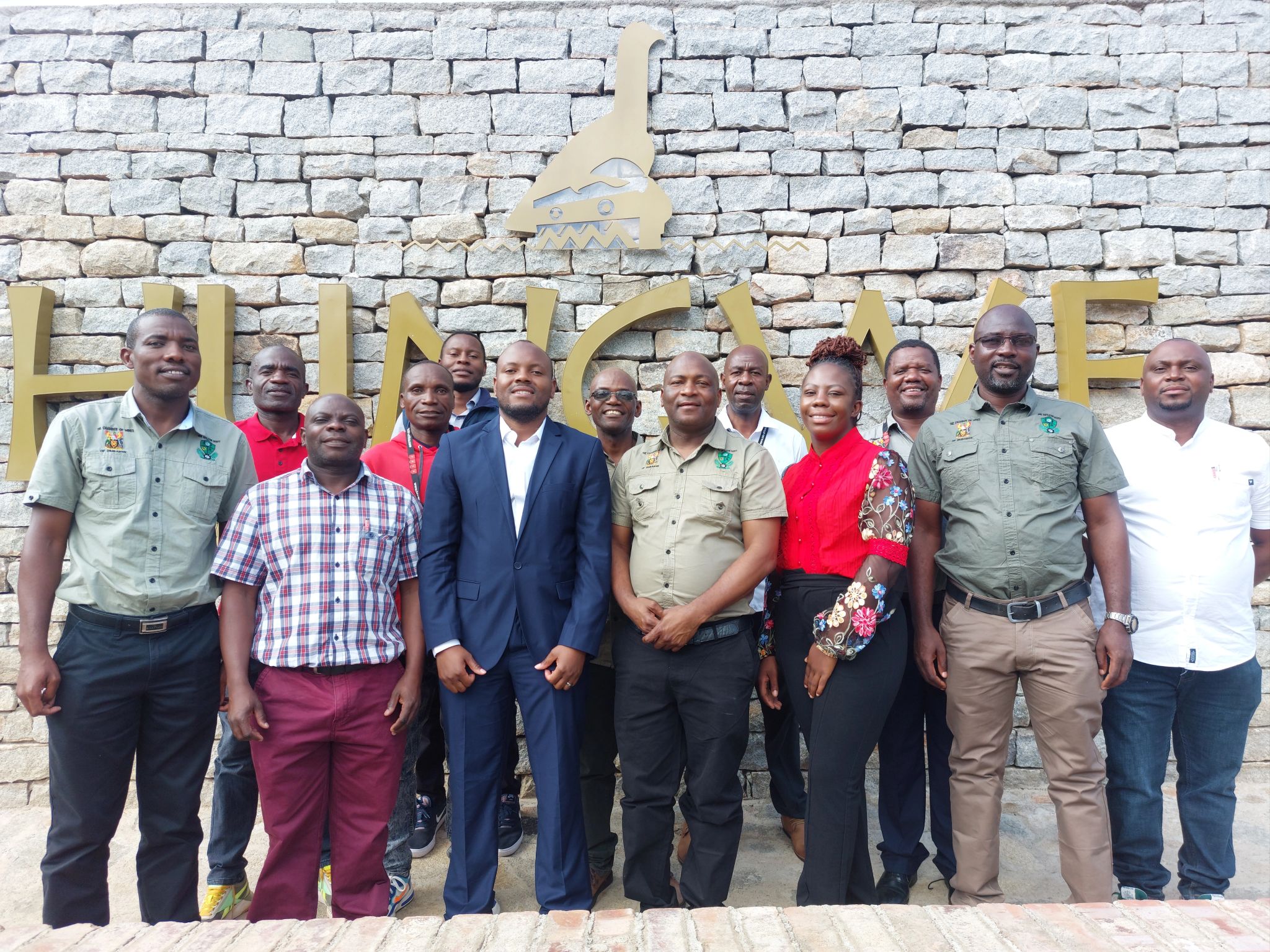
The gathering attracted a full representation of the mining sector, bringing together mining operators, local, regional, and international suppliers, regulatory authorities, representatives from the inspectorate, and training institutions.
The diversity of attendees underscored the wide-ranging importance of ventilation across all facets of mining operations.
Ventilation: The Bloodline of Mining Operations
Dr. T. Chikande, President of the MVSZ, described ventilation as the “bloodline” of mining. Delegates highlighted the growing challenges that make ventilation a strategic priority: increasing mining depths, complex geological conditions, higher fire load indices, and greater mechanisation. All these factors, Dr. Chikande said, have a direct impact on risk management and operational efficiency.
Regulatory Reform and Emerging Risks
A major takeaway from the conference was the need to review Zimbabwe’s mining ventilation regulations. Current regulations were primarily designed for conventional mines, yet mechanised operations have introduced new risks, including exposure to diesel particulate matter, recently classified as carcinogenic. Updating regulations to reflect these changes is critical, delegates agreed, to protect miners and ensure compliance with best practices.
Collaboration Across Stakeholders
Another key highlight was the importance of collaboration. Dr. Chikande emphasised the need for ventilation professionals to work closely with suppliers, training institutions, and peers within the ventilation fraternity to harmonise standards, particularly on occupational hygiene exposure. “Collaboration is essential if we are to manage risks effectively,” he said.
Elevating Ventilation Professionals
The conference also stressed the need to elevate ventilation professionals into decision-making roles. “Instead of remaining confined to operational roles underground, ventilation experts must have representation in boardrooms,” Dr. Chikande said. He explained that their involvement is vital for risk management, operational efficiency, and managing ESG (Environmental, Social, and Governance) considerations.
Support for Artisanal Miners
The symposium did not overlook the artisanal mining sector, which faces significant safety challenges. Many small-scale miners operate without ventilation planning and often neglect personal protective equipment. Dr. Chikande noted that occupational hazards in this sector, including pneumoconiosis and noise-induced hearing loss, may only appear years later. He called on professionals to extend their expertise to artisanal miners and encouraged suppliers to develop cost-effective, scalable solutions suitable for smaller operations.
As the MVSZ moves forward, the priorities are clear: strengthen ventilation practices, update regulations to reflect modern risks, foster collaboration, elevate professionals to strategic roles, and extend support to artisanal miners.
For Zimbabwe’s mining sector, the message from the conference was unmistakable — ventilation, safety, and expertise must underpin every operation, from the deepest shafts to the boardroom.

