Home Blog Page 53

Gold buying prices per gram/ ounce, 2 October 2025

Gold buying prices in Zimbabwe per gram/ ounce, 2 October 2025, from the official gold buyer and exporter Fidelity Gold Refinery (FGR).

CategoryPrice ($/g)Price ($/oz)
SG 90% and ABOVE117.643,657.59
SG 85% and above but below 90%116.393,618.68
SG 80% and above but below 85%115.153,580.07
SG 75% and above but below 80%113.903,541.15
Sample 5g and above but below 10g112.033,482.36
Fire Assay CASH118.263,678.64

NB: Fire Assay cash price is for gold above 100g, no sample is deducted.

A sample of not more than 10g is deducted for the Fire Assay Transfer price

Teenager Jailed as ZCDC Intensifies Crackdown on Illegal Diamond Panners

0

An 18-year-old man from Mutasa has been sentenced to two years behind bars, becoming the latest individual to feel the “full wrath of the law” in a renewed clampdown on illegal mining within Zimbabwe’s restricted Chiadzwa diamond fields, Mining Zimbabwe can report.

By Rudairo Mapuranga

According to the National Prosecuting Authority, Gwata Adonis was convicted by the Mutare Magistrates’ Court after being caught red-handed by security personnel from the Zimbabwe Consolidated Diamond Company (ZCDC) in the early hours of September 25, 2025.

The court heard that at around 4 a.m., ZCDC security guards on patrol spotted Adonis and an accomplice, who managed to evade capture, inside the highly secured mining concession. The two were allegedly carrying sacks filled with suspected diamond-bearing ore. Adonis was swiftly apprehended, and the sack of ore was seized and later tendered in court as evidence.

The arrest and subsequent conviction are part of a broader, intensified security offensive by the ZCDC to protect the nation’s mineral wealth. This case comes just days after another Mutare court handed down similar two-year sentences to two other illegal panners, Tinashe Moyo (22) and Tawanda Chifamba (24), who were arrested in the same area on September 22.

In that separate but related incident, the pair was discovered hiding in a bushy area within the ZCDC concession, also in possession of mining tools and suspected diamond ore. The back-to-back convictions signal a zero-tolerance approach from both the state-owned miner and the National Prosecuting Authority (NPA).

In an official news bulletin announcing Adonis’s sentencing, the NPA underscored the severe impact of such crimes. “Illegal mining activities not only prejudice the nation of valuable resources but also endanger lives,” the authority stated, concluding with a firm warning: “Offenders will face the full wrath of the law.”

The ZCDC, which holds the exclusive mandate to mine diamonds in the Marange area, has been battling illegal artisanal miners for years. The company has recently bolstered its security and surveillance operations, leading to an increase in arrests. These operations are critical, as the loss of revenue from illicit mining directly impacts national treasury receipts.

The case of Gwata Adonis serves as a stark reminder of the risks involved and the government’s current hardened stance. As the ZCDC continues to foil illegal prospecting attempts, the courts are demonstrating their readiness to impose custodial sentences to deter a crime that continues to plague Zimbabwe’s most lucrative mining sectors.

Prospect Lithium Zimbabwe Contributes $50 Million in Taxes Despite Global Lithium Price Slump

0

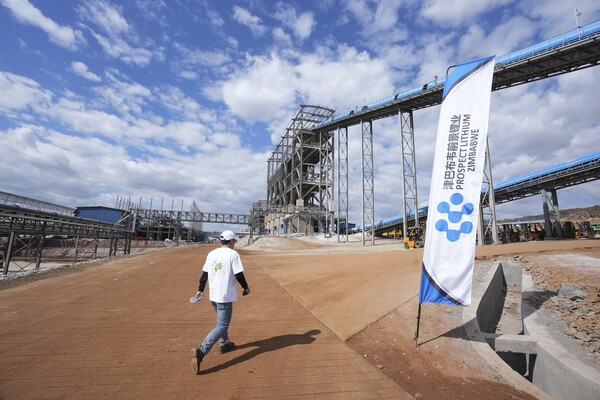
Prospect Lithium Zimbabwe (PLZ), part of the resource base of leading Houyao Cobalt, has reported paying US$50 million in taxes to the government, underscoring its role as a major contributor to Zimbabwe’s economic growth, Mining Zimbabwe can report.

By Ryan Chigoche

Beyond tax payments, the company has also created over 1,000 jobs and generated more than US$800 million in foreign exchange since inception, highlighting the broader impact of its operations.

This performance is particularly notable given the severe downturn in the global lithium market, which has seen prices fall by over 90% since late 2022 due to oversupply from China and fluctuating international demand.

While many producers have scaled back operations, delayed projects, or cut costs, PLZ has maintained steady production, demonstrating resilience and commitment to the country’s mining sector.

The company operates a concentrator facility with an annual processing capacity of 4.5 million tonnes of ore, producing 400,000 tonnes of lithium concentrate.

Unlike some miners who export raw ore, PLZ adds value locally by processing lithium concentrate on-site. Even amid a severe slump in global lithium prices, PLZ has continued operations, maintaining its fiscal contributions and supporting thousands of jobs.

Unlike some miners who export raw ore, PLZ adds value locally, ensuring that part of its economic contribution remains within Zimbabwe.

“I think you’ve heard that some companies have scaled down because of the global lithium price decline. But we’ve managed to maintain stable operations despite the 90% global lithium price decline for the past two years. And those are our contributions to the economy. We’ve paid 50 million in taxes. We have created over 1,000 jobs and we’ve generated over 800 million in foreign exchange since inception,” said Patience Chizodza, PLZ Communications Manager.

Looking ahead, PLZ is pursuing lithium sulphate value addition projects, which are expected to generate US$200 million in foreign exchange annually.

“We have adopted advanced technology for the plant and we expect to generate 200 million foreign exchange annually,” Chizodza added.

Local lithium miners are often criticised because much of the financial benefit flows to their home countries, and with limited value addition, export earnings remain relatively low.

Yet, tax contributions, royalties, and levies provide a tangible way these companies support the local economy, funding public services, infrastructure, and broader national development.

Houyao Cobalt Group and Its Operations in Zimbabwe through PLZ

Houyao Cobalt focuses on producing battery precursor materials and recycling used batteries rather than manufacturing finished products.

The group operates across Africa, Southeast Asia, and Europe, leveraging technical expertise and financial strength to ensure resource security.

Globally, Houyao Cobalt has strategic partnerships in the electric vehicle and battery sectors, including collaborations with Ford for EV batteries and downstream recycling projects with BMW, Mercedes-Benz, and LG Chem in Indonesia.

These partnerships underscore the group’s commitment to integrating advanced technologies and sustainable practices.

In Zimbabwe, Houyao Cobalt has invested heavily through PLZ, including the lithium sulphate and lithium concentrate project and a new ATZ plant.

The total acquisition cost for PLZ was $422 million, with an additional $300 million invested to establish the concentrator facility. This concentrator enables the primary processing of lithium ore into concentrate, moving beyond exporting raw ore.

The PLZ concentrator processes 4.5 million tonnes of ore annually, producing approximately 400,000 tonnes of lithium concentrate, cementing PLZ’s role as a resilient and impactful player in Zimbabwe’s lithium sector.


Mazowe Farm Mine Tragedy Kills Four Artisanal Miners

0

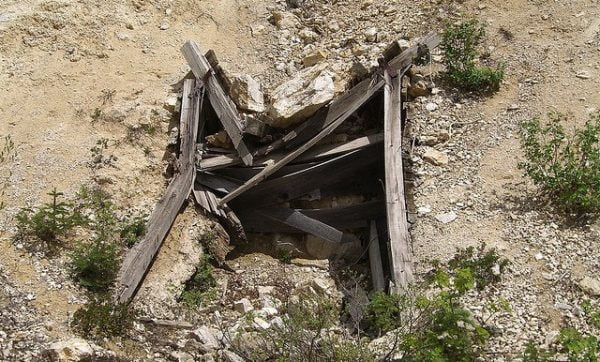
Four artisanal miners have been confirmed dead after a mine shaft collapsed at Umsasa Farm in Mazowe. This incident renews scrutiny on lax safety enforcement within the country’s high-risk small-scale gold sector.

The Zimbabwe Republic Police (ZRP) issued a press statement on Tuesday confirming that four bodies were retrieved from the collapsed shaft following the accident, which occurred on September 28, 2025. The victims, all male adults aged between 19 and 26, were identified by next of kin, and their bodies were taken to Concession District Hospital for post-mortem examination.

The deceased were named as Prince Gobvu (19), Alton Sibanda (25), Kenneth Mhandire (24), and Tapiwa Meskano (26). The confirmation of four fatalities follows earlier reports that up to five miners had been trapped in the 20-meter-deep shaft collapse at the Mamini area of the farm.

The tragedy highlights the persistent structural safety deficits plaguing Zimbabwe’s gold mining landscape. The small-scale and artisanal sector, often comprising thousands of informal miners (known locally as “omakorokoza”), contributes a significant portion of the country’s gold production. However, operations frequently take place in disused or unregulated claims, with inadequate protective gear and substandard infrastructure, leading to frequent collapses, particularly during the rainy season.

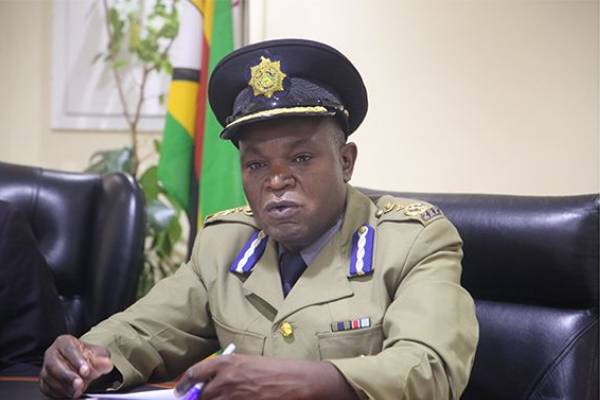
In their statement, the ZRP, through Chief Staff Officer (Press and Public Relations) Commissioner P. Nyathi, reiterated a stern warning to operators.
“The Zimbabwe Republic Police reiterates that mine operators should prioritise safety protocols and, above all, conduct regular mine inspections to identify potential hazards,” the statement read.

While the government has sought to formalise the artisanal sector to boost state revenue and improve working conditions, regulatory bodies often struggle to monitor and enforce compliance across the geographically widespread and often informal mining sites.

Accidents of this nature are commonplace in gold-rich regions such as Mazowe, Shamva, and the Midlands, casting a shadow over the country’s ambitious targets for its mineral-based economy.

The Mazowe incident serves as a stark reminder of the human cost incurred by the lack of stringent oversight in a sector that remains vital to Zimbabwe’s economic stability.

Premier Reports US$7.7 Million Loss Amid Ongoing Zulu Plant Optimisation

0

AIM-listed mining and exploration junior Premier African Minerals Limited has reported an operating loss of US$7.687 million for the six months ended 30 June 2025, largely attributed to ongoing overheads and administrative costs associated with the construction, installation, and optimisation of its flagship Zulu Lithium and Tantalum Project in Fort Rixon, Mining Zimbabwe can report.

By Rudairo Mapuranga

In his first interim statement since formally taking over from long-time CEO George Roach, new Managing Director Graham Hill highlighted that Premier remains firmly focused on unlocking Zulu’s potential.

He, however, said that Premier’s cash at hand during the period fell to just US$29,000, underscoring the financial pressure the company continues to face as it works to stabilise operations. Despite this, he said Premier had received continued support from its shareholders throughout the period, helping sustain progress on optimisation and negotiations around funding.

“The optimisation process is advancing and has already delivered some encouraging results, but further refinements are required, and there can be no assurance that the plant will consistently reach its designed performance within the near term,” Hill said.

Over the past three months, the company has installed flotation inserts, froth crowders, and flow directors, which have already improved recoveries. Work is now underway to improve spodumene grade, with Hill expressing confidence that further refinements supported by the OEM will bring the plant closer to its intended capacity.

Premier also confirmed that its review of a potential secondary flotation plant is nearing completion. Depending on test results, the company may pursue an acquisition either to serve as a primary replacement or as a supplementary unit to expand Zulu’s designed production capacity.

Looking ahead, Hill stressed that securing a revised offtake agreement and complementary funding package remains critical. Negotiations with a major trading house, as previously flagged, are progressing, with further site visits to Zulu expected in the coming weeks.

“Our constructive engagement with the major trading house is ongoing with the shared desire to see this through to final agreement both with Premier and particularly with Canmax,” Hill said, referencing the company’s offtake partner and major creditor.

Despite reporting losses, Hill said Zulu has the fundamentals to succeed, pointing to its SAMREC and JORC-compliant resource, strong infrastructure, market access, and availability of skilled expertise.

“Optimisation is progressing, commercial discussions are advancing, and the Board and I believe that Premier is taking the necessary steps to restore value for shareholders,” he added.

Premier will now look to conclude its optimisation work and secure the critical funding needed to bring Zulu into consistent production, with investors keenly watching whether Hill can stabilise operations and shift the company toward long-term growth.

New Leadership for Struggling RioZim as Dengu Takes Helm Amid Worker Unrest

0

The Zimbabwe Stock Exchange-listed miner RioZim has entered a critical new chapter, appointing veteran business leader Caleb Dengu as its Chairman in a comprehensive board overhaul designed to steer the company through a period of deep operational and labour challenges, Mining Zimbabwe can report.

By Rudairo Mapuranga

The leadership reset sees Dengu replacing Mr S. R. Beebeejaun, who resigned as Chairman of the Board with effect from the 7th of July 2025. The board, management, and staff extended their gratitude to the outgoing Chairman for his valuable contribution to the group.

The appointment of Dengu, an accomplished investment strategist with over four decades of international experience, signals a strategic pivot for the struggling miner. RioZim’s operations have been persistently hamstrung by severe power shortages, foreign currency constraints, and mounting debt. These challenges have been compounded by significant labour unrest, notably a protracted dispute with the Zimbabwe Diamond and Allied Workers Union (ZDAWU). The union has been representing workers in contentious negotiations over unpaid salaries and worsening working conditions, adding a critical layer of instability to the company’s operational woes.

The new Chairman will lead a reconstituted board that includes two other key appointments. Mr Vinit Saxena has been appointed as an Executive Director, bringing his expertise in security operations and risk mitigation to the table. Simultaneously, the board has been strengthened with the addition of Mr Kothagundla Srinivas as a Non-Executive Director. Srinivas, a seasoned financial expert from India, is expected to be instrumental in tackling the company’s financial troubles, bringing a proven track record in fundraising and corporate turnarounds.

The challenge for Caleb Dengu and his new team is formidable. They must not only revitalise stalled key projects, like the critical BIOX plant, but also navigate the company through its severe liquidity crisis and resolve the festering dispute with ZDAWU and the workforce. The success of this new leadership will be measured by its ability to restore stability, regain the confidence of its employees, and set RioZim on a credible path to recovery.

Gold buying prices per gram/ ounce, 1 October 2025

Gold buying prices in Zimbabwe per gram/ ounce, 1 October 2025, from the official gold buyer and exporter Fidelity Gold Refinery (FGR).

CategoryPrice ($/g)Price ($/oz)
SG 90% and ABOVE116.223,613.00
SG 85% – <90%114.993,576.40
SG 80% – <85%113.763,538.77
SG 75% – <80%112.533,501.16
Sample 5g – <10g110.683,439.26
Fire Assay CASH116.833,632.22

NB: Fire Assay cash price is for gold above 100g, no sample is deducted.

A sample of not more than 10g is deducted for the Fire Assay Transfer price

Gold buying prices per gram/ ounce, 30 September 2025

0

Gold buying prices in Zimbabwe per gram/ ounce, 30 September 2025, from the official gold buyer and exporter Fidelity Gold Refinery (FGR).

CategoryPrice ($/g)Price ($/oz)
SG 90% and ABOVE116.26$3,615.68
SG 85% – <90%115.03$3,577.14
SG 80% – <85%113.80$3,538.61
SG 75% – <80%112.57$3,500.08
Sample 5g – <10g110.73$3,442.16
Fire Assay CASH116.88$3,634.71

NB: Fire Assay cash price is for gold above 100g, no sample is deducted.

A sample of not more than 10g is deducted for the Fire Assay Transfer price


President Mnangagwa to Officially Open Mine Entra 2025

0

President Emmerson Mnangagwa will officially open the Mine Entra 2025 exhibition, scheduled to run from 8 – 10 October 2025, Mining Zimbabwe can report.

By Rudairo Mapuranga

The President will also be the Guest of Honour at the high-level conference accompanying the expo, which runs under the theme “Beyond Extraction: Sustaining the Future of Mining.”

The conference, organised by the Ministry of Mines and Mining Development, is expected to draw thought leaders, innovators, and decision-makers to discuss the future trajectory of this key economic sector.

Key topics on the agenda include Environmental Sustainability and ESG (Environmental, Social, and Governance) standards, Technological Innovation, Policy Reforms, and Economic Growth.

The conference will be held in Hall 2 from 8:30 a.m. to 2:00 p.m. Delegates can attend at a cost of US$200 per person.

MineEntra is one of the most significant events on the national calendar, highlighting the mining sector’s role as a primary driver of the economy. The theme emphasises a strategic shift from mere mineral extraction to value addition and sustainable practices, aligning with the government’s broader economic goals.

Five Artisanal Miners Trapped in Mazowe Mine Shaft Collapse

0

The Zimbabwe Republic Police (ZRP) has confirmed a mine accident that occurred at Mamini, Umsasa Farm in Mazowe on 28 September 2025.

According to police, five artisanal miners were trapped underground after a 20-metre-deep shaft in which they were working collapsed.

“The ZRP confirms a mine accident which occurred at Mamini, Umsasa Farm, Mazowe on 28/09/25, where five artisanal miners were trapped after a 20m deep shaft in which they were mining collapsed. Rescuing teams are currently on the ground. More details will be released in due course,” the Police said on Twitter.

Rescue teams have since been deployed to the site and are currently working to reach the trapped miners. Authorities said more details regarding the incident will be released in due course as rescue operations continue.

Mine accidents involving artisanal and small-scale miners remain a major concern in Zimbabwe, especially in the Mazowe area, where unsafe mining methods expose workers to life-threatening risks.