

Home Blog Page 579

Zimbabwe Stock Exchange suspends trading

0

The Zimbabwe Stock Exchange (ZSE) has suspended operations.

In a letter address to Stakeholders on the 28th of June 2020, the ZSE said following the statement issued by the Secretary for Information, Publicity and Broadcasting Services Mr Nick Mangwana on 26 June 2020, the Zimbabwe Stock Exchange Limited engaged both the Securities and Exchange Commission of Zimbabwe and the Ministry of Finance and Economic Development.

Listed below is the ZSE Statement in Full

Following the statement issued by the Secretary for Information, Publicity and Broadcasting Services on 26 June 2020, the Zimbabwe Stock Exchange Limited (“ZSE”) engaged both the Securities and Exchange Commission of Zimbabwe (“SECZ”) and the Ministry of Finance and Economic Development.

Whilst we await the guidance from our regulators on the operational modalities going forward, we notify our stakeholders that trading has been suspended until further notice.

For any enquiries, you can email [email protected].

Zimbabwe last week suspended the use of Monetary Transactions on Mobile Based Money Platforms (One Money, MyCash, Ecocash and Telecash) dated 26 June 2020. Although the suspension of transactions was mentioned by the Information Ministry in its press release RBZ did not mention the stock exchange suspension.

The Government said the unprecedented measures were necessitated by the need to protect consumers on mobile money platforms which have been abused by unscrupulous and unpatriotic individuals and entities to create instability and inefficiencies in the economy.

SEE FULL DOCUMENT HERE


Finance and Mines Ministers tour colliery companies

0

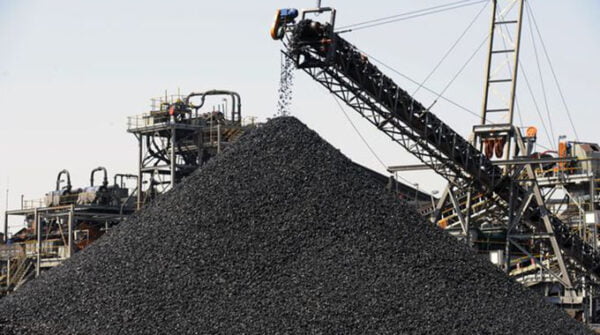
MINES and Mining Development Minister Winston Chitando and his counterpart Finance and Economic Development Minister Professor Mthuli Ncube were in Hwange last week where they were touring some of the colliery companies on a fact-finding mission on the challenges facing the sector.

The companies being visited were Zambezi Gas, Zimbabwe ZhongXin Colliery Company, Jinan Coking Coal Project, South Mining Coking Coal Project and Afrochine Coking Plant. Coal is one of the major minerals being exploited in the Matabeleland North.

Government has identified the black gold as one of the major minerals to contribute to the attainment of the targeted US billion mining industry economy by 2023.

Over the years, the Government has awarded Special Grants for coal exploration and mining to a number of companies. Chronicle

Caledonia declares another increased quarterly dividend

0

Caledonia Mining Corporation Plc today announces that the Board of Directors has declared a further increased quarterly dividend of eight and a half United States cents (US$0.085) on each of the Company’s common shares.

Highlights

·    13 per cent increase from the previous quarterly dividend of 7.5 cents, which, together with the increase to the dividend in January 2020 from 6.875 cents, represents a cumulative 24% increase since October 2019.

·    Significant business resilience demonstrated through the COVID 19 pandemic with gold production levels still within the range of 2020 guidance of 53,000 – 56,000 ounces

·    Stable production, a high gold price and good cost control have resulted in increased cash generation in 2020; this has given the board confidence that the business can sustain a higher level of dividend distributions

  • Central Shaft on track to be completed in Q4 2020.
  • Target production of 80,000 ounces of gold per annum from 2022.

 Commenting on the announcement, Steve Curtis, Chief Executive Officer, said: 

“We are pleased to announce a 13 per cent increase in the dividend which reflects our continuing confidence in the outlook for our business.  As we reported in our Q1 2020 results, our financial performance has been strong due to increased production and a higher gold price which has continued into Q2 2020.

“As we approach the end of the five-year investment programme at Blanket Mine, we anticipate the rate of capital expenditure will begin to reduce towards the end of 2020, which gives us greater flexibility to consider deploying some of our cash reserves on an increased dividend. 

“We expect the Central Shaft equipping to be completed in the fourth quarter of 2020; thereafter we look forward to the commissioning of the shaft and further increases in operating cash flow as production is expected to increase by over 30 per cent over the coming 24 months to approximately 75,000 ounces in 2021 and to the target rate of 80,000 ounces of gold per annum from 2022, as capital expenditure falls further and we begin to realise the operational efficiencies arising from the new shaft. 

“The Board will review Caledonia’s future dividend distributions as appropriate while considering the balance between delivering returns to shareholders, pursuing the significant growth opportunities within Zimbabwe and maintaining a prudent approach to financial management.”

The relevant dates relating to the dividend are as follows: 

  • Ex-dividend date: July 162020
  • Record date: July 172020
  • Dividend cheque mailing date: July 312020

Shareholders with a registered address in the UK will be paid in Sterling.

Chrome exports to China to resume

0

Zimbabwean chrome miners will resume exports to China following revelations that China has started opening up its chrome market which was halted due to the Covid-19 pandemic and depressed prices.

Zimbabwe Miners Federation secretary for external affairs Gift Karanda told Business Times that local chrome companies will be resuming exports after engaging National Railways of Zimbabwe on ensuring the uninterrupted movement of cargo. He said “We are now resuming exports to China this coming week. China is now opening up the chrome market for our chrome and the prices have started going up slightly.”

The local chrome mining sector has been in a crisis following a crash in chromes prices in China as well as the coming of Covid-19 which has seen the majority of chrome miners and exporters mainly of Chinese origin halting operations and withholding their product. Since the beginning of November, the Chinese market experienced a sharp decline in chrome prices of about 4000 Yuan, a situation which has seen most miners in Zimbabwe holding on their product as exporting at the current price remains less viable. By the time the markets stopped coupled by Covid-19, chrome ore was selling in China at around USD 70 per tonne depending on the grades while ferrochrome is selling at USD 0.80 per pound.

China is the world’s top consumer of chromium, as well as the top stainless steel producer while Zimbabwe is the second largest ferrochrome and chromite ore producer supplying 60% of its product to the Asian giant for manufacturing of stainless steel.

Source: Business times

ZELA conducts research on formalisation of Artisanal miners

0

A local Non-Governmental Law Association, Zimbabwe Environmental Law Association is seeking to carry out a research on the formalisation of the artisanal and small-scale mining (ASM) sector.

The organisation’s motivation to carry out this research emanates from the fact that the artisanal and small- scale mining (ASM) formalization is long overdue in Zimbabwe.

“Few alternatives to agriculture are available for rural populations in Zimbabwe and harvesting the much-needed steady mineral-driven economic growth in the mining sector, formalization is of the essence. The Africa Mining Vision underpins a ‘transparent, equitable and optimal exploitation of mineral resources to underpin broad-based sustainable growth and socio-economic development’  to address the lack of maximized value from the extractive sector,” it said in its statement

“Mining sector plays a pivotal role in the economic development of Zimbabwe, contributing more than 60% of export receipts, more than 13% to GDP direct investment into the country. In 2019 the artisanal and small-scale miners contributed 17,478 tonnes (compared to 10,181 for primary producers), which is about 60% of the total gold deliverables of 27.66 tonnes recorded with the Fidelity Printers and Refineries (FPR).”

The association said despite its immense contribution to the economy, the ASM sector is associated with numerous challenges such as environmental degradation, lack of technical skills, funding, smuggling, lack of adequate equipment and machinery and lack of business acumen among others.

“Policy, legal and regulatory framework in Zimbabwe are necessary to limit revenue leakages and mitigate the negative environmental and socio-economic impacts associated with the ASM sector. The key issues to be addressed include the registration of the ASM sector for compliance with laid down regulations, responsible entrepreneurship through access to geological data, sustainable livelihoods for those involved in the ASM sector. Some vital actions include public consultations to ensure that the concerns of necessary stakeholders are taken into consideration whilst making clear the advantages disadvantages of ASM formalization,” it said.

It said its major objectives are to produce a paper assessing the need for formalization of the ASM sector and make policy and legal recommendations to ensure a congenial environment between ASM, large scale miners and the regulatory authorities.

And its specific Terms of Reference are to investigate the background of ASM operations across the mining value chain; highlight the challenges currently associated with the lack of formalization of the ASM sector and benefits associated with formalisation and formulate recommendations of national policy and legal framework on ASM formalization.

On Key Deliverables it said it will produce an analytical paper that will explore current ASM operations in the absence of formalization; and policy and legal recommendations for the formalization of the ASM sector to harness maximum benefit from mining activities in Zimbabwe.

The qualifications would be the consultant must have a law degree and/ or any other relevant degree and have at least 8 years’ experience in national work in the following fields; mineral resource governance, artisanal and small scale- mining and any other related field.

“The Consultant is expected to have the ability to coordinate and moderate the relevant deliberations on the proposed legislation. Interested and qualified Consultants who meet the above requirements should send their application clearly stating how they meet the requirements, a methodology to be used and cost of the consultancy to- [email protected]. The title of the consultancy should be clearly stated in the email subject,” it said. BYO24

BREAKING: RBZ Clarifies mobile money transactions ban

0

The Reserve Bank of Zimbabwe has clarified the mobile money transactions ban following a government press statement released yesterday.

Below is the RBZ press release in full:

Following the Government Press Release on the Suspension of Monetary Transactions on Mobile Based Money Platforms (One Money, MyCash, Ecocash and Telecash) dated 26 June 2020, the Reserve Bank of Zimbabwe (the Bank) wishes to advise the public as follows:

a) All mobile money agents are suspended from facilitating mobile financial transactions with immediate effect.
b) All merchant transactions are suspended except for receiving payments for goods and services as well as payment of utilities (water, power and airtime), which have been limited up to ZW$5000 per day for the convenience of the transacting public.
c) All mobile money liquidations should be done through the banking system.
d) All bulk payer transactions have been suspended with immediate effect.

These unprecedented measures have been necessitated by the need to protect consumers on mobile money platforms which have been abused by unscrupulous and nonpartisan individuals and entities to create instability and inefficiencies in the economy.

Members of the public are assured that their bonafide transactions will be processed normally.

Zimbabwe suspends mobile money transactions

0

Zimbabwe Government has suspended all monetary transactions on phone-based mobile money platforms as well as trading on the Zimbabwe Stock Exchange.

Announcing through the Ministry of information and Publicity twitter page government outlined that Measures are intended to deal with malpractices, criminality and economic sabotage.

https://twitter.com/MinOfInfoZW/status/1276566433288400897

Army terminates Chinese platinum deal

0

The military is terminating its platinum mining deal with a Chinese firm to pave the way for new investors after over a decade of unfruitful engagement.

The development comes after Global Platinum (GPR) which was established in 2004 by the army and Chinese firm, Wanbao Rexco, has failed to mine a single ounce of the white metal from 520 million ounce platinum resources-rich mine along the Great Dyke area.

GPR technical manager Retired Brigadier General Livingstone Chineka told Business Times that the government is officially terminating the deal to pave way for other investors.

“We are fed up with Wanbao Rexco since they came here in 2004 employing their own people and exploiting the country’s platinum resources for absolutely nothing, we can’t accept that.

“We knew that there was nowhere we were going with that deal but Covid-19 has made them accept that the deal is no longer in 2020 as world economies continue to crash due to the effects of the epidemic. The position is that Wanbao is no longer part of GPR and we expect the new investors to come on board when the lockdown restrictions come to an end,” Chineka said.

The army-Chinese marriage has been rocky amid claims the foreign investor was allegedly fleecing off the locals. The dispute centres on allegations that the company only employed Chinese explorers to carry out pre-feasibility and feasibility studies at inflated prices. Wanbao has spent over US$80m in exploration and feasibility studies.

A recent audit also stoked suspicions after US$20m was unaccounted for. The Chinese company which was spending US$1m for maintenance has finally dumped the project due to viability challenges.

Chinese feasibility studies were said to cost more than what the local studies cost as the Asians wanted to take more money from the deal.

In January this year, the army and Chinese investors met VicePresident Chiwenga to plot the way forward for the platinum miner.

The parties agreed to work together but the situation did not take time as Covid-19 intensified in March and everything stopped.

GPR is said to have untapped platinum claims of 86,7km2 which is a way bigger than those of Ngezi, Mimosa and Unki mines combined.

Chineka said they were convinced that the argument about the project is not based on the economic viability of the project but completely driven by financial difficulties on the part of the Chinese partners.

He argued that the root of all their problems with their Chinese counterparts was the failure by Wanbao to respect and honour the local people as all personnel, materials came from China without any benefit to the local people.

He also said petty things like exercise books, tissues and all stationery came all from the Far East yet there are a lot of local companies and skilled workers who can do the job.

When contacted for comment Wanbao officials could not pick their mobile phones.

Zimbabwe holds one of the world’s largest known platinum deposits and has been pushing mining firms operating in the country to build refineries to stop the export of raw platinum ore to earn more foreign currency.

Business Times


Workers foil machete gang mine robbery, effect citizen arrest

0

Five suspected machete gangs popularly known as Bhambadzi on Tuesday night invaded a mine in Collen Bawn Matabeleland South with an intent to steal gold ore.

By Dumisani Nyoni

Bush Park 10 mine owner Tichaona Muzenda told Mining Zimbabwe Magazine that one of his workers foiled the robbery by attacking the robbers with an axe.

The suspects tried to flee using a getaway car they had parked outside the mine but mine workers intercepted their car, overpowered them before effecting a citizen arrest, he added.

The two suspects, a man and woman, together with their getaway car were taken to Colleen Bawn Police Station.

The two have since appeared in court and were remanded in custody until next week while the other three suspects are still at large.

“We suspect they were trying to steal gold ore and money,” Muzenda said.

Zimbabwe Miners Federation Matabeleland South secretary-general, Philemon Mokuele said about 60 mine owners stormed the Colleen Bawn Police station after hearing that the police had wanted to release the suspects before doing thorough investigations.

He, however, said after engaging the police over the matter, the officer-in-charge handled the case “professionally, all our concerns were taken care of which convinced the magistrate that they deserve to be remanded in custody until next week whilst police will be searching for those who are still on the run.”

“We hope and trust that this case will be handled professionally and all culprits brought to book,” he said.

He hoped that all miners in the region will continue having that spirit of togetherness to fighting against violence in the mining sector.

“I wish all miners can continue having this spirit of working together in handling these issues because if we just leave everything to the police, it will be difficult for the police to handle these cases in a manner which will satisfy all of us but if we participate it will help us to end this terrorism by these machete guys,” he said.

ZELA Press Statement on the shooting of two miners at Reden Mine Gweru

0

The Zimbabwe Environmental Law Association (ZELA) condemns the shooting of two gold mine workers, Wendy Chikwaira and Kennedy Tachiona by their Chinese Mine employer at Reden Mine in Gweru on the 21st of June 2020.

Video, audio and picture images of the shooting incident were widely circulated on social media. A dispute allegedly occurred over outstanding wages and working conditions at Reden Mine. The mine owner is said to have shot the two at point-blank range after they demanded their outstanding wages. Both workers sustained injuries, with one shot on the chin while the other who was shot in the leg and thigh remains in hospital. ZELA understands that the Chinese mine owner and manager was arrested and is being charged with attempted murder. The Chinese embassy reportedly issued a statement in support of investigations by law enforcement agencies which they said should be done transparently and openly. They further indicated that he has no links with the Chinese Embassy and Government.

To us, this incident is part of a systematic and widespread pattern of labour rights violations by Chinese companies and investors in the extractive sector. In many parts of Africa, including Zimbabwe, Chinese mining investors have exhibited a history of bad safety, health, environmental, labour and human rights standards. Poor working conditions at Chinese companies are an old problem that is increasing. Mineworkers at Chinese mines often work in very dangerous, harsh and life-threatening environments. Despite the hard work and toil, the workers share little of the profits made by the mine owners in wages, social protection and other benefits. A 2012 study by South Africa Resource Watch which investigated Chinese labour practices in Zimbabwe, Zambia, and the Democratic Republic of Congo revealed that Chinese companies have engaged in widespread labour abuses and have subjected local employees in the mining industry to harsh and unfair working conditions. The report revealed that most Chinese mining firms exceed statutory working hours of eight hours a day, requiring employees to work 12 to 18 hours and that at the Makwiro platinum concessions workers do not receive overtime for 12 hours on the job. Low and measly wages, poor recruitment policies, discrimination, victimisation, sexual abuse, unfair dismissals and general Chinese hostility towards trade unionism among a litany of other poor working conditions punctuate most Chinese owned businesses. A study by ZELA in 2015 at Anjin Investments in Marange profiled such problems http://www.zela.org/…/no-strings-attached-the-plight-of-wo…/ .

From a safety and health perspective, many Chinese companies have appalling housing and sanitation facilities. Provision of Personal Protective Equipment (PPE) is often intermittent while medical check-ups for workers as prescribed by the law are erratic or non-existent. As a result, workers are often exposed to disease-causing environmental, safety and health elements such as noise, dust and hazardous chemicals and substances. Mine accidents are also commonplace. From an environmental perspective, many Chinese companies start operations without conducting Environmental Impact Assessments (EIA) to identify and address any potential negative environmental and social impacts of mining operations on communities and workers as required by the law.
In the advent of COVID-19, some of the egregious violations of workers’ rights at Chinese mines in Zimbabwe were exposed in a recent Mining Sector Situational Report produced by ZELA http://www.zela.org/…/covid-19-mining-sector-situational-r…/.

The report noted a great deal of workers’ safety and health concerns and exposure to contracting and spreading COVID-19 at the following Chinese owned mining companies; Anjin Diamond Mine in Marange, Zimberly Investment Hwange, Hwange Coal Gasification Company, South Mining, Sunrise Chilota Cooperation PVT LTD and Dingmao and Longrui among many others. The main safety and health concerns included lack of adequate personal protective equipment, poor accommodation and transport facilities that did not provide room for the practice of social distancing, limited access to adequate and safe water and other sanitation facilities such as toilets. Workers are provided with substandard gloves, masks, safety shoes and work suits.

Apart from the poor working conditions at Chinese mines, what is also of concern to ZELA is that, based on the history of Anjin in Marange, little or no attention seems to be paid by Government on payment of taxes, royalties and gold production levels and contribution to the fiscus. There are also well-documented cases of Chinese nationals arrested for smuggling gold and wildlife products. Returns submitted to the Zimbabwe Revenue Authority (ZIMRA) and the Ministry of Mines by Chinese small scale and large-scale mining entities should be closely scrutinised.

The shooting incident at Reden Mine and many other incidences of mine worker abuse, discrimination and ill-treatment may also be an indication of the need for Zimbabwe to rethink and reimagine its political and economic engagements with the Chinese. Over the years Zimbabwe and China signed many investment and loan agreements for cooperation in the mining, agriculture, infrastructure and communication sectors. The incident, therefore, raises political and economic questions. Have the labour laws of Zimbabwe been suspended by the Chinese? What is the role of politics in all this? Are the authorities lowering the standards for the Chinese without effecting any legal changes? How can productivity and efficiency be improved without abusing workers at the mine? The Chinese seem to be taking advantage of the political and economic ties between Zimbabwe and China and Zimbabwe’s desperation for Foreign Direct Investment (FDI) to commit criminal acts, disregard labour laws, partake in illegal mining activities, engage in leakages of minerals and illegal trade of minerals and other natural resources.

Recommendations

The incident at Reden Mine and the increasing entrance of Chinese investors into Zimbabwe, calls for the institution of several administrative, practical changes and steps by Government and other stakeholders including the following;

• Due process should be followed in dealing with the attempted murder case against the Chinese mine owner without fear or favour.

• Chinese mining and natural resource extraction companies and operations should be closely monitored for compliance with labour, environment, worker safety and health laws and standards. Enhanced and improved joint mine monitoring visits should be conducted by the Zimbabwe Miners Federation (ZMF), the Chamber of Mines, Mine Workers Unions, National Social Security Authority (NSSA), Ministry of Mines, Ministry of Environment , Tourism and Hospitality Industry Ministry of Labour and Social Welfare and Ministry of Health and other interested parties such as civil society groups.

• Chinese mining companies and other investors should be required by law to adopt and apply business and human rights and responsible sourcing standards in the mining sector. They should also be guided by the United Nations Guiding Principles on Business and Human Rights (UNGPs).This will enable them to identify and take measures to address all the risks associated with their operations including safety, health, environment, labour and community impacts of mining operations.

• The Government of Zimbabwe through the Human Rights Commission should consider assessing working conditions under Chinese owned enterprises in Zimbabwe.

• Government should institute a quick assessment of mineral production statistics, tax payments and mineral export receipts by Chinese gold mining companies, including a quick check on gold supplies to Fidelity Printers and Refineries. Public disclosure of such information will be key for promoting transparency and accountability.

• The Mine Workers Unions must increase visits and monitoring trips to mining areas where Chinese companies are operating from and work closely with community-based groups to monitor the living and working conditions of mine workers and impact on communities.
“Environmental justice through sustainable and equitable utilisation of natural resources and environmental protection”