These are the top nine gold-rich African countries.
1. Ghana
This country is now known as Africa’s top producer of gold. It equally has a number of mines located in different places which re-actively involved in gold mining. Let’s look at some of them below.
Taekwa Gold Mine
This is one of the largest gold mines in Africa. Its operations are run by Goldfields. The mine resource capacity of gold for the mine goes up to 15.3 million ounces. And in its reserves, the estimated amount of the resource is about 9.9 million ounces of gold.
Chirano Gold Mine
This mine is operated under open pit mining. It is located in the western part of the country, with an approximate distance of 25 miles to the south of the Bibiani gold mine. Operations of the mine began in the year 2005 by Red Back Mining, which later handed over to a subsidiary company known as Chirano Gold Mine Limited. The gold production of the mine stands at 3,800 kilograms per year.
Nzema Gold Mine
The mine’s location is in the southern region of Ghana on the Ashanti Gold Belt. The mine is under the management of Endeavor Mining Company, with its mineral resource standing at about 33.7 million tons of 1.3g/t grade.
Iduapriem Open Pit Mine
The mine is located about 15 miles south of the larger Tarkwa mines in the western part of Ghana. The mining activities are under the two major operations namely, the Teberebie and the Iduapriem operations, respectively.
Obuasi Underground Mine
The mine is found in the Obuasi within the region of Ashanti. It is also important to note that, this mine happens to be among the 10 largest gold mines in Africa. The mining activities date back to 1897, by AngloGold Ashanti. The mine is also regarded as the oldest there is in Ghana, where it concerns gold mining.
The Wassa Open Pit Gold Mine
The mine is run under open pit mining. It is located about 45 miles northeast of Tarkwa, with an estimated distance of about 120 miles from Accra in the Birimian Province. The mine is believed to host about 20 million troy ounces of gold reserves, and has been operational since the early 1990s.
Apart from the mines stated to be active in Ghana, there are several others which are under construction in order to maximise the production of gold in the country. Additionally, small-scale artisanal miners prospect for small amounts of gold all throughout the country. The mineral resources in this country are not just exceptionally rich, but also very vast and cover a large area.
2. South Africa
Recently toppled by Ghana our Southern Neighbor is long been known to be the largest producer of gold in Africa. Its operations in gold mining begun in the 1880s when gold was first discovered in Witwatersrand area in the Gauteng Province. This discovery led to a gold rush in the area; as a result many more places were discovered for gold mining. Such mines that followed after include the following.
The East Rand Mine
The gold mine is found in Boksburg, a city located in the eastern part of Johannesburg. It is one of the deepest gold mines in Africa, about 11,700 feet deep. This mine has been operational since 1893 with very high production of gold of about 80,000 ounces per year. But it has experienced some reduction in gold production over the years.
The Tau Tola Mine
The mine is found in Carletonville, yet another high-quality gold producing mine. However, the mine is shallower than the East Rand Mine. It is located in the vicinity of Johannesburg just like the East Rand Mine. It has been conducting mining activities since 1962, producing about 190,000 ounces of gold each year.
The Kloof Mine
The mine is in Westonaria, yet another famous place known for gold mining. But its operations are anticipated to cease by the year 2033 due to some challenges faced with mining in the region. But before that time can come, the mine has a huge potential to continue being among the top gold producing mines.
3. Tanzania
Amazingly, this country also hosts a number of gold mines worth taking note, as it stands a huge potential to continue being among Africa’s leading gold producers.
Buzwagi Gold Mine
This gold mine has been the second-largest open-pit gold mine in the country. It is located in the Shinyanga region on the southeast part of Kahama. Its operations are run by Acacia Mining when it was commissioned in 2009. And five years later, the mine was able to produce about 719,000 ounces of gold.
Bulyanhulu Gold Mine
The mine runs operations through underground mining. Its location is about 40 miles south of Lake Victoria in Shinyanga region. Likewise, the Acacia Mining Plc. also runs its operations. The mine is expected to remain operational up to 2016 due to its gold availability potential.
Geita Gold Mine
This is another famous gold open pit mine. It is located about 15 miles southeast of Lake Victoria in the District known as Geita. The operations of the mine are managed by the company, AngloGold Ashanti while producing reasonable amounts of gold annually.
Golden Prive Gold Mine
This is yet another open-pit mine, with its operations being undertaken by Resolute Mining Limited. It is found in the region of Tabora, within Nzanga District. Prospecting activities for the mine began as early as 1989, before the actual official commencement in the year 1999.
North Mara Gold Mine
The gold mining operations are done through open pit and underground mining. The mine is found in the northern part of Tanzania, in Tarime District of Mara region. Its operations were first initiated by Acacia Mining in 2002.
4. Mali
In this country, there are basically three major mines that must be known where it concerns gold mining.
Morila Gold Mine
This mine’s location is about 150 miles from Bamako in the south. There are two major operations undertaken in this mine, namely open pit and underground operations, which are managed by Randgold Resources.
The Sadiola Gold Mine
This is an open-pit mine located in the region of Kayes. It is jointly managed by three entities namely, AngloGold Ashanti, LamGold and the government of Mali.
Yatela
This is another open-pit mine found in the region of Kayes. Its location is about 20 miles north of the Sadiola and its mining activities began in 2001. The mine is also jointly managed by LamGold, AngloGold Ashanti and the government of Mali, respectively.
Mali is definitely poised to grow substantially over the next decades. The mineral resources are vast and have been underexploited.
5. Burkina Faso
This country is also among the countries known to produce gold, in various locations. This is another country with vast gold-bearing areas that have not been exploited to any large degree as of yet. Below are some of the major mines that account for most of the current gold production.
Kalsaka Gold Mine Project
The mine is located in the capital city of the country, about 40 miles northwest of Ouagadougou. The mine is believed to have about 6.5 million metric tons of gold, of which the grade is anticipated to be 1.6g/t grams per ton gold, as well as 2.7 metric tons of 1.2g/t gold grade. The mining operations are conducted by Banlaw Africa Limited.
Youga Gold Mine
It is located about 140 miles to the southeast of Ouagadougou, the capital city. The operations of the mine are jointly managed by the government of Burkina Faso with the shareholding of 10% and the Etruscan Resource, holding the rest of the shares.
Taparko-Boroum Open Pit Gold Mine
Its location is approximately 150 miles northwest of Ouagadougou, Burkina Faso’s capital. The mine began its operations in 2007 with a production capacity of about 4,400 kilograms of gold per year.
Essakane Gold Mine
The mine is located along the boundary of Sano and Oudalan provinces, which are about 250 miles northeast of the capital city. Its operations commenced in 2010 with a number of expansion projects finishing in 2013.
Inata Gold Mine
This is yet another gold mine operated under a joint venture between the government and Avocet. The mine began its operations in 2009, and its estimated mineral potential can take it up to 2027. The mineral resource for the mine is approximately 4.2 million ounces of gold with an average grade of 1.2 grams per ton.
6. Zimbabwe
Our country has been known for gold mining since the 13th century when the local settlers could extract the mineral from hills within their catchment areas of the kingdom. The following are the some of the mines hosted by the country.
Freda Rebecca
Freda Rebecca is the largest gold producer in Zimbabwe. It’s located close to Bindura’s Trojan Nickel mine, 90km north of Harare.
Freda-Rebecca mines 3,000 tonnes of ore and removes 8,000 bank of overburden on an average every day. The mine poured its first gold in April 1988.
Sabi Gold Mine
The operation of the gold mine is known to have begun in the year 1890. The mine is located in Zvishavane district, Midlands Province in Zimbabwe. Its operations were first acquired by the Zimbabwe Mining Development Corporation in 1984 and later taken by its subsidiary, Kimberworth Investments. Underhand stopping method has been known to be the major way used to extract gold in this mine.
RioZim
Rio Zimbabwe, a diversified miner owns two gold mines which are Renco Mine and Cam and Motor Mine in Kadoma.
The Renco Mine is 100% owned by RioZim Limited. The mining rights are held through mining claims, a mining lease and a special grant covering a total area of 2 736 hectares. The mine is located in the South-East of Zimbabwe in Nyajena communal lands, approximately 75km southeast of Masvingo.
The Cam and Motor Gold Mine is the second project in Rio Gold’s operations. The mine is located in the Kadoma area of Mashonaland West, Zimbabwe covering an area totaling 1, 151 hectares.
Jena Gold Mine
The mine is located in Nkayi of Zimbabwe, a District in Matabeleland on the northern part of the country which is about 75 miles west of Kwekwe town. The mining operations for gold extraction include the shrink stopping method and the underhand benching long hole open stopping method. This mine is known to process about 450 tons of gold ore.
Blanket Gold Mine
This mine happens to be one of Zimbabwe’s biggest gold mines. Its location is about 10 miles southwest of the city known as Gwanda, the headquarters of Matabeleland the south Province located about 400 miles from Harare the capital of Zimbabwe. The mine is run by Caledonia PLC, and produces about 45,500 ounces of gold per annum. It is also anticipated that the production is likely to rise to 80,000 ounces by the year 2020, although that may be hindered by Electricity challenges the country is facing.
7. Guinea
This country also can’t be left out when one talks about gold mining in Africa. Although the country has few active mines, many others are still developing. Thousands of small-scale miners pan the rivers using primitive methods to recover fine gold. Below are some of the major mines in the country.
The Lero-Karta Gold Mine
The mine carries out its operations in the northern part of guinea. The major method used in the production of gold in this mine is called the heap leach process. The mine is said to produce about 13.7 metric tons of gold of 2.6g/t grade
The Kart Open Pit Mine
This mine is also located in the northern region of guinea, a short distance from the Lero Mine. It is estimated to contain about 185,000 tons of gold with 4.6g/t grade.
The Siguiri Gold Mine
The mine is located within the confinement of Siguiri District in the northeast part of Guinea, the District in which the mine is found, is right on the bank of Niger River, the mine produces an approximate amount of 250,000 ounces of gold per year.
The Kiniero Gold Mine
This mine is located in the central part of Guinea, which is about 350 miles towards the northwest of Conakry. The annual production for the mine stands at about 60,000 ounces of gold, with its resource about 5.07 tons at an average of 3.12g/t grade.
8. Ethiopia
In the country of Ethiopia, not much of gold is produced. However, it is among the top ranking countries striving to increase gold production. Civil unrest over the past decades has limited serious interest by large mining companies to operate within Ethiopia. This is starting to change though, and there is great potential for serious mining in this country in the coming years. Its major active mines include.
Lega Dembi Gold Mine
This mine is located in the southern part of the country in Sidamo Province. The production of gold for the mine stands at 5 tons, per annum. Its operations are managed as a joint venture between the government and Midroc Company.
Tulu Kapi Gold Project
This one is located in the western part of the country, toward the border with Sudan. The mine’s operations are undertaken by Nyota Minerals Limited, producing about 5 tons of gold annually.
The other potential sources of gold in Ethiopia include the Sakaro region and Greenstone belts located in the northern and western parts of the country.
9. Cote d’Ivoire
In this country, gold production is equally not as much, but it is ranked among the leading gold producing countries in Africa. It is said that there are several areas that have not been explored yet for gold mining in this particular country, yet has the potential to produce more gold. Its proximity to Ghana makes many believe that there are likely some large gold deposits that have yet to be found. Below are some active operations in Cote d’Ivoire.
The Tongon Gold Mine
It is located about 34 miles away from the border between Cote d’Ivoire and Mali. It is known as the largest gold mine in the country. It covers about one square mile, owned by Randgold Resources while carrying out operations through the subsidiary, the Societe Des Mines de Tongon. The mining operations are estimated to run up to 2021.
The Angovia Gold Mine
This mine is located about 25 miles from the city of Yamoussoukro. The mine is managed by the Cluff Gold which began its operations in 2009, leading to the production of about 20,000 ounces of gold per year.
The Bonikro Gold Mine
This is another gold producing mine, which is located nearly 150 miles northwest of Abidjan, the capital of Cote d’Ivoire. Newcrest are the owners of the mining operations, producing an average of 150,000 ounces of gold annually when it was established in 2008.








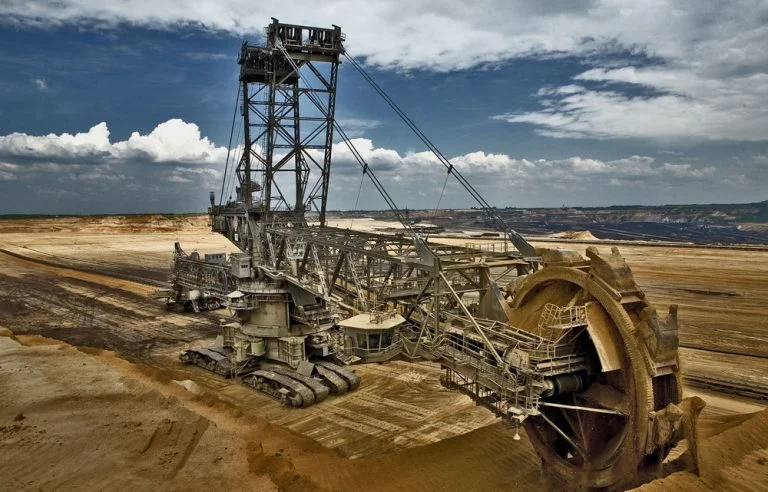
 The Bagger 288 was built for the job of removing overburden before coal mining at the Hambach strip mine in Germany. It can excavate 240,000 tons of coal or 23,240,000 cubic metres of overburden daily[3] – the equivalent of a football field dug to 30 m deep. The coal produced in one day fills 2400 coal wagons. The excavator is up to 220 m long (slightly shorter than Baggers 287 and 293) and approximately 96 m high. The Bagger’s operation requires 16.56 megawatts of externally supplied electricity. It can travel 2 to 10 m per minute (0.1 to 0.6 km/h). The chassis of the main section is 46 m wide and sits on 3 rows of 4 caterpillar track assemblies, each 3.8 m wide. The large surface area of the tracks means the ground pressure of the Bagger 288 is very small (1.71 bar or 24.8 psi); this allows the excavator to travel over gravel, earth, and even grass without leaving a significant track. It has a minimum turning radius of approximately 100 meters and can climb a maximum gradient of 1:18 (5° incline).

