



The energy at the Zimbabwe International Exhibition Centre in Bulawayo is undeniably electric. Mine Entra 2025 has truly arrived as an international-calibre event—a vibrant tapestry of innovation, powerful machinery, and promising deals, Mining Zimbabwe can report.
By Rudairo Mapuranga
From the stunning stands of industry giants like Hwange Colliery Company Limited (HCCL) Holdings to the buzz of international partnerships, the event is a resounding testament to the strength and ambition of Zimbabwe’s mining sector. The optimism is palpable, the conversations are forward-thinking, and the future of mining is being proudly displayed on the exhibition floor.
Yet, amidst this celebration of progress, a crucial community within the mining ecosystem found itself walking the halls with a growing sense of confusion and disappointment: the nation’s mine surveyors.
This year, MineEntra should have been their triumphant showcase. Fresh off a transformative new mandate from the Ministry of Mines and Mining Development, which requires all mining titles to be mapped using precise survey-grade coordinates, surveyors arrived in Bulawayo ready for business. They came not just as spectators, but as empowered professionals at the heart of a new, data-driven era for mining. They arrived, in their own words, “hoping to find a pool of solutions, only to find a single, disappointing drop.”
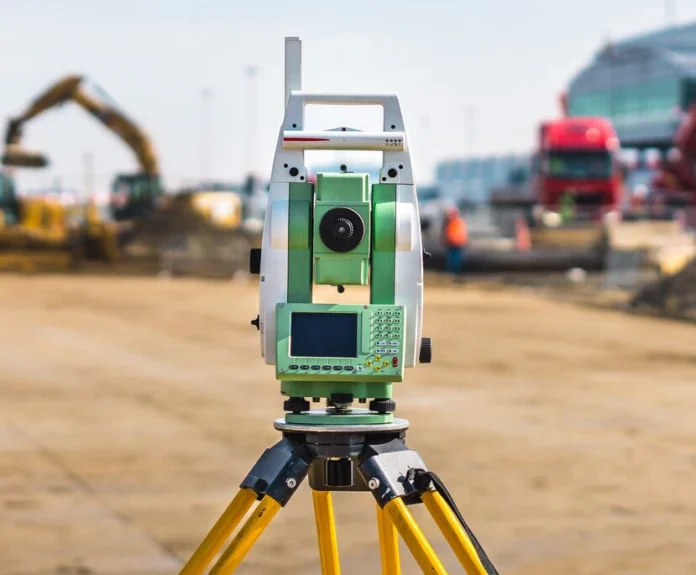
The sentiment on the ground was one of a massive missed opportunity. “We were left wondering why they would not show themselves here,” one surveyor commented, echoing a widespread feeling. “This is the premier mining event. Every mining company, every potential client, is here. We have a new, urgent need for the most advanced GPS, drones, and software—and the very providers who should be selling to us are absent.”
The strategic loss is twofold. For the survey equipment and services providers, their absence from MineEntra represents a staggering commercial miscalculation. They have missed a golden opportunity to position themselves as essential partners in this new regulatory landscape. At a time when surveyors are actively seeking reliable partners for high-precision tools, the exhibition floor lacked the very companies that could fulfil this urgent demand. They had a captive, motivated audience—and chose not to engage.
For the surveyors themselves, the absence was a practical setback. “We came to see, touch, and compare the latest technology,” another surveyor explained. “We wanted to have face-to-face conversations with technical experts, to understand which system best suits our new responsibilities. Instead, we are left to rely on brochures and websites, which are no substitute for a live demonstration at the country’s biggest mining expo.”
The message from MineEntra 2025 is powerful and clear: the Zimbabwean mining industry is charging full speed ahead. The ambition is international, the vision is sustainable, and the commitment is undeniable. The event has successfully showcased the sector’s massive potential.
But this year’s event also highlights a critical gap in the supply chain. As the industry evolves with policies that demand higher precision and better data, the supporting industries must evolve with it. They must be present in the rooms—and on the exhibition floors—where the future is being built.
The resounding success of MineEntra makes the absence of the survey technology sector all the more conspicuous. One can only hope that by MineEntra 2026, these vital partners will recognize that to be part of Zimbabwe’s mining journey, you must first show up.

