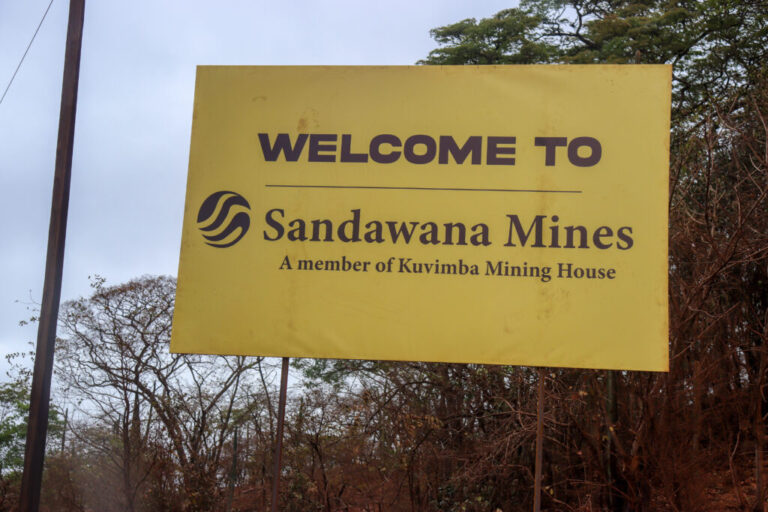
As Zimbabwe strengthens its position in the global battery minerals value chain, Bikita Minerals continues to stand out as a pioneer in lithium production and innovation. Under the leadership of Engineer Experience Kagodi, the mine has embraced cutting-edge technologies, sustainable practices, and strong community partnerships. In this exclusive interview, Mining Zimbabwe explores Eng. Kagodi’s journey, his vision for Bikita, and how the mine is adapting to the evolving demands of the green energy revolution.
Who is Engineer Experience Kagodi?
I am a seasoned Mining Engineering Professional with a career spanning nearly three decades of dedicated service and professional growth. My journey, marked by continuous learning and practical application, began with a foundational step on March 2, 1998, as a Learner Mining Official at the Zimbabwe German Graphite Mines’ Lynx Graphite Mine in Karoi, Zimbabwe. This initial exposure to the industry’s fundamentals ignited a lifelong passion for the field.
My professional odyssey has equipped me with a profound adaptive and versatile skill set, encompassing a broad range of commodities that span from graphite, gold, and platinum to nickel, copper, and lithium. My expertise is equally balanced across both underground and surface mining methods, giving me a holistic understanding of mining operations from exploration to extraction. This practical working knowledge, combined with my leadership capabilities, has seen me rise through the ranks in a variety of challenging environments across Southern Africa.
My career trajectory is a testament to my resilience, expertise and leadership, holding progressively responsible positions in several prominent mining operations. I currently serve as the Mine Manager at Bikita Minerals, a leadership role that leverages my extensive experience. Prior to this, my portfolio includes a key leadership position as Assistant General Manager at the Venice Mine Complex, and a significant tenure as Mining Production Superintendent at BCL Mining and Smelting in Botswana. My experience as Mine Manager at Inez Gold Mine and Site Manager at KW Blasting, Eureka Gold Mine, further highlights my role in managing diverse operations. My foundational management roles as Senior Mine Captain at Blanket Gold Mine and Mine Captain at Mimosa Platinum Mine, Shamva Gold Mine, and Ayrshire Gold Mine, along with earlier roles as Mining Engineer and Shiftboss for companies like Arcturus Gold Mine, Freda Rebecca Gold Mine, Trojan Nickel Mine, and Zimplats, have provided me with a rich operational background that informs my strategic decisions today.
You’ve worked across diverse commodities such as graphite, gold, platinum, nickel, and lithium. What are the key technical and operational differences you’ve observed in managing these various mining operations, and how do you adapt to each deposit’s unique challenges?
I have observed that the key technical and operational differences across various mining operations for commodities such as graphite, gold, platinum, nickel, and lithium stem primarily from distinct geological contexts, extraction methods, processing requirements, and end-user market demands. My management approach focuses on adaptability, specialised expertise, and a data-driven strategy to address the unique challenges of each deposit.
Key Technical and Operational Differences
The variations across commodities can be broken down into several core areas:
- Geology and Deposit Type
- Gold: Found in diverse settings, from narrow, high-grade vein systems in hard rock to vast, low-grade disseminated deposits. This variability means operations can range from highly selective underground mining to large-scale open pits.
- Platinum Group Metals (PGMs): Typically occur in narrow, tabular reef systems within large layered igneous intrusions (e.g., the Bushveld Complex in South Africa). The key challenge is consistently tracking and mining these narrow reefs with minimal dilution.
- Nickel: Deposits are broadly categorised into two types:
- Sulfide deposits: Found in magmatic intrusions and mined using conventional open-pit or underground methods. The ore is typically processed via flotation.
- Laterite deposits: Weathered near-surface deposits are often found in tropical environments. These require large-scale open-pit operations and different, often more complex, processing methods.
- Graphite: Found in metamorphic rocks as disseminated flakes or veins. The size and crystallinity (flake size) of the graphite are critical technical parameters that dictate its value and processing route.
- Lithium: Primarily extracted from hard-rock spodumene deposits (mined traditionally) or from continental brine deposits (pumped from aquifers and processed via evaporation).
- Mining Methods and Geotechnical Challenges
- Deep vs. Shallow: PGM and some gold operations often involve deep underground mining, which presents significant geotechnical challenges related to rock mechanics, ventilation, and heat management. In contrast, most graphite, lithium hard-rock, and nickel laterite operations are large, relatively shallow open pits.
- Processing and Metallurgy
- Complexity:
- Gold processing often relies on gravity, flotation, and cyanidation to capture very fine particles of gold.
- PGMs require complex flotation followed by energy-intensive smelting and sophisticated base metal and precious metal refining to separate the various metals.
- Nickel laterite processing is notoriously complex, utilising high-pressure acid leaching (HPAL) or pyrometallurgy, which are both capital-intensive and high-risk operations.
- Graphite processing involves simple crushing and flotation, but the technical challenge lies in maintaining the flake integrity to achieve premium pricing and then undertaking extensive chemical or thermal purification to meet the stringent specifications for battery anode material.
- Lithium hard-rock processing uses crushing and heavy media separation (HMS) plants, while brine operations rely on solar evaporation ponds and chemical precipitation steps.
- Product Specification: The end product varies dramatically. Gold produces near-pure bullion. Battery materials like graphite and lithium require ultra-high purity (99.95% C for graphite, battery-grade lithium carbonate/hydroxide) and specific physical characteristics (e.g., sphericity for graphite) to meet demanding end-user requirements.
- Environmental and Social Considerations
- Water Usage: Brine operations for lithium, laterite processing for nickel, and gold cyanidation all have significant water management needs and potential environmental impacts that require careful monitoring and mitigation strategies.
- Energy Consumption: Smelting operations for PGMs and nickel, and HPAL for nickel laterites, are major energy consumers. This drives a need for energy efficiency and the exploration of renewable power sources.
How I can Adapt to Each Deposit’s Unique Challenges
My approach to managing these diverse operations is based on a few core principles:
- Building Specialised, Adaptive Teams
I ensure that leadership and technical teams possess specific domain expertise. For a gold operation, we need experts in grade control and security; for a lithium project, we need chemical engineers and hydrologists. I foster a culture of continuous learning, as the technologies, particularly in the battery minerals space, evolve rapidly.
- Risk-Based Decision Making
I assess and prioritise the most significant risks for each project. For deep PGM mines, the primary risks are safety and geotechnical stability. For battery material projects, the main risks are typically processing bottlenecks, achieving product specifications, and managing community water concerns. By focusing on the material risks, we develop targeted mitigation strategies.
- Leveraging Technology for Efficiency
- Automation: I introduce automation where feasible and safe, particularly in large-scale open pits and underground equipment, to improve consistency and reduce costs.
- Data Analytics: We use data science to optimise processing plants, for example, to maximise flake preservation in graphite or improve recovery rates in complex PGM flotation circuits.
- Geological Modelling: For highly variable deposits like gold veins, we invest heavily in detailed geological modelling and near-mine exploration to ensure accurate resource definition and grade control.
- Integrated Stakeholder Management
I understand that each commodity has a unique stakeholder landscape. For gold, it’s often retail investors and security concerns; for battery minerals, it’s major automotive companies and ESG-focused investors who demand transparency and traceability in the supply chain. I tailor communication and sustainability initiatives to meet these specific expectations.
By combining deep technical knowledge with a flexible, risk-managed operational strategy, I effectively navigate the inherent complexities of mining a diverse range of commodities, driving performance and ensuring long-term project viability
Bikita Minerals operates one of Africa’s oldest and most significant lithium deposits. What are the unique geotechnical and geological considerations you must factor into mine design and production planning at Bikita?
Bikita Minerals, located in Zimbabwe, is renowned for its substantial lithium deposits, particularly within the Masvingo greenstone belt. When designing and planning production at Bikita, several unique geotechnical and geological factors come into play:
- Pegmatite Characteristics: The Bikita pegmatite is a world-class LCT (Lithium-Caesium-Tantalum) pegmatite type deposit, known for complex mineralogical composition and heterogeneity. Lithium-bearing minerals like lepidolite, petalite, and spodumene are prominent alongside other valuable minerals such as tantalum, rubidium and beryllium.
- Structural Controls: Structural analysis indicates that faults like the NE-SW trending Gono fault and the N-S trending Popoteke faults played a vital role in the emplacement of pegmatites. Fractures and shears are dominant local structures, often filled with pegmatitic material, suggesting these acted as conduits for pegmatite intrusion.
- Geological Setting: The deposit is hosted within the Masvingo greenstone belt, part of the Zimbabwe Craton, comprising metamorphosed basic volcanic rocks and sediments. Understanding the belt’s geology is crucial for exploration and mining strategies.
- Mineralogical Complexity: Variability in mineral composition affects processing; for instance, lithium concentration varies across different pegmatite bodies like the Dam Site pit and Victor’s pit. Key minerals include lepidolite, petalite, and spodumene.
- Alteration Processes: Hydrothermal alteration impacts mineralogy, with processes like albitization and formation of secondary minerals affecting lithium recovery.
- Resources Estimation: As of December 2023, Bikita Lithium Mine had resources estimated at -+113.3517 million tons of ore, equivalent to – +2.8847 million tons of lithium carbonate equivalent (LCE), indicating significant potential.
Considerations for Mine Design and Production
- Selective Mining: Given mineralogical variability, we apply selective mining techniques to optimise lithium recovery.
- Geotechnical Assessment: Understanding fault patterns and rock mechanics vital for safe excavation design, mining and stability.
- Processing Adaptability: Our mineral processing methods accommodate varying mineral compositions and alteration states through the use of gravity separation (GSP), flotation and optosort plants.
- Environmental Management: We apply strategic and systematic water and waste management interventions given the geological and hydrological context.
Given the global demand for lithium, how do you balance production rate optimisation with long-term mine life planning and resource conservation?
Balancing production rate optimisation with long-term mine life planning and resource conservation is crucial for sustainable lithium mining operations like Bikita Minerals. The key considerations include the following:
Production Rate Optimisation
- Market Demand: Aligning production rate with global lithium demand, particularly for battery manufacturing and renewable energy storage.
- Operational Efficiency: Streamlining mining and processing to reduce costs and enhance productivity.
- Cut-off Grades: Determining and implementing an optimal cut-off grade strategy to balance ore quality and quantity, impacting overall resource conservation.
Long-term Mine Life Planning
- Resource Modelling: Accurate geological modelling and resource estimation to uniform long-term planning.
- Sustainable Extraction: Planning extraction sequences to maximise resource recovery while minimising environmental impact and waste.
- Infrastructure Development: Developing infrastructure that supports long-term operations, including access roads, processing facilities and waste management.
Resource Conversation
- Selective Mining: Implementing selective mining techniques to minimise dilution and optimise lithium recovery.
- Processing Innovation: Adopting advanced processing technologies to improve recovery rate and reduce waste, eg the new caesium plant.
- Waste Management: Effective management of tailings and waste rock to minimise environmental footprint.
Strategic Considerations
- Stakeholder Engagement: Engaging with local communities, government agencies and other stakeholders to ensure alignment with sustainability goals.
- Environmental Stewardship: Implementing measures to mitigate environmental impacts, such as water management and rehabilitation plans
- Technological Advancements: Staying abreast of technological developments that could enhance efficiency or reduce environmental impacts, eg the recently proposed lithium sulphate plant for Bikita Minerals.
What technical challenges arise in maintaining consistent feed quality for lithium beneficiation, considering the variability in spodumene and petalite mineralisation?
Maintaining consistent feed quality for lithium beneficiation at Bikita Minerals is technically complex due to the co-occurrence and contrasting properties of spodumene and petalite. These minerals differ in density, liberation behaviour, and processing requirements, which introduces several operational challenges:
- Dual Mineral Hosting and Process Divergence
Spodumene and petalite often occur in the same ore body, and these two minerals have two distinct densities, which causes them to behave differently in DMS processing. Due to this, the two minerals require distinct concentration methods—flotation for spodumene and DMS for petalite.
This necessitates parallel processing circuits, complicating plant design, feed routing, and operational control.
- Liberation and Intergrowth Complexity
Spodumene is often intergrown with quartz, requiring fine grinding to liberate, while petalite’s optimum grind is usually coarse, making it suitable for DMS. Moreover, it is complex for crushing and grinding to produce a PSD suitable for both DMS and flotation since spodumene and petalite fracture differently.
This also necessitates parallel processing circuits, complicating plant design, feed routing, and operational control.
- Feed Blending and Stockpile Management
Ore from different pits or benches may vary in spodumene/petalite ratio, gangue content, and moisture. Also, poor blending leads to batch-to-batch variability in feed quality.
This problem area requires geometallurgical mapping, real-time monitoring, and disciplined stockpile control to stabilise feed.
Have there been any recent innovations or process adjustments at Bikita aimed at improving lithium yield or reducing operational costs?
Bikita Minerals has implemented several targeted innovations and process adjustments to improve lithium yield and reduce operational costs.
- Cost Reduction Initiatives
-Processing Low-Cost Dumps
Bikita Minerals is now recycling historical dumps that require no blasting or primary crushing.
-Expanded DMS Capacity for Economies of Scale
The introduction of new Dense Media Separation (DMS) plants has increased feed throughput.
- Yield Enhancement Strategies
Product Grade Variation for Market Flexibility
-Bikita Minerals used to process only high-grade lithium concentrate for premium markets, but now it tailors lithium concentrate grades to meet diverse customer specifications. This initiative allows for selective recovery strategies—high-grade but low yield processing for premium clients, mid-grade and high yield processing for bulk buyers, which maximises resource value and reduces waste by aligning output with demand. Waste product from producing high-grade products usually contains significant lithium content, and they are recycled targeting mid-grade products.
- Semi-Automation of DMS Plants
Key DMS operations now feature semi-automated controls for density calibration, feed rate, and water balance, which improve separation precision and reduce human error, enhancing lithium recovery rates, thereby enabling consistent product quality and supporting remote monitoring integration.
These innovations reflect Bikita’s shift towards smart mining—leveraging both geological advantage and process intelligence. The dual focus on cost and yield ensures competitiveness in a dynamic lithium market while maintaining operational resilience, customer responsiveness, and technological upgrades.
Given your track record introducing new technologies—such as dump trucks and mid-shaft loading systems—how is Bikita Minerals integrating modern mining technologies like automation, digital mine planning, or remote monitoring?
We have the following technologies amongst a host of other technologies in use at the mine;
- SCADA Systems for Real-Time Process Control
Supervisory Control and Data Acquisition (SCADA) systems have been introduced to automate and remotely monitor critical plant operations. These systems track plant parameters like specific gravity, pressure, and flow rates in real time. They enable early detection of process deviations or equipment faults, reduce manual intervention, minimise exposure to hazardous environments, support data logging for trend analysis, predictive maintenance, and audit readiness.
- CCTV Cameras for Safety and Compliance Monitoring
A network of strategically placed cameras monitors both personnel behaviour and process integrity across the plant. Cameras are used in high-risk zones such as reagent mixing areas, crushing plants, and bagging stations to ensure SOP compliance (e.g., correct PPE usage, safe handling of chemicals), detect unsafe practices or near-miss events in real time, and provide visual evidence for incident investigations and training reviews.
The cameras also enhance accountability and reinforce a culture of safety, support remote supervision, especially during night shifts or in restricted zones and enable continuous improvement through video-based feedback loops.
Together, SCADA and surveillance technologies form a digital backbone for Bikita Minerals’ operational excellence strategy—bridging automation with human oversight. This hybrid approach ensures that both machines and people are aligned with safety, quality, and productivity goals.
You were instrumental in forming the first mine rescue team at Mimosa. How does your safety philosophy manifest at Bikita Minerals, particularly in lithium operations where chemical and dust hazards differ from conventional mines?
Bikita Minerals’ 5 Safe Work Principles and other safety initiatives do not just aim to prevent incidents—they build a culture where every worker is a safety leader. In lithium operations, where invisible hazards like airborne lithium dust or chemical vapours pose serious risks, these principles ensure that vigilance is habitual, systems are robust, and people are empowered. In addition to the traditional mining industry safety interventions, Bikita Minerals has gone a step further by engaging the Radiation Protection Authority of Zimbabwe, who periodically deploy specialist radiation scientists to our mine operations to conduct non-ionising radiation safety assessments in order to ensure compliance in this regard.
What are the most critical safety risks specific to lithium mining, and how has Bikita mitigated them through engineering or procedural controls?
Lithium mining at Bikita Minerals presents critical safety risks—especially from dust and mobile equipment—but these are being addressed through targeted engineering and procedural controls.
Collisions involving dump trucks, loaders, and light vehicles or running over pedestrians, especially in noisy, dusty and congested areas. Controls include right-of-way protocols, spotters and proximity alarms and vehicles equipped with reverse alarms and proximity sensors to alert operators of nearby personnel. Speed limits are enforced in haul roads and loading zones.
Inhalation of fine lithium-bearing dust can lead to respiratory issues like silicosis and chronic bronchitis. Controls include dust suppression systems; water sprays and misting systems are installed at crushing and screening points to reduce airborne particulates. Watering vehicles keep the road wet to avoid dust from haulage trucks. Regular medical checkups and periodic health surveillance are conducted to monitor workers’ respiratory health and detect early signs of occupational illness. Workers are provided with and required to wear dust masks always when working in dusty areas, especially in high-exposure zones like crushers and bagging areas.
- Chemical Exposure: Lithium mining involves handling hazardous chemicals, such as lithium hydroxide and lithium carbonate, which can cause skin irritation, respiratory problems, and other health issues. Mitigation includes the provision of personal protective equipment (PPE), training for handling hazardous chemicals, implementing safe storage and handling procedures and monitoring air quality.
- Electrical Hazards: Lithium mining operations often involve electrical equipment, which can pose electrical shock and arc flash hazards. Ensure electrical equipment is designed and installed with safety features, such as arc fault protection. Mitigation strategies include the provision of training on electrical safety procedures, regularly inspecting and maintaining electrical equipment.
- Water and Environmental Risks: Lithium mining can impact water sources and the environment, posing risks to local ecosystems and communities. Mitigation strategies in this area include monitoring air quality and adjusting controls as needed, implementing water conservation and management practices, and developing and implementing environmental monitoring plans.
Engineering Controls:
- Ventilation Systems: Designing and installing ventilation systems to remove hazardous gases.
- Explosion-Proof Equipment: Use explosion-proof electrical equipment and components.
- Fire suppression systems: Install fire suppression systems, such as clean agent or foam-based systems.
- Chemical Storage and Handling: Designing and implementing safe chemical storage and handling systems.
Procedural Controls:
- Training and Procedures: Develop and implement comprehensive training programs and procedures for lithium mining operations.
- Regular Inspections: Conducting regular inspections and maintenance of equipment and facilities.
- Emergency Response Planning: Develop and regularly practice emergency response plans.
- Compliance and Auditing: Ensuring compliance with regulatory requirements and industry standards, and conducting regular audits to verify implementation.
Lithium is central to the green energy transition, yet its extraction must also meet ESG expectations. How is Bikita ensuring responsible mining and minimising its environmental footprint?
Bikita Minerals is aligning its lithium extraction operations with Environmental, Social, and Governance (ESG) expectations by implementing a suite of responsible mining practices that reduce its environmental footprint while supporting long-term sustainability through the following initiatives;
- Progressive Rehabilitation
Bikita Minerals adopts a progressive rehabilitation approach, restoring disturbed land in phases rather than waiting until mine closure. This includes reshaping waste dumps, replanting native vegetation, and stabilising soils—ensuring that ecological recovery begins early and continues alongside active mining.
- Annual Tree Planting Initiatives
The mine conducts yearly tree planting campaigns, involving employees and local communities, to restore biodiversity and offset deforestation. These initiatives not only enhance carbon sequestration but also foster environmental stewardship and community engagement.
- Dust Suppression Measures
To minimise air pollution and protect worker and community health, Bikita Minerals employs dust suppression techniques such as water spraying on haul roads, stockpiles, and processing areas. These efforts reduce particulate emissions and improve visibility and safety on-site.
- Engineering Controls for Noise Reduction
Bikita Minerals implements engineering solutions like vibration dampeners and equipment scheduling to limit noise pollution. These controls help maintain compliance with occupational health standards and reduce disturbances to nearby communities and wildlife.
- Additional ESG-Aligned Practices
Water Recycling and Monitoring:
Decanted water from tailings is recycled into processing plants, and borehole monitoring ensures groundwater protection.
Tailings Management:
A dedicated Engineer oversees tailings dam safety, with regular inspections and strict freeboard maintenance to prevent environmental incidents.
Community Engagement: Bikita Minerals involves local stakeholders in environmental programs and shares sustainability performance transparently, reinforcing its social license to operate.
Through these integrated efforts, Bikita Minerals demonstrates that lithium production can support the green energy transition without compromising environmental integrity or community well-being.
Could you share how water management and tailings disposal are being handled at Bikita to comply with both national and international sustainability standards?
Bikita Minerals employs a comprehensive and proactive approach to water management and tailings disposal to ensure compliance with both national regulations and international sustainability standards. The strategy integrates environmental monitoring, engineering controls, and operational discipline:
- Water Management Practices
Water Quality Monitoring via Borehole Drilling
- Boreholes are strategically drilled around Tailings Storage Facilities (TSFs) to monitor groundwater quality and detect any potential contamination.
- Regular sampling and analysis help ensure that effluent discharge and seepage remain within permissible limits, protecting surrounding ecosystems and communities.
iii. Decanted water from TSFs is collected in stormwater dams and recycled back into processing plants.
- This reduces freshwater demand, minimises environmental discharge, and supports circular water use—key principles in sustainable mining.
- Tailings Disposal and Dam Integrity
Maintaining a Minimum Recommended Freeboard
- TSFs are operated with a minimum recommended freeboard to prevent overtopping and dam breach during heavy rainfall or operational surges.
- This buffer zone is critical for risk mitigation and aligns with international best practices for tailings containment.
Appointment of a dedicated engineer of Record
iii. A qualified Engineer of Record (EoR) oversees the design, operation, and safety of the tailings facility.
- The EoR ensures that all structural and environmental aspects meet regulatory and technical standards, providing accountability and expert oversight.
Scheduled Evaluations of Dam Design
- Regular inspections and engineering reviews are conducted to assess dam stability, erosion control, and structural integrity.
- These evaluations support continuous improvement and ensure that the facility adapts to changing operational loads and climate conditions.
Together, these measures reflect Bikita Minerals’ commitment to responsible mining, environmental stewardship, and long-term sustainability.
Given your emphasis on community involvement as a social license to operate, what community or empowerment programs has Bikita Minerals implemented recently?
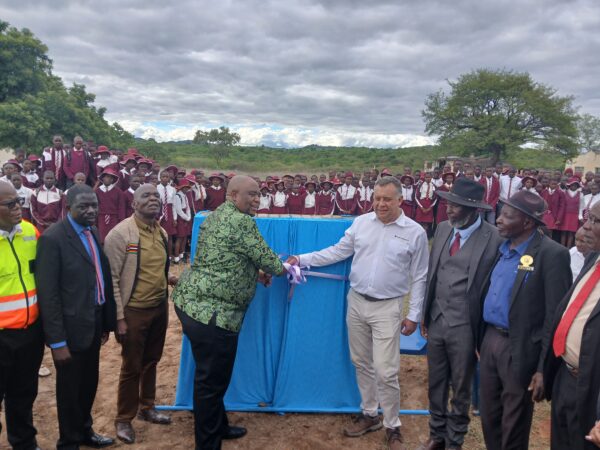
Bikita Minerals has implemented various community empowerment programs and initiatives in recent years. Some notable examples include
– Water Infrastructure Projects: The company has invested in drilling boreholes and developing water purification systems to improve access to clean water for local communities. We have drilled 38 boreholes in areas like Bikita West, Masvingo West, and Masvingo North, with plans to drill more.
– Rural Electrification: Bikita Minerals has partnered with the Zimbabwe Electricity Transmission and Distribution Company (ZETDC) to supply transformers and connect schools, clinics, business centres, and households to the grid as part of a US$2 million rural electrification project in Gutu, Zaka, and Bikita.The project is set to be completed by December 2025
– Road Rehabilitation: The company has rehabilitated roads in the Bikita and Gutu districts, including the Bedmore Primary School Road and the Bikita-Gutu Road, to improve connectivity and accessibility.
– Healthcare Initiatives: Bikita Minerals constructed a state-of-the-art clinic and has hosted free medical outreaches in collaboration with the Chinese Medical Team, providing medical care, health education, and medication to local communities.
– Education and Skills Development: The company has built classrooms, staff quarters, and provided educational materials to local schools, as well as offering scholarships to deserving students.
– Community Development Fund: Bikita Minerals has set up a development fund administered by Chief Marozva to support local projects and initiatives.
These programs demonstrate the company’s commitment to improving the lives of people in the communities where it operates. By investing in water, electricity, roads, healthcare, and education, Bikita Minerals is working to create positive social and economic impacts.
How is the mine building technical capacity among local employees, particularly in specialised fields like lithium processing and mine planning?
- Employment of Technical Personnel
The mine has prioritised hiring qualified engineers, geologists, metallurgists, and plant technicians from the local talent pool. This not only boosts in-house expertise but also creates mentorship opportunities for junior staff and interns, fostering a pipeline of future specialists.
- Regular Training for Skilled and Non-Skilled Workers
Bikita conducts ongoing training programs tailored to both technical and operational roles. Skilled personnel receive updates on process optimisation, equipment handling, and safety protocols, while non-skilled workers are trained in SOP compliance, basic mineral handling, and workplace safety. These sessions ensure alignment with evolving technologies and regulatory standards.
- Technical Report Writing to Build Institutional Memory
Employees are encouraged to document operational findings, process changes, and audit outcomes in structured technical reports. This practice enhances transparency, supports continuous improvement, and preserves knowledge for future teams—especially critical in mine planning and process troubleshooting.
- Knowledge Exchange with Expatriates
Bikita leverages the expertise of expatriate professionals through collaborative projects, joint training sessions, and shadowing programs. Local staff gain exposure to global best practices in lithium beneficiation, mine design, and resource modelling, accelerating skill development and innovation.
- On-the-Job Mentorship Programs
Senior technicians and engineers mentor junior staff through hands-on guidance in plant operations, sampling, and process control. This accelerates skill transfer and builds confidence in real-world scenarios
- Internal Knowledge-Sharing meetings
Production weekly technical meetings allow staff to present findings, troubleshoot challenges, and share innovations. These sessions foster a collaborative learning culture and encourage continuous improvement.
- Structured Career Pathways
Clear progression routes are defined for roles in metallurgy, geology, equipment and plant maintenance, and mining planning—motivating employees to pursue specialisation. Promotions are tied to skill acquisition, performance, and contribution to technical documentation.
- Integration of Local Universities and Internships
Bikita partners with academic institutions to host student attachments and research collaborations. This builds a talent pipeline and exposes students to real-world lithium processing challenges.
These initiatives collectively strengthen Bikita’s technical backbone, ensuring that local employees are not only competent but also empowered to lead innovation and operational excellence.
What operational efficiencies or productivity gains has Bikita achieved under your leadership?
These milestones have been made possible through teamwork, the collaboration expertise of both the expatriate and local teams at the mine.
- Introduction of New Technologies
Dense Media Separation (DMS) Plants
The deployment of DMS 3, 4 and 5 has enhanced ore sorting precision, reduced waste, and improved throughput. These plants allow for faster, more efficient separation of valuable minerals from gangue, lowering production unit cost.
- HPY Optical Sorting Plant
This advanced optical sorting system uses sensor-based technology to detect and separate high-grade material from low-grade feed. It minimises manual sorting, reduces contamination, and boosts overall plant efficiency.
- Flotation Plants for Spodumene and Pollucite
The addition of specialised flotation circuits has enabled Bikita to recover minerals in finer particles and process complex ores. This has expanded the product portfolio and improved recovery rates for both lithium and caesium-bearing minerals, supporting diversification and resilience.
- Higher Yields and Recoveries
Bikita Minerals has consistently improved its recovery rates, meaning a greater percentage of valuable minerals is extracted from the same volume of ore. Yield optimisation has been driven by better process control, real-time monitoring, and SOP harmonisation—ensuring consistent quality and reduced losses. These gains translate into lower unit costs, higher profitability, and improved sustainability, even during periods of market volatility.
Together, these advancements position Bikita as a more agile and efficient operation, capable of adapting to market shifts while maximising resource utilisation.
How do global lithium market dynamics influence day-to-day operational decisions and long-term investment strategies at Bikita?
Global lithium market dynamics exert a powerful influence on both the daily operations and long-term strategic planning at Bikita Minerals. As a major and key player in Zimbabwe’s lithium sector, Bikita Minerals must continuously adapt to volatile pricing, shifting demand and geopolitical pressures. These dynamics manifest across operational and investment decisions:
- Day-to-Day Operational Impacts
Suspension of Petalite Production
Petalite, once a staple of Bikita’s output, has seen production suspended due to depressed global prices. This reflects a tactical response to market saturation and declining margins, prioritising cost containment over volume.
Reduced Employee Bonuses
Lower global lithium prices translate into tighter revenue streams, forcing management to scale back performance-based incentives.
Suspension of DMS 6 and 7 Projects
The delay in commissioning DMS 6 and 7—critical for Spodumene and Petalite output from fine ore signals a cautious stance amid market uncertainty.
Operational Variance Management
With fluctuating demand, Brandon’s role in identifying and correcting operational variances becomes even more vital. Real-time documentation and SOP adherence ensure agility and audit readiness despite shifting production targets.
- Long-Term Investment Strategy Adjustments
Capital Allocation Reassessment
Investment in new beneficiation plants or expansion projects is now subject to rigorous market feasibility reviews. Bikita minerals must weigh Return on Investment against global lithium demand forecasts, especially as EV and battery markets evolve.
Risk Mitigation Through Diversification
As global lithium prices remain unstable, Bikita Minerals may strategically shift its focus from lithium to pollucite—a less volatile mineral with niche industrial demand. This diversification helps safeguard revenue streams and reduces dependence on lithium, allowing operations to remain viable even during downturns in the lithium market.
Human Capital Planning
If bearish trends persist, job losses could become a reality. Long-term workforce strategies must include reskilling programs, succession planning, and community engagement to soften socio-economic impacts.
Stakeholder Confidence and ESG Alignment
Investors and regulators increasingly demand transparency and resilience. Bikita Minerals’ ability to demonstrate adaptive planning, environmental stewardship, and social responsibility will shape future funding and partnerships.
Bikita Minerals’ management is making efforts to balance short-term cost control with long-term vision. This includes monitoring global lithium indices and trade policies, engaging in scenario planning for price recovery or further decline, and strengthening internal audit and SOP frameworks to remain agile and compliant.
With your extensive background across multiple commodities, how does lithium mining compare technically and strategically to gold, platinum, or base metal operations you’ve managed before?
Lithium mining presents a distinct technical and strategic profile compared to gold, platinum, and base metal operations.
Lithium:
The primary consumers are battery manufacturers, especially for electric vehicles (EVs), energy storage systems, and electronics. This narrow demand base makes lithium highly dependent on the growth and stability of the EV and renewable energy sectors. Unlike gold or base metals, lithium has few alternative industrial uses, limiting market flexibility.
Gold, Platinum, Base Metals:
Gold is consumed by jewellery, investment markets, central banks, and electronics.
Platinum is used in automotive catalytic converters, jewellery, and emerging hydrogen technologies.
Base Metals (e.g., copper, nickel) have broad industrial applications across construction, infrastructure, electronics, and manufacturing.
These diversified consumer bases provide more resilience against sector-specific downturns.
- Price Uncertainties Are High
Lithium:
Prices are highly volatile due to speculative investment, supply chain bottlenecks, and policy shifts (e.g., EV incentives, export restrictions). The lack of a centralised global exchange for lithium (unlike gold or copper) adds to pricing opacity. Rapid demand surges often outpace supply development, leading to boom-bust cycles.
Gold, Platinum, Base Metals:
Gold prices are influenced by macroeconomic factors like inflation, interest rates, and geopolitical risk—more predictable and hedged.
Platinum is sensitive to automotive demand and substituted with palladium, but traded on established exchanges.
Base Metals prices fluctuate with global industrial activity, but benefit from transparent trading platforms and long-term contracts
Lithium:
Salaries tend to be lower due to cost-driven strategies in emerging markets like Zimbabwe. Many lithium operations are in ramp-up phases, prioritising capital investment in infrastructure over workforce compensation. Labour structures often rely on contract workers or labour brokers, reducing long-term wage commitments and benefits. Despite high export earnings, in excess of US$600 million in 2023, workers are frequently paid in local currency, creating a disparity between revenue and wages.
Wage negotiations are weaker due to limited unionisation and fragmented labour representation.
Gold, Platinum, Base Metals:
Gold offers higher wages due to its status as a mature, high-value commodity with strong union presence and legacy labour agreements.
Platinum operations are well-established and offer competitive salaries, especially in underground mining roles.
Base metal compensation varies but tends to be higher in mechanised, large-scale operations where skilled technicians and equipment operators are essential.
These sectors often benchmark wages to global standards and offer structured benefits, retention programs, and safety incentives.
Lithium:
Predominantly contract-based, with limited unionisation and minimal long-term employment guarantees. Workforce models are lean, designed for flexibility and rapid scaling. Training investment focuses on technical upskilling rather than retention or career development.
Gold, Platinum, Base Metals:
Gold & Platinum have a strong union presence, which ensures structured wage scales, job security, and grievance mechanisms.
Base Metals has mixed models, but many sites maintain stable employment with formalised training and promotion pathways. Labour structures support long-term workforce development and community integration.
Lithium:
Highly sensitive to global price swings and policy changes, leading to frequent restructuring and job cuts. In early 2024, over 1,000 jobs were at risk in Zimbabwe’s lithium sector due to falling prices.
Gold, Platinum, Base Metals:
The gold & Platinum sectors have more stable employment due to consistent demand and mature market dynamics.
Base Metals: Job security varies with industrial cycles but benefits from diversified demand and long-term contracts.
These sectors are less prone to sudden layoffs and offer more predictable career paths.
Finally, what advice would you give to emerging mine managers navigating the evolving landscape of battery mineral mining?
Stay ahead of the curve:
Continuously update your knowledge on market trends, technological advancements, and regulatory changes.
Prioritise sustainability:
Focus on environmentally responsible and socially acceptable practices to ensure long-term viability.
Embrace innovation: Leverage digital technologies, automation, and data analytics to optimise operations and reduce costs.
Develop a skilled workforce:
Invest in training and development programs to build a capable and adaptable team.
Foster strong relationships:
Build trust with local communities, government agencies and stakeholders to ensure social license to operate.
Diversify and adapt:
Be prepared to pivot in response to changing market conditions and emerging opportunities.
Manage risk effectively:
Identify and mitigate risks proactively to ensure business continuity and resilience.
Focus on value addition:
Explore opportunities for local processing and value-added products to increase revenue and job creation.
By following these guidelines, emerging mine managers can navigate the complex landscape of battery mineral mining and contribute to Zimbabwe’s economic growth while ensuring sustainability and social responsibility.