Home Blog Page 154

Zed Rusike Retires from Prospect Board

0

Businessman and accountant Zed Rusike has retired as a Non-Executive Director of the Australian Stock Exchange-listed mining and exploration junior, Prospect Resources, Mining Zimbabwe reports.

By Rudairo Mapuranga

Prospect Resources has confirmed Rusike’s retirement from the mining and exploration firm, which owns the Step Aside Lithium Project in Goromonzi. The company is also renowned for developing the Arcadia Lithium Mine, which was later sold for over US$400 million.

“Prospect confirms the retirement of Non-Executive Director, Mr. Zed Rusike, effective today. We wish Zed every success with his personal ventures and express our most sincere gratitude for his dedication and service to Prospect Resources,” the company stated.

Mr. Rusike, a qualified accountant and resident of Zimbabwe, has an illustrious career. He previously served as Managing Director of United Builders Merchant and Group Managing Director for Radar Holdings Limited, a subsidiary of the listed Radar Group.

He currently holds board positions at Cairns Holdings, TSL Limited, Dulux Paints Limited, and Halsted Brothers (Pvt) Limited. Additionally, Mr. Rusike is a former President and the current Chairman of the Board of the Confederation of Zimbabwe Industries.

Hwange Achieves Recertification to Global ISO Standards

0

FutureCoal Limited member, Hwange Colliery Company Limited Holdings (HCCL Holdings), has once again demonstrated its commitment to operational excellence, environmental stewardship, and workforce safety by securing recertification to three globally recognized ISO standards, Mining Zimbabwe can report.

By Rudairo Mapuranga

According to FutureCoal, the company has been re-certified for ISO 45001 (Occupational Health and Safety), ISO 14001 (Environmental Management), and ISO 9001 (Quality Management), solidifying its reputation as a leader in sustainable coal production.

These internationally recognized ISO standards underscore HCCL Holdings’ dedication to adopting best practices across its operations. The certification process is rigorous, requiring the company to meet stringent global benchmarks that ensure compliance with health, environmental, and quality management protocols.

ISO 45001: Occupational Health and Safety

ISO 45001 emphasizes workplace safety and employee well-being. For a company like Hwange Colliery, where mining operations present inherent risks, achieving this certification highlights its proactive approach to creating safer working conditions. The certification ensures that the company has effective mechanisms to identify hazards, reduce workplace risks, and foster a culture of continuous improvement in health and safety practices.

ISO 14001: Environmental Management

Mining activities often have significant environmental impacts, making the ISO 14001 certification a crucial indicator of Hwange’s commitment to minimizing ecological harm. This certification requires the company to systematically manage its environmental responsibilities, including reducing waste, lowering emissions, and managing resource consumption efficiently. It reflects Hwange Colliery’s efforts to reduce its environmental footprint and contribute to the mining sector’s sustainable development goals.

ISO 9001: Quality Management

ISO 9001 certification ensures that HCCL Holdings consistently meets customer expectations and regulatory requirements through a robust quality management system. The recertification signifies the company’s dedication to delivering high-quality coal products to its markets while continually enhancing operational efficiencies. This standard also drives improvements in the company’s processes and management systems, ensuring long-term growth and competitiveness in the coal industry.

Commitment to Sustainability and Innovation

Hwange Colliery’s recertification aligns with the goals of FutureCoal, an international network of coal industry leaders committed to sustainable coal stewardship. HCCL Holdings’ adherence to these standards reflects a broader commitment to balancing industrial productivity with responsible environmental and social practices.

FutureCoal members, including Hwange Colliery, are at the forefront of the global coal value chain, integrating innovation with sustainability and setting benchmarks for the industry’s future.

As the coal industry advances toward a more sustainable future, HCCL Holdings continues to lead by example, ensuring it meets the demands of modern coal production while minimizing its impact on people and the planet. The company’s recertification to these ISO standards is a testament to its operational rigour and its role as a responsible corporate citizen in the global mining landscape.

Gold buying prices per gram in Zimbabwe 26 November 2024

These are the official gold buying prices per gram in Zimbabwe today 26 November 2024, from the official gold buyer and exporter Fidelity Gold Refinery (FGR).

SG 90% and ABOVE US$80.06/g
SG ABOVE 85% BUT BELOW 90% US$79.22g
SG ABOVE 80% BUT BELOW 85% US$78.37/g
SG ABOVE 75% BUT BELOW 80% US$77.52/g
SAMPLE BELOW 10g BUT ABOVE 5g US$76.25/g

Fire Assay CASH $80.49/g

NB: Fire Assay cash price is for gold above 100gs, no sample is deducted.
For the Fire Assay Transfer price, a sample of not more than 10g is deducted
A 2% royalty is charged on all deposits (Small-scale miners)
A 5% royalty is set for Primary Producers

Cash available. Fidelity Gold Refinery prices will be changing daily to match world market prices.

Despite Smart Mining, the Human Factor Must Never Be Ignored – Makura

0

In the age of automation and smart mining—where data analytics, artificial intelligence (AI), and machine learning are rapidly transforming operations—experts caution that technology alone cannot guarantee success, Mining Zimbabwe reports.

By Rudairo Mapuranga

Speaking at the Association of Mine Managers of Zimbabwe (AMMZ) Annual General Meeting held at the Holiday Inn Hotel in Bulawayo, AMMZ President Abel Makura highlighted the importance of balancing technological advancements with a human-centered approach.

Smart mining, driven by innovations such as real-time monitoring, autonomous machinery, and predictive maintenance, promises to revolutionize the sector by optimizing operations, enhancing safety, and boosting productivity. However, Makura stresses that while these technologies can improve efficiency, human expertise remains irreplaceable. Ignoring the human element, he warns, could lead to unforeseen challenges in the pursuit of innovation.

The Rise of Smart Mining

Smart mining systems leverage sensors and advanced computing to manage processes traditionally reliant on human labor. Machine learning algorithms analyze data to predict equipment failures and recommend preventative measures. Autonomous vehicles reduce accident risks in hazardous environments, while drones and satellite imaging enhance geological mapping, cutting exploration time.

“Mining operations today are entering an era where we can collect unprecedented amounts of data from every aspect of a mining site. From ore body analysis to fleet management, technology is now integral to decision-making processes,” Makura said.

This shift toward digitization is driven by a need for efficiency, as mineral extraction becomes more complex and deposits harder to reach. Additionally, safety regulations and environmental concerns have pushed the industry to adopt technologies that reduce human exposure to hazardous conditions and minimize ecological impact.

The Irreplaceable Human Element

Despite the clear benefits of smart mining, Makura underscores that technology is only as effective as the people managing and interpreting it.

“No matter how smart a system is, human oversight is essential. Technology can help make decisions faster, but it’s the judgment, experience, and instincts of skilled miners and engineers that ensure those decisions are practical and safe,” he explained.

Makura emphasized that human creativity and problem-solving capabilities cannot be replicated by machines. For instance, while predictive maintenance tools identify potential equipment failures, an experienced technician’s insight is essential to understand context and prevent further issues. Moreover, effective communication, leadership, and crisis management in unpredictable situations require human intuition.

“In the field, there are many instances where a miner’s quick thinking or innovation saves the day. Automated systems can’t replicate that level of flexibility. The human element must remain at the core of mining operations, particularly in addressing social and environmental challenges,” Makura said.

Balancing Automation and Employment

Makura highlighted that human engagement remains vital, especially in developing regions where mining sustains local economies. Jobs created by mining operations—particularly in artisanal and small-scale mining (ASM)—cannot be entirely replaced by technology. He warns of potential job losses as automation progresses and emphasizes the need for smart mining to enhance rather than eliminate the workforce.

“Smart mining should be about empowering miners, not making them obsolete. We should focus on integrating technology in ways that complement human work, enhancing safety and productivity while ensuring communities benefit from these advancements,” he explained.

Stakeholder engagement, particularly with local communities and governments, also requires a human touch. Mining operations significantly impact surrounding populations, making strong communication and relationships essential.

“Technology doesn’t build trust. Engagement with local communities and employees requires empathy, transparency, and respect—qualities no AI can replicate,” Makura said.

A Hybrid Approach to the Future

As the mining sector advances toward digitalization, Makura advocates for a hybrid approach, blending smart systems’ capabilities with human operators’ strengths. He envisions a future where mining companies invest equally in technology and workforce upskilling, ensuring human expertise is not sidelined.

“Mining companies should strive for a balance between human ingenuity and smart mining capabilities. By training workers to work alongside technology, we can create an industry that is safer, more efficient, and more sustainable, without losing the human element that has always driven mining forward,” he said.

Smart mining holds immense promise, with the potential to revolutionize processes, enhance safety, and improve efficiency. However, as Makura reminds us, the human factor remains a critical piece of the puzzle. Technology enables smarter operations, but the combination of smart tools with human insight, experience, and leadership will determine the long-term success and sustainability of mining.

“The future of mining is not just about machines. It’s about people working alongside those machines to achieve greatness,” Makura concluded.

ZSM Expands Courses to Meet Industry Needs

0

The Zimbabwe School of Mines (ZSM) has significantly expanded its curriculum to address emerging industry demands and skill shortages, particularly in value addition and beneficiation, Mining Zimbabwe reports.

By Rudairo Mapuranga

Speaking at the Association of Mine Managers of Zimbabwe (AMMZ) Annual General Meeting held at the Holiday Inn Hotel in Bulawayo, ZSM Principal Edwin Gwaze outlined new course offerings and strategic initiatives designed to equip graduates with practical, industry-relevant skills.

Gwaze noted that, beyond traditional courses such as Metallurgy, Surveying, Geology, and Mining, the school has introduced programs focused on critical areas of value addition.

“We have introduced foundry technology as a new course, which has been well-received. All students in this area have already been placed for industrial attachments, demonstrating strong interest from the foundry sector,” he said.

Additionally, ZSM has launched a diploma in iron and steel making, aligning with the country’s recent steel industry developments.

“With the rise of steel plants in Zimbabwe, it was essential to create a course that prepares our students to meet the evolving needs of this sector,” Gwaze added.

Collaboration and Expanded Offerings

To address the need for skilled surveyors, ZSM collaborated with the Mine Survey Association of Zimbabwe to introduce a certificate course targeting survey assistants. This initiative aims to bridge skills gaps and ensure a steady pipeline of qualified surveyors for the industry.

The Mining Department has also expanded its programs, introducing certificates and diplomas in Mine Occupational Health and Safety and a diploma in Mining Engineering Shaft Technician. The latter addresses a critical issue: the aging workforce of shaft timbermen.

“Most mines are struggling to fill this role, so we developed this course to ensure a supply of skilled personnel in this vital area,” Gwaze explained.

In the Geology Department, ZSM has launched courses in gemology and gemstone cutting and polishing. These are part of a broader strategy to enhance the country’s capacity in the gemstones sector.

“We are proud to have trained students who are now actively working in gemology, with all our graduates already placed in relevant jobs,” Gwaze stated.

Tailored Training and Industrial Attachments

ZSM has also tailored training programs for specific mining companies, such as Barrick Gold in Tanzania. These programs combine online and in-person learning to meet the unique needs of each company.

One of ZSM’s significant achievements has been improving industrial attachment rates for students.

“This year, we managed to place 91% of our students on attachment, a significant improvement from the challenges we faced post-COVID,” Gwaze said. However, a few students, mainly from the gemology program, are scheduled to begin their attachments in August.

Future Initiatives

Looking ahead, ZSM plans to establish an experimental mine to provide students with a practical, real-world learning environment.

“We have identified an area in the Bubi district and applied for a reserved area of 350 acres with the Ministry of Mines and Mining Development. This mine will help us produce hands-on graduates and address challenges in artisanal and small-scale mining,” Gwaze said.

The school is also investing in new facilities, including a lapidary workshop and a metallurgical and analytical laboratory. Gwaze revealed that the laboratory is equipped with advanced instruments, including an upcoming Inductively Coupled Plasma (ICP) machine, and is on track to achieve ISO 17025 certification by June 2025.

Additionally, ZSM is setting up a drone training school to provide practical skills in drone operation, particularly for surveying students.

“We already have trainers with the necessary certifications and are working toward full licensing to enable us to produce certified drone pilots,” Gwaze stated.

Challenges and Call for Support

Despite these advancements, ZSM faces challenges, including inadequate training equipment, a high student-to-equipment ratio, and limited student accommodation.

“Most of our students live off-campus, which presents challenges, especially with the rise in drug abuse. In-house accommodation would allow us to monitor and support our students better,” Gwaze said.

He called for increased support from the mining industry in areas such as curriculum development, practical training exposure, and scholarships for underprivileged students.

“We have students with great potential who are forced to drop out due to financial constraints. Industry scholarships could make a big difference,” he urged.

ZSM also welcomes partnerships with mining companies for joint research and development projects to foster innovation and strengthen ties between academia and industry.

“We invite industry players to collaborate with us in developing cutting-edge solutions for the mining sector,” Gwaze concluded.

As ZSM expands its course offerings and facilities, it is positioning itself as a key player in Zimbabwe’s mining education sector, producing graduates equipped to meet the industry’s evolving needs.


Advancing Mining Operations with Geological Data

0

The mining industry is undergoing a profound transformation as traditional methods of geological data collection, analysis, and interpretation are being revolutionized by digital technology. What once required manual fieldwork and extensive on-site analysis is now being streamlined through the digitization of geological data, bringing efficiency and accuracy to mining operations, Mining Zimbabwe reports.

By Rudairo Mapuranga

Speaking at the Association of Mine Managers of Zimbabwe (AMMZ) Annual General Meeting in Bulawayo last week, Stephen Duma, a representative of the Geological Society of Zimbabwe, emphasized the critical role digital data plays in mining operations, stating that it benefits both small-scale and large-scale miners.

“We have what it takes in the country to assist people at all levels to understand geology and improve their controls. From the most advanced mines to smaller operations, we can help digitize geological data and make it accessible to everyone,” Duma said.

Transforming Operations with Digital Data

The shift from physical data storage, such as paper field notebooks and rock samples, to digital platforms is transforming mining operations in several key ways. Digital data not only improves accuracy by reducing the risk of human error but also allows for real-time updates and adjustments, enabling mine managers to make more informed decisions without frequent site visits.

One of the most significant benefits of this digital transformation is the enhanced accessibility of geological data. Mining teams, researchers, and stakeholders can access and share data remotely, facilitating collaboration across multiple locations and speeding up decision-making processes.

Duma noted this capability, explaining that it enables mine managers to “make informed decisions from their management camps without even having to visit the site.”

Furthermore, the digitization of geological data accelerates the analysis of vast amounts of information. Advanced software processes large datasets quickly, providing faster insights into mineral deposits and geological formations. These insights are further enhanced by the use of 3D visualization tools, which create detailed models of mine structures, helping managers and engineers better understand the subsurface environment.

“Old mines have lots of data. These drill holes, which can be put into three dimensions, allow mine managers to make informed decisions without needing to re-explore areas that already have extensive geological information,” Duma said, stressing the importance of utilizing existing data.

Key Technologies Driving Change

Several technological advancements are at the forefront of this transformation:

  • Geographic Information Systems (GIS): Enables geologists and engineers to map and analyze spatial data, such as mineral deposits and fault lines, with greater precision.
  • Remote Sensing Technology: Uses satellite imagery and aerial photography for high-resolution mapping and monitoring of mining sites.
  • Global Positioning Systems (GPS): Assists in accurately locating and mapping geological features, ensuring targeted excavation and exploration efforts.
  • LiDAR (Light Detection and Ranging): Uses laser pulses to create detailed 3D models of terrain and mining areas, improving planning and monitoring.
  • Drones: Equipped with high-resolution cameras and sensors, drones capture detailed images and data from hazardous or hard-to-reach areas, providing safer and more efficient site surveys.

“You don’t need to wait for years, spending large amounts of money. With a budget as low as $5,000 to $10,000, systems can be implemented in any mine, and you can hold the entire drilling database on your phone, allowing real-time interrogation and decisions,” Duma explained, highlighting the accessibility of these technologies.

The Future of Digital Mining

As technology evolves, the future of mining looks increasingly digital. Artificial intelligence (AI) and machine learning are set to play significant roles, enabling more accurate predictions about mineral deposits, operational efficiency, and resource management. The integration of AI into geological analysis could revolutionize the way mines are explored and operated, fostering more data-driven decision-making.

Virtual reality (VR) and augmented reality (AR) technologies will also provide new opportunities. VR, for instance, allows mine managers to monitor excavation phases and visualize operations in real-time without being on-site. Duma pointed out: “Virtual reality allows a mine manager to sit in his office and monitor phases of excavation remotely. With the use of artificial intelligence and big data, the manager’s ability to control and visualize operations is becoming more accessible.”

Empowering Decision-Making

By embracing these technological advancements, the mining industry is unlocking new levels of efficiency and safety.

“The beauty of modern technology is that it brings the mine closer to the manager’s fingertips, empowering them to make better and more informed decisions, ensuring both safety and profitability in mining operations,” Duma concluded.

The digitization of geological data and the integration of advanced technologies are no longer future aspirations but present realities. This transformation is enhancing accuracy and efficiency while opening doors to innovation and growth in the industry. As the digital revolution progresses, the mining sector is poised to play a pivotal role in shaping the future of resource extraction and management.

The Future of Blasting: Embracing Technological Evolution in the Mining Industry

0

The global mining industry is undergoing significant transformation as it adapts to changing market dynamics, technological advancements, and environmental pressures. The mining explosives sector, in particular, is experiencing a wave of innovation that is reshaping how explosives are produced, delivered, and applied in mining operations, Mining Zimbabwe reports.

By Rudairo Mapuranga

Speaking at the Association of Mine Managers of Zimbabwe (AMMZ) Annual General Meeting held at the Holiday Inn Hotel in Bulawayo, Moshen Jena, a representative of AECI Mining Explosives, highlighted emerging trends in the explosives sector. He emphasized the importance of embracing technology and innovation to stay competitive in the rapidly evolving mining landscape.

Jena opened his presentation with a quote from Klaus Schwab, Executive Chairman of the World Economic Forum: “The fast fish now eats the slow fish.” He stressed the importance of adapting quickly to technological advancements, warning that failure to do so could render mining operations obsolete.

“If we are not fast at adopting technologies, we will be left out; we will be extinct,” he cautioned.

Pillars of Change in the Blasting Industry

Jena outlined four key areas of transformation in the blasting industry:

  1. Explosives Innovation
    Modern explosives have evolved significantly, becoming safer and more efficient. “The explosives that we use now are not the same as what we used before,” Jena noted, emphasizing the shift towards materials designed for precision and reduced environmental impact.
  2. Advanced Initiating Systems
    The transition from traditional pyrotechnic systems to electronic and wireless detonators is revolutionizing blasting operations. Wireless systems enhance automation and safety by enabling remote operations, far from danger zones.

    “We can now have equipment that drills, charges, and blasts with minimal human intervention, reducing risks associated with manual handling,” Jena explained.

  3. Sustainability in Blasting
    The industry is moving towards green explosives that minimize environmental harm by using non-toxic ingredients. This not only reduces emissions but also enhances safety, Jena said. The adoption of bulk explosives, which are mixed on-site, further improves safety by reducing transportation risks.

    “Safety has vastly improved,” he added, highlighting how perceptions of mining as a dangerous industry are being overturned by technological advancements.

  4. Digital Transformation
    The integration of technologies like the Internet of Things (IoT), artificial intelligence (AI), and machine learning is transforming blasting operations. These tools allow for precise blast designs, predictive analysis, and real-time data monitoring, leading to optimized decision-making.

    Jena pointed to nanosecond timing technology as a game-changer: “We are moving from millisecond accuracy to nanosecond accuracy,” enabling greater control over blasting outcomes.

Training and Accessibility

Digital tools like virtual reality (VR) and predictive software are enhancing training and blast design. VR classrooms provide hands-on experience in a controlled environment, while simulation software improves the accuracy of blast plans before execution.

Even small-scale and medium-scale mines are benefiting from these advancements, with technologies like bulk explosives and mobile charging units becoming more accessible and cost-effective.

“Even small-scale mines are now using bulk explosives and mobile charging units that were once only available to large-scale operations,” Jena noted.

The Path Forward

Jena urged miners and mine managers to embrace digital transformation, emphasizing that it is not solely about technology but also about people and partnerships. He encouraged mining companies to assess their operations, identify areas where technology can be applied, and collaborate with suppliers to drive progress.

“Digital transformation is not just about technology; it’s about people,” he said, stressing the need for effective change management.

By adopting advanced technologies, Zimbabwe’s mining industry can enhance efficiency, safety, and sustainability while improving decision-making processes. Jena argued that the future of mining lies in leveraging innovation to remain competitive and achieve long-term success.

As he concluded, Jena highlighted AECI Mining Explosives’ leadership in these advancements: “For us at AECI, Autonomous Intelligence, Accurate Initiation, and Active Impact are at the core of what we do,” he stated, reaffirming the company’s commitment to driving innovation in explosive technology globally and locally.

Mines and Minerals Act Set to Address Key Challenges for Mine Surveyors if Passed

0

The new Mines and Minerals Act, currently under consideration in Zimbabwe, aims to address some of the most pressing challenges faced by mine surveyors in the country.

By Ryan Chigoche

According to the Association of Mine Surveyors of Zimbabwe (AMSZ), the proposed legislative reforms could significantly improve the regulatory environment, ensuring better safety standards, modernized practices, and a more sustainable future for the surveying profession.

For years, mine surveyors have called for regulatory changes to align with their profession’s evolving demands and the rapid advancements in mining technology. The existing laws, many of which were enacted decades ago, are now outdated and ill-suited to the mining industry’s modern realities.

According to Stewart Gumbi, the president of the AMSZ, these regulatory gaps pose a threat to the long-term viability of the profession.

“If the bill incorporates the proposed changes and concerns we submitted, it will go a long way in providing the framework needed for mine surveyors to operate more effectively and safely,” Gumbi explained.

He believes the bill if passed with these considerations, will provide the necessary legal framework for surveyors to work efficiently and in line with global standards.

Collaboration Beyond Legislation

While the government plays a crucial role in passing the legislation, Gumbi emphasized that addressing the full scope of challenges facing mine surveyors requires collaboration with private sector stakeholders, including mining companies and employers. Beyond regulatory reforms, industry-wide initiatives are needed to improve working conditions and ensure surveyors receive adequate support in the field.

“The government’s role is crucial, but we also need to engage with private players and employers in the industry. Together, we can address a wider range of challenges,” Gumbi said. He believes stronger public-private partnerships can create a more sustainable environment for mine surveyors by addressing both legislative and operational challenges.

Impact of Delays in Reform

The delay in reviewing and passing the new Mines and Minerals Bill has intensified the challenges faced by stakeholders in the mining sector. For over 20 years, the mining law has remained largely unchanged, leading to gaps that have caused conflicts and inefficiencies within the industry. These delays hinder efforts to modernize practices and align with technological advancements.

A central theme in Gumbi’s remarks is the importance of robust, clear legislation. Without effective regulatory frameworks, he explained, mine surveyors and the mining sector as a whole will continue to struggle with compliance and operational inefficiencies.

“Once you have good legislation and clear regulations, everything else falls into place. It becomes an issue of compliance, and that is much easier to enforce,” Gumbi stated. He highlighted that such clarity would not only benefit mine surveyors but also enhance productivity and safety throughout the mining industry.

A Brighter Future for Mine Surveyors

As the Mines and Minerals Bill progresses through Parliament, there is growing hope that the legislation will address the critical concerns of mine surveyors while modernizing the sector. Gumbi and the AMSZ remain optimistic that the bill will pave the way for a more efficient, transparent, and technologically advanced mining industry in Zimbabwe.

“The future of mining in Zimbabwe depends on our ability to create a regulatory environment that is both practical and forward-thinking,” Gumbi concluded. “With the right laws in place, we can ensure that mine surveying becomes a safer, more efficient profession, benefiting both the sector and the country as a whole.”

Gold buying prices per gram in Zimbabwe 25 November 2024

These are the official gold buying prices per gram in Zimbabwe today 25 November 2024, from the official gold buyer and exporter Fidelity Gold Refinery (FGR).

SG 90% and ABOVE US$81.87/g
SG ABOVE 85% BUT BELOW 90% US$81.01g
SG ABOVE 80% BUT BELOW 85% US$80.14/g
SG ABOVE 75% BUT BELOW 80% US$79.27/g
SAMPLE BELOW 10g BUT ABOVE 5g US$77.98/g

Fire Assay CASH $82.31/g

NB: Fire Assay cash price is for gold above 100gs, no sample is deducted.
For the Fire Assay Transfer price, a sample of not more than 10g is deducted
A 2% royalty is charged on all deposits (Small-scale miners)
A 5% royalty is set for Primary Producers

Cash available. Fidelity Gold Refinery prices will be changing daily to match world market prices.

AMSZ 39th Annual Conference Highlights the Evolving Role of Mine Surveyors in Zimbabwe’s Mining Industry

0

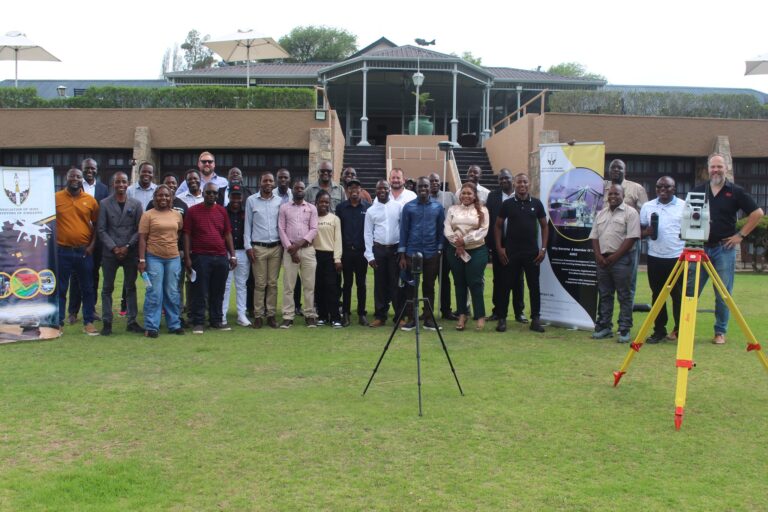
The Association of Mine Surveyors of Zimbabwe (AMSZ) recently hosted its 39th Annual Conference running under the theme “From Survey to Strategy.” This event brought together experts and stakeholders from across the mining sector to explore the changing role of Mine Surveyors in the industry’s development.

The conference attracted diverse delegates, including mine surveyors, mining engineers, geologists, and government officials. It emphasized the expanding responsibilities of Mine Surveyors in shaping Zimbabwe’s mining future. In his keynote address, AMSZ President Stewart Gumbi highlighted the profession’s crucial role in driving the success and sustainability of the industry.

“Mine Surveying is the backbone of our mining sector, a key driver of economic growth in Zimbabwe,” Gumbi stated. “Through the expert work of Mine Surveyors, we ensure the safe, efficient, and sustainable extraction of our mineral resources, which are vital to our national prosperity.”

The theme, “From Survey to Strategy,” underscored the profession’s evolution. While traditionally seen as technical experts focused on measurements and data collection, Mine Surveyors now play a strategic role in decision-making processes that shape mining operations.

“Mine Surveyors are no longer just technicians,” Gumbi explained. “We are key players in shaping mining strategies and influencing decisions that determine the direction of the industry. Our insights and expertise are critical for efficient resource extraction and long-term sustainability.”

Harnessing Technology for Growth

Technological advancements in the mining industry were a central topic at the conference. Gumbi discussed how tools like drone surveys, 3D laser scanning, and AI-powered analytics are transforming the profession, enhancing accuracy, efficiency, and safety.

“Technological advancements are revolutionizing our profession,” Gumbi noted. “Drones and 3D scanning enable us to collect data more efficiently and accurately, unlocking new levels of productivity and safety. By embracing these innovations, we are able to do more with less while minimizing risks.”

Despite the opportunities presented by technology, Gumbi acknowledged challenges such as the need for continuous upskilling and adapting to rapid technological change. He also emphasized the ongoing importance of safety in the high-risk mining sector.

“The rapid pace of technological change requires us to keep evolving our skills and knowledge,” Gumbi said. “The AMSZ is committed to providing members with resources, training, and advocacy to stay ahead and navigate this dynamic industry.”

Commitment to Sustainability

Sustainability was another key focus of the conference. Gumbi emphasized that the mining industry must adopt environmentally responsible practices, noting that sustainability is no longer optional but imperative.

New Leadership and Future Outlook

The conference also saw the election of a new Executive Committee for the AMSZ. Gumbi congratulated the newly elected leaders, expressing confidence in their vision and ability to advance the profession.

“Your leadership marks a new chapter for our profession,” he said. “We look forward to your innovative vision and dedication to elevating Mine Surveying in Zimbabwe. Together, we will contribute to the success of our mining industry.”

Gumbi concluded with optimism, emphasizing the continued importance of Mine Surveyors in shaping the country’s mining growth and prosperity.

“I am confident that with our combined expertise and commitment to excellence, we will drive the growth of Zimbabwe’s mining industry,” he said. “By embracing technological advancements, promoting sustainability, and fostering collaboration, Mine Surveying will remain a pillar of Zimbabwe’s development.”

The AMSZ remains committed to supporting its members through professional development, networking opportunities, and advocacy, ensuring Mine Surveyors thrive in an increasingly complex industry.

About AMSZ

The Association of Mine Surveyors of Zimbabwe (AMSZ) is a professional body dedicated to advancing the interests of Mine Surveyors in Zimbabwe. Through training, advocacy, and networking, the AMSZ equips its members with the skills and knowledge necessary to succeed, recognizing their vital contributions to the mining sector.