Home Blog Page 240

BREAKING: ZMF endorses Rushwaya presidency

0

The Zimbabwe Miners Federation (ZMF) Executive has fully endorsed Ms Henrietta Rushwaya as the President of the organisation, ZMF Secretary General Mr Morgan Mugawu has said.

In a memo to the Provincial Chairpersons, Mugawu said the organisation’s National Executive fully endorsed the motion to support the Presidency of Ms Rushwaya which was raised by the General Council through ZMF Midlands Province Chairperson Mr Makumba Nyenje and was seconded by ZMF Mashonaland Central Chairperson Ms Christine Munyoro.

Pastor Mugawu added that the motion was unanimously supported by ZMF Secretary for Youth, Mr Darlington Ndlovu, Women Secretary, Mrs J Mazivazvose, and all other ZMF provinces.

“At a meeting held in Harare on the 24th of November 2023, the Midlands Province led by Chairman Mr Makumba Nyenje, moved a motion to support the Presidency of Madam H. Rushwaya and this was supported by Ms Christine Munyoro from Mashonaland Central.

“The Youth and Women represented by Mr Darlington Ndlovu and Mrs J. Mazivazvose respectively and other six Provinces unanimously supported the motion.

“Having received such recommendations, the National Executive hereby fully endorses the Presidency of Madam Henrietta Rushwaya as the ZMF President,” Mugawu said.

Rushwaya’s term as President comes on the end in 2025 where elections will be held to select a new leader.

Zimbabwe gold buying prices/ gram 1 December 2023

Fidelity Gold Refinery (FGR) official gold buying prices/ gram. See the Zimbabwe gold buying prices/ gram today 1 December 2023.

SG 90% AND ABOVE US$61.84/g
SG ABOVE 85% BUT BELOW 90% US$61.18g
SG ABOVE 80% BUT BELOW 85% US$60.53/g
SG ABOVE 75% BUT BELOW 80% US$59.87/g
SAMPLE BELOW 10g BUT ABOVE 5g US$58.89/g
FIRE ASSAY CASH US$62.16/g

NB: Fire Assay cash price is for gold above 100gs, no sample is deducted.
For the Fire Assay Transfer price, a sample of not more than 10g is deducted
A 2% royalty is charged on all deposits (small-scale miners)
A 5% royalty is set for Primary Producers

Cash available. Fidelity Gold Refinery prices will be changing daily to match world market prices.

Bhila Relieved of His Duties as Deputy Minister

0

President Emmerson Mnangagwa has removed former Parliamentary Portfolio Committee on Mines and Mining Development member Hon Roy Bhila (MP) from his position as the Deputy Minister of Industry and Commerce with immediate effect.

Bhila was appointed Deputy Minister of Industry and Commerce after the August harmonized elections after he won resoundingly in Chiredzi.

Chief Secretary to the President and Cabinet, Dr Martin Rushwaya, in a communique on Thursday, said the move was in accordance with Section 108(1a) of the Constitution of Zimbabwe Amendment (No. 20) Act.

“His Excellency the President of the Republic of Zimbabwe Cde. Dr. Emmerson D. Mnangagwa has, in terms of Section 108(1a) of the Constitution of Zimbabwe Amendment (No. 20) Act, removed Hon. Roy Bhila from the Office of Deputy Minister of Industry and Commerce with immediate effect,” reads part of the statement.

The reasons behind President Mnangagwa’s action have not been disclosed.

Deputy Minister Bhila, who had been serving in the Ministry of Industry, played a significant role in shaping policies and initiatives aimed at promoting industrial growth and development within Zimbabwe.

Bhila is well known for his no-nonsense questioning on the Parliamentary Committee business and whenever he rose to ask questions it would be time to buckle up. His line of questioning made him one of the most popular legislators in the Mkaratigwa led Committee.

Gvt sets aside $2.7 billion for small scale miners

0

The government of Zimbabwe has set aside ZWL$2.7 billion to facilitate a complete formalisation of the Artisanal and Small-scale miners (ASM) industry.

Presenting the 2024 National Budget which ran under the theme “Consolidating Economic Transformation”, the Minister of Finance and Economic Development Prof Mthuli Ncube the government was going to support the process of formalisation as well as promoting sustainable and responsible mining.

He said the government was going to also capacitate the ASM by introducing affordable loan schemes for them to mechanise their operations and improve working capital.

“The small-scale miners have played a pivotal role in the mining sector contributing significantly to the overall mineral output over the years. Their success is partly attributable to Government support through the provision of mining equipment and technical assistance.

“As part of the support, the Government is now facilitating their formalisation, as well as to promote environmentally friendly, safe and sustainable mining methods. The government will also capacitate the Mining Industry Loan Fund through affordable loan schemes to support small-scale miners to mechanise their mining activities, as well as to improve their working capital positions.

“To support these initiatives, Z$2.7 billion has been set aside under the 2024 National Budget,” Prof Mthuli Ncube said.

Small-scale miners are the biggest gold and chrome producers in the country accounting for over 60 percent of the mineral production.

The ASM sector has been performing significantly with statistics proving that there is a high prospect of the ASM graduating to become the biggest force in the mining sector in Zimbabwe.

ASM activities are as important as large-scale mining activities, particularly in terms of the number of people employed. ASM can play a crucial role in poverty alleviation and rural development. Most of those involved are poor and mining represents the most promising, if not the only, income opportunity available. The performance of the gold sector in Zimbabwe indicates that the ASM if properly nurtured is the next big deal for mining prosperity in Zimbabwe. However, safety remains a concern in the sector as the majority of deaths were experienced in the sector.

Mimosa AISC increases by 10%, production up 1%

0

The country’s second biggest platinum group metal (PGM) producer Mimosa Mining Company‘s 4E all-in sustaining cost (AISC) increased by 10 per cent during the quarter that ended 30 September 2023 compared to the same quarter of 2022 due to inflationary pressure in the country.

According to Sibanye Still Water, a 50% shareholder, production also increased by 1 percent compared to the comparable Quarter of 2022.

The PGM group said the 10% increase in AISC was mainly caused by the increase in electricity tariffs in the country.

Mimosa’s sustaining capital remained elevated at US$14 million due to the construction of the company’s new tailings storage facility (TSF) which is due to be commissioned during the first quarter of 2024.

“Attributable 4E PGM production from Mimosa of 29,060 4Eoz was 1% higher than Q3 2022. AISC increased by 10% year on year to US$1,359/4Eoz (R25,258/4Eoz) due to infationary pressures being experienced in Zimbabwe, in particular electricity costs which rose for exporters by 40% in October 2022, the first increase since 2014. Sustaining capital remained elevated at US$14 million (R266 million) primarily associated with the ongoing construction of the new tailings storage faciity (TSF) which is due to be commssioned between December 2023 and March 2024,” Sibanye Still Water production update said in part.

About Mimosa Mining Company

Mimosa is an on-going mining operation that comprises three ore bodies, namely North Hill, South Hill and Far South Hill. The three ore bodies have been explored, drilled, evaluated and converted to the various Mineral Resources and Mineral Reserves categories in accordance with best practice for the reporting of Mineral Resources and Mineral Reserves. A mineralized body, the Mtshingwe Fault Block, also occurs as a prospect between the South Hill and Far South Hill orebodies.

The main rock types are gabbroic rocks overlying an ultramafic unit of repetitive cycles of pyroxenite, dunite and chromitite rocks. Economic minerals comprising platinum group metals and base metals are fornd within the Main Sulphide Zone (MSZ) which is located in pyroxenite, some 5m to 20m below gabbroic rocks. Platinum, palladium, rhodium, iridium and ruthenium along with gold, copper, cobalt and nickel occur in economic quantities within the MSZ. The layered units are basin shaped with layers shallowly dipping towards the axis of the basin flattening at the bottom.

Government allocates ZW$132.7 billion to the Ministry of Mines

0

The government through the 2024 budget has allocated Z$132.7 billion to the Ministry of Mines and Mining Development (MMMD) to implement the legislative and administrative reforms that provide a conducive environment for mining and beneficiation.

Rudairo Mapuranga

Through the 2024 National Budget presentation the Minister of Finance and Economic Development Prof Mthuli Ncube said the government is expecting the mining sector to grow by 7.6 per cent in 2024, driven by ongoing investments in platinum group metal (PGMs), gold, coal and lithium, among others.

Prof Ncube also said that the growth of the sector will be sustained by a stable electricity supply.

“The mining sector is expected to grow by 7.6% in 2024, driven by ongoing investments in PGMs, gold, coal and lithium, among others. The sector is expected to maintain growth momentum in the medium-term estimated at 4.9% and 4.8% in 2025 and 2026, respectively.

“This growth will be sustained by expected relatively stable increased domestic electricity production, durect import initatives by large scale miners and private sector investment initiatives in renewable energy.

“This is also in line with Mining Industry Survey Report of 2024 which forecasts an increase in capacity utilisation in the mining sector, from 84% in 2023 to 90% in 2024, driven by expected increase in gold and coal production.

“An amount of Z$132.7 billion has been allocated to the Ministry of Mines and Mining Development to implement the legislative and administrative reforms that provides a conducive environment for mining and beneficiation,” Prof Ncube said.

According to the Minister of Finance, the government’s thrust is to upscale beneficiation along the mining value chains to facilitate job creation across the chain, through development of a comprehensive policy framework that prohibits the export of raw minerals.

He said frameworks will be developed under the auspices of the Minerals Development Policy, Beneficiation and Value Addition Policy and the Artisanal Miners Strategy.

“The global energy systems are undergoing a massive transition towards cleaner energy sources such as solar and wind from fossil fuels. However, these clean energy technologies like batteries depend on transition energy minerals such as copper, lithium, nickel, cobalt, manganese and graphite.

“In this regard, the country seeks to take advantage of the huge and highly diversified mineral resource base which includes all the five major minerals used in energy storage.

“Therefore, Government will develop a comprehensive policy frame work to beneficiate energy minerals including lithium to transform the country into a battery manufacturing hub,” Prof Ncube said.

Cadastre Information Management System

The Computerised Mining Cadastre Information Management System is on its final stages of being rolled out and this is expected to be completed in 2024. The system is expected to enhance transparency and accountability in the mining title management, facilitate the elimination of overlapping mining claims, strengthening property rights and security of tenure. To complete the programme, Z$13.3 billion is being allocated in the 2024 National Budget.

Mining Legal Framework

Government will review the Mines and Minerals Bill taking into consideration the observations and recommendations by the Parliamentary Legal Committee during the 5th session of the 9th Parliament. The target is to complete the process during the first half of 2024.

Exploration of Minerals

The recent developments where minimum exploration is undertaken and the mining rights are disposed of at astronomic prices, calls for urgent exploration by Government, in order to enable it to derive maximum value of the mineral endowments.

Financial resources should, thus, be availed for exploration through the Zimbabwe Mining Development Company (ZMDC), as this will create more revenue to the country through auction of already known resources or outright mining.

Participation of the state in the extraction of mineral resources

In order to derive maximum value of its mineral endowment, Government will participate in the extraction of strategic minerals such as lithium through the acquisition of equity. The extent of the equity participation will depend on the size of the mining operation and the strategic nature of the mineral concerned.

Mineral Leakages

Government will continue to prioritise curbing of mineral leakages through intensifying monitoring and surveillance of the mining sector by undertaking combined blitz by all relevant Government institutions.

Zimbabwe gold buying prices/ gram 30 November 2023

0

Fidelity Gold Refinery (FGR) official gold buying prices/ gram. See the Zimbabwe gold buying prices/ gram today 30 November 2023.

SG 90% AND ABOVE US$62.19/g
SG ABOVE 85% BUT BELOW 90% US$61.53g
SG ABOVE 80% BUT BELOW 85% US$60.87/g
SG ABOVE 75% BUT BELOW 80% US$60.21/g
SAMPLE BELOW 10g BUT ABOVE 5g US$59.22/g
FIRE ASSAY CASH US$62.52/g

gold smugglingNB: Fire Assay cash price is for gold above 100gs, no sample is deducted.
For the Fire Assay Transfer price, a sample of not more than 10g is deducted
A 2% royalty is charged on all deposits (small-scale miners)
A 5% royalty is set for Primary Producers

Cash available. Fidelity Gold Refinery prices will be changing daily to match world market prices.

The Pivotal Role of Portable Toilets in Shaping a Sustainable, Inclusive, and Gender-Equal Future

0

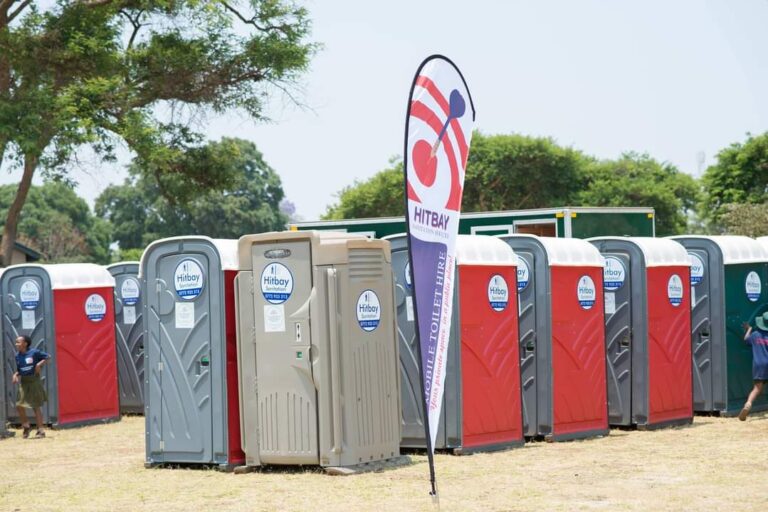
In the dynamic landscape of modern mining, sustainability is no longer a buzzword—it’s a mandate. The era of environmental, social, and governance (ESG) principles has ushered in a new era of responsibility for mining operations. Surprisingly, portable toilets have emerged as unsung heroes, driving ESG objectives and addressing the critical challenge of providing equitable access to sanitation. Dive into this article to uncover how portable toilets are transforming the mining industry, not only as sanitation solutions but as catalysts for inclusivity, diversity, and safety.

Equitable Access to Sanitation

Bridging the Gap

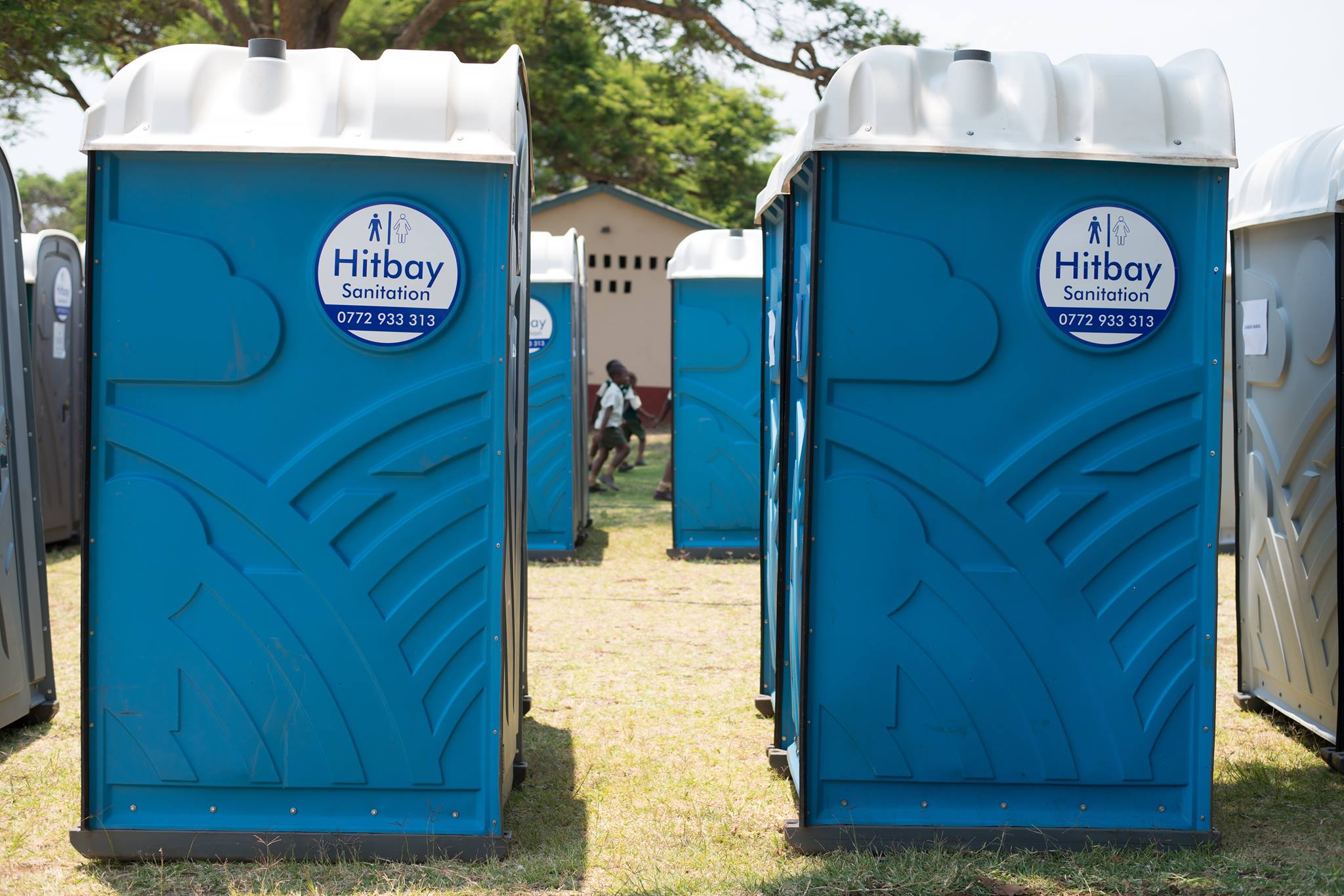
Portable toilets are the link between urban luxury and remote mining sites. They ensure miners have access to pristine sanitation facilities, regardless of their location, fostering a sense of dignity and well-being.

Shaping Gender Equity

Women in mining face unique challenges, and portable toilets are stepping up to the plate. Tailored designs cater to the specific needs of female workers, promoting gender equity and creating a more welcoming industry for all.

Hitbay portable toilets 2Portable Toilets and ESG in Mining

Environmental Guardians

Equipped with advanced waste containment systems, portable toilets actively reduce contamination risks, safeguarding local water sources and ecosystems. Witness how these unsung champions diminish the environmental footprint of mining operations.

Social Responsibility Champions

Beyond basic needs, portable toilets contribute to worker welfare, reducing absenteeism, and fostering positive community relations. Uncover the social responsibility angle that makes portable toilets integral to a healthier, happier mining workforce.

Governance in Action

Good governance in mining involves adherence to Occupational Health and Safety (OHS) regulations. Portable toilets emerge as silent enforcers, ensuring compliance and securing the health and safety of every worker on site.

ESG in Mining: A Gender Perspective

Within the broader ESG framework, gender equality takes center stage in mining. Portable toilets, surprisingly, play a pivotal role in reshaping the industry to be more gender-responsive. Discover how:

Equitable Access to Sanitation Bins: Portable toilets address the often-overlooked needs of female miners by providing discreet and hygienic solutions, promoting dignity and comfort.

Women’s Safety

Enhanced security features in portable toilets create a safer environment for female workers in remote mining areas, mitigating the risks of harassment and assault.

Comfort and Privacy

Tailored designs of portable toilets offer increased space, ventilation, and user-friendly amenities, recognizing and addressing the unique needs of women in mining.

Developments in the Portable Toilet Space

Explore the cutting-edge innovations propelling portable toilets into the future:

  1. Waste Management Revolution: Anticipate breakthroughs in recycling and sustainable disposal methods, redefining the environmental impact of portable toilets.
  2. Smart Sanitation Solutions: IoT-enabled toilets are not just smart; they’re the future. Witness how technology is optimizing sanitation services in the remotest corners of mining operations.
  3. Green Energy Integration: Solar-powered toilets are redefining energy efficiency, reducing the carbon footprint associated with portable sanitation solutions.

The Future of Portable Toilets in Mining

As the mining industry evolves, portable toilets are set to play a more significant role in shaping a sustainable, inclusive, and gender-equal future:

  1. Innovations in Waste Management: Expect pioneering approaches in waste management within portable toilets, focusing on recycling and sustainable disposal methods.
  2. Health and Safety Integration: Portable toilets may become central to broader health and safety strategies, featuring on-site health monitoring and hygiene management.
  3. Customized Designs: Portable toilets will be tailored to meet the diverse needs and cultural sensitivities of women in mining, recognizing that one size does not fit all.

Conclusion

From humble beginnings to indispensable components, portable toilets have become champions of ESG goals, gender equality, and equitable access to sanitation in mining. Applaud those leading the charge, setting an example for responsible mining practices worldwide. As the industry embraces ongoing advancements and customization, the future of portable toilets in mining promises even greater contributions to both ESG principles and the well-being of the mining workforce, irrespective of gender. It’s time to celebrate those ensuring adequate sanitation for all at mining sites, making a lasting impact on the path to a sustainable future.

For these products and services contact Hitbay on the details below


PWDs demands inclusion in the Mines bill

0

People With Disabilities (PWDs) are affected by non-recognition in the Mines and Minerals Act with the fight for their inclusion in the amendment of the act being in vain, Zimbabwe Miners Federation (ZMF) Mashonaland West PWDs representative Mr Moses Marufu told Mining Zimbabwe.

Rudairo Mapuranga

According to Marufu as the government accelerates the finalisation of the amendment to the Mines and Minerals Act, the inclusion of PWDs should be treated as a matter of urgency.

He said just like Artisanal and Small-scale miners, PWDs should also be given the same preference as they have been contributing significantly towards economic growth.

Marufu said people with disabilities find it difficult to secure mining claims due to high costs therefore it was of importance for the government to consider them and give them a waiver to peg claims for a lesser fee and also ensure that their papers are processed on time.

“Our sector has been deeply affected by non recognition in the mines and minerals bill/act. There is deliberate exclusion of pwds in mining.

“We as pwds have on several fora demanded this inclusivity in vain.

“Also, other disabled Miners find it very difficult to go into mining because of costs like prospecting Licence, pegging and waiting for over a year to have registration certificates issued,” Marufu said.

The government of Zimbabwe as a matter of urgency intends to finalise the amendment to the Mines and Minerals Act to ensure the law is aligned with the country’s constitution and addresses current challenges experienced in the sector.

“Government intends to finalise amendments to the Mines and Minerals Act as matter of urgency. As highlighted by His Excellency, the President during SONA, finalization the Mines and Minerals Amendment Bill will be highly prioritized,” Minister Zhemu Soda said.

The Mines and Minerals Amendment Bill, whose crafting is still in progress, was supposed to be passed into law before the end of the 9th Parliament, however, the parliamentary legal committee says the Minerals Amendment Bill was going to violate the country’s Constitution in many aspects.

In 2018 the Bill made its way to the President who recommended that some issues be amended resulting in fresh consultations and further cleaning by Parliament and the Ministry of Mines and Mining Development.

In February this year, the Bill was subjected to public scrutiny and paved the way for stakeholder consultations by the Edmond Mkaratigwa led Parliamentary Portfolio Committee on Mines countrywide.

The proposed amendments to the Mines and Minerals Act have roundly been criticised for failing to incorporate community representation, which has led to unsustainable mining practices.

The Bill seeks to repeal the existing mining law to adapt to over a decade of new national and international changes in mining as well as challenges affecting the sector and its linkages throughout the value chain.

The Bill is pushing for recognition of artisanal and small-scale miners, whose operations were previously criminalised, transparency in the licensing regime of mining titles, devolution of the mining sector administration royalty, equality and equity of mining fees across provinces, and local authorities as well as issues to do with environmental, health and safety.

Given the extractive nature of the mining industry, the new law also advocates for local communities to benefit from the proceeds of these finite resources. It also seek to address issues to do with corporate social responsibility, environmental protection, mine closure plans, issues to do with exclusive prospecting orders among other issues.

Bikita processing plants have vast potential to revolutionize lithium beneficiation

0

The country’s biggest lithium producer, Bikita Minerals’ lithium petalite and spodumene plants project has the capacity to transform and spearhead the lithium mineral beneficiation and processing industry in Zimbabwe, the Minister of Mines and Mining Development Hon Zhemu Soda has said.

Rudairo Mapuranga

In July, Bikita Minerals announced that it had completed the construction of two plants, one with an annual capacity to produce 480,000 tonnes of petalite, and another to produce 300,000 tonnes of chemical-grade spodumene concentrate, used widely by battery makers.

Speaking at the official commissioning of the Bikita Minerals, Petalite, and Spodumene Processing Plant by President Emmerson Mnangagwa in Bikita on Wednesday, Minister Soda said the plants possess the capability to beneficiate spodumene and petalite low-grade to higher grades while yielding large quantities of the lithium mineral.

“Your Excellency, I must express that this project has the potential to transform and spearhead the lithium mineral beneficiation and processing industry.

“The facility possesses the capability to beneficiate spodumene and petalite low-grade soils to higher grades while yielding large quantities of the lithium mineral with the output grade being as stipulated in our lithium policy.

“As the Ministry, we remain steadfast in our dedication to collaborating with and serving our private sector allies in order to foster progressive and enduring practices within the mining and mineral process sphere.

Speaking at the same event President Mnangagwa said additional investment should be made by Bikita towards the manufacturing of glass, enamel and ceramics from its petalite to ensure the country benefits extensively.

“The expansion of the old petalite plant with the associated increase of petalite throughput to 480 000 tonnes per annum up from the current 30 000 tonnes should have broader ripple effects. Riding on these raw materials, I call for additional investment on related value chains such as the manufacturing of glass, enamel, and ceramics given the rapid expansion of our construction and related manufacturing industry base,” President Mnangagwa said.

Zimbabwe hopes lithium exports will help the economy boost forex earnings. However, lithium prices are falling globally, with lithium carbonate prices down 75% over the past half-year, according to a report this week by S&P Global. The drop is due to weaker demand in China for electric vehicles and surplus stocks of lithium. However, analysts at Fitch expect prices to rise, forecasting a global lithium shortage in 2025.