Home Blog Page 29

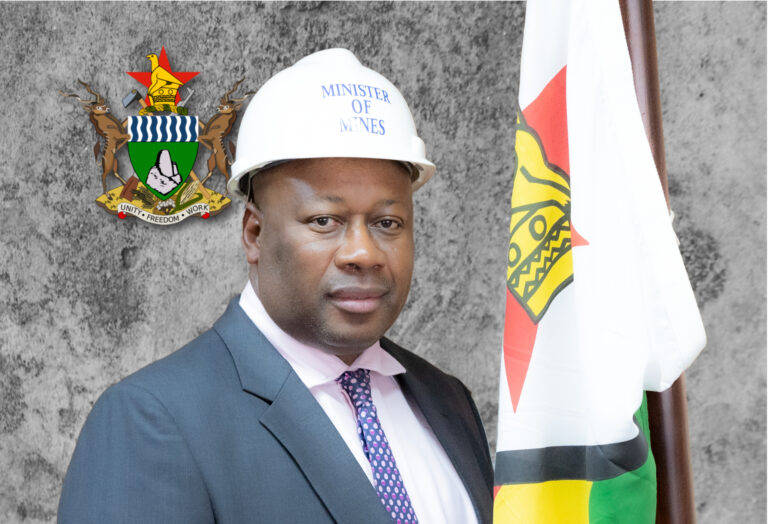
The Days of Unchecked Non-Compliance Are Over warns Chitando

0

…as Govt Moves to Plug Gaps in Previous RMA Audits

The Government has warned that the days of unchecked non-compliance in Zimbabwe’s mining operations are over, as authorities move swiftly to close gaps identified in previous Responsible Mining Audits (RMA) and strengthen oversight across the sector, Mining Zimbabwe reports.

By Ryan Chigoche

This was the key message delivered by Minister of Mines Winston Chitando in his foreword to the Responsible Mining Audit (RMA) Gap Analysis Report, compiled by ENM Advisory Group, which evaluated the 2023 and 2024 responsible mining audits. His remarks underscore the government’s determination to turn lessons from past audits into concrete reforms.

The 2025 Gap Analysis Report is particularly timely, coming as the Ministry of Mines is developing a National Responsible Mining Audit Framework (NRMAF) designed to address shortcomings identified in previous audits. This effort aligns with the government’s broader push for stricter oversight, reinforced by President Emmerson Mnangagwa’s warning that irresponsible miners will not be tolerated.

The need for reform is reinforced by the findings of the 2024 audit, which revealed significant progress from the inaugural 2023 exercise. The Ministry audited 728 mining sites in 2024, up from 424 in 2023, surpassing the targeted 712 audits. Alongside this expansion, fines totalling US$680,000 were imposed and suspensions increased, reflecting a more rigorous enforcement approach.

Building on this momentum, Minister Chitando emphasised the importance of moving beyond checklist-style audits when launching the RMA Gap Analysis Report. He highlighted the need for modern, principles-based standards, stronger community engagement, real-time digital tracking, and effective follow-up to ensure non-compliant operations are held accountable.

“The audits conducted in 2023 and 2024… demonstrated our capacity to enforce compliance and address widespread non-adherence to our national statutes,” the Minister said, framing the expanded programme as a “crucial first step” in resetting mining governance.

He added that the notable increase in fines and suspensions is more than an enforcement metric. “It is a clear signal that the days of unchecked non-compliance are over. We have shown that a multi-agency approach to mining oversight can yield tangible results, bringing to light critical issues related to safety, labour, ethical business practices, human rights, environmental degradation, and fiscal responsibility.”

Looking ahead, as the Ministry prepares to implement the improved audit framework with ENM Advisory Group providing consultancy support, Minister Chitando acknowledged that more work remains. “However, as this report candidly reveals, our work is far from complete. A true measure of responsible mining goes beyond legal compliance. It is about a holistic commitment to Environmental, Social, and Governance (ESG) principles that underpin a Social License to Operate,” he said.

The RMA process itself, piloted in 2023 following Cabinet approval, marked a major shift in mining oversight. For the first time, inspections were conducted by multi-agency teams drawing authority from various Ministries, Departments, and Agencies (MDAs), demonstrating a coordinated approach to governance.

Yet, as the RMA Gap Analysis Report (2023–2024) shows, despite these efforts, gaps persist in the country’s mining oversight. Audits remain largely reactive, focusing on statutory compliance rather than broader sustainability or developmental outcomes.

This limitation is compounded by operational inconsistencies. Even with a centralised Command Centre at the Ministry of Mines, each Ministry, Department, and Agency (MDA) relied on its own checklists, interpretations, and reporting templates. Such fragmentation has led to uneven findings and left holes in the national compliance picture.

Small-scale and unregulated mining operations were identified as particularly high-risk. Many operators lacked mine managers, licences, or basic safety infrastructure such as fenced shafts and secure tailings dams. Labour and taxation violations were widespread, with hundreds employing undocumented expatriates or failing to remit taxes.

The report stresses that enforcement alone cannot resolve these structural challenges. Without capacity-building, guidance, and support, artisanal and small-scale miners remain vulnerable to non-compliance. This underscores the need for a more integrated and proactive approach to oversight.

Even among larger, more structured mines, issues persist. While these operations largely complied with labour, environmental, and fiscal requirements, audits revealed persistent problems such as expired work permits, land-use irregularities, and disputes with rural district councils, showing that no operator is entirely immune to regulatory lapses.

In contrast, Custom Milling Centres and Elution Plants showed complete non-compliance. None held valid milling or elution licences as required under SI 178 of 1990, and all lacked environmental permits for hazardous substances and air emissions. Standalone cyanidation plants operated entirely outside the regulatory framework, without approvals, operational records, or ore movement documentation, posing serious risks to public safety and the environment.

Certain areas, particularly mining hotspots such as Kwekwe, were flagged as epicentres of illegal operations, unsafe shaft construction, uncontrolled use of explosives, and severe land degradation. Law enforcement presence in these zones was largely ineffective, overwhelmed by the scale of illicit activity and limited resources. This highlights the particular challenges of oversight in high-risk regions.

Against this backdrop, Minister Chitando emphasised the limitations of a purely checklist-based enforcement approach and called for a shift towards ESG principles to guide responsible mining. “A true measure of responsible mining goes beyond legal compliance… We must move beyond a checklist approach to embrace modern, principles-based standards,” he said, noting that small-scale miners require both oversight and supportive interventions.

While the audits exposed extensive violations across Zimbabwe’s mining sector, they also laid the groundwork for long-term reform. The multi-agency model has demonstrated that coordinated enforcement can yield tangible results, and Minister Chitando’s declaration that “the days of unchecked non-compliance are over” is being positioned as the defining benchmark for a new era of mining governance in Zimbabwe.

Government Strengthens Mining Oversight Through Multi-Agency RMA Capacitation Workshop

0

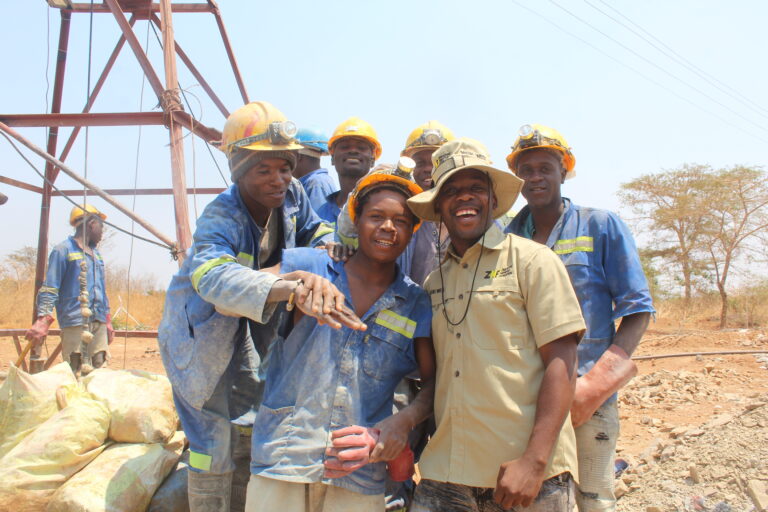
The government is stepping up oversight of Zimbabwe’s mining sector through an ongoing Responsible Mining Audit (RMA) Training Workshop, aimed at addressing compliance gaps highlighted in previous audits and signalling a tougher stance on operators who disregard the law, Mining Zimbabwe can report.

By Ryan Chigoche

The workshop comes as the Ministry of Mines and Mining Development, working closely with multiple Ministries, Departments, and Agencies (MDAs), prepares to roll out the pilot project, National Responsible Mining Audit Framework (NRMAF).

Last year, inspectors visited 728 mining operations, up from 424 in 2023, reflecting a significant ramp-up in the government’s compliance monitoring. Fines totalling USD 680,000 were imposed, demonstrating a firmer and more assertive enforcement approach.

Yet, despite these advances, the recent ENM Advisory Group RMA Gap Analysis Report (2025) revealed that compliance challenges persist, underscoring the urgent need for a structured, nationwide framework to ensure consistency and accountability across the sector.

Recognising these challenges, Deputy Chief Government Mining Engineer T. Paswavaviri emphasised the importance of the training workshop in equipping inspectors to tackle these gaps.

“This training matters because the country is depending on us to anchor responsible mining. As mining expands and new players enter the sector, our oversight must stay ahead—technically sound, coordinated, and uncompromising when it comes to protecting national interests, communities, and the environment.”

To further strengthen oversight, Paswavaviri highlighted the need for close collaboration among all government institutions involved in mining.

“The mining sector touches multiple institutions—Mines, EMA, RDCs, ZIMRA, Labour, and others. If these institutions work in silos, we lose time, duplicate work, and create space for non-compliance. The ‘One Audit, One File’ approach is a game-changer. It harmonises operations, standardises what we collect, and maintains one consolidated audit record per operation. This isn’t just procedural—it’s a cultural shift. We work as one government, with one story, one compliance standard, and shared responsibility.”

According to Eng Paswavaviri, the training also serves to strengthen the technical capacity of inspectors across all participating agencies.

Trainees are learning to apply statutory compliance requirements, integrate Environmental, Social, and Governance (ESG) principles, and follow standardised audit procedures.

Digital tracking systems, uniform reporting templates, and consolidated audit files will also be introduced to make inspections more consistent, reliable, and defensible.

By harmonising inspections nationwide, these measures are intended to ensure that audits under the forthcoming National RMA Framework are standardised, predictable, and enforceable.

The framework also aims to address challenges identified in previous audits, where fragmented inspections often produced conflicting findings and created loopholes that some operators exploited.

The timing of the workshop reinforces the government’s broader push for stricter oversight.

President Emmerson Mnangagwa has warned that operators who flout environmental and safety laws risk removal from the sector, a stance echoed by Mines Minister Winston Chitando, who has stressed that repeat offenders will face decisive action.

Despite increased coverage, higher fines, and a stronger enforcement stance, audits continue to reveal significant non-compliance among small-scale and informal miners. Many operations remain unlicensed, unsafe, and in breach of environmental and labour standards, highlighting the urgency of building a more capable inspectorate.

Through the establishment of a national cascade of skills and the enforcement of uniform compliance standards from district to provincial levels, the Ministry aims to make the National RMA Framework effective, consistent, and credible. The initiative combines enforcement with guidance, helping miners formalise their operations safely and sustainably.

The training represents a decisive step toward a mining sector that is more accountable, transparent, and aligned with national expectations.

The goal, according to the government, is to position Zimbabwe as a pioneer in structured, principle-based mining oversight, sending a clear signal that non-compliance will no longer be tolerated.

Fidelity and Formalisation Central Pillars to ASM-Led Gold Production Surge in 2026

0

Zimbabwe’s gold mining sector stands on the cusp of a defining year, with projections from the 2026 State of the Mining Industry Report outlining a path from approximately 47 tons in 2025 to a target of 50 tons in 2026.

By Rudairo Mapuranga

The anticipated growth is inextricably linked to the Artisanal and Small-Scale Mining (ASM) sector, which has long been the bedrock of national production, and Fidelity Gold Refinery (FGR), Mining Zimbabwe can report.

The report details a concerted, multi-stakeholder strategy centred on formalisation, technological adoption, and strategic support, with FGR positioned as a critical conduit for channelling this output into the formal economy. The collective ambition for 2026 is not merely a numerical target but a test of a new model for integrating ASM into a sustainable, secure, and prosperous national mining framework.

The confidence in reaching the 50-ton target is anchored in the resilience and growing capacity of the small-scale sector. According to the report, respondents from the gold sector explicitly connect their optimism to favourable and stable international gold prices, which provide both the capital and the confidence for expansion. This external market windfall creates a vital window of opportunity for internal reforms. The ASM sector’s growth is expected to be driven by ongoing expansion activities, with miners reporting plans to inject additional capital into their projects and reinvest earnings back into their businesses. This organic growth is further bolstered by the potential for joint ventures and improved access to equipment, which are critical for upgrading operational scale and efficiency.

Recognising that market prices alone cannot guarantee sustainable growth or official deliveries, the government has initiated a policy framework aimed squarely at improving the integration of ASM miners with Fidelity Gold Refinery. This is a central theme of the 2026 report. Key initiatives include the finalisation of a national ASGM strategy to enhance formalisation and the implementation of a dedicated gold mobilisation strategy. Support from the Ministry of Mines and Mining Development is channelled into capacity building and establishing financing structures tailored for small-scale miners.

The sector itself has articulated clear policy recommendations necessary for this transition. These span from the fundamental, such as simplified licensing processes, the delineation of legal mining zones, and the formation of mining cooperatives, to the developmental, including the establishment of dedicated financial mechanisms and improved access to geological data. The call for health and safety training and the adoption of cleaner technologies underscores a growing recognition within the sector that long-term viability depends on operational safety and environmental responsibility.

Fidelity Gold Refinery’s role is evolving under this new framework, moving beyond a passive purchaser to an active facilitator of formalisation. Initiatives detailed in the report are designed to incentivise and secure deliveries. These include a financial incentive scheme for small-scale producers based on monthly delivery volumes, the operation of anonymous depots to enhance security for miners, and the negotiation of favourable foreign currency retention levels. The Gold Development Initiative Fund (GDIF), to which small-scale miners contribute, is envisioned as a tool for circular investment back into the sector.

Perhaps most critically, FGR is focusing on improving its service footprint to meet miners where they are. The anticipated increase in Gold Service Centres across mining regions addresses a major logistical hurdle, reducing travel distances for inspections, payments, and certification. This practical step, coupled with the provision of technical services like milling and processing, directly tackles the inefficiencies that have historically pushed miners toward informal markets.

Despite this strategic alignment, the 2026 report soberly outlines profound challenges that threaten to derail progress. Regulatory hurdles remain among the most significant, with miners citing complex and lengthy licensing processes that make formalisation slow and prohibitively expensive. This is compounded by weak or selective enforcement of regulations, which perpetuates illegal mining, environmental degradation, and unsafe practices.

Capital constraints are equally crippling. Limited access to formal credit and exploitative practices by informal buyers who capitalise on miners’ cash flow challenges create a cycle of poverty that stifles investment. Technical limitations, such as poor geological data and inefficient, often dangerous processing methods like mercury use, further cap productivity and pose serious health and environmental risks. These operational challenges are intertwined with social issues, including land conflicts and community displacement, which undermine the sector’s social licence to operate.

The trajectory for Zimbabwe’s gold sector in 2026 will be determined by the speed and effectiveness with which the outlined strategies are implemented. The partnership between a reforming state, a proactive refinery, and an empowered ASM sector forms the core of this new approach. Success will be measured not just in tons delivered to Fidelity, but in the tangible formalisation of thousands of miners, the remediation of environmental damage, and the creation of a safer, more equitable industry.

The ultimate goal is to transform the ASM sector from a diffuse, informal network into an organised, professionalised, and invested partner in national development. If the integrated plans for policy reform, financial support, and technological upgrades are successfully executed, the 50-ton target will represent far more than a production milestone; it will signify the emergence of a more resilient, responsible, and prosperous gold mining economy for Zimbabwe.

Gold buying prices in Zimbabwe per gram/ ounce, 2 December 2025

Gold buying prices in Zimbabwe per gram/ ounce, 2 December 2025, from the official gold buyer and exporter Fidelity Gold Refinery (FGR).

1 oz = 31.1035 g

CategoryPrice ($/g)Price ($/oz)
SG 90% and above128.784,004.88
SG 85% and above but below 90%127.423,963.34
SG 80% and above but below 85%126.063,921.79
SG 75% and above but below 80%124.693,879.94
Sample 5g and above but below 10g122.653,815.20
Fire Assay CASH129.464,026.86


Note: The Fire Assay cash price applies to gold above 100g, with no sample deduction.

A sample of not more than 10g is deducted for the Fire Assay Transfer price.

Nkayi Police Arrest Security Guards Over Fatal Shooting of Illegal Miners

0

Police in Nkayi have arrested two security guards, Mbekezele Ngwabi, 52, and Elisha Matsvai, 45, in connection with a murder and attempted murder incident that occurred on November 30, 2025, at DGL5 Mine in Inyathi. The incident involved illegal miners, with one, Thabo Ngwenya, 24, shot dead, while another, Nkosikhona Moyo, 19, sustained serious gunshot injuries.

According to police reports, Ngwabi allegedly shot Ngwenya in the chest and neck with a 12-bore rifle, while Matsvai allegedly shot Moyo in the eye and left arm. Ngwenya died on the way to the hospital, and Moyo was admitted for treatment of his injuries.

The police statement said the victims had confronted the suspects after they had apprehended a friend for conducting illegal mining activities at the mine.

In a statement, the Police said, “The two security guards were arrested immediately after the incident and are assisting police with investigations. We urge the community to refrain from taking the law into their own hands, as such actions endanger lives.”

“Illegal mining remains a serious offence, but all enforcement actions must be conducted within the confines of the law. Those responsible for this tragic shooting will face the full might of the law.”

The suspects remain in custody as police continue to investigate the circumstances surrounding the shooting and any additional parties involved.

Zimbabwe’s PGM Output Set to Rebound in 2026 as Global Prices Surge — But Key Risks Remain

0

Zimbabwe’s Platinum Group Metals (PGM) sector is expected to recover next year, with production forecast to rise by 4% in 2026 after an estimated -2.5% decline in 2025, according to a new survey by the Chamber of Mines Zimbabwe.

By Ryan Chigoche

According to industry chiefs, the rebound will be driven mainly by the recovery in platinum prices and efficiency gains across PGM producers, helping boost both platinum and palladium output.

The improved outlook comes as global PGM prices continue to strengthen. The average PGM basket price has climbed to about US$1,916 per ounce — a 30% increase from the same period last year and the highest level since early 2023.

This surge has been supported by a weaker US dollar, resilient industrial demand from China, and renewed investor interest amid persistent inflation and geopolitical uncertainty.

Platinum remains well supported by ongoing demand for internal combustion engine catalysts in major markets such as China and India. At the same time, palladium and rhodium continue to shift toward hybrid and electric vehicle technologies, shaping future demand patterns across global PGM markets.

As was the case in 2025 and 2024, the Chamber’s survey findings showed that capacity utilisation in the PGM sector is expected to remain at full capacity (100%) in 2026.

Producers believe they can maintain this level provided the price recovery continues and operating conditions do not worsen.

However, the Chamber also warned that several risks could undermine the sector’s positive momentum. One of the most pressing challenges is the delayed payment of the surrender portion of export proceeds.

All platinum producers reported that they are facing viability and operational challenges as a result of these delays, effectively running on only 70% of their revenue. Some producers indicated that they have already deferred capital projects because of cash flow constraints.

Power supply remains another significant concern. All producers said they continue to face unstable electricity supply, leading to frequent outages. Smelting operations — which require constant and reliable power — have been the most adversely affected, raising the cost of maintaining stable production.

Cost pressures are also being worsened by Zimbabwe’s fiscal regime. Producers argued that the current 7% royalty on platinum is high and adds to the sector’s already heavy cost structure. Their concerns have grown following additional fiscal measures introduced in the 2026 national budget, which they fear will place further strain on operations.

Although rising global prices offer some relief, the Chamber of Mines cautioned that the recovery may provide only partial benefits.

High operating costs, fiscal pressures, energy constraints, and declining production levels mean that not all producers will be able to capitalise fully on the stronger price environment. Mines grappling with low grades or bottlenecks are especially vulnerable, as escalating costs continue to erode their margins even in a rising-price market.

Overall, while the sector is set for a technical rebound in 2026, its ability to translate higher global prices into improved profitability will depend heavily on addressing the domestic challenges that continue to weigh on Zimbabwe’s PGM industry.

Zimbabwe Cuts Mine Fatalities in 2025 as Safety Efforts Gain Traction

0

Zimbabwe’s mining industry has recorded a significant improvement in safety performance in 2025, with new data pointing to a sharp 25% decline in fatal accidents across the sector, Mining Zimbabwe can report.

By Ryan Chigoche

The findings are significant as they come at a time when mining companies across the country are intensifying their push toward a zero-harm working environment.

However, the latest findings also reveal that small-scale and illegal mining operations remain the dominant source of fatalities, highlighting an ongoing safety crisis at the lower end of the industry.

According to the Chamber of Mines’ 2025 State of the Mining Industry Survey, fatal accidents fell by 25% in the first ten months of the year. A total of 89 fatal incidents were reported between January and October, compared to 118 over the same period in 2024. This positive trend is mirrored in the number of deaths, which declined from 147 in 2024 to 112 in 2025—a 24% reduction.

Despite this progress, the underlying distribution of fatalities shows that the most hazardous conditions remain unchanged. Small-scale and illegal mining operations continue to account for the vast majority of accidents, contributing 88% of both fatal incidents and deaths, just as they did in 2024. Large-scale mines, by contrast, recorded only 11 fatal accidents, resulting in 13 deaths over the same period.

The causes of these incidents also follow a familiar pattern. Falls of ground (FoG) remain the leading cause of fatal accidents, responsible for 39% of deaths in 2025. Shaft-related incidents contributed 21%, while accidents involving falls from excavations accounted for 11%. Machinery-related accidents made up a further 10%. Combined, these four categories explain 81% of all fatal accidents reported this year, underscoring long-standing structural and operational vulnerabilities within the sector.

Industry stakeholders say the improvement in overall safety is partly a result of intensified safety interventions. Since early 2024, the Ministry of Mines and Mining Development has rolled out extensive safety, health and environmental awareness campaigns aimed particularly at artisanal and small-scale miners. These programmes are designed to address unsafe practices and promote more sustainable mining methods.

Complementing government efforts, the Chamber of Mines has continued implementing broad sector-wide initiatives such as mine rescue and first-aid competitions, along with ongoing Safety, Health and Environment (SHE) programmes. These initiatives aim to strengthen emergency preparedness and entrench a safety-first culture across mining operations.

However, with small-scale and illegal mines still accounting for the overwhelming majority of deaths, industry leaders warn that training and awareness alone will not be enough. They argue that the latest statistics highlight the need for deeper formalisation of informal mining, stronger compliance monitoring and increased investment in basic safety infrastructure.

As the industry reflects on the year’s progress, the 2025 data offers a mixed picture: while mining is becoming safer overall, Zimbabwe’s most vulnerable miners continue to face heightened risks—a challenge that remains at the centre of the country’s mining safety agenda.

Miners Urged to Take Extreme Caution as Deadly Rains Claim Lives

0

The Minister of Mines and Mining Development, Hon. Winston Chitando, has issued a stern nationwide advisory to all miners, imploring extreme caution following the onset of the life-threatening rainy season, a directive issued after some miners have already lost their lives to flooding-related incidents this season, Mining Zimbabwe can report.

By Rudairo Mapuranga

Speaking to the media today, Minister Chitando emphasised that the seasonal rains dramatically elevate risks in mining operations, transforming pits and shafts into potential death traps. The Ministry highlighted acute dangers including sudden shaft flooding, ground collapses, slimes dam breaches, and drowning.

“The onset of the rainy season brings with it grave dangers and risks that are a threat to lives and potential loss of equipment,” stated Minister Chitando. “Regrettably, we have already lost lives this rainy season due to flooding—something that could have been avoided.”

The Minister outlined non-negotiable safety protocols for all mining sectors, from large-scale operations to artisanal miners. Key directives include:

  • An immediate cessation of work in or near waterways and low-lying areas prone to flooding.

  • A complete ban on the highly dangerous practice of “pillar robbing” underground, which destabilises mine structures.

  • Avoiding excavation or blasting in old, water-logged mine workings where ground stability is compromised.

  • The imperative is to conduct thorough risk assessments before any underground entry and to halt all operations if threats are identified.

The statement underscored a fundamental principle in the face of economic pressure: “Let us remember that human life is by far worth more than any mineral, so let’s preserve it.”

The Ministry’s advisory also calls for full cooperation with government authorities on the ground, signalling that inspections and enforcement of safety measures will be intensified during this high-risk period. Miners are urged to prioritise safety protocols, including diverting free-flowing water from work sites, to prevent further avoidable tragedies.

Minister Clarifies How Mining Levies Fund Local Communities

0

The Minister of Mines and Mining Development, Hon. Winston Chitando, has provided detailed clarity on the established legal mechanisms that ensure mining operations directly contribute to the communities where they operate, focusing on the long-standing system of local levies managed by Rural District Councils (RDCs), Mining Zimbabwe can report.

By Rudairo Mapuranga

During a recent briefing, Minister Chitando underscored that the framework is not new legislation but the functioning of existing laws designed to channel mining revenues into local roads, clinics, and water projects.

“The fact of the matter is each and every mining operation is obligated through the various Rural District Councils to pay a fee to the community through the Rural District Council,” stated Minister Chitando. “So there is provision in the law.”

The minister detailed a clear, multi-step process grounded in two key pieces of legislation: the Mines and Minerals Act and the Rural District Councils Act. This process is designed to be community-led and transparent.

  1. Identification of Local Needs: The onus is on each RDC to consult with its residents and determine priority projects. “The onus is on the Rural District Council to say which clinics, which roads, which water interventions are required,” the minister explained.

  2. Proposal and Public Consultation: The RDC drafts a proposal for the specific levies on mining operations to fund these projects. These proposals are then posted publicly for community input, ensuring local voices guide the budgeting.

  3. Central Government Approval: The council’s final budget and levy rates are forwarded to the Minister of Local Government for authorization. Once approved, the RDC can formally collect the stipulated levies from all mining entities within its district.

  4. Implementation and Additional Contribution: With funds collected, the RDC finances the approved community projects. Minister Chitando also noted that mining companies are encouraged to contribute “over and above” these statutory obligations through voluntary corporate social investment programs.

The minister’s clarification emphasizes a structured, lawful channel for community benefit-sharing. This focus on transparent local investment aligns with broader governmental goals to ensure the mining sector contributes equitably and supports sustainable development in host regions.

The effectiveness of such systems depends heavily on consistent implementation and transparent reporting. Experiences in other resource-rich countries highlight the challenges. For instance, in the neighboring Democratic Republic of Congo (DRC), audits of a similar community fund mechanism revealed significant gaps, where underreported mining revenues led to tens of millions of dollars not reaching intended local development projects.

Minister Chitando’s detailed public explanation of the RDC levy process is seen as a step toward reinforcing accountability and public understanding of how mineral wealth is meant to translate into direct, local gain. “What is required is working with our colleagues… to ensure that it is actually happening in an efficient manner,” he concluded.

The success of this established system continues to be measured by the tangible improvements in infrastructure and quality of life within Zimbabwe’s mining communities.

ZIDA Unveils 5-Year Investment Plan to Drive Growth Across Mining, Energy, and Key Sectors

0

The Zimbabwe Investment and Development Agency (ZIDA) has outlined a new five-year plan aimed at strengthening the country’s investment pipeline and improving policy predictability, having overseen a surge in investments since its inception, Mining Zimbabwe can report.

By Ryan Chigoche

As ZIDA enters its next five-year cycle, its performance since inception provides the backdrop for the reforms now underway. In its first phase, the Agency built an investor-centred framework designed to ease administrative bottlenecks and improve inter-government coordination.

It expanded the One-Stop Investment Services Centre, streamlined procedures across mining, energy, manufacturing, agriculture, ICT, and tourism, and ramped up international promotion through missions to London, Beijing, Dubai, and Perth. These institutional gains, Chinamo said, now anchor ZIDA’s next strategic phase.

Speaking at the Annual Investor Cocktail in Harare, ZIDA chief executive Tafadzwa Chinamo said the next phase of the Agency’s work will prioritise preserving the gains already made while enhancing competitiveness, regulatory clarity, and service delivery efficiency across all major sectors of the economy.

“Our philosophy remains simple: investors are partners, not transactions. Over the past year, we have improved licensing turnaround times, enhanced aftercare services, deepened policy dialogue, and maintained transparent communication. Sector-focused promotion has also unlocked new partnerships and reinvestments, reinforcing our commitment to clarity, certainty, and accountability. Looking ahead, ZIDA’s Five-Point Plan will focus on strengthening the investment pipeline, fostering a predictable policy environment, enhancing competitiveness, improving service delivery efficiency, and reinforcing our internal systems to ensure operational excellence,” Chinamo said.

ZIDA’s Priorities for the Next Five Years

Chinamo said the Agency’s new Five-Point Plan will guide operations to 2030 and is centred on strengthening the investment pipeline, promoting a predictable policy environment, enhancing national competitiveness, improving service delivery, and reinforcing internal systems.

He added that these measures are aimed at supporting growth in sectors with the highest impact potential, including mining, energy, manufacturing, and agriculture.

The launch of the new strategic plan comes as investment momentum continues to build in 2025, driven largely by activity in the mining and energy sectors. In the third quarter, Zimbabwe recorded US$3.26 billion in projected investment commitments. Financial services led with US$2.15 billion, followed by energy at US$543 million, while mining attracted US$379 million. Manufacturing contributed US$120 million, mainly from retooling and value-addition initiatives.

ZIDA’s reform efforts have also been supported by global institutions. Through UNCTAD, the Agency launched the e-Regulations Portal to improve access to transparent procedural information. Collaboration with the IFC and World Bank has strengthened the Special Economic Zones framework and enhanced investment promotion capacity.

The Agency continues to work with Afreximbank and the AfDB on regional integration initiatives, while partnerships with UNDP and WFP support inclusive and sustainable development programmes.

Chinamo said the next five years will focus on consolidating gains made since the Agency’s formation while accelerating reforms that provide clarity and certainty for investors across key sectors.