Home Blog Page 310

KMC transforms the Kamativi community

0

Chinese-led Kamativi Mining Company (KMC) through an outstanding Corporate Social Responsibility (CSR) initiative has brought life to the ghost town of Kamativi which had fallen into the abyss of economic and social collapse.

The closure of Kamativi Tin Mine in early 1994 saw one of the country’s promising towns deteriorate into a forgotten community with most buildings left to dilapidate to ruins. The closure of the Kamativi mine saw electricity lines being stolen plunging the community into darkness, and water becoming a major challenge among other basic human needs. People in the town resorted to drinking unsafe water from a nearby dam which they shared with animals.

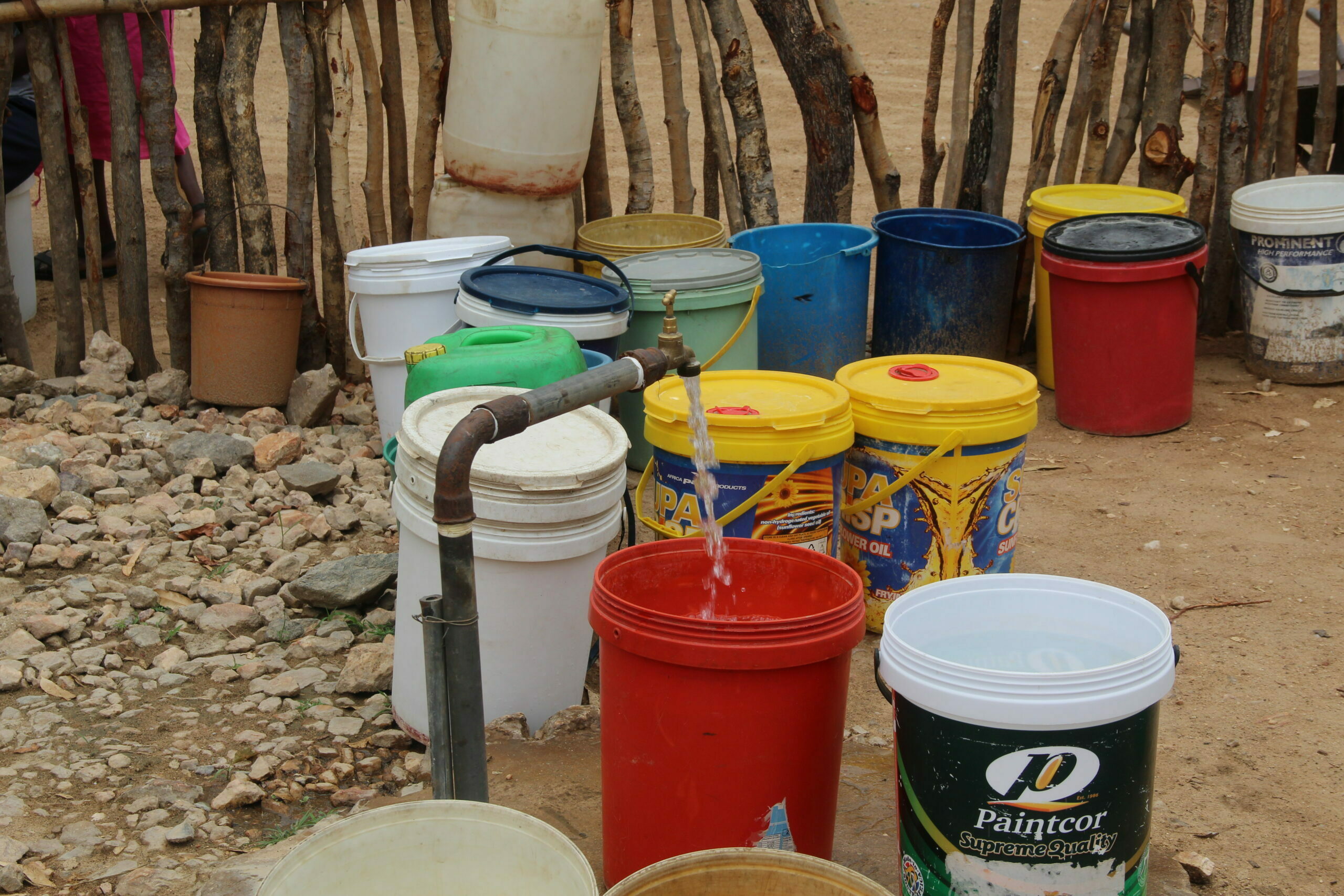
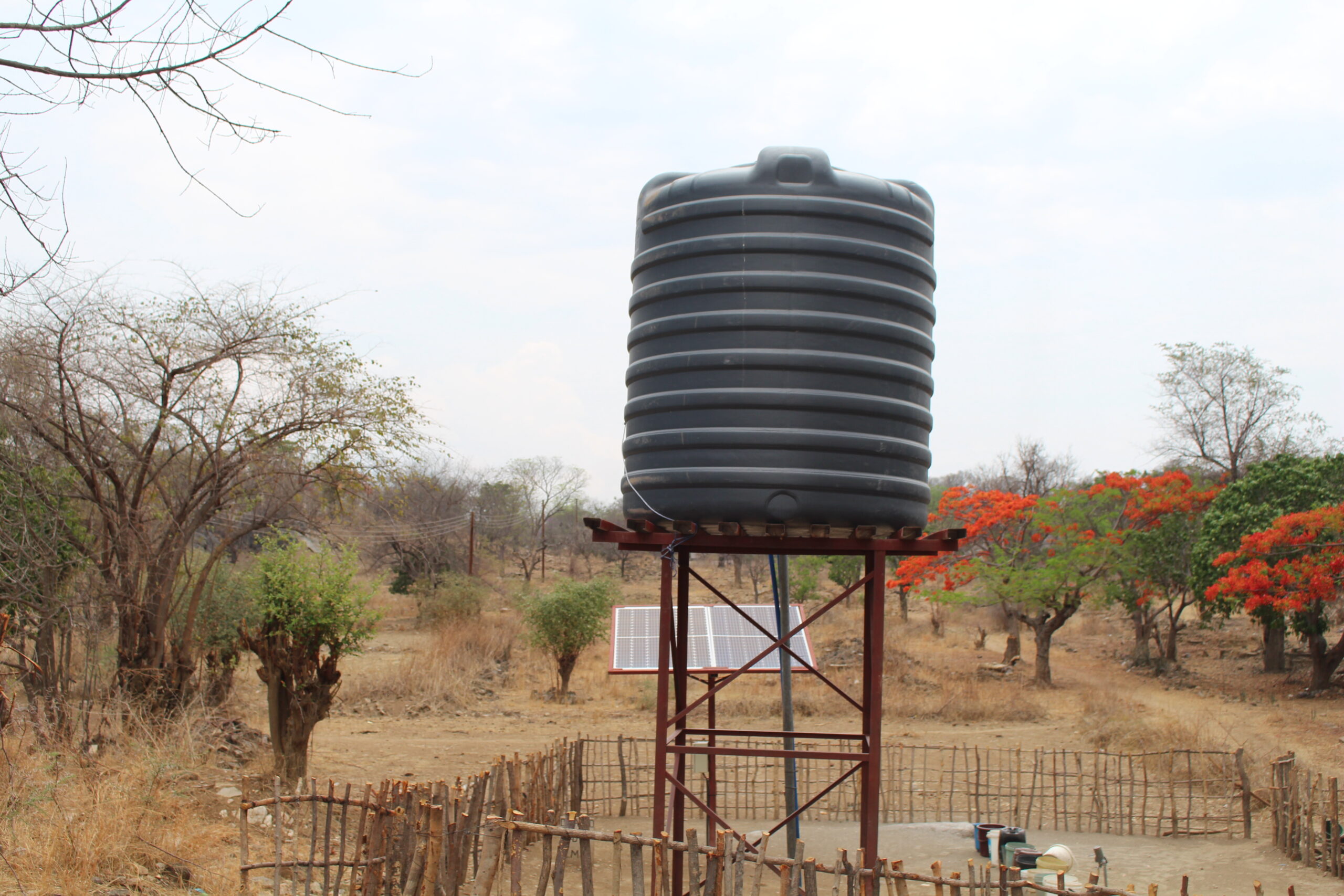
To solve water problems, initially, KMC brought a Water bowser to supply water to the community and police station. However, as of late, it has installed two solar power boreholes with 5000l tanks which are supplying clean and safe water to the community. KMC is also planning to install more boreholes for the community to have enough water.

KMC transforms the Kamativi community
Residents now getting water from their doorsteps at Kamativi

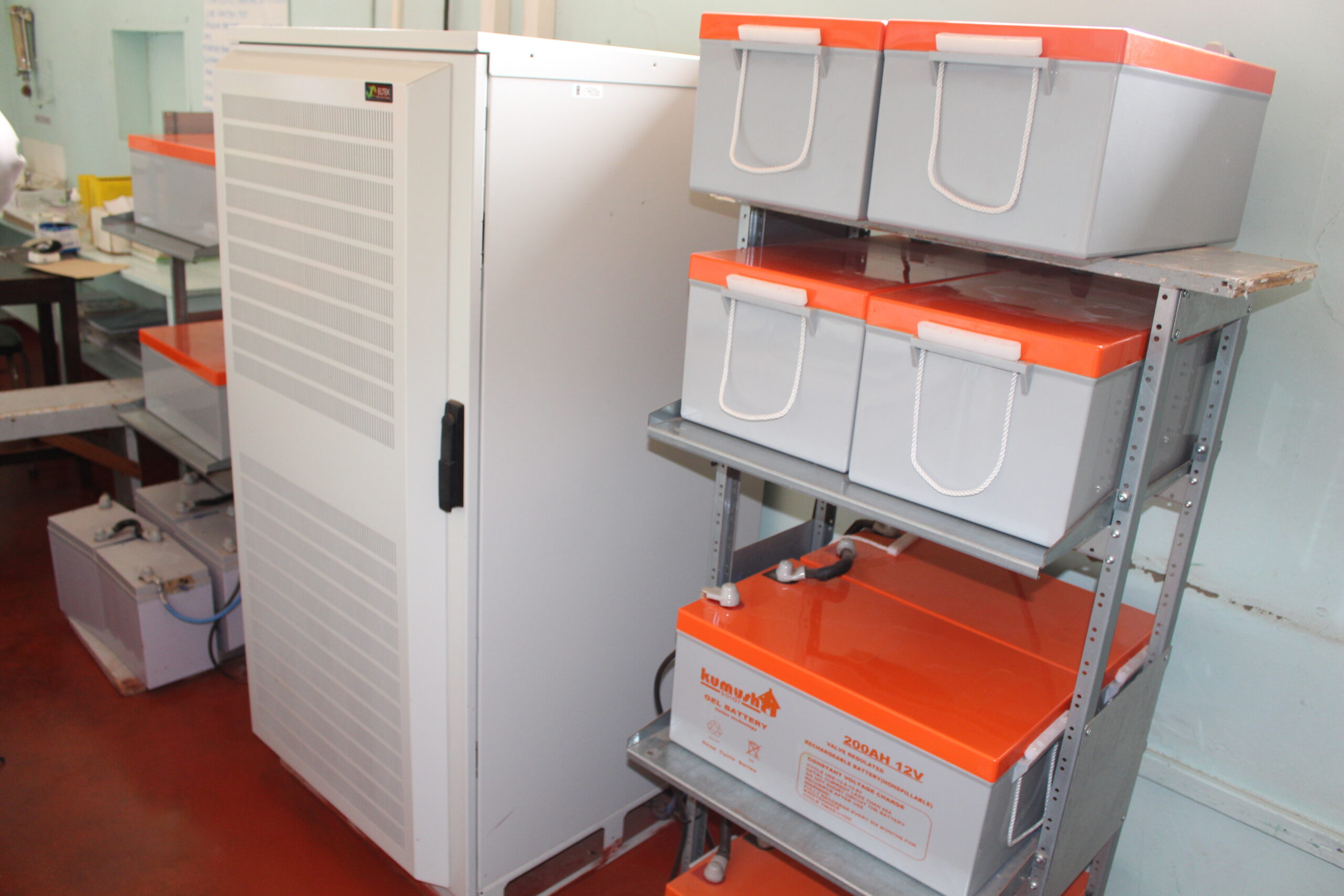
KMC has also continuously donated diesel to the clinic and police station to help with transportation in emergency times. The miner has also bought vehicle tyres for both the clinic ambulance and police vehicle. The mine has also donated lithium batteries to the clinic to enable power in the clinic.

Speaking to Mining Zimbabwe St Patrick’s Clinic Sister in Charge Annacletah Ndlovu said she was grateful for the help they were getting from KMC which has seen the clinic successfully carrying out its Polio vaccination campaign to a 66 km radius area around Kamativi using fuel provided for by KMC together with the brand new tyres.

Lithium batteries

“We received lithium batteries for our solar power from Kamativi Mining Company, and they are very helpful in terms of power supply. We are so grateful and we wish to have more. We have also been timeously receiving fuel for our ambulance and recently they donated two wheels for our vehicles. The fuel they give to us helped significantly during our Polio vaccination campaign. They also promise to put electricity here, if this place is electrified our mortuary will function well,” Sister Ndlovu said.

Kamativi Residents Association Secretary General Mathius Sibanda commended KMC for bringing employment to the mining town saying it is a step in the right direction. He said, once the lithium mining company reaches full production, with over 1200 people to be employed, the town’s GDP will also increase.

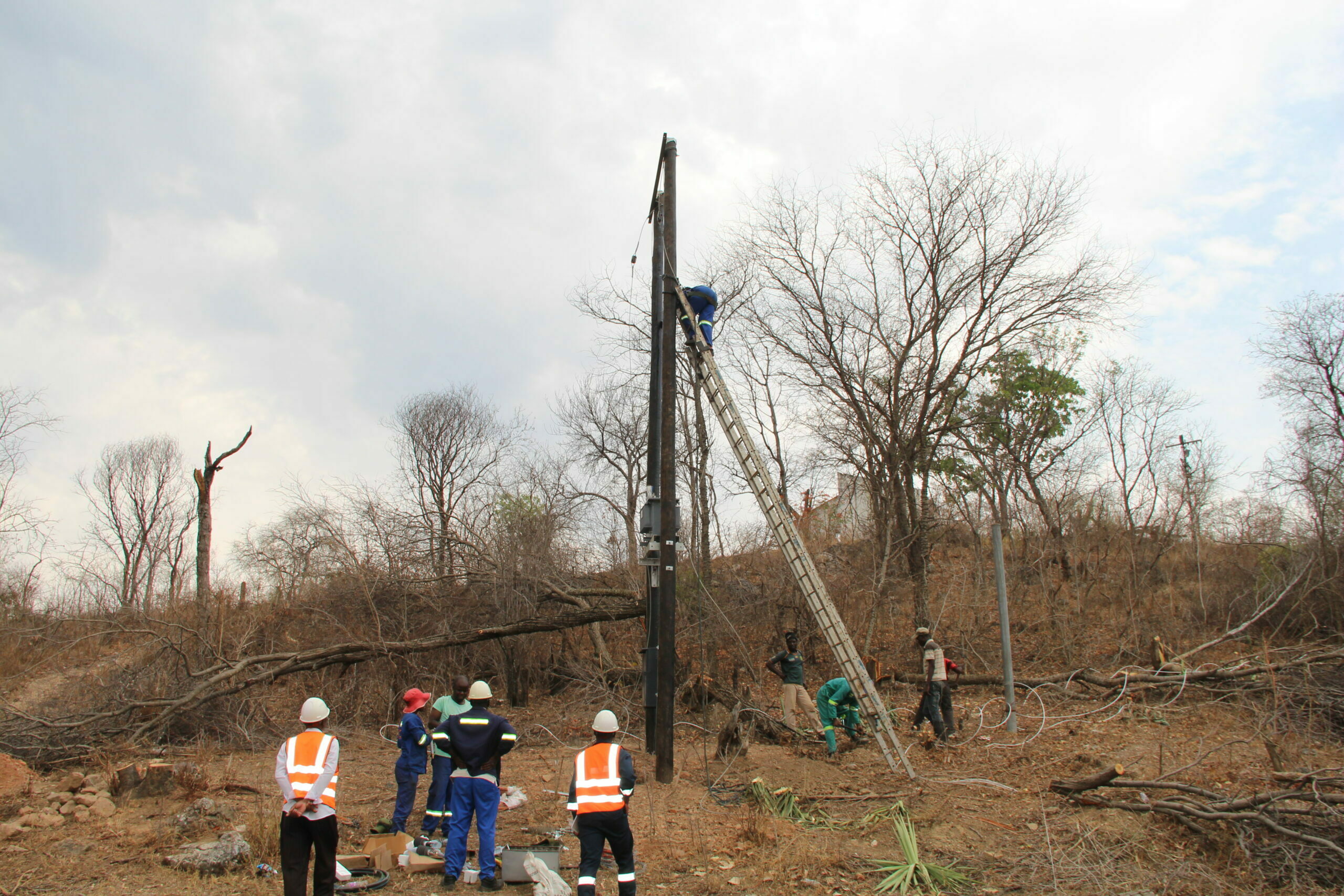
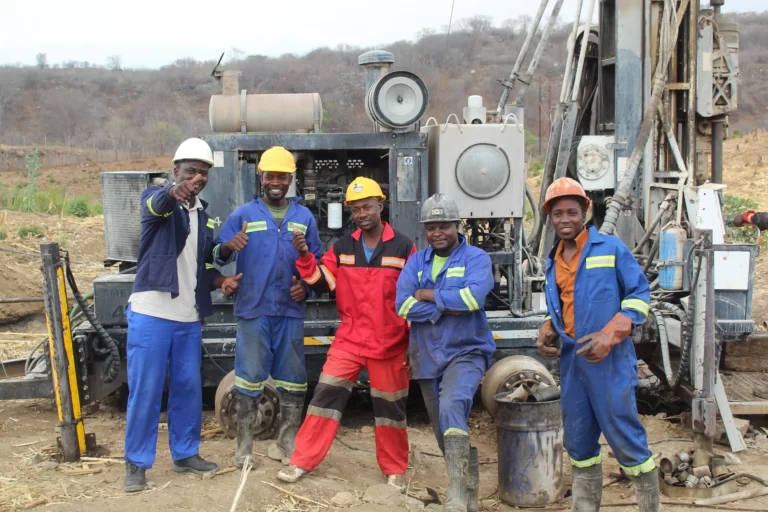
“As you saw, we visited where electricity lines are being constructed at that site. Our children are already getting employed despite the mine not yet being in production. The contractor for diamond drilling has also employed youth from our community. They have also promised to employ 1200 people from within this community and for that we are grateful. We had serious water challenges which exposed the community to water bone diseases that have now been eradicated with the introduction of boreholes and on behalf of the residents I would like to say we are proud to have KMC in our community,” Mathius Sibanda said.

The headmistress at Kamativi Primary School Mrs Anna Mutikani thanked KMC for bringing sanity to her school saying the borehole that was drilled by the mining firm ensured that the children at the school have clean toilets and access to clean water to drink as well as a place to wash their hands. She also expressed happiness that social activities had returned to the school after KMC donated football kits and soccer balls.

“KMC drilled a borehole for us and powered it with solar. We used to go to the next school to fetch water which we would not get at times. Even when we did get the water it was far from enough to drink, clean toilets and sanitary uses. The company is also in the process of installing electricity here which will go a long way in helping our school in this information society era. They even sponsored balls and football kits. KMC also promised to put a roof on some of our classrooms that were blown away. They have really transformed our lives and we are thankful for having them in our community” she said.

Clarification of rumours of mine houses

While it is true that indeed, KMC has brought life to the dying Kamativi town, rumours that some families will be evicted from mine houses still hang over. KMC’s Project Manager Turkey Liang clarified the issue to Mining Zimbabwe.

“We are here to invest and develop the mine, and we are also committed to uplifting and improving our community. We will not force people out of their houses. The mine will renovate the empty houses for future employees after consultations and agreements with ZMDC and the local community. The company prefers to build new houses rather than evict residents from the mine houses to accommodate its workers when the need for more houses arises. I want to emphasize that the development of mine is to benefit the community and improve lives. Proper communications and mutually satisfactory arrangements will be in order once there is a need to relocate people due to mining and production, for example, people staying in the mining area,” Liang said.

The world is burning more Coal than ever

0

Last November in Glasgow, the world’s climate leaders were locked in a fierce debate over whether the final draft of the summit’s agreement should include a pledge to “phase out” or “phase down” coal.

Since then, the more appropriate term would probably be “phase-up”.

Even as the globe is increasingly battered by floods, droughts and storms caused by climate change, the fuel that contributes most to planet-warming emissions is undergoing a renaissance. Global coal power generation could set a record for a second-straight year and remains the world’s biggest source of electricity. Consumption has surged in Europe to replace shortfalls in hydro, nuclear and Russian gas, while top producer China is extracting record volumes from mines to insulate itself from volatile global energy markets.

Prices of exported coal have skyrocketed to records and futures contracts suggest they’ll remain at historic highs for years to come. And while plans for spending on new mines and power plants are a fraction of what they were a few years ago, that companies are still investing in new projects at all is alarming to climate scientists who say the fuel needs to be phased out by 2040 to avoid the worst effects of climate change. As politicians and activists gather in the Egyptian resort of Sharm El-Sheikh this weekend to consolidate the work of Glasgow, Paris and other past COP summits, coal’s resilience demonstrates the mountain the world still needs to climb.

“It’s very much hanging in the balance at the moment about whether coal will set a new record this year, whether gas will set a new record and whether power sector emissions will set a new record,” said Dave Jones, a lead analyst at the climate think tank Ember in London. “The power sector is the most important that you need to be seeing emissions reductions from this decade. That means that this is far more than a blip. This is a moment where governments have got to get serious.”

For coal titans who’ve grown accustomed to being a punching bag for environmentalists, this year has not only been profitable but also a rare and welcome chance to remind the world of the value of the cheap and reliable energy they provide.

“Decarbonization is necessary, but it must take place in a responsible and coordinated way and we continue to maintain that this is a journey that will take decades, not years,” Mark Vaile, chairman of Australian miner Whitehaven Coal said at an October 26 investor meeting, after the producer posted record annual earnings this year. “Traditional energy sources like coal are critical to providing a reliable baseload of energy.”

Coal has long been mired in controversy. Cheap to mine, easy to transport and simple to burn, it powered the world into the industrial age as it blackened skies and choked lungs. Even after technology reduced direct air pollution, coal continued to be the leading source of greenhouse gases in the atmosphere as it releases more carbon dioxide than oil or natural gas, and mining it unleashes torrents of even-more-potent methane.

In order for the world to reach net-zero emissions by 2050, the International Energy Agency says coal power plants need to be eliminated in developed nations by 2030 and in the rest of the world by 2040. And yet hundreds of billions of dollars are forecast to be invested in new coal assets through the middle of the century, and key nations like China and India are forging ahead with plans to roll out vast new power plant capacity.

Last year was supposed to be the beginning of the end for the dirty fuel. Consumption had declined in both 2019 and 2020. Alok Sharma, president of the United Nations-led COP26 climate conference, spent the year urging world leaders to “consign coal to history” when they met in Glasgow in November.

Instead, a strong industrial rebound from the pandemic drove coal consumption to a record. Widespread power outages in the world’s top coal users China and India made leaders there double-down on ensuring supplies of the fuel were available to keep their economies humming. And in Scotland, a tearful Sharma apologized to delegates when a pledge to “phase-out” coal was changed to “phase-down” at the last-minute, on the insistence of Beijing and New Delhi.

Things haven’t gotten much better this year. Coal power generation rose about 1% over the previous year through August, according to data from Ember. In Europe, it’s been needed to replace Russian gas to help overcome lower output from nuclear and hydropower. In China, a historic drought in July and August sapped reservoirs of its massive dams, requiring a surge in coal consumption to fill the void. In the US, coal power plant retirements are being delayed and production of the fuel will increase 3.5% this year as miners seek to meet surging demand from around the world and take advantage of record prices.

One of the ironies of the rise in coal use this year is that it’s been tied to droughts that have reduced hydropower generation and left river levels too low for nuclear power plants to operate at full capacity.

And in the two countries that burn 70% of the world’s coal, work is underway on even more power plants that use the fuel. An executive from China’s top engineering firm said he expects the nation to approve more new coal plants through 2025 than the entire fleet of nations like the US. Meanwhile, India plans to expand its coal fleet by about a quarter through the end of the decade unless there’s a substantial drop in the cost of storing electricity.

The result is that even as investments in wind and solar generation jump to records, it’s very possible that emissions from the power sector rise to a new high this year, according to Ember. UN climate scientists have warned that they have to be cut in half by 2030 to be on path to limit rising temperatures to about 1.5 Celsius above pre-industrial times. Emissions from US power plants will increase 1.5% in 2022, according to the Energy Information Administration.

Surging demand has boosted prices for coal to record levels, with benchmark Newcastle coal futures trading around $360 a ton, about six times higher than they were two years ago. Forward contracts are currently trading at above $260 a ton through 2027. Not a single forward contract was above $75 just two years ago.

That’s meant a windfall for miners like commodities giant Glencore, which reported first-half earnings from its coal unit that surged almost 900% to $8.9-billion — more than Starbucks or Nike made in an entire year. Coal India, a top global producer, saw profit nearly triple. Chinese companies that extract more than half the world’s coal posted first-half earnings that more than doubled to a combined $ 80 billion.

Investors have paid attention. Shares for miners like Glencore and Australia-based New Hope have risen to records this year. Analysts have even suggested giving them a break on environmental-social-governance grounds, arguing they’re doing a social good by providing electricity that keeps families warm, businesses open and workers employed.

Even so, investments in coal have been dwindling as shareholders and banks increasingly refuse to approve new spending on projects either on ethical grounds or because of concerns they’ll be forced to shut long before they can generate a profitable return.

Urgewald, a German nonprofit environmental and human rights organization that tracks active coal projects, said about 473 GW of new coal power plants are still in various stages of planning, compared to about 1,600 gigawatts in the pipeline as recently as 2017. Still, if all the operations still planned are built that would increase the global fleet by nearly a quarter.

“The point maybe not so far away when retirements outweigh new additions and the fleet stops growing,” said Heffa Schuecking, director of Urgewald. “The real problem is if we want to cut emissions in half by 2030, then something like half the fleet would have to be retired.”

Plans to expand coal power generation in places like China and India may not make state-owned utilities there happy. With coal prices so high, companies that burn the fuel to generate electricity sold at regulated rates have seen profits ebb. New wind and solar power is far cheaper than coal in both countries, according to BloombergNEF data.

“Power firms are caught in the middle of deciding whether to take advantage of the brief window of looser coal power expansion rules or focusing more on narrower profits on high costs,” said Zhang Mohan, an analyst with CITIC Futures.

Outside of China and India, plans for new production capacity are limited. Along with expectations that gas will remain costly after Russia’s invasion of Ukraine, that should keep prices high as supply won’t be able to catch up with demand.

“The world can’t just turn off all of its coal-powered generations,” said Robert Bishop, chief executive officer of New Hope, which is aiming to lift production and studying potential coal sector acquisitions. “It’s going to take some time and there just isn’t enough supply response coming on, so we think prices will remain elevated.”

Still, the year hasn’t been devoid of hope for those working to reduce emissions. Even as China invests in new coal mines and power plants, it’s putting even more money into clean electricity and energy storage that could eventually crowd fossil fuels out of the grid. The US Inflation Reduction Act promises to speed investments in wind and solar in a market that’s been a laggard relative to its wealth and emissions profile.

And in Europe, the looming energy crisis and surging fossil fuel prices have boosted demand for renewables, with imports of solar panels from China on the continent more than doubling over the first half of the year. The risks of relying on Russian pipeline gas have accelerated plans to also reduce overall use of that fuel, a factor that could over the medium-term offset emissions from coal’s recent revival, academics at Princeton University wrote in a paper published last month. Germany’s top utility RWE AG said in October that while it would boost coal use in the short-term through the winter, it would bring forward by eight years to 2030 its exit from the fuel.

It all suggests only a brief reprieve for coal, as companies and nations keep a close watch on their emissions trajectory. “If we burn more now, we need a deeper dive afterward,” said Sebastian Roetters, an energy campaigner with Urgewald.
Calls intensify for audit of South African tailings dams

0

Following the tragic collapse of the Jagersfontein tailings storage facility (TSF) in the Free State on September 11, there has been a resurgence of urgent calls for audits of South Africa’s other TSFs.

The collapse of the Jagersfontein TSF claimed one human life and nearly 900 farm animals belonging to at least 25 farmers, while destroying more than 50 houses, ruining water supplies and crops, and displacing nearly 400 people.

Speaking at the Mine Occupational Health and Safety Tripartite Summit, hosted by the Mine Health and Safety Council in Midrand, Gauteng, on October 13, organised labour stakeholder advocate Hanlie van Vuuren called on Mineral Resources and Energy Minister Gwede Mantashe – who also attended the event – to conduct an urgent and immediate survey of all TSFs in the country.

Mantashe responded by voicing his concerns about the safety of the country’s TSFs, singling out the Free State as having many more TSFs that were akin to the Jagersfontein one and, therefore, posed a similar threat.

He implied that there was a general lack of proper qualifications among those who managed TSFs in South Africa, saying that these employees were qualified in mining, and not in water management.

“The burst of the tailings dam in Jagersfontein is a reminder of the dangers posed to the lives of mining communities by operations that fall outside the Mine Health and Safety Inspectorate. It is a painful lesson on the harm of mine legacy projects,” Mantashe said.

He singled out those in the private sector who were responsible for such disasters, stating that, even though companies exploited loopholes in the regulations by winning cases against the DMRE to sidestep accountability, in the court of public opinion, inside the affected communities, they would be “forever guilty”.

The Jagersfontein collapse is the latest in a series of TSF collapses globally this year, with the previous TSF collapse in South Africa having occurred in December last year at mining investment company Menar’s Zululand Anthracite Colliery, in KwaZulu- Natal.

At the colliery, a slurry dam collapsed, resulting in liquid coal waste pouring into the Black Umfolozi and White Umfolozi river systems, flowing through rural communities and the Hluhluwe-iMfolozi and iSimangaliso wildlife reserves.

While these events have once again highlighted the growing concern about the impact of TSFs on the health of people and animals, as well as the broader environment being exposed to toxic and acidic waste, concerns regarding the preservation of heritage sites have also arisen in the case of Jagersfontein.

Mining Weekly

Miners for ED Midlands Chapter launched

0

The Zimbabwe Miners Federation (ZMF) has launched the Miners for Economic Development (Miners for ED) Midlands Chapter at Chingechuru business centre where thousands of miners attended.

Rudairo Mapuranga

According to organisers, miners for ED is a ZMF youth initiative aimed at mobilizing the youth to venture into the mining industry as well as pushing for an increase in production in line with the US$12 billion mining roadmap where the mining sector is expected to become a US$12 billion annual earner by the end of 2023.

ZMF President Ms Henrietta Rushwaya said miners for ED was also created for a sustainable mining industry where issues of environmental rehabilitation and safety are spearheaded.

“The miners for ED is an initiative by the youth in ZMF in an effort to mobilize the youth to venture into mining, to increase production with regards to the US$12 billion mining industry. In an effort to also educate miners on the need to protect the environment, it was also launched to increase the membership of ZMF,” Rushwaya said.

The launch of the Midlands Chapter will be followed by the creation of other chapters in other Provinces across the country. From Midlands, ZMF will launch miners for ED chapters in all 8 mining provinces.

Zim accepts KP chairmanship, promises to leave a lasting legacy

0

Zimbabwe has assumed the chairmanship of the Kimberly Process (KP) that will see the country leading the scheme in 2023 and has promised to leave a lasting legacy and a positive impact on the KP.

Rudairo Mapuranga

As chair, Zimbabwe will oversee the implementation of the Kimberly Process Certification Scheme (KPCS) and operations of the working groups, Committees and administration that activate the KP.

The Republic of Zimbabwe will be deputized by the United Arab Emirates who will be the KP Vice Chair for 2023.

The year 2023 is the KP’s reform year where a host of changes are expected including conflict diamonds definition, implementation of tripartite arrangements in participating countries and strengthening best practices for the Artisanal and Small scale mining in diamond-producing regions among others.

In his acceptance speech, the Minister of Mines and Mining Development Hon Winston Chitando said Zimbabwe was committed to leaving a lasting legacy as well as a positive impact on the KP and will diligently work closely with the Working Groups and Committees to deliver its mandate as the chair.

“On behalf of the Republic of Zimbabwe, we are honoured to accept the KP Chairmanship (2023).

“We will diligently work closely with the Working Groups and Committees to deliver on, among others, the following areas;

  1. KP Review Cycle: so that we build the KP we want as the KP Family. As agreed we will focus on identified reform areas that include definition, technical assistance, community involvement and strengthening KP governance, to be spearheaded by the Ad Hoc Committee on Review and Reform
  2. Peer Review system: so that we enhance compliance

iii. Implementation of the tripartite arrangement in all Participating countries: to ensure best practices as diamonds are for the people

  1. Strengthening of best practices for Artisanal and Small Scale Mining in diamond-producing regions, such as the Mano River Union among others
  2. Digitalization of KP certificates among other initiatives

“These will be achieved through seeking consensus amongst participants and observers as well as continuous consultation with Chairs of Working Groups and Committees.

“The KP Review Cycle is starting in 2023. This is a critical stage for repositioning the KP to remain relevant in the global rough diamond trade. We can assure you that the Republic of Zimbabwe as the KP Chair, will aim for a successful start to the Review Cycle. We will seek to achieve consensus in reaching all decisions as per KP rules.

“It is our commitment to leave a positive impact on the KP as well as a lasting legacy, ” Hon Chitando said.

Dr Michael YoBoue Coordinator of the Kimberly Process Civil Society Coalition (KPCSC) said Zimbabwe has already proven that it will successfully implement reforms when the KP review visited the country and witnessed a lot of positives.

“As we move towards 2023 which is a KP reform year, it is important for Zimbabwe as incoming Chair to set out its planned goals and modalities for achieving consensus on expanding conflict diamond definition and helping in finding a lasting solution on how the KP can address any situation that might give rise to diamond-related human rights violations in any part of the world. We all found comfort this year that Zimbabwe turned the corner on such matters when the Review Visit found a lot of positives. It should not slide back. It should instead be the torch bearer for reforming the KP on expanding the definition. The long overdue expansion of the KP’s conflict diamond definition should include diamonds associated with widespread or systematic violence and serious violations of human rights, regardless of whether they are committed by rebel groups, criminals, terrorists, private or public security forces or any governmental actor. The reform process, however, needs to go beyond the expansion of the definition and also address governance and decision-making,” Dr YoBoue said.

About the Kimberly Process (KP)

The Kimberley Process (KP) is a multilateral trade regime established in 2003 with the goal of preventing the flow of conflict diamonds. The core of this regime is the Kimberley Process Certification Scheme (KPCS) under which States implement safeguards on shipments of rough diamonds and certify them as “conflict-free”.

Under the terms of the KPCS participants must:

  1. Satisfy ‘minimum requirements and establish national legislation, institutions and import/export controls.
  2. Commit to transparent practices and to the exchange of critical statistical data.
  3. Trade only with fellow members who also satisfy the fundamentals of the agreement.
  4. Certify shipments as conflict-free and provide the supporting certification.

Kamativi revival, production scheduled before June 2023

0

Kamativi Mining Company (KMC) which currently is undertaking extensive exploration at the once-biggest tin mine in Zimbabwe has projected to begin its lithium mining and processing by the end of the first half of next year.

The company which is a joint venture between China’s PD Group and Kamativi Tin Mines Limited has since September 2021 drilled over 70 holes and is currently drilling 100 more holes which will authenticate the former tin mine as the country’s biggest lithium spodumene ore body.

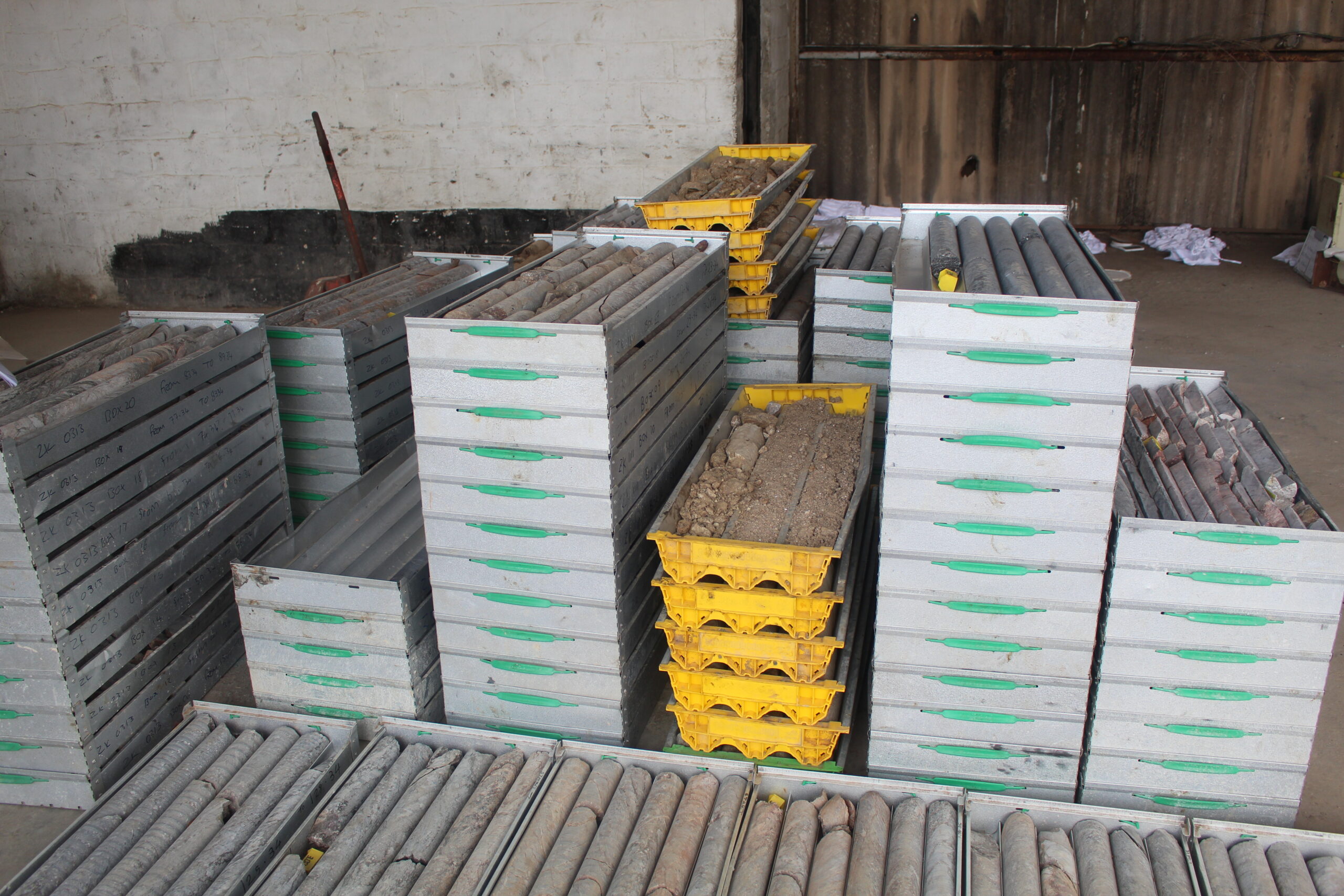
samples at Kamativi lithium mine
Some of the samples at Kamative lithium Mine

According to the company’s Project Manager Mr Turkey Liang, the development of Kamativi Mining Company will be in two phases. The first phase is expected to debut production by the end of June 2023 joining Bikita Minerals in contributing towards the attainment of the US$0.5 billion lithium annual revenue from 2023.

During the first phase, KMC is expecting to construct a plant with the capacity to process 0.6 million tonnes of ore per year. The company will conduct major upgrades to the plant to restore the asset to its former glory.

“During Phase 1 we plan to restore and refurbish all dilapidated infrastructure, construction, water supply and reticulation infrastructure, power supply infrastructure, roads and transportation systems, communication systems, administrative office facilities, scientific research and technical services, employee living facilities, commercial services facilities, as well as public engineering facilities and public life service facilities such as landscaping, environmental protection, culture, education and health etc. Meanwhile, we are looking to build a facility which can process a minimum of 0.6 million tonnes of raw ore per year with an output of lithium, tantalum, niobium etc integrated multi-metal concentrate products and process in our assorted laboratory,” he told Mining Zimbabwe.

He said Phase 2 of KMC development (expected to be complete by end of September 2024), will see the company constructing a facility to enable it to process 1.2 million tonnes of ore per year.

“During Phase 2 we will complete the construction of the underground well or stripping, mineral processing plant construction and facilities, tailings pond and other construction of ancillary production facilities. We are going to complete the installation of all kinds of equipment, electrical, fire protection, ventilation, communication engineering, safety monitoring, automatic control system, and other finishing work of mine construction. According to the detailed exploration result, we are planning to build a mining engineering plant with a mining capacity of 1.2 million tonnes of ore per year and an assorted dressing plant with an output capacity of 200 thousand tonnes per year. Phase 2 is estimated to get into production by the end of September 2024,” he said.

Exploration by Kamativi Mining Company (KMC)

Mining Zimbabwe recently visited KMC on a fact-finding mission on the progress by the Kamativi Mining Company. This publication has established that between September 2021 and March 2022 Phase-one drilling commenced with 38 holes being drilled to the depth of 2140 m  Phase-one drilling focuses on open-cast areas with shallow holes for Open Cast Mining.

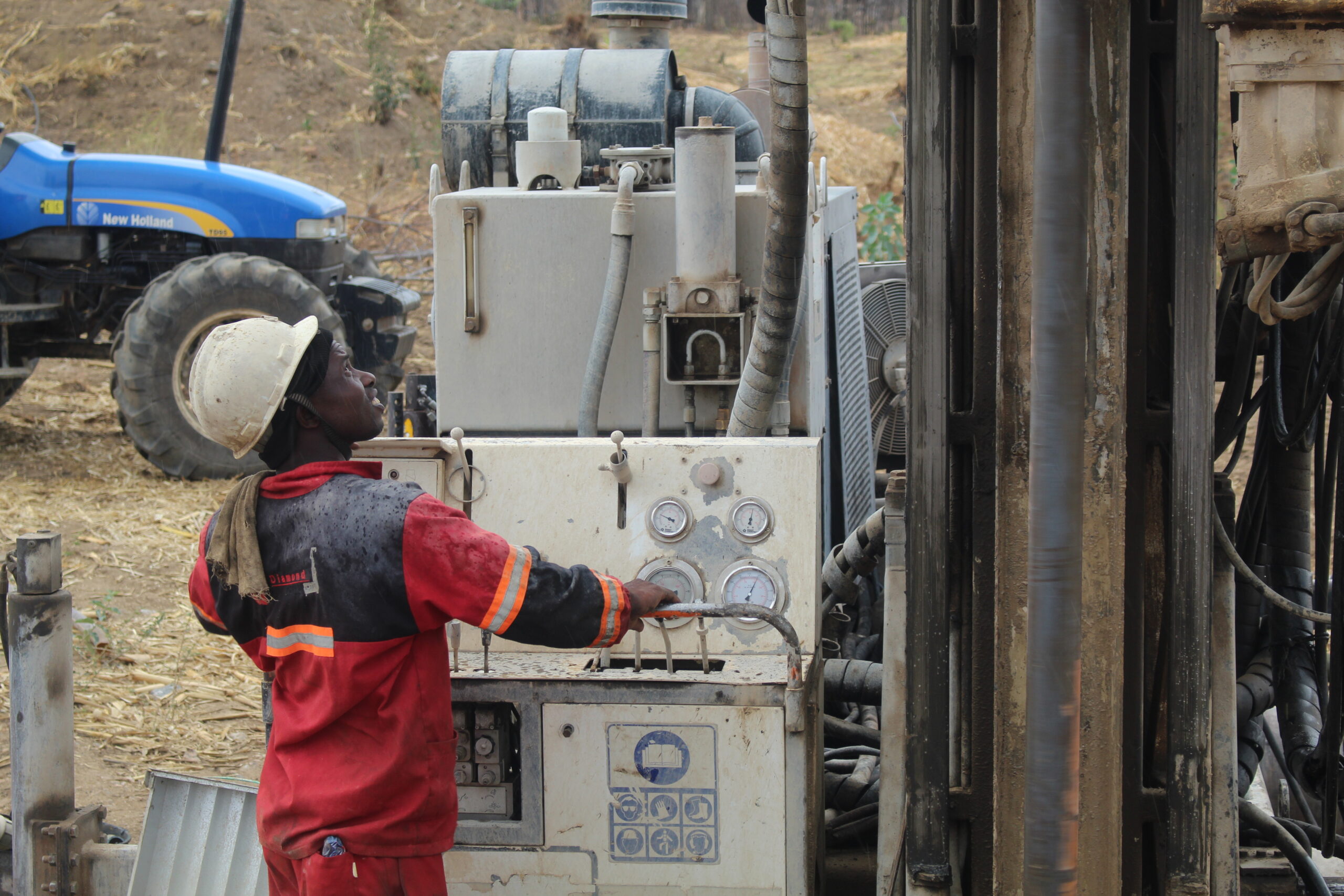
Diamond drilling in progress at Kamativi Lithium Mine
A worker monitors Diamond drilling progress at Kamativi Lithium Mine (November 2022)

Between April 2022-June 2022 Phase-two drilling commenced with the company managing to drill 28 holes of 5000m. The drilling was for underground mining with Mineral Processing research currently ongoing. Phase-two detailed drilling of 100 holes of around  15000m was also carried out with Detailed exploration for underground mining and resource report and feasibility study currently underway.

Currently, 4900m have been drilled from late September 2022 with 8 rigs on site with another 4 rigs expected by early November bringing the total to 12 rigs. The work will lead to locating the first mining area, designing for mining and carrying out mining activity.

Lithium rush in Mberengwa

0

Zimbabwe’s policies are once again in the spotlight after more than 5 000 artisanal miners and fortune seekers, including foreigners, have descended on the former Sandawana Mine in Mberengwa, Midlands province, in search of lithium which is reportedly exported to foreign markets across the world.

Sandawana Mine is in the state-owned Zimbabwe Mining Development Corporation (ZMDC) portfolio and has been famed for producing emeralds and other precious stones.

Lithium is a rare mineral whose production is currently taking place in only eight countries, with 85% of the global supply coming from Australia, Chile and China.

Zimbabwe is the world’s fifth-largest lithium producer. Its lithium output has risen steadily in recent years, producing 1 200 metric tonnes of the metal in 2021.

Government is bullish on the quantum of the metal within its borders with Mines minister Winston Chitando recently telling the media that Zimbabwe has the potential to account for 20% of global lithium demand when all known lithium resources are exploited. However, unscrupulous dealers have been siphoning the mineral through Zimbabwe’s porous borders amid reports that most of the lithium from Mberengwa is being shipped into South Africa with dealers manipulating the laxity at the Beitbridge border post.

Unscrupulous dealers have, according to an investigation carried out by the Zimbabwe Independent this week, been on the ground in Mberengwa, shipping out the precious mineral much to the prejudice of the state.

The mineral is reportedly being exported to countries like South Africa with authorities reportedly also cashing in on the illicit and unregulated mining activities in the area.

The US dollar-seeking artisanal miners are earning at most US$150 per tonne while investigations done in Mberengwa and South Africa revealed that the “buyers” are earning as much as US$800 when they resale the mineral.

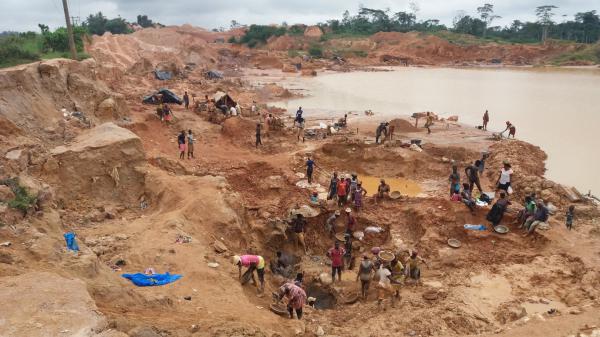
The Independent this week visited the mountains in Mberengwa where more than 5 000 artisanal miners have been camped in the last month, mining lithium ore while trucks from South Africa are based at the mining sites.

Mines and Mining Development Deputy Minister Polite Kambamura confirmed that the government was aware of the developments.

“We have just heard of what is happening in Mberengwa, but I am visiting the place tomorrow (today). We will make a statement after the visit tomorrow,” Kambamura said in an interview yesterday.

On Wednesday police details visited the place and issued a four-day ultimatum for the miners to vacate the place.

The latest development has however attracted the attention of environmentalists and pressure groups who are worried about the involvement of corrupt government officials and foreigners in the pillaging of the country’s resources.

Speaking to the Independent, a villager revealed that the pillaging, which has been going on for just about a month, has shocked even government officials.

“The former miners used to get emerald and tantalite but we have just discovered that we could get these minerals for export,” the villagers noted.

The Zimbabwe Miners Federation (ZMF) president Henrietta Rushwaya who visited the area advised miners to respect the laws of the land.

“We want our people to benefit from Zimbabwe’s natural resources, so we expect villagers to own claims, but that has to be done in a proper manner. We need to respect the laws of the land and we understand there are economic hardships, but mining has procedures which must be followed. Lawlessness in the mining sector is a thing of the past,” Rushwaya said.

In various interviews, environmentalists said lithium required government intervention to protect the villagers who have been bearing the brunt of the latest developments.

Environmentalist and Reyna Trust executive director Sydney Chisi said lithium was becoming a critical mineral that could help Zimbabwe in adding value to its minerals.

“However, as long as we don’t have the technology and technology transfer and value addition to our minerals, then foreign nationals will come and extract our minerals as raw. Zimbabwe as a country susceptible to climate change will always buy these products at a high price as we continue to struggle to add value to our minerals,” Chisi said.

However, Centre for Natural Resources Governance director Farai Maguwu said the situation in Mberengwa was prone to abuse by government and Zanu-PF officials taking advantage of the laxity of controls in the mining sector.

“I think mining has become a major distraction and the government is using mining as a way of diverting people’s attention from important issues. But this is coming with a big cost considering the haphazard manner in which Zimbabwe’s mineral wealth is being accessed,” Maguwu said.

He said foreign syndicates are taking advantage of this confusion and have been milking the country’s wealth for nothing.

“The whole world is moving towards lithium. It is a transition mineral used for the movement to renewable energy. So it’s sad that we don’t have policy documents on lithium. There is a predatory approach by the government. And when you look at the informal manner in which people are extracting the mineral, it means there is going to be an environmental catastrophe. An environmental Armageddon will unfold and the government will come later when they realise that the deposits are large like they did in Marange. Maybe they are going to use the army, which is a drastic measure.

“Overally, Zimbabwe needs dialogue on mineral governance. The country needs a natural resource charter where we have the government and the citizens agreeing on how best to govern our minerals. Future generations will also need to account for these resources that we are giving away for nothing,” Maguwu said.

Over the course of this year, President Emmerson Mnangagwa officially opened a number of lithium mining companies but there hasn’t been much talk on the beneficiation of the mineral.

Sources: Zimbabwe Independent

21 illegal miners’ corpses discovered

0

South African police are investigating the discovery of at least 21 bodies suspected of being illegal miners that were found near an active mine in the town of Krugersdorp, west of Johannesburg.

According to police, 19 bodies were discovered on Wednesday afternoon and two more were discovered on Thursday morning. Police said they suspect that the bodies were moved to the location where they were found, which is a privately-owned mine.

“We can confirm that this morning our search and rescue team went back to the scene and, as they were searching, they discovered two more bodies. They retrieved them from an open (mine) shaft,” police spokeswoman Brenda Muridili said Thursday.

Muridili said evidence found on the scene suggested the people did not die where their bodies were found but “no foul play” was suspected. The bodies would undergo autopsies, she said.

The Sowetan newspaper reported that the bodies were those of illegal miners who died when a tunnel at a different mine collapsed, although police declined to confirm that before the results of the autopsies. The Sowetan, quoting an unnamed illegal miner, said the bodies were moved so police wouldn’t find where the illegal mining was taking place.

The grim discovery is the latest in a series of incidents related to illegal mining in the Krugersdorp area. In July, eight female members of a film crew were raped and robbed at an abandoned mine in the area, where they were working on a music video shoot. The incident sparked violent protests against illegal miners in surrounding communities.

Last week, rape and robbery charges against 14 men, who are also suspected of being illegal miners, were withdrawn after police couldn’t link them to the rapes through DNA evidence. The men were arrested during police raids on the abandoned mine where the rapes took place.

Illegal mining is rife in South Africa, with miners known locally as “Zama Zamas” searching for gold at the many disused and abandoned mines in and around the Johannesburg region. Krugersdorp is a mining town on the western edge of Johannesburg.

Illegal mining gangs are considered dangerous by the police, are usually armed and are known to fight violent turf battles with rival groups. The trade is believed to be dominated by immigrants who enter illegally from neighbouring countries Lesotho, Zimbabwe and Mozambique.

The 14 men who had rape and robbery charges against them dropped are accused of being in South Africa illegally and have been charged with immigration offences.


Rape and robbery charges against 14 illegal miners dropped

0

Krugersdorp (South Africa) Magistrates’ Court last week acquitted 14 illegal miners who were accused of charges of rape, sexual assault, and robbery with aggravating circumstances.

The rape and robbery charges against 14 men, among them Zimbabweans, who are also suspected of being illegal miners, were withdrawn after police couldn’t link them to the rapes through DNA evidence. The men were arrested during police raids on the abandoned mine where the rapes took place.

The National Prosecuting Authority (NPA) said that the alleged illegal miners remained in custody and would now only face a charge of contravening the Immigration Act.

“The decision to withdraw all the mentioned charges was informed by the outcome of the DNA results, which excluded all the accused, as well as a consultation process that the NPA had with all the complainants in the matter,” she added.

Illegal mining is rife in South Africa, with miners known locally as “Zama Zamas” searching for gold at the many disused and abandoned mines in and around the Johannesburg region. Krugersdorp is a mining town on the western edges of Johannesburg.

Illegal mining gangs are considered dangerous by the police, are usually armed and are known to fight violent turf battles with rival groups. The trade is believed to be dominated by immigrants who enter illegally from neighbouring countries namely Lesotho, Zimbabwe and Mozambique.

The 14 men who had rape and robbery charges against them dropped are accused of being in South Africa illegally and have been charged with immigration offences.

Gemfields to auction 37,555-gram emerald cluster

0

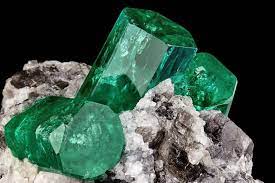
Africa-focused Gemfields (LON: GEM) (JSE: GML) will sell a cluster of emeralds weighing 187,775 carats (37,555 grams) through an auction, with bidding closing on November 17.

The coloured gems producer said the Kafubu Cluster, discovered at its Kagem emerald mine in Zambia in March 2020 is likely to become the most expensive single emerald piece it has ever sold.

“Rarity is one of the factors that makes emeralds hold such a special value in many cultures around the world,” Jackson Mtonga, Kagem Assistant Sort House Manager, said in a statement. “But the combination of this crystal cluster formation, the overall quality and the sheer enormity of the Kafubu Cluster is something I never thought possible.”

The piece took its name from the Kafubu river, which forms a natural boundary for the emerald mine in the southern part of the Kagem licence.

Gemfields said that Zambian emeralds tend to have a higher iron content than emeralds from other origins, which means they are less fragile. High iron content also means fewer surface-reaching fractures and less need for treatments and enhancements.

Eyes on Asia

Gemfields, which has operations in both Mozambique and Zambia, has stepped up efforts to market its emeralds and rubies in China after a report highlighted the “huge potential” for ethically sourced gems in that market.

Top diamond miners are already moving into that direction. The Natural Diamond Council (NDC), which groups the world’s seven leading producers, launched last year its first advertising campaign targeting the Asian and US markets.

NDC also inked a deal with China’s top jewellery retailer Chow Tai Fook to boost demand for mined rocks.

Mining