

Home Blog Page 547

Centamin unveils three-year plan for Sukari gold mine

0

West Africa-focused gold miner Centamin (LON:CEY) (TSX:CEE) outlined on Wednesday a three-year plan designed to cut costs and boost efficiencies at its Sukari mine, which has been affected over the past two years by operational issues and under-investment.

The company said it would spend $595 million to increase waste stripping at Sukari, which is Egypt’s sole gold-exporting mine and the first large-scale modern gold operation in the North African nation.

Capital Limited, the company that won the open-pit waste mining contract, will provide the extraction process service that will help Centamin access higher-grade ore over a period of four years.

THE PLAN WILL ALLOW SUKARI TO PRODUCE BETWEEN 450,000-500,000 OUNCES OF GOLD FROM 2024 ON

“The winning of the tender for the Sukari open-pit waste mining contract is a significant milestone for Capital – it is the largest contract win for the group since inception, adds substantial scale to our mining services division, as well as providing revenue diversification from our drilling services business,” executive chairman Jamie Boyton said in a separate statement.

Centamin’s new plan would allow Sukari to produce between 450,000-500,000 ounces of gold at an all-in sustaining cost of between $800-$900 per ounce from 2024 onwards.

Chief executive Martin Horgan told reporters on a call that the three-year guidance was characterized as an investment phase. “We are looking to reset the asset from a production basis [and focus] for now in margins and cash flow generation,” he said.

Analysts reacted positively to the news. UK investment firm Peel Hunt said the plan would be a “near term hit, [but] longer-term benefit.” BMO said Centamin’s near-term outlook was “realistic” and “should position the company well to achieve future guidance.”

The company, which has stepped up exploration across its three assets in West Africa, fended off a takeover attempt last year by Canada’s Endeavour Mining (TSX:EDV).

Turning the page

Centamin has proved resilient to recent challenges, beyond those brought by the covid-19 pandemic. After about six months without a top boss, in April it appointed Martin Horgan as its new chief executive officer.

Horgan did not dismiss on Wednesday the possibility of a new suitor attempting to acquire Centamin in the near future. “If somebody decides to knock on the door and have a conversation, we can’t control that – it’s a decision for shareholders.”

The company has also gone through some major board changes. Those include seeing Josef El-Raghy migrate from executive chairman to chairman, 18 years after becoming managing director.

In October, the miner lowered guidance for 2020 after stability issues at the mine’s west wall forced the company to halt mining in the high-grade zone.

Sukari, which began operations in January 2010, comprises a large open pit and an underground mine.

The operation contributes up to $900 million a year to Egypt’s gross domestic product.

Mining.com

Lead hits 1-year high on mine disruption but oversupply looms

0

Mine disruptions have helped lead prices rally to one-year highs but plunging imports of the metal in top consumer China will mean an oversupplied market that will cap further gains despite sustained demand from the battery sector.

Also contributing to lead’s 20% rise since the middle of October to around $2,100 a tonne on the London Metal Exchange are hopes for a swift global economy recovery due to vaccines that could end the coronavirus crisis.

Lead was the top performer among LME metals last month.

Disruption has come from the closure of a major shaft at Vedanta’s Gamsberg mine in South Africa which produces lead and sister metal zinc, prices for which hit their highest May 2019 on Monday at $2,844 a tonne.

“Lead is riding on zinc’s coat tails,” said CRU analyst Neil Hawkes. Zinc’s price premium to lead – a popular relative value trade – is now around $680 a tonne, having hit a year high of $809 a tonne in November.

Shipments of new and replacement automotive batteries in North America climbed 5% in August from the same month last year, figures from Battery Council International showed, after a 13% jump in July and 18% in June.

WOODMAC STILL EXPECTS LEAD DEMAND TO CONTRACT 5.2% THIS YEAR

“After the easing of restrictions, a tsunami of batteries was discovered that had died during lockdown, particularly in North America,” said Wood Mackenzie analyst Farid Ahmed.

“Battery makers are still struggling to catch up with pent-up demand and back-orders and now winter is coming, which is the seasonal ‘battery kill’ peak demand.”

However, WoodMac still expects lead demand to contract 5.2% this year and not return to 2019 levels of consumption of 12.8 million tonnes until 2022.

Chinese imports of refined lead plunged 77% between January and October compared to the same period last year, to 20,318 tonnes.

The demand drop will push the lead market to a 276,000 tonne surplus this year, according to forecasts from the International Lead and Zinc Study Group.

Still, funds are betting on prices rising further, with the net long on LME lead sitting at its highest since February 2018, according to broker Marex Spectron, at 8.8% of open interest.

Reuters/Mining.com

Corporate tax reduced, a relief for Zim miners

0

The Zimbabwe government has reduced corporate tax for miners by one percentage point to 24% to enable resources companies achieve acceptable returns from their investments, reduce costs and ensure optimal exploitation of minerals, Finance Minister Mthuli Ncube said Monday.

Speaking at a post-budget meeting in the capital, Ncube, said the government had for a many years ignored the call to reduce tax for miners, something which does not augur well for an administration that has identified mining as one of the critical sectors to anchor economic growth, alongside agriculture and tourism.

“The government reduced corporate income tax rate from 25% to 24% with effect from January 1, 2020.

The decision was motivated by the desire to enhance the return on equity, a key success factor in the drive towards improving investment flows,” Ncube said.

Recently, the government tabled an ambitious policy document which sees the mining sector turning into a US$12bn industry by 2023.

The blueprint targets gold output of US$4bn per year while platinum is expected to grow to US$3bn.

Diamond is expected to grow to US$1bn. Other minerals are expected to contribute the remainder.


Business Times

Botswana Diamonds acquires Sekaka from embattled Petra

0

Botswana Diamonds (LON: BOD) said on Monday it had completed the acquisition of Sekaka, the exploration vehicle that belonged to embattled rival Petra Diamonds (LON: PDL) and which held three prospecting licenses in the country’s Central Kalahari Game Reserve.

In one of its licenses, Sekaka had singled out the KX36 kimberlite pipe, which is situated about 70 km from Gem Diamonds’ Ghaghoo mine, and 260 km north-west of Botswana’s capital Gaborone.

Sekaka also had a recently built, fit-for-purpose bulk sampling plant on-site that includes crushing, scrubbing, dense media separation circuits and X-ray recovery modules within a secured area.

The acquisition includes an extensive database, built up over 15 years of exploration.

Botswana Diamonds believes the information contained in the database will provide substantial support to its future kimberlite exploration activities in the mining-dependent country, the world’s second-largest diamond producer.

“We are delighted that this acquisition has now closed. This paves the way to explore commercial development options for KX36 and begin to evaluate the extensive database in conjunction with ours to discover more kimberlites in prime diamond real estate,” chairperson John Teeling said in a media statement.

Diamond exports from the southern African nation dropped 42% to $1.49 billion in the first nine months of this year as production fell 29% to 12.3 million carats due to covid-related restrictions.

Botswana’s mining sector provides a fifth of the country’s GDP and 80% of its foreign exchange earnings.

Mounting woes

Petra Diamonds, the former owner of Sekaka, has been struggling for over two years. Its weak financial position pushed it to shed non-core assets and put itself up for sale in June.

The company reversed the decision in October, opting instead for a debt-for-equity restructuring. The deal would leave existing shareholders with just 9% of the company.

Petra is also dealing with allegations of human rights abuses at its Williamson mine in Tanzania, resulting from the actions of its security guards.

It recently reported a 36% fall in revenue and a net loss of $223 million (168.7 million pounds) for the year ended June 30, as the coronavirus pandemic deepened the company’s financial woes.

Mining.com

Rio completes initial work at Zambia copper project

0

Rio Tinto has completed the initial work program on Midnight Sun Mining’s (TSXV: MMA) Solwezi licenses in Zambia, part of an earn-in and joint venture agreement the companies signed in April 2020.

After incurring project expenditures in excess of $3 million during the initial work phase, Rio will now proceed to the next stage of the agreement.

This would allow the company to earn a 51% interest in the Solwezi licenses by spending a further $16 million on the project within four years, as well as by making cash payments to Midnight Sun.

During the initial work program, Rio compiled all available data on the Solwezi licenses produced by Midnight Sun and prior operators and completed additional fieldwork. The goal was to strengthen its geological understanding of the Solwezi licenses and further delineate exploration targets.

The majority of the fieldwork was focused in the area around the 22 Zone, and includes infill soil sampling, geophysical surveys and air core drilling. A 3,000-metre diamond drill program is currently underway.

Solwezi comprises two individual exploration licences totalling 506 square kilometres.

The project is situated on the Zambia-Congo copper belt and is immediately adjacent to Africa’s largest copper mining complex, First Quantum’s Kansanshi mine.

Shares of Midnight Sun Mining advanced 2.2% by 12:30 p.m. in Toronto, giving the junior miner a market capitalization of C$22.9 million_Mining.com

Budget2021: Govt set to revive Ziscosteel

0

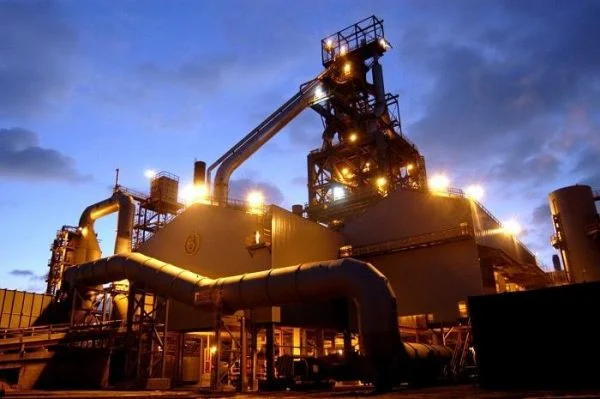
Finance minister Mthuli Ncube said government is set to revive the defunct and debt-stricken Ziscosteel in 2021.

While presenting the 2021 national budget statement Ncube said if Ziscosteel is revived government will save close to US$1 billion.

“The revival of Ziscosteel is key to the economy through its potential benefits in job creation and value chain impact in companies such National Railways of Zimbabwe and Hwange Colliery and the resultant
savings in foreign currency in excess of US$1 billion through importation of steel products,” Ncube said.

“In 2021, Government will resuscitate Ziscosteel through innovation and harnessing inward opportunities, while working closely with local
investors. This will be done through courting new investors who will bring new technology and new skills.

“While the search for new investors is in progress, Government is currently implementing a short-term roadmap of resuscitating the firm’s subsidiaries which include ZimChem, Lancashire Steel, and Buchwa
Iron Mining Company (Bimco) among others,” Ncube said.

Ncube also said “current operations are targeted at raising capital through the sale of waste and boulders, among other activities.”

In September the Ziscosteel board cancelled all deals it entered into with various business entities as it views them as unfavourable to its revival plan.

This was confirmed by board chairperson, Martin Manhuwa while briefing a government inter-ministerial team that toured the giant Ziscosteel plant in Redcliff.


ZimMorningPost

Mining giant completes US$60m Blanket expansion project

0

CALEDONIA Mining Corporation says it has completed a US$60 million project to equip its Central Shaft at its flagship Blanket Mine in Gwanda, Matabeleland South.

The development extends Blanket Mine’s life to 2034 with the Central Shaft expected to increase production by around 45 percent from approximately 55 000 ounces of gold in 2019 to the target rate of 80 000 ounces from 2022.

The company is set to enjoy reduced costs owing to economies of scale and operational efficiencies. According to the latest update from the company, the Central Shaft would reduce the all-in sustaining cost per ounce of gold from $855 in 2019 to between $700 and $800 per ounce.

The Central Shaft project began in August 2015 and targets higher safety standards with fatality free shifts. The scope of the project was extended from an initial target depth of 1,089 metres to a final depth of 1,204 metres and was self-funded and built by the Blanket Mine crew with supervision from Sinking Engineering Mining Construction.

“Caledonia Mining Corporation is pleased to announce that the phase of fully equipping the Central Shaft from its base to the surface collar is now complete and it is on track to be commissioned in the first quarter of 2021,” said the company on Monday.

“During shaft sinking, more than 1,800 metres of infrastructure development was completed including mid-shaft loading. Capital cost to date is approximately US$60 million, compared to initial sinking contractor quotes received of about US$100 million.

“This has been completed considerably below budget and within a time frame to underpin the company’s expectation of delivering production of 80 000 ounces of gold in 2022.”

Caledonia said the Central Shaft would also provide access for further deep-level exploration, which, if successful, may extend Blanket mine life beyond 2034. Commenting, Caledonia chief executive officer, Mr Steve Curtis, said the completion of the project was a huge milestone for Blanket Mine.

“The last five years have been a tremendous team effort and we commend our employees for their hard work and their commitment to safety,” he said.

“Shaft sinking is widely regarded as one of the most dangerous activities in mining and I am proud to report that for more than five years, the crew achieved 1 850 fatality-free shifts.

We’ve invested approximately US$60 million in this project since we first announced it in 2015 and it has been owner-built and fully funded through internal cash flow and has been completed at a cost that is well below initial quotes received.”

Mr Curtis said the Central Shaft was one of the largest gold mining investment projects in Zimbabwe and will be transformational to the business.

“Over the last five years we have built a solid foundation for the company, we have a healthy balance sheet, a strong gold price and a highly cash generative asset with free cash flow expected to increase significantly with the rise in production. This is a very exciting time for Caledonia,” he said.


The Chronicle

Hwange Colliery to host Wellness Day 2020

0

ALL is set for Hwange Colliery Company Limited (HCCL)’s Wellness Day scheduled for Friday at the Colliery Stadium.

HCCL’s wellness programme launched in 2019 with overwhelming support from the coal mining giant’s employees and external stakeholders is code-named “Well Life — KaLife Kamushe.”

According to HCCL, the programme has already recorded milestones in promoting a healthy and productive workforce.

In an interview yesterday HCCL spokesperson, Mrs. Rugare Dhobbie said a number of activities are lined up for the second annual edition including a 10-kilometre and 5km fun run.

“A 5 and 10-km fun run, aerobics, tug-of-war, volleyball, dance competitions and financial advice have been lined up for our Wellness Day 2020 where we will observe strict adherence to Covid-19 regulations. We firmly believe as an organisation that a healthy workforce achieves its goals and boosts production,” said Mrs Dhobbie.

She said the programme also covers mental health services, screening for non-communicable diseases, weight management, medical surveillance for occupational exposures, general examinations, pre-placement medical examinations, reproductive health services, family planning services, physical fitness, alcohol monitoring and control, tobacco control, nutrition, financial advice, legal advice, retirement education, funeral services, male wellness as well as female screening for cancers.

“Wellness encompasses eight mutually interdependent dimensions which is physical, intellectual, emotional, social, spiritual, vocational, financial, and environmental. Attention must be given to all the dimensions, as neglect of any one over time will adversely affect the others, and ultimately one’s health, well-being and quality of life,” she said.

Mrs Dhobbie defined wellness as an active process of becoming aware of and making choices toward a healthy and fulfilling life.

“Wellness is more than being free from illness, it is a dynamic process of change and growth and a state of complete physical, mental, and social well-being, and not merely the absence of disease or infirmity. Hence our wellness programme as Hwange Colliery is not only limited to the interests of HCCL, we are driven by the thrust to make a meaningful contribution to the health of the generality of our nation’s population,’’ said Mrs Dhobbie.


The Chronicle

Ndiyamba appointed Mimosa general Manager

0

Engineer Stephen Ndiyamba has been appointed the new substantive general manager for Mimosa Platinum Mine following the sudden death of his predecessor Alex Mushonhiwa in September this year.

His appointment is with effect from November 2020.

Eng Ndiyamba studied Metallurgical Engineering at the University of Zimbabwe and completed the degree in 1989. He was on a Wankie Colliery Scholarship.

He then did his Masters in Business Administration with Nottingham Trent University Business School in 1989.

Part of his long resume is that he worked for Wankie Colliery, Bindura Nickel Corporation, Geomet, Anglo Research Laboratories (SA), Ngezi Mining Company, ZIMASCO and Transalloys (SA).

Eng Ndiyamba joined Mimosa in January 2008 as Plant Manager, rising two years later to become Plant Executive.

He became Senior Manager (Plant) in 2014 and Senior Manager Growths Projects in 2016 before becoming Head – Growths Projects in 2018.

He remained in this position until his latest appointment.

He was born in Nyazura and did his primary education at Gurure and left to complete his primary education in Makokoba in Bulawayo. He did his secondary education at Mzilikazi Primary School in Bulawayo.

Eng Ndiyamba has served on various boards including the Zimbabwe Institute of Engineers, the Zimbabwe School of Mines and Southern Africa Institution of Mining and Metallurgy.

He was the chairman of Mzilikazi High School Old Students’ Association

Eng Ndiyamba who says his appointment comes after the sad loss of his late boss and close colleague told The Mirror that one of his focus areas as the new manager is on growth projects.

He will also need to stabilise the team after the loss of Mushoniwa, he said.

“My appointment comes in after the sad loss of our previous GM, a colleague and a friend. This obviously had an impact on the whole Mimosa family. One would have wished to be appointed under happier circumstances.

“Be that as it may, the immediate issue for me is to stabilize the team after such a shocking and sad event. Mimosa has a strong, high performing team and we need to continue with that.  We will focus on our targets in safety, production and cost.

“We have critical growth projects that are underway which we must pursue as we plan the future of the mine,” he said.

Eng Ndiyamba is married to Chenayi, a businesswoman and they have three daughters.

Masvingo Mirror

Dzingwe creates digital mining cadastral system

0

Former Zimbabwe Prospectors Association (ZPA) President Mr. Samson Dzingwe has created a digital mining cadastral system which will be proposed and presented and unveiled to the government in the coming weeks for adoption.

Rudairo Dickson Mapuranga

The government through the Minister of Mines and Mining Development Hon Winston Chitando has set early 2021 as the deadline by which it should fully implement a computer-based cadastral system in the administration of mining titles from the current manual and inefficient system.

A digital cadastre is a computer-based and up-to-date land information system containing a record of interests in land such as owners’ rights, restrictions and responsibilities, it has been difficult for miners and aspiring miners to access information from the Ministry of Mines and Mining Development to the point that information that’s supposed to be open to the public was difficult to access.

The creation and proposal of this mining cadastral system by Dzingwe is of significance to the capturing and access of data.

Dzingwe said that he created and proposed the cadastral in order to compliment the government and helping, the Ministry of Mines to achieve its deadline in the implementation of the computer-based cadastral system.

The former ZPA President has said that he took the effort to create the cadastral system in an effort to challenge the Ministry of Mines into action because the implementation of the system is long overdue.

“I proposed it, in order to complement government effort. I’m trying to compliment government effort so that they can see the urgency in terms of the implementation of the digital mining cadastral system which is overdue. The Ministry of Mines has been talking about the implementation of the cadastral system. I think it’s high time they walk the talk.” Dzingwe said.

According to Dzingwe the implementation of the mining cadastral system the country achieve the USD12 billion mining sector by 2023 as this will increase transparency in the industry as well as reduce bottlenecks and corruption related to the issuance of mining title.

He said that the cadastral system in the small scale and artisanal mining sector will increase the urgency in the application processes as well as reducing mining claims disputes which were highly to blame for declining gold productions.

“The cadastral system will help the small-scale miners in terms of the urgency in the application of prospecting and mining licences as the system will accept and reject applications automatically. In terms of convenience, miners will be able to access cadastral maps and all the information of registered claims, who registered the claims and when at any given time without any hindrance or bottlenecks as happening now. It is also going to boost government revenue because it will be easy for the government to track the miners.

“It is going to improve production as disputes will be reduced,” Dzingwe said.

The mining title administration is key towards the achieving of a successful mining industry particularly the US$12 billion annual export industry by 2023 as set out by President Mnangagwa.