


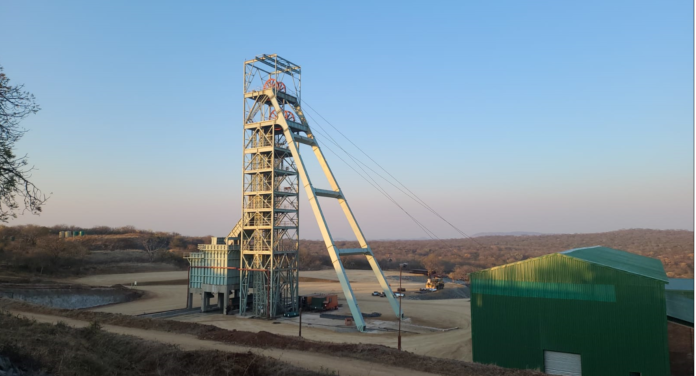

Caledonia Mining Corporation has warned that soaring gold prices are drawing school-age children into Zimbabwe’s informal mining sector, as the lure of quick earnings pulls young people out of classrooms and into hazardous work, Mining Zimbabwe can report.
By Ryan Chigoche
The Victoria Falls-listed gold producer, which operates Blanket Mine in Gwanda, said in its latest sustainability report that unregulated artisanal and small-scale mining (ASM) poses significant safety, environmental, legal and supply chain risks, adding that elevated gold prices have made informal mining “increasingly attractive, including for youth.”
The warning comes as gold continues its historic rally. The World Gold Council reported that the precious metal reached fresh record highs in 2025, with quarterly average prices exceeding US$4,000 per ounce, strengthening incentives for informal mining in Zimbabwe and other gold-producing countries.
However, behind Zimbabwe’s record gold prices lies a growing social cost. In mining communities, the promise of quick earnings is increasingly pulling children out of classrooms and into dangerous informal mining operations, raising concerns that the country’s gold boom is being accompanied by a silent education crisis.
As a solution, Caledonia said it supports stronger regulation and the formalisation of artisanal mining as a way to reduce the risks associated with informal operations. The company stressed that it does not operate, finance or purchase gold from artisanal miners, adding that illegal mining remains closely linked to unsafe working conditions and the involvement of school-age children.
These concerns reflect a wider global pattern. In its 2025 Global Estimates of Child Labour report, the International Labour Organisation (ILO) and UNICEF estimated that 138 million children were engaged in child labour in 2024, including 54 million in hazardous work. The agencies warned that poverty, weak social protection and limited access to quality education continue to push children into dangerous sectors, with Sub-Saharan Africa remaining the most affected region.
Zimbabwe is no exception. A 2023 ILO report estimated that thousands of Zimbabwean children are engaged in hazardous work in artisanal mining, although comprehensive national data remains limited.
The US Embassy in Harare has similarly reported that economic hardship has contributed to rising child labour in artisanal mining, with girls as young as 12 being exploited through sex trafficking in gold mining communities in Mashonaland East, Mazowe, Bindura and Shurugwi.
Zimbabwean law sets the minimum age for employment at 16 and prohibits anyone under 18 from undertaking hazardous work. However, weak enforcement, limited inspection capacity and persistent poverty continue to push vulnerable families towards informal mining.
With gold prices expected to remain elevated, the challenge for policymakers is becoming increasingly urgent. While formalising the ASM sector may improve oversight and safety, the powerful economic pull of record gold prices continues to undermine school attendance and expose children to hazardous work, highlighting the need for stronger enforcement, stronger social protection and greater investment in education to keep children out of the pits and in the classroom.

