

Home Blog Page 282

ZIMPLATS upgrades the Mhondoro Rural Hospital

0

Zimbabwe Platinum Mines (ZIMPLATS) has given Mhondoro Rural Hospital a much-needed uplift and constructed an operating theatre among other critically needed amenities.

The platinum giant yesterday handed over the newly constructed facilities which were commissioned by President Mnangagwa at an event attended by thousands in Mubaira 100km from Harare.

In his speech and the handover ceremony, ZIMPLATS Chief Executive Officer (CEO) Mr Alex Mhembere said since commencing operations two decades ago the platinum giant has invested over 200 million U. S. Dollars or an average of $10 million per annum in Community Social Responsibility (CSR) Programs.
Mhondoro Rural Hospital
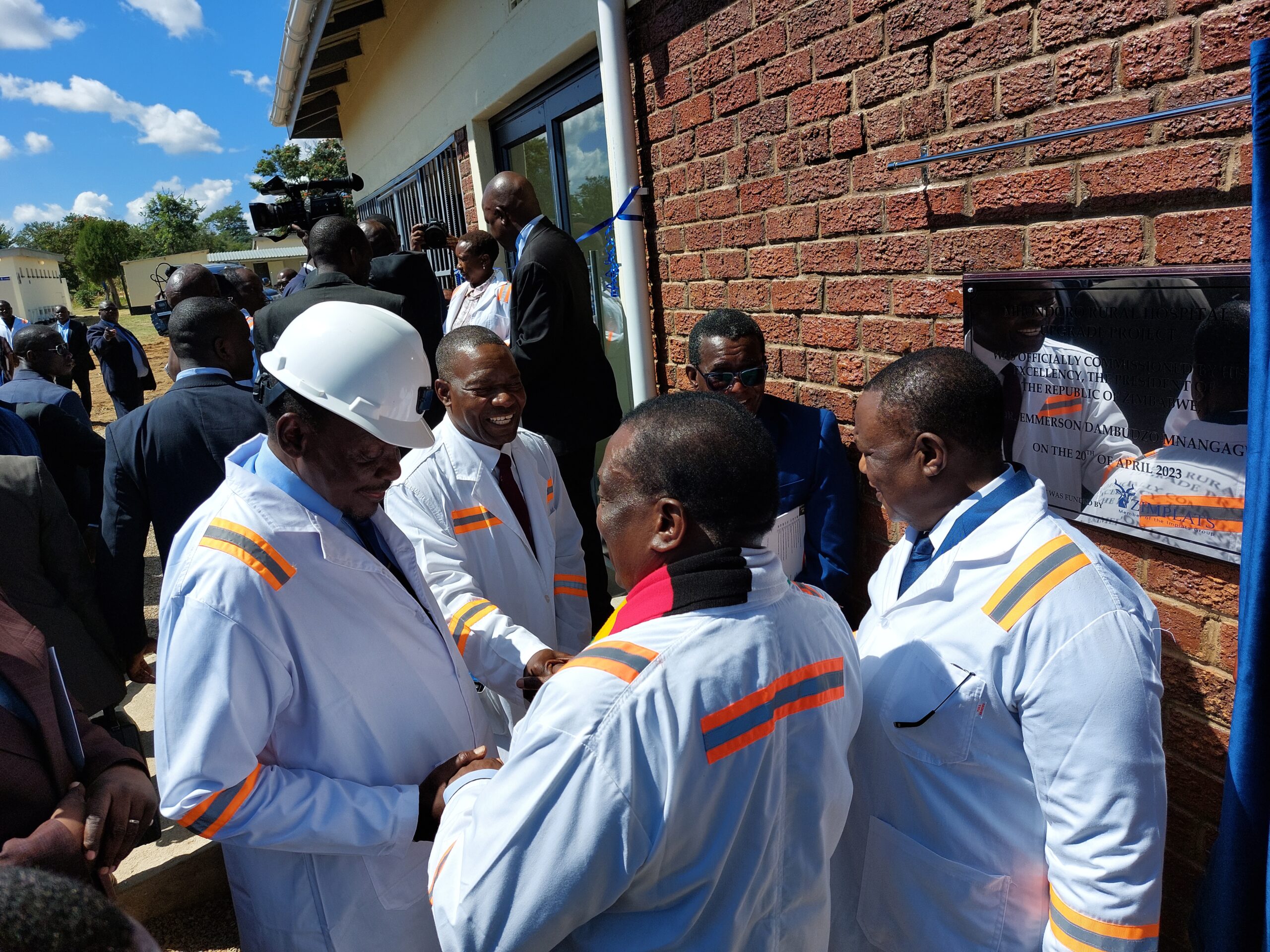
President Mnangagwa declares the New Mhondoro Rural hospital open

“We commenced our operation just two decades ago and in that period we have invested over 200 million U. S. Dollars, or an average of $10 million a year on community social responsibility programs and this resonates very well with our value of creating shared value for all our stakeholders in our program for community investment,” Mhembere said.
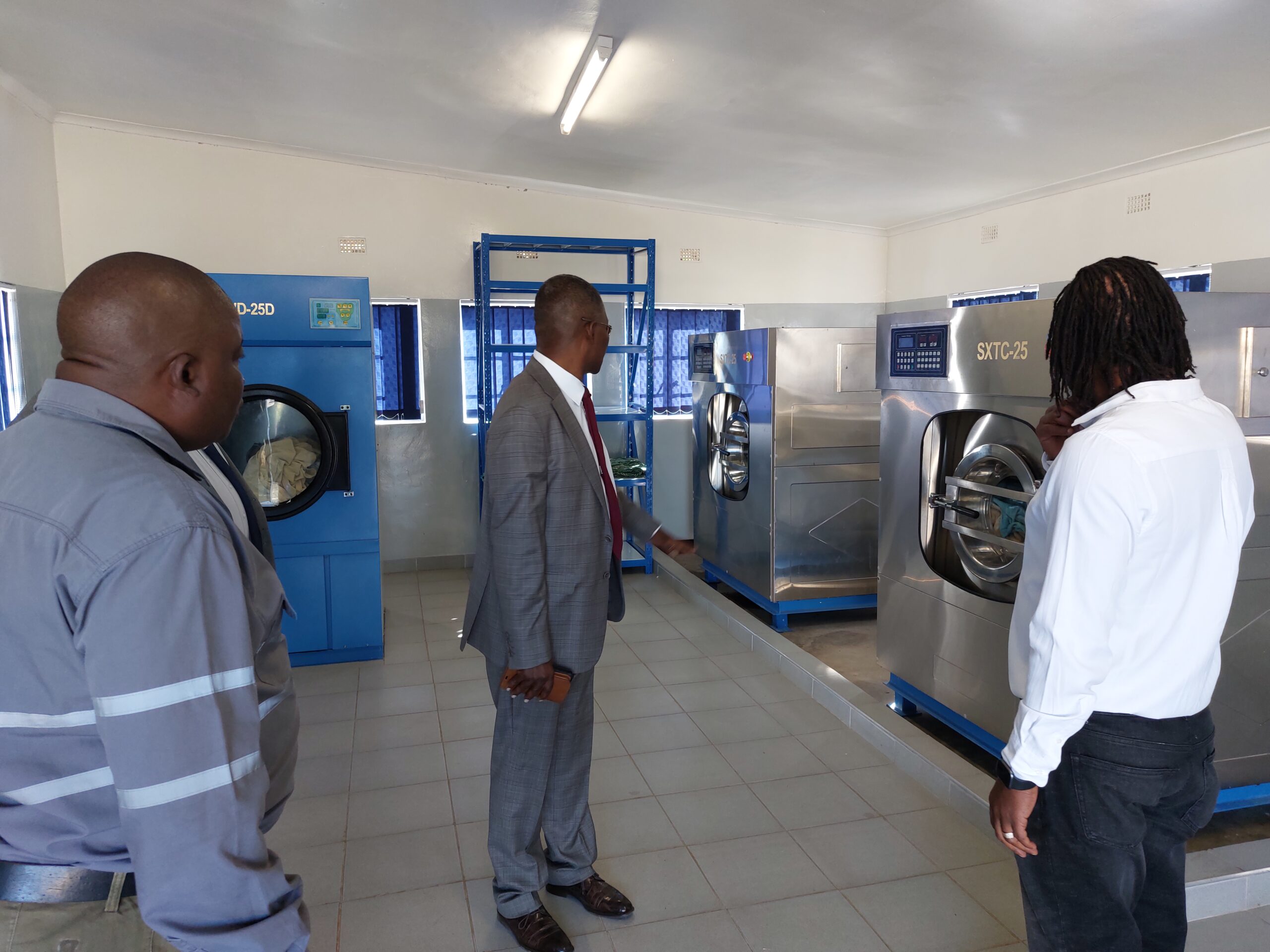
Alex Mhembere Mhondoro Rural Hospital
Zimplats CEO Alex Mhembere inspects the laundry room at Mhondoro Rural Hospital

He said ZIMPLATS is committed to the well-being and development of the communities the company operates from.

“We follow four pillars that guide us in that process, which are health and community well-being, education and skills development, enterprise development and income generation projects and infrastructure development through the minerals that we produce and the way we do business. Our purpose of creating a better future for stakeholders is fulfilled through the investments that we make in the area of Community and Social Responsibilities program.


He said the company spent $1 million to upgrade the 80-year-old hospital which serves 18 satellite districts.

“The project was funded to the tune of $1 million and resulted in a number of affluence of this hospital to make it an all-encompassing job institution. Established in the 1940s, the hospital currently serves about 18 satellite districts  under its umbrella.

He said the company’s involvement started in 2020 after the request by Mhondoro Ngezi Member of Parliament Freddy Kapuya to revamp the ageing infrastructure.

“Our involvement with the Mhondoro Rural District Hospital was started in 2020 through the efforts of Honourable for this area, Comrade Kapuya, who requested us to revamp the infrastructure”

“We responded to his request by making the following interventions constructing a laundry facility complete with washing machines and a dryer, construction of modern outpatient absolution facilities and a new staff kitchen of the canteen. Construction of and equipping of a new mortuary, sinking of a new borehole and reticulation to supply water to the hospital, refurbishment of the hospital’s main building and maternity home and the renovation of the administration office,” Mhembere said.

ZIMPLATS then returned to the hospital for phase two of the hospital refurbishment which saw the miner constructing a theatre and staff accommodation.
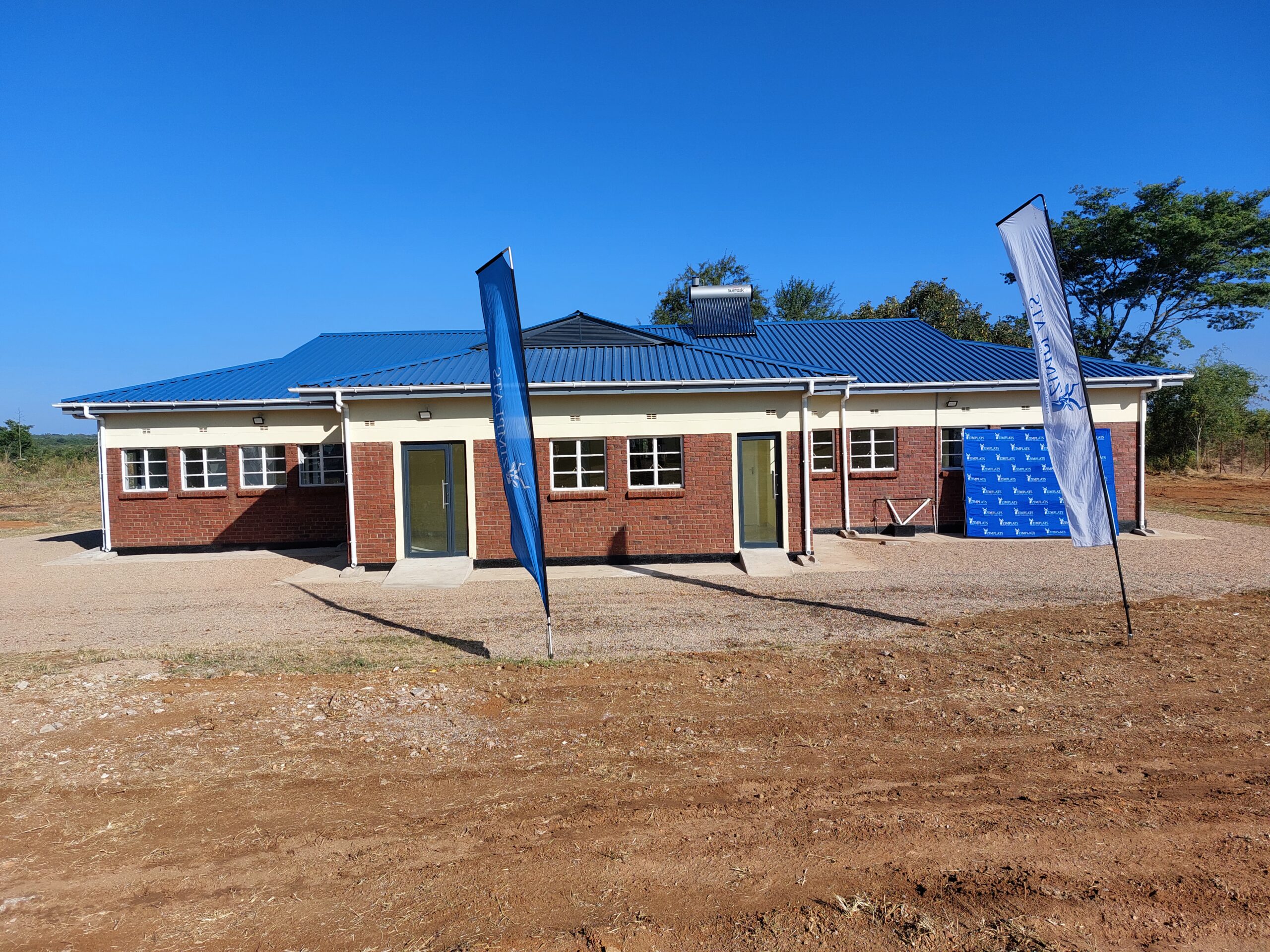
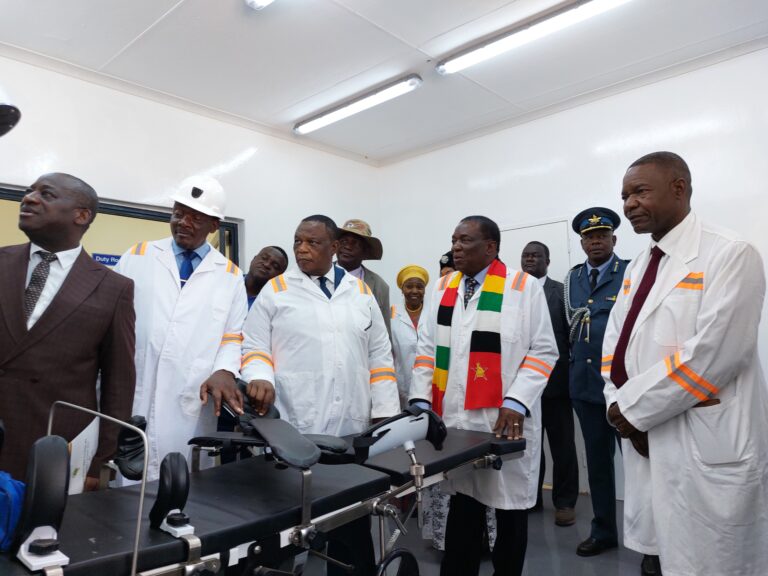
Mhondoro Rural Hospital new theatre by ZIMPLATS

“We thought we had gone past the stage of dealing with Mhondoro Rural District Hospital but alas that was not the end. We came back again and requested that for phase two we focus on the construction of a theatre and construction of accommodation for a doctor and theatre system” Mhembere said

The construction and upgrades were done by Green Life, Greenville Toastone Trading and Dostaro which are all locally-based SMEs.

Speaking at the occasion President Mnangagwa commended the public-private partnerships in the country’s quest to realise health and the overall well-being of Zimbabweans.

“These projects attest to the importance of public-private partnerships in our quest to realise health and the overall well-being of our people as outlined in our Constitution and the National Development Strategy. Here at the Hospital, ZIMPLATS through its Corporate Social Responsibility programme has constructed and equipped a new theatre, staff accommodation and laundry facility. A borehole has also been drilled as well as the maternity ward refurbished and equipped, among various other works. These interventions are most appreciated and will go a long way towards enhancing access by our communities to quality health services and our country’s targets for achieving Universal Health Coverage,” President Mnangagwa said.

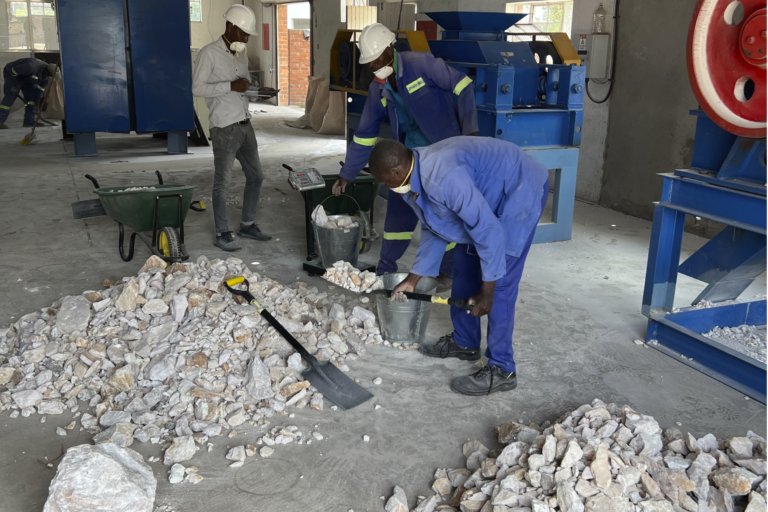
Man killed for stealing a jackhammer

0

The Zimbabwe Republic Police (ZRP) is investigating a case of murder in Bulawayo, where a man named Denage Moyo was allegedly attacked and killed by a mob for allegedly stealing a jackhammer.

According to police reports, 36-year-old Moyo died on April 18th while receiving treatment at United Bulawayo Hospitals after being attacked the previous day at Tilas Mine.

The Police have made some progress in the investigation, having arrested five suspects in connection with the case, including Arnold Nkiwane, Patrick Sibanda, Welshman Ncube, Godfrey Zulu, and Alick Zulu. However, three other suspects, Prince Sibanda, Romeo Ndlovu, and Cobangani Ndlovu, are still on the run. It is unclear at this time what specific charges the arrested suspects will face.

Violence has taken many forms in the small-scale mining sector of Zimbabwe, including physical attacks, sexual violence, and harassment. Many of these assaults are perpetrated by other miners, mining syndicates, or criminal groups.

Cabinet approves a new Lithium Ore Policy

0

Cabinet has approved a new Lithium Ore Policy, which introduces new regulations for the mining and processing of lithium ores.

The policy outlines several key principles, including the requirement for any individual or entity owning a lithium concession to either mine lithium ores for processing at their own approved processing plant, or for sale to those with approved processing plants locally.

“…any individual or entity owing a lithium concession can mine lithium ores for either: (i) processing at its own Approved Processing Plant (APP), or (ii) for sale to those with Approved Processing Plants locally”

This policy seemingly aims to encourage the establishment of local processing plants, which is intended to add value to lithium resources and boost the local economy.

Furthermore, any entity wishing to process lithium ores will be required to construct an approved processing plant locally.

“…any individual and or entity wishing to process lithium ores will be required to construct an Approved Processing Plant locally,” the new policy reads in part.

The movable permits for lithium ores will only be issued where such ores are destined for a local approved processing plant to ensure the optimal utilization of the mineral.

“..ore movement permits for lithium ores will only be issued where such ores are destined for a local Approved Processing Plant, Lithium ores can only be stored at the mining site where such ores were mined, or at a approved for local Approved Processing Plant,” the policy reads.

The Lithium Ore Purchase License will be a requirement for an entity to buy ores from miners, and a local processing plant will be mandatory for getting the license. This move aims to create a structured market and encourages investment in the creation of processing plants.

“Any entity will require a Lithium Ore Purchase Licence to buy ores from miners. A local Approved Processing Plant will be a condition for obtaining getting the Lithium Ore  Purchase Licence,” the policy reads in part.

The policy also outlines that all players in the lithium sector must submit a summary of monthly reconciliations of ore movements to the Ministry of Mines and Mining Development. This requirement is intended to ensure accountability, transparency, and traceability in the lithium supply chain.

At the same time, materials can only qualify as concentrate for export if they meet the minimum technical specifications and set minimum prices by the Minerals Marketing Corporation of Zimbabwe.

“…all players in the lithium sector, whether miners or holders of Approved Processing Plant, shall submit a summary of monthly reconciliations of ore movements to the Ministry of Mines and Mining Development; and for any material to qualify as a concentrate for approval for export, it shall meet the minimum set technical specifications and the minimum selling price as set by the Minerals Marketing Corporation of Zimbabwe on a regular basis,” read the statement.

Lithium is a crucial mineral for the production of rechargeable batteries used in a wide range of electronic devices, including smartphones, laptops, and electric vehicles, making this policy change significant for the industry.

BREAKING: Zimbabwe to conduct a countrywide responsible Mining audit

0

Cabinet has agreed that for a period of two months, May and June 2023, a responsible Mining audit will be conducted countrywide.

This was announced at the 10th post cabinet Press briefing yesterday.

The Ministry of Mines and Mining Development will coordinate the audit which is set to start on the 10th of May, 2023.

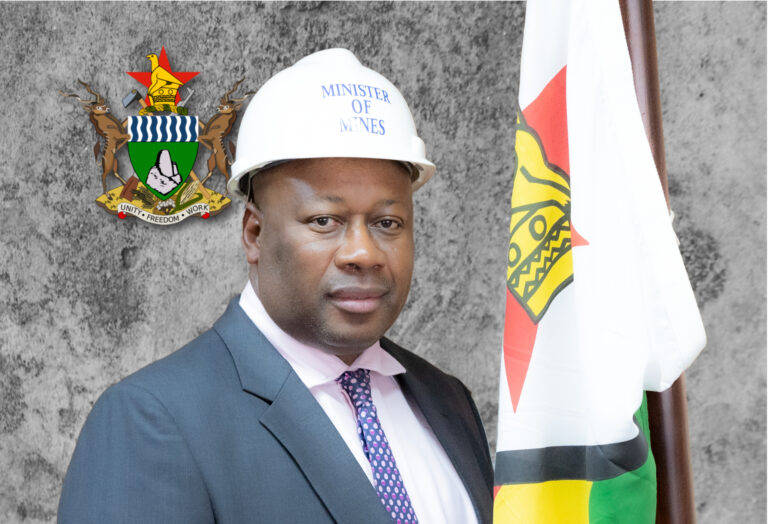
“The objective of the Initiative is to ensure that all mining operations are conducted in accordance with the country’s laws. The audit team will comprise members from the following Ministries, Departments and Agencies: Mines and Mining Development, Lands, Agriculture, Fisheries, Water and Rural Development, Local Government and Public Works, Energy and Power Development, Environment, Climate, Tourism and Hospitality Industry, Departments of Immigration and Labour, the Zimbabwe Revenue Authority, the Environmental Management Agency, and the Zimbabwe Republic Police,” Mines and Mining Development Minister said in a statement.

Zimbabwe’s mining industry is central to the country’s economic growth, accounting for up to 60% of its export revenue. However, the industry has faced criticism in the past for being associated with environmental degradation, social unrest, and human rights abuses.

Small-scale mining has become a significant source of livelihood for many people in Zimbabwe, but it is also notorious for environmental degradation and labour exploitation. In recent years, steps have been taken by the government and various stakeholders to promote responsible mining practices in the small-scale mining sector.

One of the key strategies is the implementation of the Minamata Convention on Mercury, which seeks to reduce the use of mercury in small-scale gold mining. Zimbabwe has already started phasing out mercury use and promoting the use of alternative technologies such as borax and cyanide.

The Zimbabwean government has introduced policies aimed at promoting responsible mining practices. The Ministry of Mines and Mining Development, for example, has mandated that all mining operations must have an approved environmental management plan before they commence extraction. This plan should include mitigation measures to prevent or reduce environmental damage, as well as provisions for post-mining site rehabilitation.

The government has also put in place regulations governing the use of water in mining, requiring companies to adhere to strict guidelines on the usage, disposal, and treatment of wastewater. The goal is to reduce pollution of water sources, which can have far-reaching consequences on both human health and the environment.

Govt: Mine & process or sell your lithium to plant owners

0

Zimbabwe government has announced that any individual or entity that owns a lithium concession can now Mine lithium ores for processing at its own approved processing plant or sell to those with approved processing plants.

Updating the nation on his Twitter account after the post-cabinet briefing, Secretary of Information, Publicity and Broadcasting Services Nick Mangwana announced the development.

“Any individual or entity which owns a lithium concession can mine lithium ores for either; 1- processing at its own Approved Processing Plant, 2- for sale to those with Approved Processing Plant locally,” Mangwana said in a statement.

He also said parties interested in processing Lithium ores are now required to construct approved processing plants locally.

“Any individual or entity wishing to process lithium ores will be required to construct an Approved Processing Plant locally,” he continued.

He also said Lithium ore should be stored at the site where its mined at or at an approved processing plant.

“Lithium Ore must be stored at a mining site where such ores were mined, or at a locally Approved Processing Plant,” he continued.

The Ministry of Mines and Mining Development and the Minerals Marketing Corporation of Zimbabwe list Areas of verified Lithium deposits in Zimbabwe are Goromonzi, Mudzi, Buhera, Bikita, Chegutu, Hwange, Harare, Insiza, Rushinga, Mutoko, Mutare and Hwange. However, Lithium continues to be discovered in various areas across the country. So far the mineral has been discovered in areas such as Mberengwa, Bindura, and Kadoma.

Zimbabwe gold prices 19 April 2023

Fidelity Gold Refinery (FGR) official gold buying prices Wednesday 19 April 2023. See the Zimbabwe gold buying prices for today.

SG 90% AND ABOVE US$61.06/g
SG ABOVE 85% BUT BELOW 90% US$60.10/g
SG ABOVE 80% BUT BELOW 85% US$59.46/g
SG ABOVE 75% BUT BELOW 80% US$58.81/g
SAMPLE BELOW 10g BUT ABOVE 5g US$57.85/g
FIRE ASSAY CASH US$61.06/g

NB: Fire Assay cash price is for gold above 100gs and no sample is deducted.
For the Fire Assay Transfer price, a sample of not more than 10g is deducted
A 2% royalty is charged on all deposits (small-scale miners)
A 5% royalty is charged to Primary Producers

Cash available. Fidelity Gold Refinery prices will be changing daily in relation to world market prices.

A closer look at mining investment opportunities available in Zimbabwe

0

In order to achieve increased and sustained growth in the mining sector, the government of Zimbabwe is targeting to develop the Gold ore to bullion processing, Diamond cutting and polishing, Base metals (nickel, copper, iron, cobalt) recovery from PGMs, Coal to Coke, Phosphate to fertiliser, and Chrome to ferrochrome.

Mining Zimbabwe takes a closer look into these Mining Investment opportunities currently available for interested investors.

Gold Ore to Bullion Processing

Gold ore to bullion processing is one business opportunity that has been around for a while, and it continues to offer huge potential for entrepreneurs. The fact that gold is a precious metal that is highly valuable makes the entire process of extracting it from the ore, processing it, and turning it into bullion a lucrative business venture.

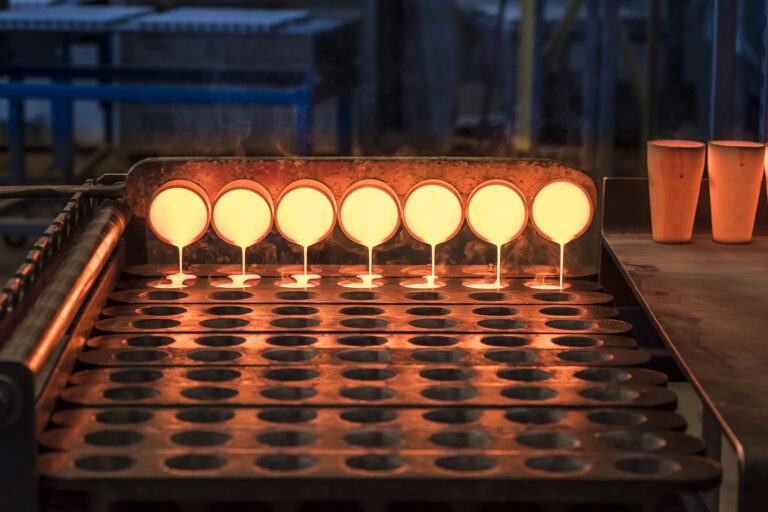
Investing in this business requires substantial capital, but the returns can be significant. Finding lucrative deposits is easy as the mineral is available in every province including Harare. Gold ore processing is essentially a mining business that involves digging deep into the ground to extract the precious metal in its raw form. The ore is then processed through several stages of refining, which can range from cyanide leaching to smelting.

The demand for gold is always high, and as such, having a gold mine that can produce consistent supplies of high-quality bullion can be a valuable business proposition.

Diamond Cutting and Polishing

Diamond cutting and polishing is another business opportunity that has been around for decades, but with advancements in diamond-cutting technology, the business has become more lucrative. The process of cutting and polishing diamonds involves intricate precision work and specialized equipment, which requires skilled labourers.

One of the significant advantages of this business is that diamond cutting and polishing can be done with relatively little capital investment. With the right combination of skilled labour and equipment, entrepreneurs can access a highly profitable industry.

Polishing can be extended to semi-precious stones which are available in abundance in the country.

Base Metals (Nickel, Copper, Iron, Cobalt) Recovery from PGMs

Base metals like nickel, copper, iron, and cobalt are highly valuable resources and have a variety of crucial applications in different industries. However, these metals are often found within platinum-group metals (PGMs), which makes extracting them a highly challenging task.

Investing in base metal recovery from PGMs requires specialized knowledge and equipment, but the potential returns are significant. The process involves extracting the base metals from the PGMs using specialized chemical processes before refining the metals into usable forms.

Coal to Coke

Coal-to-coke processing is a business opportunity that involves taking raw coal and turning it into coke. Coke is highly valuable as it is a critical component in the production of iron and steel. The demand for Coke is always high, and as such, investing in this business can be highly profitable.

The process of coal-to-coke conversion involves heating the coal at high temperatures to around 1000 degrees Celsius, which removes any impurities from the coal, leading to the production of coke. The process is highly energy-intensive, but when done in bulk, returns can be significant.

Zimbabwe has significant Coal deposits in Gokwe, Chiredzi, Beitbridge, Mwenezi, Hwange, Lupane, Binga, Kariba, Hurungwe, Bikita.

Phosphate to Fertilizer

Phosphate to fertilizer processing is a business opportunity that involves converting raw phosphate into useful crop fertilisers. As the world’s population continues to grow, the need for sustainable and effective agricultural solutions also rises, making investing in phosphate to fertilizer processing a highly valuable proposition.

The process of converting phosphate to fertilizer involves using specialized machinery and equipment to add nitrogen, potassium, and other essential nutrients to the phosphate before creating a usable fertilizer. The business requires significant capital investment, but with high demand, the returns can also be high.

Chrome to Ferrochrome

Finally, chrome-to-ferrochrome processing is a business opportunity that involves extracting high-quality chromium ore and converting it into ferrochrome – a highly valuable alloy used in the production of stainless steel. The demand for ferrochrome is high, and as such, investing in this industry is highly lucrative.

The process involves ore extraction, smelting, and refining into high-quality ferrochrome using specialized machinery and equipment. With high demand and significant returns, entrepreneurs willing to invest in the industry can reap significant profits.

Conclusion

Investing in any of the above business opportunities in Zimbabwe requires a significant amount of capital investment, specialized knowledge, and access to the right equipment and machinery. However, with the right resources and expertise, investors can access highly profitable industries that offer significant returns on investment. From gold ore to bullion processing, diamond cutting and polishing, base metals recovery, coal to coke, phosphate to fertilizer, and chrome to ferrochrome, these industries offer huge potential for investors with the right skills and resources.

Interview: Eng Amanda Tigere – Mine Captain Projects at Trojan Nickel Mine

0

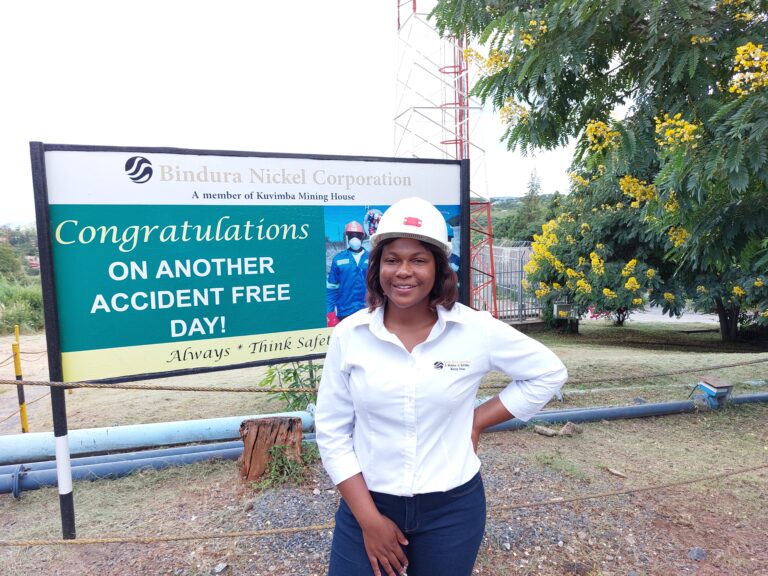
Amanda Tigere is an ambitious and articulate Engineer with a proven track record in delivering initiatives in development and production mining. Eng Tigere is conversant with and trained as an internal auditor for ISO 14001:2015 and ISO 45001:2018 Integrated Management Systems.

Mining Zimbabwe sat for an interview with the energetic Engineer and this is how the interview went.

Kindly describe your role at BNC

I am currently working as a Mine Captain Projects, Contracts and Best Practices at Bindura Nickel Corporation which is a subsidiary of Kuvimba Mining House (KMH).

My role involves managing all capital and operational projects that are happening underground as well as bringing fresh ideas to always improve our way of doing things underground. Because part of my work is done with contractors, the number of men I’m leading is always fluctuating but it’s nothing less than 100 men at any given time. This is a very upbeat and exciting role, calling for a consolidation of the skills I have acquired in my previous roles i.e. mine planning and the operations side.

What inspired you to do Mining Engineering?

Mining chose me, rather than me choosing it, getting into mining I didn’t even know what mining was, I thought of Geology as being mining. This is a story for another day. However, I will say, what inspired me to keep on pursuing mining was the combination of science and arts that you find in Mining Engineering. There is a thrill which comes with knowing that I can come up with a design and 2 months down the line I will be walking and living in that design, the wide span of knowledge and portfolios a Mining Engineer is exposed to is just amazing and it’s a beautiful discovery of just how much strength and capability your brain has in amassing knowledge. In summary, Mining is an unending challenge to me and that in itself inspires me to keep going and employing myself on these various challenges.

Women constitute 52% of the total population what’s stopping them from taking on Mining engineering?

Lack of exposure and stereotyping. Take for example when we were growing up, the number of careers I knew could be counted using my fingers. There was no exposure to what else you can do besides being a doctor, nurse, teacher or police officer just to mention a few of the popular ones. For those who were fortunate enough to be exposed to the mining environment, it was always stereotyped as being a man’s world and it was rightfully so. The journey that the mining industry has gone through to be more inclusive of women is a long one and certainly a topic for another day. It is only in recent times, that a lot of myths about females in the mine are starting to be demystified and there is no better time than now for the girl child to explore her mental and physical capabilities by joining the STEM field, the mining field.

Describe your first experience underground.

Intriguing, dark and handsome. Funny Enough my first underground experience was here at Trojan Nickel Mine, I was still at University, and it was our first field trip. It was winter time, so I had layers of clothes on myself. When we got to Trojan they told us we had to walk just below a Km in the Adit before we could get to the Shaft which would then take us underground. The Adit happened to be the main air intake and resultantly it was very cold due to the high amount of air which was being pulled through it. When the training Officer told us to go light on clothing because as we get deeper the temperatures will begin to rise. Amanda decided to just disregard all of that and I kept a sweater beneath my work suit. To cut a long story short, I learnt the importance of experience and the value there is in listening to those who have gone before you.

Apart from my little rebellion which I heavily regretted, the experience was amazing more like out of this world. I couldn’t believe my eyes that there was a whole world, a whole life happening underground. Offices, Computers, Huge equipment being moved up and down serving different functions but all in a sort of coordinated manner, which I couldn’t understand. When I got into a little corner, I switched off my cap-lamp light and from that day onwards I also learnt that Dark Black is a colour.

How has your presence benefited the mine you are working for?

I have been with BNC since 2017, and over the years I have had the opportunity to work on various initiatives, taking the leading role in some and working as part of the team in some. My valuable experience which comprises the planning element (Mine Planner, July 2021 – January 2023) as well as the execution element (Shift Foreman, April 2019 – June 2021) is exactly what BNC needs even as we are embarking on various capacity and efficient building projects underground as we drive towards the high-volumes, low-grade strategy.

Your word to those who say Mining Engineering is a man’s job?

To quote the inspirational Trevor Ncube, I would say, ‘the future is young, the future is STEM and the future is FEMALE’. Come join us in the 21st Century, where your skills, tech-savvy and adaptability can take you to places where gender stereotyping has no room.

In your view is a woman only mine possible?

An only woman mine is possible, but that will also be gender discrimination *laughs*. On a more serious note, yes I do believe that an only-woman mine is possible via automation. With automation in mining operations, it becomes more about the right skills, tech-savvy and adaptability and more females are starting to move towards these 3 elements.

What is your leadership style and how do you make sure that your presence is felt?

I have seen myself move from one leadership style to another depending on the task at hand. However, in my current role as the Mine Captain Projects, Contracts and Best Practices, and the kind of Projects I am leading. I see myself leaning more toward the transformational leadership style. I need my team to understand the drive that the company is moving towards and I also need that team to be free enough to share their great ideas which will take us there and I need them to run with this vision as though their life depended on it (because to some extent it does *laughs*)

Where do you see yourself in the next 5 to 10 years?

  • Heading the mining division of a recognized mining House.
  • Board member for a couple of companies even for non-mining companies.
  • Renowned Animal Husbandry Farmer

Does your organization recognize your role and how’s it supported as a woman in a leadership position? What can you tell others out there about BNC?

Having joined BNC in 2017, I have had the opportunity to see and be part of the company’s growth in terms of female inclusivity. When I joined the company, in mining, there were only two females and most females were found in administration but as we speak the number of females working underground and in other technical fields has spiralled. Through myself and other female leaders within the Organisation, BNC has shown its commitment to just honouring the skills carried by a person regardless of gender. The organization is taking strides first and foremost to just ensure female-friendly facilities are available at the mine. We are carrying out various outreach activities, just to catch the girl child young and make them believe in themselves that if they can dream it, then they can achieve it. Trust me there is no better time for the girl child to just unapologetically rise and BE.

You are a young woman holding a demanding role in an environment that is said to be difficult, how do you balance social life and work?

Very good question and I will try to be as honest as possible. It is not easy bringing that balance and if Im to be honest it’s something I have struggled with for a long time. In more instances, work has just swamped my life away but I do think I’m getting better at managing that. The key is in time management and systems development.  Failure to establish a working system means you are supposed to always be there, physically present for any task to be completed. Manage your time well, if it’s work time, let’s work and get the task completed so that there is enough time for the socials. The two (work and social life) both need each other to be enjoyable. But when the going gets tough a good work team and supportive family and friends make the job easier and I’m blessed to be surrounded by such.

Implats acquires more shares in RBPlat

0

Royal Bafokeng Platinum (RBPlat) has sold an additional 690,736 shares to Impala Platinum (Implats) in a recent agreement. This acquisition amounts to approximately 0.24% of the total RBPlat shares currently available on the market.

Implats had previously announced its intention in November 2021 to purchase all shares of RBPlat at R150 per share, of which R60 would be in offer consideration shares and R90 in cash. This offer represented a premium of 23% on RBPlat’s closing share price of R121.92, and an 80% premium to RBPlat’s 30-day volume-weighted average price of R83.51.

The recent share purchase and trades will lead to Implats’ holding 44.72% of the RBPlat shares available in the market.

Gold Economy: 10 Advantages of Using Gold Coins in Zimbabwe

0

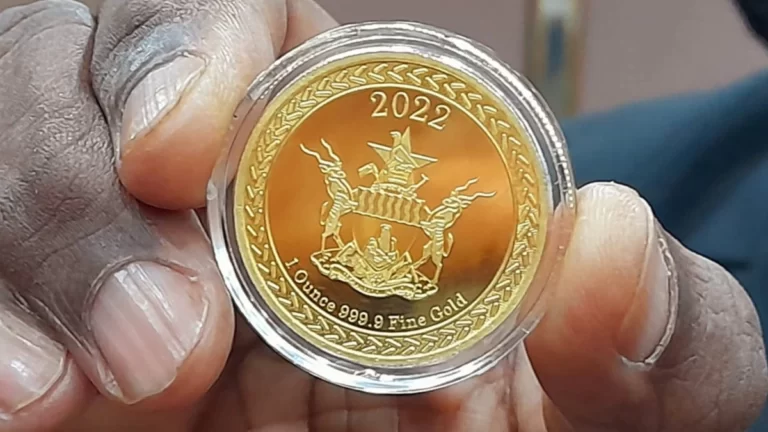
The Reserve Bank of Zimbabwe (RBZ) in 2022 introduced Mosi-Oa-Tunya gold coins to alleviate the demand for the US dollar, stabilize the exchange rate of the Zimbabwean dollar, and control the rising inflation.

The substantial increase in inflation led individuals to exchange their Zimbabwean dollars for US dollars to prevent their savings from diminishing in value. Despite the success of the gold coins, there was an outcry that the coins were of astronomical value and therefore out of reach for the common man on the street.

The government announced that smaller denominations would be dispatched to banks across the country specifically naming a coin which contained 3.11 grams of gold, which was pegged to cost US$188.48.

Gold has been a valuable asset for centuries, and the use of gold coins as a medium of exchange has been a practice for even longer.

A country that uses gold coins has several advantages that make it a worthwhile investment.

As Zimbabwe is once again faced with the daunting depreciation of the local currency which is now at ZWL 180 000 for a hundred dollar bill on the parallel market (where the money is easily available), the nation still awaits the introduction of smaller denominations of the gold coins promised in 2022. The introduction of the coins will potentially once and for all reduce the stress of running around to change the ever-depreciating ZWL currency for a stable us$ which is the country’s most preferred currency of exchange.

We take a look at the ten advantages of Zimbabwe using gold coins for day-to-day transactions.

  1. Stable and Precious Investment

Gold has always been seen as a precious metal and a store of value. When a country adopts the use of gold coins, investors have more confidence in their money because gold is perceived as a stable investment that is unlikely to lose its value over time.

  1. Solid Asset Protection

Gold is an excellent way to protect assets because it has a unique ability to hedge against inflation and protect wealth against economic instability. Gold coins are not only durable but also resistant to damage from elements like fire or water, which makes them valuable in case of any unexpected incidents.

  1. Reduced Risk of Currency Manipulation

Gold coins do not rely on the value of paper currency, meaning a country using gold coins is less affected by currency fluctuations and global economic developments such as interest rate hikes, inflation, and currency manipulation.

  1. Low Correlation to Other Assets

Gold coins have a lower correlation to bonds, stocks, and other assets, meaning they react differently to market fluctuations, making them a great portfolio diversification option.

  1. Trade Facilitation

Gold is valuable globally, countries with gold coins can use this asset to facilitate trade with other countries. Gold coins can be easily exchanged with other countries and can be used as payment for goods and services.

  1. Limited Supply

Gold is not infinite, and this scarcity makes it more valuable. The limited supply of gold makes it suitable as a store of value and makes it less prone to inflation.

  1. Asset Confidence

When a country holds gold, it demonstrates confidence in its financial stability and strength. Gold coins reassure investors that a country is committed to its financial well-being, which increases its confidence in the national economy.

  1. Financial Stability

The use of gold coins helps a country maintain financial stability as it reduces inflation, and currency manipulation, lowers borrowing costs and ensures a strong currency value.

  1. Preservation of Wealth

Gold coins have proved to be an effective tool in preserving wealth over time. They enable the preservation of wealth for future generations, as their value increases over time.

  1. Cultural and Historical Significance

Finally, gold coins have significant cultural and historical value for many countries. The use of gold coins is a link to traditional values and serves as a reminder of national identity and heritage.

In conclusion, the adoption of gold coins in a country’s economic policies has many advantages. Gold coins facilitate trade, improve financial stability, and offer a stable and precious investment option. Gold coins also offer a low correlation to other assets and protect against currency fluctuations and manipulation. The limited supply of gold ensures value preservation over time, while its significant cultural and historical value provides a connection to national identity and heritage. For these reasons, the use of gold coins as a medium of exchange is a smart choice for any country seeking economic prosperity and stability.