Home Blog Page 413

Zim oil firms want unleaded fuel back

0

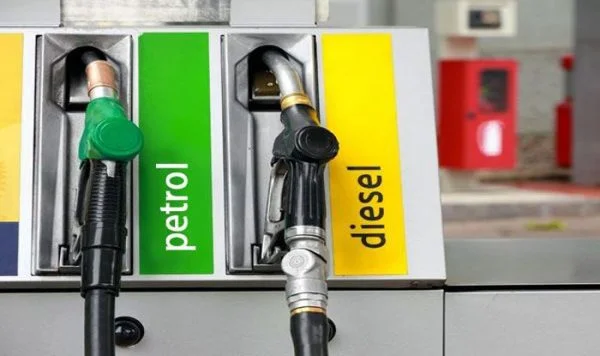
Zimbabwe’s oil companies say the locally produced ethanol constitute the biggest chunk on the price of fuel as they push for the return of unleaded petrol.

The price of ethanol, which is exclusively supplied by business tycoon Billy Rautenbach’s Green Fuel based in Chisumbanje and enjoying a monopoly, is currently pegged at US$1.10 a litre.

Fuel companies this week said this is a huge cost on the price of petrol.

Official data obtained from the energy sector regulator, the Zimbabwe Energy Regulatory Authority (ZERA), shows that the landing cost for petrol is US$0.48 per litre, which includes US$0.37 for free on board cost, financing cost of US$0.02 and pipeline cost of US$0.07.

Levies and taxes, which include duty, ZINARA levy and debt redemption, amount to US$0.48. Administration costs including storage fees and clearance agency fees are pegged at US$0.02. Distribution costs are at US$0.05.

Business Times can report that the fuel companies want to revert to unblended petrol, which is cheaper.

They have since registered their displeasure with ZERA.

Several fuel companies, who spoke to Business Times this week, said they were not happy with the huge cost of ethanol.

They say the continued use of ethanol has made Zimbabwe’s fuel expensive.

Currently, petrol is at US$1.38 per litre while diesel is selling at US$1.34 a litre.

The prices are the highest in the region.

“The Green Fuel influence is one of the biggest challenges that has ever happened in the country’s fuel sector. The ethanol prices that are currently obtaining in the market were pegged to satisfy the interests of a small component of people,” an industry player told Business Times.

“How can someone justify the price of ethanol at US$1.10 when you can import the same product from Brazil at around US$0.80. We demand that we revert to unleaded petrol.”

Green Fuel legal advisor Derek Elliot told Business Times that the ethanol producer had nothing to do with the setting of the ethanol selling price which falls under the purview of ZERA.

“The ethanol price is set by ZERA. This matter has been addressed by ZERA and the Ministry. They are welcome to take it up with ZERA, which is the appropriate platform,” Elliot said.

ZERA chief executive officer, Eddington Mazambani said: “Ethanol has been at US$1.10 since 2016 there has not been any movement on the price.”

Zimbabwe introduced mandatory petrol blending in 2011. The introduction of mandatory blending came against the backdrop of a fuel crisis and the need to preserve foreign currency associated with fuel importation.

Under this arrangement, petroleum companies are compelled by law to blend petrol with ethanol before it is sold on the open market. The mandatory blending started at 5% and it was increased to the current 20%. However, the ratio can go down when there are low supplies of ethanol.


Business Times

Power cuts switch off industry

0

A number of companies have suspended shifts owing to rolling power cuts amid fears the use of expensive diesel generators will increase the cost of production by about 20% delivering the final blow to the already troubled industry.

Daily power cuts lasting as long as 12 hours have become the order of the day after ZESA lurched into a crisis due to low generation capacity at its hydro-powered station in Kariba and the country’s largest coal-fired plant, the Hwange Power Station.

Inefficiencies at the country’s smaller thermal power stations in Bulawayo, Munyati, and Harare have also worsened the situation.

The power utility is also battling to service debt owed to two regional power utilities, Eskom of South Africa and Hydro Cahora Bassa that hitherto supplied electricity to Zimbabwe to cover its huge deficit.

The impact of unstable electricity supply in Zimbabwe, which is one of the country’s critical challenges at the moment comes at a time when the government is on a drive to lure investment into the country amid fears the power cuts will adversely affect investor confidence.

The Confederation of Zimbabwe Industry (CZI) yesterday said power cuts will be detrimental to the industry.

Manufacturing processes rely on electric machines that require power to perform precise and repetitive tasks to increase production.

Now, the chronic shortages of electricity are starting to damage the economy.

The costs vary from direct economic costs, indirect costs and social costs. Indirect and social costs are equally important components when considering the impact of power interruptions.

Some companies have since suspended some shifts this week owing to power cuts.

“After a long period of stability, this is disrupting the performance of the industry, as power is a critical enabler.

“Power supply shortages due to load shedding will be detrimental to the industry as the gains that have been made so far in capacity utilisation will be eroded.

According to the CZI second-quarter business and intelligence report, capacity utilisation increased to 54% in the second quarter 2021 from 47% in the first quarter of 2021. It is projected to increase to 58% in the third quarter.

However, with the current load shedding, capacity utilisation will likely decline.

“Load shedding results in loss of production time, the marginal productivity of workers will decline, increased cost to businesses looking for alternative power supply and damage to industrial equipment,” CZI said.

Availability of power is one of the key cornerstones of increased production and capacity utilisation for industry, if the government entertains chances of successfully attaining vision 2030, according to experts.

Business Times can report that businesses have lost millions of dollars in potential revenue, threatening the viability of companies.

The Zimbabwe National Chamber of Commerce CEO Chris Mugaga said companies should expect to see production costs going up by between 15%-20% as they resort to costly diesel generators.

“If the load-shedding last September, cumulatively, production costs will go up to 25%. If it goes beyond, we expect the cost of energy to go up by a massive 150%,” Mugaga told Business Times.

He added: “It’s unfortunate, companies have to reposition themselves. In fact, it’s an extension of Covid-19 lockdown. On paper, we are on level 2, but technically, we are on level 5, considering operations are going to be impacted.”

The increase in the cost of production comes as local companies have failed to compete throwing into disarray government plans for an export-led growth.

An economics lecturer at the Midlands State University, Canicio Dzingirai, told Business Times that Zimbabweans should brace for sharp increases in prices of goods as companies turn to costly diesel generators.

“Electricity has been the cheapest source of energy. It’s one of the four pillars of the productive sector alongside ICT, water, and sanitation. The productive sector relies heavily on electricity. It was going to be the stimulator as firms try to recover from the effects of the Covid-19 pandemic,” Dzingirai said.

This means as power outages push costs of production up, the prices of goods and commodities will also go up.”

Domestic consumers have also been hit hard by power outages.

The Consumer Council of Zimbabwe regional manager for Masvingo Province, Ndumiso Mgutshini, said the situation was dire.

He said consumers were now being forced to use other alternative sources of energy yet they would have paid for electricity under the pre-paid method.

“Consumers are now being forced to use other alternative methods of energy such as firewood which exposes them to arrests from law enforcement agencies. The price of gas was recently increased putting the budgets of consumers out of reach,” Mgutshini said.

He said his office was inundated with complaints from consumers after their electrical gadgets were damaged during the load shedding programme.

“We are calling for ZESA to put in place a clear timetable for the load shedding programme and find a long-lasting solution to the problem,” Mgutshini said.


Business Times

Valuation of a gold mine

0

In my previous articles I have written about valuation of businesses using the following methods:

Discounted Cashflow Method (DCM), also called the Net Present Value (NPV) method.

Price Earnings (PE) ratio method which uses the PE ratio of comparable businesses. Market approach which involves arriving at a valuation based on recent similar transactions.

Net Assets Method, also called the Balance Sheet (or Statement of Financial Position) method.

Valuation of a gold mine

The valuation of a gold mine is known by other names such as gold mineral asset valuation and different models or methods are used. For example in South Africa an internationally recognised framework called the SAMVAL Code is used. This code uses a combination of two approaches. The first is the value in use method which basically involves determination of the NPV of the future net cashflows of the business over the useful life of the mineral asset.

The second method, usually for purposes of comparison or checks and balances, is the market approach. This is based on the principle of willing buyer willing seller and requires that consideration obtainable from the sale of the asset be determined as if in an arm’s
length transaction.
Using future cashflows to value a gold mine

This method is very popular with business valuers and in capital investment appraisals by management. It bases the valuation of a business on the current or present value of expected future net cashflows.

It is based on future cashflows, not profit. The key components of the valuation include the following:

Projected annual cashflows for the duration of the useful life of the mine, Projected annual operating expenditure for the duration of the useful life of the mine, Projected capital expenditure (to maintain or expand capacity).

Net Cashflows

Net Present Values

Adjustment for Debt to arrive at valuation of a company.

Projected annual cash inflows

The annual cashflow inflows, usually in the form of revenue are projected based on the following factors: Estimated underground gold resource. This is usually done by experts such as Geologists who estimate the underground mineral resource and document by way of geological or technical reports. One normally finds the estimated gold ore and estimates of bullion to be won from the mine, for example as so many grams per tonne.

Projected gold prices over the useful life of the mine. These prices are multiplied by the estimated bullion to be recovered from the mine. Any significant errors in assumptions made will affect the reasonableness of the valuation.

Operating expenditure (Opex)

For each of the operating future years annual operating expenditure (Opex) is estimated and matched against projected cash inflows. Opex includes mining costs, processing costs and administration costs, etc. Depreciation is excluded. It is quite normal to find known
standard opex per ounce or kilogram at a mine based on historical actuals as adjusted for the
future. Significant errors in projections will upset the valuation.

Future capital expenditure

Future capital expenditure (Capex) either to maintain or expand capacity has to be factored in as a deduction. Such future Capex takes the place of depreciation.

Annual net cashflows

Annual net cashflows will be computed as the net of projected Cash inflows (Revenue), Opex and Capex. These have to be computed per annum. It is also normal to include as cash inflows residual or salvage values to be realised from the disposal of capital equipment.

Discount factors

Annual discount factors are then derived from the estimated annual discount rate. Discount rates are normally derived from lending rates by banks. Discounting the Annual Net Cashflows has the effect of presenting those cashflows at present (current or Year Zero)
values. It is common to find “what if” analysis to show the effect of different discount rates.

Net present value

Adding the annual Net Present Value for each year gives the overall Net Present Value (NPV).

This NPV is commonly referred to as the Enterprise Value or EV. In other words this is the value of the mine assuming there is no debt.

Adjusting for debt to arrive at valuation of a mining company

When debt (amounts owed to creditors) is factored in this reduces the EV to funds or value attributable to ordinary shareholders who by their nature have residual interest in the business. This value represents what is normally referred to as the value of a business. This is widely not understood.

Business valuation versus asset valuation

The total value of a company’s assets usually as per its Statement of Financial Position (or Balance Sheet) is widely mistaken for the value of the business.

It is quite common to hear shareholders claiming that they own all the assets of the company when the company is deep in debt. No attempt is made to compute the residual interest of the shareholders after adjusting for the debt.

While I will write a future article on this aspect readers are advised to have an appreciation of how deceased estates for example are valued. It is simply total estate assets less estate creditors and the net or residual becomes available to the beneficiaries of the estate.

Disclaimer

This simplified article is for general information purposes only and does not constitute the writer’s professional advice.

Godknows Hofisi, LLB(UNISA), B Acc(UZ), CA(Z), MBA(EBS,UK) is a legal practitioner / conveyancer with a local law firm, chartered accountant, insolvency practitioner, registered tax accountant, consultant in deal structuring, business management and tax and is an experienced director including as chairperson. He writes in his personal capacity. He can be contacted on +263 772 246 900 or [email protected].

Kadoma mines office should be fully resourced

0

As Zimbabwe currently forges ahead with the 12 billion road map decentralisation plays a critical role in attaining the milestone.

Mashonaland West being undoubtedly the richest province with over 63 minerals only has one Provincial Mining Director based in Chinhoyi, the provincial capital. All Mashonalandwest mining-related paperwork is submitted and processed at the Chinhoyi office.

In the same province is Kadoma popularly known as the city of Gold. It is undoubtedly a hub of gold mining in the country. In the vicinity of Kadoma is one of the country’s biggest gold mine and producer, RioZim owned Cam and Motor mine. The town is also much closer to Zimbabwe’s biggest platinum producer Zimplats. Kadoma is also a stone throw away from mines such as Golden Valley, Venice Mine, Pickstone Peerless, Elvington, Brompton mine, Dalny Mine, Glencain (Tolrose), Giant Mine, Kadoma Magnesite, and is home to thousands if not hundreds of thousands of small-scale miners and big names in the small-scale mining industry.

Kadoma is without a shadow of a doubt a much busier mining town than Chinhoyi currently is or will ever be. Its offices are largely underutilised for a town of such calibre.

As revealed by Mines and Mining Development Minister Hon Winston Chitando Mashwest has one of the highest pending mining title applications with unofficial reports pegging numbers to over 5000 pending applications.

It is much sensible for the Ministry of Mines and Mining Development offices in the City of Kadoma to be fully resourced and allocated its own Mines Director to minimize workload at the Provincial offices in Chinhoyi and minimise time-consuming long-distance travelling for miners and limit unwanted movement in these Covid-19 times.

Zimbabwe Miners Federation (ZMF) Mashonalandwest Chairman Mr Timothy Chizuzu said Kadoma is the centre of more than 80 per cent of mining activities in Mashonaland West Province, therefore, to minimize the overburden at the Chinhoyi offices, the offices in the city should be fully utilised.

“Kadoma is the centre of all mining actives in Mashwest and I think the Kadoma office should be fully resourced so that people will not have to travel for long distances to pay for inspection fees or to collect maps. More than 80% of activities are close to Kadoma,” Chizuzu said.

Decentralisation

Since the Ministry of Mines changed from mining commissioners to provincial directors, all offices are now in the capital of each province. Prospective miners and miners who wish to peg e.g outside Norton have to go to Chinhoyi, pegging in Makaha, Mtoko one has to go to Marondera. It is a problem in almost every province.

A chunk of the $1.4 billion allocated by the treasury towards the operations of the Mines Ministry should therefore be used to establish offices in almost every district in the country.

The Chairperson and Mineral Economist at Institute of Mining Research Mr Lyman Mlambo said decentralization of key mining services was of importance to increase the effectiveness of the Mines Ministry.

Mlambo said the area of communication in the Ministry of Mines was of significance especially in Mashonaland West province since the province has many mining players as such communication of the Ministry’s policies, information, regimes (fiscal, etc) and any changes is key.

“Mashonaland West Province has the greatest number of large-scale and medium-scale gold mines compared to other Provinces. Examples include Cam & Motor, Dalny, Elvington, Golden Kopje, Muriel, Patchway, Brompton, Riffle Blue, Last Shot, and Golden Valley.

“There are also many more mines producing other minerals like chromite, PGMs, limestone, graphite and magnesite. In terms of the total number of formal mines (for all minerals), it is second to Midlands province. The idea of decentralization of key mining services in the case especially of Mashonaland West is important, it will definitely expedite payment of fees and other charges, processing of applications for various permits and delivery of technical support by the Ministry to the industry in the province.

“Kadoma has the greatest density of mining operations among the cities in the province, including the artisanal and Small-Scale Gold mining activities. It makes sense therefore to enhance the capacity of the Ministry’s office in this city.

“Kadoma District office should be fully capacitated in all areas including title administration, inspections (increase inspectors and vehicles to increase visibility in the field), geological services (in terms of staff, maps, field equipment and vehicles), engineering (both mining and processing extension services), and legal (advisory) services.

“Also the department responsible for communication and advocacy should be strengthened.

“Where you have so many operators and players communication of the Ministry’s policies, information, regimes (fiscal, etc) and any changes become key,” Mlambo said.

Cadastral system

According to the Deputy Chairperson of the Geological Society of Zimbabwe Mr Kennedy Mtetwa, the answer to most of the problems arising in the mining industry is the cadastral system.

The cadastral system will help miners in terms of the urgency in the application of prospecting and mining licences as the system will accept and reject applications automatically.

In terms of convenience, miners will be able to access cadastral maps and all the information of registered claims, who registered the claims and when at any given time without any hindrance or bottlenecks as happening now.

It is also going to boost government revenue because it will be easy for the government to track the miners.

“In fact, the answer to this problem is for government to install the cadastre licensing system and everything becomes digital. Miners pay their inspection fees electronically.

“Most SADC countries DRC Mozambique Botswana Namibia Zambia are using the cadastre mining system,” Mtetwa said.

What is the government doing?

According to the Deputy Minister of Mines and Mining Development Hon Polite Kambamura in an endeavour to see the mining sector achieving the President’s vision for the country to become an upper-middle-income economy by 2030 through contributing to the mining roadmap where the sector is expected to fetch an annual revenue of US$12 Billion by 2023, the ministry was working on establishing sub-offices in Kadoma, Gokwe, Hwange and Zvishavane.

“We are working towards that sub-offices will be capacitated and new ones established. Targetted areas are Kadoma, Gokwe, Hwange, Zvishavane.”


This article first appeared in the Mining Zimbabwe Magazine August 2021 issue

Fundamentals of mine planning

0

The very irregular geometry of most mineral deposits complicates mine design and operation. The higher the degree of irregularity, the more difficult it is to extract the entire resource cleanly with no dilution. Mining Recovery is the percentage of the full resource which is actually mined and processed.

Mine design has three primary objectives:

  • Safety
  • Economics
  • Mineral Resource Utilisation

The design process is based on a risk assessment in respect of each of the above parameters. All human activity contains inherent safety risks and a decision not to mine is the only way to totally avoid safety risk but brings no economic benefit to the stakeholders. However, safety must be paramount in the design of any mine, even though it may preclude the lowest cost options that may be available. Furthermore, poor safety performance always impacts negatively on operating economics.

Artisanal and small-scale mining activities, which are often conducted illegally with regard to mineral rights and licensing, are prone to abysmally low health and safety standards. It is technically feasible to conduct them safely and this will improve economics. No human life is expendable and, quite simply, mining should never be carried out at all where it cannot be done safely.

Mineral resource utilisation refers to the optimum use of the available resource. It is seldom feasible to achieve a mining recovery of 100% or to totally avoid dilution of ore with waste or low-grade material. There is an often trade-off between this aspect and the economics of mining. It may be difficult for governments to accept that some potentially valuable material has to remain unexploited; equally, governments need to guard against operators maximising profits by leaving behind otherwise valuable resources, as discussed in the notes on Mineral Compliance. This objective is further complicated by the cycles of variation in commodity prices.

A simple example of mining recovery is the need, with some U/G mining methods, to leave pillars of ore to support the excavation. In some U/G coal mines, only 55% of the seam may actually be mined. Whilst the activities of artisanal and small-scale miners (ASM) can provide useful information on a mineral resource, they can also render it difficult for large-scale operators to later exploit them safely and economically. The ASM sector typically mines without any formal planning, alternating between surface and U/G mining methods as they follow an orebody, and often extracting small portions which might be ignored by larger operators.

The overriding factor in the formal, technical design of mines is the physical characteristics of the orebody: shape, size and depth below the surface, followed by structural competence of the orebody and country-rock. The first decision facing mine planners is whether to exploit an orebody by open-pit or underground methods and this decision is heavily influenced by these factors.

Infrastructural considerations such as availability of power and water, as well as the availability or otherwise of skills and readiness of access to equipment and materials, all influence design decisions.

Other important factors include environmental and social considerations. Open-pit mining tends to disturb large areas of the surface for both the pit itself and for the disposal of large volumes of waste rock usually mined from pits, with both social and environmental implications. Underground caving methods may result in large areas of surface subsidence with similar consequences. Some mining methods consume more water and energy than others.

Mine closure planning should be incorporated in the initial design, which should consider ultimate land use after closure and rehabilitation.

Planning of large mines is carried out by teams of specialists with a wide range of skills from technical to financial, health, safety and environment and others. Technical skills may include, in addition to geologists and mining engineers, mechanical, electrical and civil engineers, ventilation specialists and geotechnical engineers.

The laws of some countries require operators to submit a mining plan or feasibility study for government approval ahead of the construction of a new mine. Other countries accept that the investor carries the main risks associated with his planning, and monitor only compliance with legislative requirements.

Scale of Operations

Defining the size of a mine is a complex topic and may involve a number of different parameters. Some countries’ minerals laws or regulations contain definitions, for legal purposes. Technically, mines are commonly classified according to the amount of ore mined annually or monthly: kt/A,  kt/M or Mt/A. It is also common to refer to tonnes treated, which simply means the amount of ore mined and processed. It is important to distinguish between tonnes mined or treated and production:

  • a gold mine might treat 100kt/M of ore and produce 900kg of gold;
  • a copper mine might mine 10Mt/A of ore and produce 108kt/A of cathode copper.

Media reports often get this wrong and will say, for example, that a platinum mine has reserves of 100Mt of platinum group metals, when in fact it has reserves of 100Mt of ore at a grade of, perhaps, 5g/t, i.e. containing 500,000 kg (about 16 million oz.) of PGMs.

In planning the size of a new large mine, investors are influenced chiefly by the size of the known resource and the funding available to construct the mine, processing plant and associated infrastructure. In general terms, it is often beneficial to maximise production rate, i.e. extract maximum ore per annum, thereby shortening the operating life of the mine,  due to the time value of money, i.e. a dollar earned in ten years is worth more than one earned in twenty years. However, this decision must be balanced against sober consideration of capital availability and the size and availability of equipment needed to achieve a given level of output, and the skills available to operate and maintain the equipment.

Furthermore, in both open pits and underground mines, there are physical constraints on the rate at which workings can be deepened. Planners must consider the drop-down rate, i.e. the average vertical depth in metres of the portion of the orebody being extracted annually. Limited points of attack may restrict the drop-down rate.

It is quite common for the initial design of a mine to be for a given rate of production, with the option of a later uprate or increase in production rate. This approach has the advantages that capital expenditure is deferred, increased technical information and confidence is available for planning the uprate, the business environment is better understood, skills can be developed during the earlier phase, and cash generated from earlier operations can fund the capital required for the production increase. Both mining and processing facilities can be designed on a modular basis to facilitate increases in output. However, this approach can sometimes adversely affect the costs or efficiencies of attaining higher production levels. Physical constraints may also arise when planning increased output, e.g. installed power capacity, the capacity of shafts in underground mines, which are difficult to upgrade. In planning to increase output from an underground mine, ventilation requirements are frequently a major constraint.

Life of Mine (LOM) Plan: a company will normally produce an initial mining plan forming the basis of its business plan. This would be included in a feasibility study, where applicable.

Generally, the Life-of-Mine plan is based on a Depletion Schedule which starts with the mineral resource statement, showing the tonnes of ore, grade, and valuable mineral content. The schedule then shows depletion of the resource over the Life-of-Mine period, showing annual tonnes mined or milled, grade, contents, recovery and production of saleable product. The initial period, perhaps one to three years, is often shown in more detail, monthly or quarterly.

There are many benefits to maintaining a steady rate of production over the Life-of-Mine but the initial phase, typically one to five years, often has a ramp-up period, during which production is progressively increased toward full design capacity.

The example below shows a very simple LOM model of a copper mine with a life of seven years, including construction with no production in Year 1 & 2, and a ramp-up phase in Years 3 & 4.

In this example, some 2.7% of the resource (measured in contained copper) is not extracted.

The depletion schedule forms the basis for additional annual schedules which are used to build the life-of-mine model, including:

Technical inputs, together with a host of financial assumptions, are used to calculate annual capital expenditure (CAPEX) and annual operating expenditure (OPEX). These are used to generate a LOM Financial Model.

OPEX, also called Operating Costs, is the direct cost of operating the mine over a period of time. There are many other indirect costs such as financial costs and taxation, which have been dramatically simplified in the above example.

CAPEX is the cost of constructing the mine, processing plant and associated infrastructure. The bulk of this expenditure accordingly occurs at the start of the project, ahead of production. However, some CAPEX continues throughout the life of the mine, on replacement and overhaul of major equipment and facilities, special projects and, in some cases, increasing capacity.

In reality, a LOM plan is far more complex and comprises a series of very detailed spreadsheets accompanied by explanatory text which may explain assumptions and discuss decisions made in selecting options reflected in the plan.

The LOM plan is a dynamic document. Although large mines prepare a LOM plan at the start of the project, covering the full intended life at that time, they are usually updated annually, taking into account changes, e.g. additional resources identified, new technologies applied, changes in projected commodity prices.

More 

Technical Aspects of Mine surveying

0

Mining regulations normally require mines to maintain plans and sections of the surface and any underground workings. Regulations may require these documents to be provided to the government. Regulations normally specify requirements for being up-to-date, in months.

It is important to maintain accurate plans for the use of current and future land users so that the positions of any potentially hazardous workings or infrastructure are permanently recorded.  The information must be adequate to ensure that adjacent mine workings do not accidentally connect, with risk of flooding, contamination or other safety hazards. Regulations may require minimum boundary pillars around mining properties.

Internally, individual mines similarly require adequate information to prevent inadvertent undercutting of installations and the unplanned intersection of workings. It is important to know the positions of all points underground relative to every place on the surface, particularly for the management of emergencies and rescues.

Mine operators require detailed plans for designing and controlling the excavation of mine workings and the construction of all mine facilities.

Large mines operate survey departments staffed by competent surveyors. In some countries, for example, Zimbabwe, the government provides assistance with free survey services to the ASM sector.

Purposes Of Mine Surveying

  • Comply with regulations governing mine surveying, mine plans and related matters.
  • Ensure compliance with mining title arrangements (licenses, contracts): ensuring that all work is carried out within permitted boundary limits.
  • Maintain an adequate geographic database (plans, sections, models) for planning the layout of all physical features: mine workings, plant, buildings and all infrastructure.
  • Maintain a permanent record of all the above physical features.
  • Provide control for all mining excavations: position, direction, elevation, dimensions.
  • Provide similar control for the construction of buildings and infrastructure.
  • Grade control: in some instances, a survey is used to control the selection of ore of different grades from zones within an orebody, both in open pit and U/G applications.
  • Measuring & recording mining activities: development metres, bank cubic metres extracted in open pits, face advance or area mined in stopes (mainly in tabular orebodies), tonnage mined. This information may be used for payment of contractors or of incentive bonuses to workers; for reconciling ore mined with plant output and calculating or verifying mining and plant recoveries; for reporting to the government, confirming compliance with licensing arrangements and other purposes.

In large-scale mines, the survey department often forms part of a technical services division which may include geology, ventilation, geotechnical engineering and other functions. Survey departments are often responsible for ore sampling and grade control and may also be in charge of ventilation and other functions. The survey department is often a key component of production recording and mineral resource accounting.

Types Of Mine Plans

Regulations may specify minimum requirements for survey practice and the plans to be kept at a mine.

Survey plans are plotted using grid coordinates which may be on a national or international system or maybe a local system used by individual mines or groups of mines. The system should allow the relative positions of adjacent mines to be easily identified.

Usually, mines require at least the following:

  1. Comprehensive surface plan

Contours, prominent natural features such as watercourses; all man-made structures: buildings, roads, fixed plant, power lines and substations, water storage facilities and pipelines, ore stockpiles, waste rock dumps, tailings dams.

Mine workings present on surface, meaning open pits, trenches and other surface mining excavations, shafts and winzes, surface fans; areas of actual or expected subsidence.

  1. Mining license boundaries, positions of boundary beacons

Specialised plans: for example, detailed plans of tailings dams; plans for environmental management systems showing, for example, effluent discharge points & volumes, sampling points etc.

Surface plans may be at many different scales according to the size of the mine, ranging from 1:250, 1:500 or 1:1,000 in the ASM sector, to smaller scales on larger mines. Plans may be projected onto multiple sheets where necessary and these should be indexed to each other.

  1. Underground Plans (U/G Mines)

All development: shafts, declines, adits, drives, crosscuts, winzes, raises, ore & waste passes and large service excavations.

Stopes; often indicated by shading or hatching.

All main U/G installations: shaft stations, sub-stations, workshops, explosives storage areas, refuge bays, blasting points, first-aid stations, loco charging bays, offices etc.

Again, scale varies with convenience in relation to mine size; similar scales to surface plans.

  1. Assay Plans

Especially on gold mines, assay results from sampling (g/t) are shown along with reef width (cm). Other types of mines may have plans showing ore values in different formats.

Block tonnages and average grades are often recorded on plans.

  1. Geological Plans

Geologists map rock types, faults, dykes & other structures on mine plans. Additional geotechnical features might also be shown.

  1. Ventilation Plans

It is essential for U/G mines to maintain up-to-date ventilation plans showing, at minimum, the direction of airflow. Ideally, ventilation survey results should be recorded at intervals: air volumes, temperatures, pressure, dust concentrations. The plans should show positions of all fans and direction of discharge, and locations of walls, doors, regulators, measuring points etc.

  1. Sections

Sections through workings on appropriate planes.

In modern practice, much of the above information is recorded in digital format. Mine workings, in particular, are digitally modelled and may be reviewed in many formats.

Mine Surveying Techniques

Large mine operators may employ the most sophisticated techniques for surface surveys, including aerial and satellite mapping, GPS and, more recently, mapping from drones.

In the ASM sector, if surveying is carried out at all, it may use the most basic techniques such as a compass and tape.

Surface survey control still largely requires persons on the ground using a variety of instruments ranging from GPS to the theodolite and engineer’s level. Most larger mines now use the total station which combines a theodolite, measuring horizontal and vertical angles, with electronic distance measurement technology, all generating data which can be readily transferred to a computer for calculation of coordinates and plotting of plans or production of models.

Underground, GPS and aerial methods are not applicable and surveys are carried out with total stations or theodolites and tapes. Pegs or survey stations are installed in the H/W of tunnels for this purpose.

One of the greatest challenges in U/G surveying is the transfer of coordinates from surface to U/G down vertical shafts. Shaft dimensions provide a very short baseline on each level, from which surveys must often be carried for long distances, sometimes several kilometres off a base of as little as 2m. Shaft plumbing is a tricky task, involving suspending two thin wires on plumb bobs from surface to U/G stations, or between two or more shaft stations, measuring angles of the two wires as well as the distance between them and the vertical distance down the wires. This can be a lengthy process, disruptive to shaft sinking or production activities. The gyro-theodolite measures true bearings independently and can be used to establish direction on each level, with a single wire, used to transfer coordinates and elevation.

Traditionally, pegs are installed by surveyors for control of direction and gradient of advancing development headings; however, lasers may be installed by surveyors to assist miners to mark off for drilling along the planned line.


Interview: Coburn Katanda

0

A Mine is a complex business to run as it requires careful planning and flawless organization to function smoothly. This month Mining Zimbabwe interviewed the President of the Association of Mine Managers in Zimbabwe (AMMZ) Mr Coburn Katanda. Here is how the interview went.

What are the duties of a Mine Manager?

The Mine Manager is responsible for the overall performance of a mining company. Generically, duties include occupational health and safety management, monitoring and evaluation of production targets, budgeting and cost optimisation, human resources and industrial relations management, asset management, stakeholder and environmental management and project management.

How did you climb up the ladder to become a Mine Manager?

Every Mining Engineer goes through a formal, structured graduate development programme. This is tailormade to produce a product that is eventually able to run a mine at any senior management level. My professional journey is no different, having started the graduate development programme at Zimbabwe Alloys Limited. Subsequent to the above, I then worked in various supervisory and managerial roles in several Zimbabwean Companies until I reached the level of Mine Manager.

Due to Covid-19, 2020 was a bad year for many companies, production was relatively very low. What are you doing to ensure that production this year improves?

The COVID-19 pandemic caught everyone unaware across the globe, the Zimbabwean Mining industry included. Adjustments to normal routines had to be made so that lives could be protected and production could be restored under the new normal. During the adjustment and acclimatisation period, mines were not operating at full capacity in most instances.

However, the mining industry has implemented the COVID-19 containment measures with the robustness and proficiency of the highest order. Consequently, COVID-19 cases within the industry have declined significantly since the start of the pandemic and new cases are being managed proactively and effectively.

In addition, the mining industry has embarked on a voluntary but widespread vaccination drive in an effort to support the government’s thrust to achieve vaccination-induced herd immunity in the Country. So the combination of strict preventative and containment measures and the vaccination drive has allowed for some level of normalcy to be achieved. This has allowed mines to operate at normal or near-normal capacity. Thus we expect 2021 to be better compared to the prior year in terms of production.

As the President of the Association of Mine Managers in Zimbabwe. What are you planning as mine managers to ensure production improves to contribute to the 12 Billion mining industry by 2023?

As Mine Managers, our major responsibility is to manage mines so that they perform as designed with respect to all operational and strategic aspects. To that end, we routinely equip our members through on-the-job training and development, exchange of proven practices through structured technical visits or technical papers amongst other initiatives.

In 2021, the AMMZ Council has made membership growth one of its key priority areas. This is meant to ensure that the impacts of AMMZ actions and initiatives are far-reaching and industry-wide.

The AMMZ Council is also working with the Ministry of Mines and Mining Development and other stakeholders to review and update the Mining Regulations to ensure that they are current and take into consideration the technological advancements that have been realised within the mining industry since the early 90s. Once completed, the new set of regulations will undoubtedly create an enabling environment for the efficient operations of mines. If mines operation efficiently and at full capacity, then the USD12Bn mining industry will be realized by 2023.

Furthermore, the AMMZ proactively works with all higher and tertiary learning institutions offering Mining or Mining related programmes to develop the curriculum, offer work-related training and provide coaching and guidance to students. This is meant to ensure that these institutions produce a product that can make an impact within the industry and enhance the resource pool available to the Mine Manager in their quest to have operations run effectively, efficiently and safely.

What do you consider to be three major challenges for the mining industry?

The three major challenges in the mining industry are

  1. Low foreign currency retention thresholds impacting adversely on procurement of imported capital equipment and other inputs
  2. Poor infrastructure leading to inadequate support to mining projects (electricity, roads, water, rail)
  3. An uncompetitive and highly volatile fiscal landscape

Mining professionals especially from the large scale see ASM as a waste of time. But looking at forex generated and contribution to the fiscus ASM is leading. Won’t it be helpful to national interest for experts like yourself to engage ASM and help them conduct better, proper mining rather than just say NDEZVEKUPENGA IZVI (Its just madness)?

The Large Scale Mines have always supported Artisanal Miners within their spheres of influence. This has seen mines sending out rescue teams and equipment to assist with rescue missions in the unfortunate event of accidents amongst other support initiatives.  The SHE Committee of the Chamber of Mines has always invited small scale miners to their meetings so that they can benefit and contribute towards the promotion of safety at mines.

Following recent major accidents on artisanal mining operations across the Country, AMMZ will be actively working with the Mines Inspectorate on health and safety awareness campaigns targeted at Artisanal Miners.

We have also seen some Artisanal Miners formally engage mining professionals on a full-time or part-time basis to assist them with the technical aspects of their operations. We encourage that more of this be done to ensure that these operations are run sustainably and continue to contribute to the GDP of the country in the long run, without loss of life or environmental degradation.

Word of advice to small-scale miners?

The successful operation of any mine requires experts who understand the health & safety, environmental, technical and financial aspects inherent to mining. Small scale miners should therefore be mindful of the need to recruit technical and financial experts to help them run the mines safely, sustainably and efficiently.

Zimbabwe does little value addition, in essence, we are exporting raw materials, as well as jobs and vast opportunities, is there anything being done to have people for example buy local jewellery?

Moving up the mineral value chain is mostly an economic decision that factors the operating environment and economies of scale.

Zimbabwe has done well in this regard and still can do more. We have a gold refinery at Fidelity Printers and Refiners, the nickel industry had progressed to have Empress Nickel Refinery and Bindura Smelter and Refinery, in PGMs Unki Mining Complex now operates a smelter so does ZIMPLATS. We also had Alaska Copper Smelter back in the day. These developments occurred because the economic situation in the country allowed for such investment and the critical mass of feed for these processes was achieved.

The private sector and government can work together to create the necessary environment that promotes the progression of processes up the value chain.

As a young person, what is your take on using technology in mines

Technology is what drives the world we live in today, mines included. Today is about working smart and effectively, and technology presents a range of possibilities. Personally and professionally I am alive to this development. As the AMMZ President, I am at the heart of the project to review and update our mining regulations to ensure that they allow for effective use of the readily available and applicable technology.

If you are asked by the President of the Republic about five things that should be done immediately to change investor interest what would you advise him?

As was discussed earlier, there is a need to deal with the challenges facing the mining industry.

In addition to this, there is a need to develop a raft of incentives that will attract large capital into the mining industry.

It will be important to expedite the amendments to the Mines and Minerals Act to provide a competitive legal framework for mining. This includes establishing a computerised mining cadastre system for the enhancement of the security of mining titles.

Most LSM mines don’t even have simple basics like websites social media platforms etc or have seriously outdated websites, save for the likes of Caledonia, ZCDC, Premier African Minerals among others. We get to hear about them when something goes wrong and they are firefighting. What advice can you give to fellow managers on the communication front?

The mining organisations that you mention are publicly listed companies that are obliged by the disclosure rules on the stock exchanges they are listed on. We encourage mines to engage their communities in order to strengthen the social license to operate. These engagements will facilitate the provision of information on matters that impact and is of concern to the affected community.

Mining projects impact the local population through employment creation, export earnings, consumption of goods and services produced in the country, Corporate Social Investments among many impacts. The contribution of the mining industry to agriculture for example is immense. The contribution of means to road construction, electricity supply, water supply among other infrastructure projects has been significant and new projects will add to the stock of benefits so far realised.

Any tips to a Chenai or Nhlanhla who is studying to be a Mine Manager like yourself?

The mining industry has many opportunities. It takes patience and dedication to reach the level of a Mine Manager. One should be prepared to learn and grow based on available opportunities. The goal should not be to become a Mine Manager but to be a Mining professional who excels in their area of expertise, specialisation or responsibility. The mining industry opportunities are vast and much more than just a Mine Manager role. So these students should be focused on being a mining professional that makes a difference wherever they go.

I have visited many mines locally and the dilapidation of roads that lead to most of the mines is unbelievable. Are mines are taking their CSR seriously?

The responsibility for infrastructure development and maintenance lays with the central government or local authorities. Mines pay land development levies to local authorities, these should ideally be used to maintain the road infrastructure amongst other things. However, many mines over and above these payments do support local authorities by maintaining roads, repair of road maintenance equipment, provision of fuel among other forms of support.

We recently saw a crane with a +27 telephone number working at a mine in Gwanda yet there are local crane companies available locally for example. Are LSM (Large scale miners) supporting the local businesses by buying equipment, products and services locally?

No comments

What should be done for large scale to reclaim their position as the highest forex earners in the country?

The mining industry remains the largest foreign currency earning contributing over 60% to total foreign currency earning per year. The drive is to grow the industry further, in line with the strategic objectives set by the Ministry of Mines and Mining Development, ensuring that sustainability issues are addressed so that we do not produce at the expense of future generations or risk future production dips.

There are reports of Corruption in LSM whereby procurement departments only give work to people who give their buyers something (over-invoicing in some instances) have you ever come across such information?

We are not aware of these allegations. Anyone with proof is encouraged to report these cases to the police and other institutions responsible for preventing such crimes.

Beside Managing what do you do in your spare time and family?

I like spending most of my time at home, with my family, watching TV, reading or playing golf.

Developing myself professionally and academically is always at the centre of what I do during the weekends and spare time.

Any parting words?

The mining industry as a whole must be collaborative. Companies must look outside their organizations and build an ecosystem that’s based on the best possible practices that allow miners to maximise their full potential. It’s about taking responsibility and making conscious decisions that enable the industry to move forward as a whole

Strides made towards achieving US$12 billion mining industry by 2023

0

IN his 2021 mid-term budget and economic review, Finance minister Mthuli Ncube revealed that the mining sector has made huge strides towards achieving the US$12 billion mining industry by 2023, with a number of projects having been implemented.

BY DUMISANI NYONI

IN his 2021 mid-term budget and economic review, Finance minister Mthuli Ncube revealed that the mining sector has made huge strides towards achieving the US$12 billion mining industry by 2023, with a number of projects having been implemented.

These include the reopening of closed mines, expansion of existing mines, opening of new mines, and establishment of several processing facilities among others.

We present below a few selected milestones that have been achieved so far.

Mining Cadastre Information Management System

Ncube said outstanding payment for the purchase of hardware for the operationalisation of the automated Mining Cadastre Information Management System was made to the contractor in the first quarter of this year. He said a user verification exercise was conducted in the Mutare pilot office the Ministry of Mines and Mining Development is set to meet with the contractor to share and iron out observations made.

The system is supposed to unlock value, avoid double allocation of title and enhance the security of tenure. It will also eliminate the chaotic allocation of mining claims and mineral leakages that continue to bleed the country of billions of dollars in potential revenue.

Establishment of Gemology Centre

Ncube said the country’s Gemology Centre was 5% complete. So far, ZW$41 million funding has been released for project implementation to the Zimbabwe School of Mines. The implementation of the first phase of infrastructural development is now under consideration, he said.

A Gemology Centre is an office that supports the efforts of small-scale miners and traders and allows the government to capture the true value of its gemstones based on international guidelines.

Mutare City Council in March 2020 released title deeds for the 80-hectares of land in Fernhill to the Zimbabwe School of Mines to make it easier for the centre to attract foreign direct investment and achieve set targets.

The centre is expected to feed into the diamond cutting and polishing value chain and will be subdivided into four sections—the school of gemology, which will offer training courses across the value chain; the diamond manufacturing and lapidary, which will house cutting and polishing companies; the jewellery blacksmith and manufacturing for blacksmiths and manufacturers; as well as ancillary services that will house all supporting businesses.

Exploration

The Treasury boss said a total of 28 Exclusive Prospecting Orders (EPOs) were issued from January to June 2021 this year, covering 1 506 073 hectares, adding to the already existing nine EPOs (255 530 hectares). The total area now under exploration from the 37 EPOs is 1 761 603 hectares, he said.

Mining Industry Loan Fund (MILF)

Ncube said the government availed ZW$7,5 million MILF for operations to support small scale miners. In addition, he said the Artisanal and Small Scale Miners Strategy is being developed. The development and implementation of a national mercury management program for ASM is ongoing.

Opening of new mines

GDI Platinum Mine is doing mine development; Sese Diamond Mine is currently doing diamond exploration, Sunrise Chilota, Yang Sheng, Mutoko Resources, Bravura Gold and Platinum Exploration projects.

Expansion of existing mines

On the expansion of existing mines, Ncube said the shaft expansion program at Trojan Nickel Mine was completed in the first quarter of 2021 while the concentrator expansion program is currently underway.

The Zimbabwe Zhong Xing Electrical Energy (ZZEE)’s construction of a 50 MW Thermal Power Station was also completed in the first quarter of this year.

Ncube said Dingmao Mining Mutoko, currently having two granite polishing plants, was planning to erect five more granite polishing plants by October 2022. The increase in their granite polishing capacity would enable them to polish 100m2 per day of polished products. Currently, they have granite polishing capacity to polish 25m2 per day.

Construction of a granite cutting and polishing facility by Yang Sheng is currently underway with the plant completion expected to be 1 September 2021. Ncube said Murowa, which is expanding its plant from 190 000 to 500 000 tons, is migrating from open-pit mining to underground mining. Current work on the expansion project involves the construction of the processing plant with a 500 tons per hour capacity and commissioning is expected to be done in the fourth quarter of this year.

Zambezi Gas seeks to produce 100 000tons per month while Lokalize, whose current coal production is 80 000tons per month, plans to ramp up production to 200 000tons per month by the fourth quarter of 2021.

Sunrise Chilota, on the other hand, plans for an underground mine to produce 15 000 to 20 000tons per month of coking coal by the fourth quarter of this year. Makomo is working on the recapitalization of machinery.

Blanket Mine completed a Central Shaft Expansion program which will result in an increase in capacity from 55 000oz to 80 000oz of gold output.

Unki Mine is involved in the debottlenecking project to increase concentrator capacity from 179 000 tonnes per month to 210 000 tonnes per month of Platinum Group of Metals.

The 87.5MW smelter was set up with planned upgrades of up to 12.5MW by 2023. The mine is involved in an expansion project to produce between 310 000 and 360 000tons of ore per month.

Mimosa is investing in opening a new portal at North Hill to increase the life of mine while Zimplats is investing in new mines to replace old ones.

Resuscitation of closed mines

Ncube revealed that the processing plant at Eureka Gold Mine was now 98% complete and the mine was set to resume operations by the end of last month. At its peak, Eureka Gold Mine will produce 1.5 tonnes of gold per annum.

He said Shamva Gold Mine reopened in December 2020 after closure in January 2019. So far, the gold mining company has invested over US$8 million for resuscitation of the mine and US$1 million for exploration. The mine is targeting to produce 400 kg of gold per annum by 2023.

“The resuscitation of Shamva Gold Mine has seen over 800 workers who had been laid off resume work at the mine, with more expected to be hired once the mine completes its expansion process,” he said.

On Bindura Nickel Corporation (BNC), Ncube said the concentrator refurbishment is in the final stages of its resuscitation and the project is expected to be completed by end of this year. The company has also completed its underground main shaft re-deepening project.

Todal Platinum mine is currently undertaking mine development, he said.

Chrome to ferrochrome processing facilities

The Ministry of Mines and Mining Development has availed land prioritising companies intending to establish integrated chrome mining and ferrochrome smelters.

These companies included Amazon (Pvt) Ltd which was granted 21 chrome claims (1 545ha); Best Trade (Pvt) Ltd with 13 claims; and Afrochine (Pvt) Ltd (38 claims).

Monachrome was granted 1000ha for chrome mining for ferrochrome production while Tsing Shang was allocated iron ore claims for setting up a carbon steel manufacturing plant.

Jin An (Pvt) Ltd’s 3 831ha of applications for chrome claims are still being processed.

Ncube said Zimalloys A3 furnace is 70% complete.

An Inter-Ministerial Task Team, Chaired by the Ministry of Mines and Mining Development was set to coordinate the implementation of the project, he said.

Coal to coke processing plants

Ncube said Dinson Colliery recovery type coke oven battery recovering by-products (coal and methane gas) was established in Hwange and is ready for commissioning. He said phase 1 has 35 ovens–300 000 tons per annum, phase 2 has 300 000tons per annum while phase 3 has 1 000 000 tons per annum of coke.

South Mining has finished exploration on their Mutagech Special Grant. Currently, the company has plant A which is a non-recovery type coke oven with 120 000tons per annum production capacity.

Plant B has a recovery type coke oven with 140 000tons per annum production. Phase 2 of South Mining plans is the construction of a recovery type coke battery of 140 000tons per year and the construction of a gas pipeline to the Zimbabwe Power Company.

The Ministry of Mines is issuing the company with a mining title to start mining.

Jin An, which was issued a Special Grant (SG) for mining, is also constructing a coke battery to process semi-coke. The company also holds an exploration SG on Beifa. It is also constructing tutu coke batteries with one battery at 80% and the other at 20% completion.

Ncube said the Zimbabwe ZhongXin Coking Company (ZZCC)/ Zimbabwe ZhongXin Electrical Energy (ZZEE) have coking batteries that produce approximately 120 000 tonnes of coke per annum. The company is also completing a power plant and the first phase which will be producing 50 MW due for commissioning.

Lokalize (Western Areas) was issued with a mining SG for coal. The company also holds an IPP licence for a thermal power plant to produce 600MW.

Zambezi Gas is expanding its operations and has opened a second pit with a capacity of 100 000 tonnes of coal.

Gold Service Centres Establishment                 

The Ministry of Mines and Mining Development last year revealed plans to establish gold centres across the country to curb illegal leakages of bullion and promote the official sale to the state buyer Fidelity Printers and Refinery.

But presenting his mid-term budget, Ncube said so far only five sites for service centres have been established.

The Zimbabwe Miners Federation has been calling on the government to expedite the setting up of gold service centres across the country to boost the production of the yellow metal.

A gold service centre is an establishment where all the functions related to gold mining from extracting to processing and sales are coordinated from.

The government had targeted to establish 15 additional gold service centres countywide before the end of 2020.

Beneficiation and Value Addition Strategy

The Treasury boss revealed that the beneficiation and value addition strategy is being developed and still going through internal consultations.

Amendment of Mines and Minerals Act (MMA), Gold Trade Act (GTA) and Precious Stones Trade Act (PSTA)

He said the MMA Amendment Bill awaits tabling before the Cabinet Committee on legislation.

“Principles on the amendment of the Gold Trade Act are now in place and have been submitted for examination to the Legal Drafting Department of the Attorney General waiting for submission to Cabinet. Principles on the amendment of the Precious Stones Trade Act are being developed,” he said.

Policies and Strategies

Minerals Development Policy and Artisanal Small Scale Gold Mining (ASGM) Strategy are being developed.

Retreatment of the Roasting Plant Dump

Ncube said the building of the roasting plant dump processing plant is currently underway, expected to be completed by the second quarter of this year.

How much has been disbursed so far

The 2021 National Budget allocated ZW$1.4 billion towards the operations of the Ministry of Mines and Mining Development. So far, a total of ZW$561 million (40%) has been disbursed, according to Ncube.


This article first appeared in the Mining Zimbabwe August 2021 Magazine

Artisanal and Small-scale Mining (ASM) Formalisation Benefits

0

The majority of artisanal and small-scale mining activities operate informally, which means they take place illegally without the required licences and permits. Despite the existence of legal frameworks for ASM in many countries around the world, the majority of operations remain unregulated and untaxed.

Often, informal activities will have a ‘social licence to operate’. This may come from the local community, other local actors, or miners owning the surface rights or the land above ground. This is despite the state being the sole owner of sub-surface mineral rights and the only actor able to award concessions and official mining licences.

The process of formalisation therefore not only concerns the development and existence of legal, regulatory and policy frameworks for ASM, but also the extent to which these are successfully activated, implemented, and enforced, and whether they are appropriate and sufficiently in tune with local contexts and communities.

Formalisation offers advantages not only to artisanal and small-scale miners but also to governments, large-scale mining companies, and rural communities. Formalisation:

  • Helps promote better working practices and conditions.
  • Reduces negative environmental impacts of activities.
  • Prevents and helps to better manage conflict associated with encroachment of miners and operations onto large-scale mining concessions.
  • Supports ASM to become an engine of enterprise and growth leading to higher government returns and job creation and stability.
  • Enables government to capture the revenues and tax from ASM activities.
  • Is an essential first step to transforming ASM into a sustainable livelihood activity.
  • Reduces criminality and criminal elements associated with some ASM activities.

Formalisation, however, is not an easy task and there is no single policy response or solution. There needs to be a concerted, collaborative effort as well as the will to formalise from all stakeholders involved. This includes international development agencies, governments, NGOs, academic experts, the private sector, local ASM communities, and crucially, miners themselves.

A number of issues and improvements are often cited as key parts of the ASM formalisation process:

  1. Streamlined licensing

Despite many countries now having legal frameworks for ASM that allow for the purchase of a licence, the majority of mining operations and miners work informally and illegally without a licence and/or any additional required permits.

In some cases, obtaining a licence can be a long and bureaucratic process that may also be open to corruption and bribery. These issues may either entirely prevent and/or discourage people engaged in ASM from purchasing a licence. Streamlining the licensing process by making it easier to complete, reducing the time, fees and costs associated with obtaining one, decentralising the process, developing easily accessible online platforms, and ensuring regulations and categories are in line with local contexts can help significantly with formalisation.

  1. Access to land and geological prospecting

A commonly cited issue is either the lack of access to or availability of land that is also of significant ore grades to make the mineral deposit viable for ASM.

Conducting geological prospecting and identifying and demarcating land and zones specifically for ASM activities would help address this issue.

Encouraging large-scale mining companies and concessionaires to shed off areas of land that are either not being mined or are deemed uneconomical to mine on a large scale would also help free up areas for ASM activities.

  1. Technical and vocational education and training

Developing accessible technical and vocational education and training (TVET) courses and materials for miners that include information on safe working practices and more efficient and effective mining techniques in order to reduce the negative social and environmental impacts of operations and improve working conditions, efficiency, yields and incomes.

  1. Support and equipment leasing facilities, and processing centres for ASM

Develop support facilities for miners to attend in order to receive information, lease or purchase good quality equipment, and process ores. It is important that the needs of miners and the community are properly assessed first to ensure support facilities meet their requirements and local contexts.

  1. Improve the capacity, strength, and collaboration of institutions and government

Strengthening government departments and institutions, and encouraging collaboration of different ministries and departments at both the national and local level in order to develop more effective, joined-up approaches and remove overlapping functions.

  1. Better monitoring, enforcement, and education on laws and regulations

Increase capacity of government agencies to better monitor ASM activities and more effectively and consistently enforce fines and penalties where applicable.

Better educate miners on the laws and regulations that exist and build good working relationships between enforcement agencies, miners, and ASM communities.

  1. Formulating policies, regulations, and laws specifically for the ASM sector

Ensuring that existing laws and regulations are appropriate and sufficiently in tune with ASM activities and local contexts.

When no or few regulations exist, or ASM is covered under regulations and laws designed for large-scale mining activities, there is a need to develop new laws, policies, and regulations solely for ASM.

  1. Improve the coordination and involvement of ASM associations and cooperatives

Improving the development, coordination, and strength of ASM associations and increasing their involvement in decision making is key to ensuring the development of effective policy and programmes.

Having legitimate and well-organised national and international level ASM associations is beneficial to miners as well as policymakers and government. Associations provide a single entity with which to engage and consult on matters, a forum for the exchange of knowledge and ideas, and a grievance and dialogue mechanism for all sides.

Cooperatives also offer these benefits as well as enabling miners to pool their resources. In some countries being a member of a cooperative is a legal requirement to purchase an ASM licence.


This article first appeared in the July 2021 issue of Mining Zimbabwe Magazine

The potential of the Semi-precious stone industry in Zimbabwe

0

By Lyman Mlambo, Chairman of the Institute of Mining Research

What are Semi-Precious stones?

To understand semi-precious stones, we need to view them within the context of two closely related terms, precious stones and gemstones. Precious stones are generally understood to be beautiful, translucent, rare and hard crystalline minerals. Only four stones are classified as precious stones and these include diamonds, emeralds, rubies and sapphires. Semi-precious stones are all the other beautiful or quality stones other than these four. However, precious stones are not necessarily more valuable or beautiful than semi-precious stones, and today, are not necessarily rarer.

The distinction between the two classes was conceived in the mid-1800s by the ancient Greeks, with the main distinguishing feature being rarity. Precious stones were rare while semi-precious stones were relatively abundant. Semi-precious stones are also termed coloured stones even though precious stones are also valued for, apart from their translucency, the richness of their colour, except for diamonds that gain more value with greater colourlessness. Generally, the ancient classification (lists of precious stones as distinguished from semi-precious stones) is still being used. The term gemstones includes both precious and semi-precious stones. All gemstones are crystalline.

Resource, Diversity, Occurrences and the Mining of Semi-Precious Stones in Zimbabwe

The resources of semi-precious stones in Zimbabwe are estimated to be vast. Their total value is estimated at US$20 billion. The country hosts about 33 different types of semi-precious minerals. The minerals are under-explored (more so than other minerals), so the estimated number of types and value could be way below the actual. These minerals are easily found and mined and are sometimes just collected or picked in the field.

The mining of semi-precious stones in Zimbabwe is dominated by artisanal miners who sell informally to foreign dealers (mainly Zambians, Congolese, Mozambiquans, Pakistanis, Indians and Chinese). The miners do not appreciate the value of these minerals (they think they are essentially value-less) and hence they sell them cheaply to foreign dealers who come to their mining sites, some of whom are members of international cartels. Zambia has a more developed semi-precious stone industry, with a mining company there establishing a massive (precious stone) ruby processing plant in Mozambique. Low quantities of semi-precious stones are coming to the Minerals Marketing Corporation of Zimbabwe (MMCZ), hence the Corporation has not been serious about their marketing, as it is not viable to organize small consignments. MMCZ has no significant database of buyers of semi-precious stones as it does for other minerals.

It is not a straightforward issue identifying semi-precious stones using the naked eye because of the wide range of colours the same semi-precious stone may have. Also, some semi-precious stones are also industrial minerals, so that they are recognized as semi-precious when they are gem-quality rather than industrial quality; examples include feldspar, gypsum, talc, and quartz.


MineralSample PicturesKnown Occurrences
AgateNyamandhlovu, Chikomba, Lupane


AmazoniteNyamandhlovu, Rushinga


AmethystHurungwe, Nyamandhlovu, Hwange, Makonde, Lupane


AntimonyKwekwe, Bubi, Mberengwa, Kadoma, Shurugwi


AquamarineKaroi; Mt Darwin; Mutoko. Mainly small stones available, though bigger ones are also available in small quantities
AventurineMasvingo, Beitbridge


BerylHurungwe, Kariba, Goromonzi, Harare, Mudzi, Rushinga, Mutoko, Bindura, Marondera, Gutu, Buhera, Bikita, Chegutu, Hwange, Mberengwa, Gweru
BismuthGwanda, Insiza, Goromonzi, Hwange


CalciteHwange, Bindura, Chiredzi, Mwenezi


ChrysoberylKaroi-Hurungwe. A related stone, alexandrite, is found in Masvingo.


CitrineMarondera, Harare, Goromonzi


Cordierite (a clear variety of this stone is termed iolite)Makuti, Hurungwe, Rushinga, Chimanimani, Beitbridge


CorundumBeitbridge, Chiredzi, Shurugwi, Marondera, Mberengwa, Mazowe, Rushinga, Insiza, Gromonzi, Wedza


DolomiteMutare, Beitbridge, Makonde, Mudzi, Masvingo, Rushinga


FeldsparHarare, Bikita, Umzingwane, Goromonzi


GarnetBeitbridge, Hurungwe, Mudzi, Guruve, Rushinga, Marondera


GosheniteKaroi; Mt Darwin; Mutoko. Mainly small stones available, though bigger ones are also available in small quantities


GypsumBeitbridge


HeliodorKaroi; Mt Darwin; Mutoko. Mainly small stones available, though bigger ones are also available in small quantities
Jade Masvingo


MagnetiteGwanda, Nyanga, Kadoma, Mwenezi, Insiza, Buhera, Mberengwa, Beitbridge, Gweru


QuartzGweru, Kwekwe, Makonde, Chegutu, Gokwe, Harare, Gromonzi


TalcBubi, Guruve, Insiza, Nyanga, Mutare, Mt Darwin, Mberengwa, Goromonzi, Mutoko, Wedza, Makoni


TopazHurungwe, Gweru, Mutare


TourmalineKaroi-Hurungwe. Readily available, in particular the green and black varieties.


All pictures are obtained from simple Google Search done on each stone using the search terms ‘mineral name (gem) stone natural picture’ on 24 and 26 June 2021. The author does not have copyrights over them, and they are used for illustration purposes only.


Leading World Producers of Semi-Precious Stones

Zimbabwe is not recognized as a producer of semi-precious stones. The countries or areas noted in this section are not only rich in the indicated stones but are also leading producers. Africa is known for the production of ‘tanzanite’ emerald, alexandrite, aquamarine, rhodolite and ‘tsavorite’ garnet and tourmaline. Among some of the producing countries in the African continent are Zambia, Zaire (DRC), South Africa, Sierra Leone, Namibia, Angola, Tanzania, Central African Republic, Kenya, Mozambique and Madagascar. Semi-precious stones produced in Madagascar include aquamarine, tourmaline, demantoid, spessartite, tsavorite, morganite and colour-change garnet.

Sri Lanka (in South Asia) produces a variety of semi-precious stones including the finest chrysoberyl (cat’s eye and alexandrite), moonstone, garnet, topaz, tourmaline, quartz, zircon, peridot, and spinel.  Myanmar (also known as Burma, in South East Asia) supplies spinel and imperial jade mainly to Asian countries including Malaysia, Thailand and Singapore.  Australia is the biggest producer of opal accounting for close to 90% of the planet’s supply. It has a wide range of opals of various colours.

The market for Semi-Precious Stones

Just like the demand for gold in its use in the manufacture of jewellery, the main sources of demand for semi-precious stones include India, the USA, China, Middle East (including Dubai), Saudi Arabia, Gulf States, Egypt, Turkey, Italy, Japan, North America and Germany. India, USA and China top the list reflecting the importance of semi-precious stone jewellery in culture and special occasions including Christmas, birthdays, weddings, anniversaries, Valentine’s Day, as well as religious festivals.

Semi-precious stones are polished, cut and treated into personal ornamentation items (that is, jewellery) such as necklaces, rings, bracelets and brooches; ornamental appendages to various items such as wristwatches, clothing and other wears, domestic items such as lounge suites, tables, chairs; for general decoration of places such as bedrooms, dining rooms and bars; and for creation of luxury art such as hardstone carvings and collection of antiquities. The cutting, polishing and further treatments enhance the clarity and colour of the stones, their beauty and hence their value. The natural samples shown in the table above, once worked on, would look tremendously more splendid. The market is aware of the existence of imitation or synthetic products which look like the original stones but do not possess the chemical and physical properties of the stones.

Dynamics noticeable in the global jewellery market and hence semi-precious stones are the increased advertisements through various platforms such as television and the internet, the increased incomes of dealers due to growth in the demand from Asian economies for use as ornaments in their ceremonies, and the drift away from the unorganized product markets (which have been the conventional market) to more organized branded product markets. The last dynamic, evident in emerging economies such as in Asia Pacific, is a reaction by consumers to safeguard themselves from the many counterfeit products flooding the market. Increased spending by the current individual consumers, expected changes in lifestyles by others towards greater ostentation and expanded use in decoration purposes (as the world economy expands), would be the main factors behind a growing demand for semi-precious stones in the near future. Greater market opportunities exist in Latin America, the greater Asia Pacific and Africa, which need to be activated.

Just Gemstone (n.d.) (a) website lists the following as the ten most expensive gemstones (with the list including any qualifying precious stones for comparison) in the world in decreasing order: Jadeite (most expensive at USD3million/carat), red diamonds (USD2-2.5 million/carat), serendibite (USD1.8-2 million/carat), blue garnet (USD1.5 million/carat), grandidierite (USD100,000/carat), painite (USD50,000-60,000/carat), musgravite (USD35,000/carat), bixbite or red beryl emerald (USD10,000/carat), emerald (USD8,000/carat), and black opal (USD2,400/carat). It is interesting to note that two of the four precious stones (ruby and sapphire) do not make it to the top ten, and emerald is second last, demonstrating that the literal designation of gemstones by ‘precious’ and ‘semi-precious’ is in practice, at least getting obsolete.


Way Forward on the Semi-Precious Stones Industry in Zimbabwe

Legislative Framework and Developments

Realizing the potential semi-precious stones have in contributing to the development of the mining industry and the national economy at large, MMCZ submitted a draft Statutory Instrument (SI) to the Ministry of Mines and Mining Development and the Reserve Bank of Zimbabwe, to formalize the process regarding the extraction and use of semi-precious stones across the whole value chain. This is a stand-alone piece of legislation from the Precious Stones Trade Act (Chapter21:06), with the latter applying only to diamonds, emeralds, ruby and sapphire. The Ministry reviewed the draft SI and recommended some changes, which changes the MMCZ is working on.  It is hoped that the SI would be finalized soon, probably by the end of 2021.

What happens in the meantime if a miner wants to extract and sell the semi-precious stones? The Mines and Minerals Act does not specifically address semi-precious stones. Any prospective miner of semi-precious stones has to apply for a prospecting license, peg and register the claims as base metals. In the case of a farmer making a find of semi-precious stones in his/her farm, currently, the Mines and Minerals Act does not provide for the farmer’s right to first refusal – the Act applies as it is. Such new provisions could be in changes that might come into effect after the signing of the Mines and Minerals Amendment (MMA) Bill into law. The formal selling aspect is currently done through MMCZ processes, though the state entity at the moment has a small database of buyers of the semi-precious stones, and has not done many sales due to the current largely informal nature of the current operations and transactions.  Whatever transactions have gone through MMCZ have relied heavily on the miners’ own knowledge and connections with the global market players.

Opportunities for Development of the Sub-Sector

The diversity and richness of the country in semi-precious stones needs to be verified through reconnaissance exploration as well as detailed follow-up exploration. It is quite possible that the country could have more than the known 33 plus semi-precious stones alluded to above and that the occurrences (geographical) and the quantity of resources could be more expansive than is currently estimated. The fact that neighbouring countries in Africa are noted producers of gemstones points to the potential existence of high geological prospectivity in Zimbabwe. Perhaps, the greatest opportunity that faces the sub-sector in the country is the existence of a big global market which is very lucrative if one looks at some of the prices quoted earlier. With the sub-sector in its nascency in Zimbabwe, there are likely to be opportunities for big finds and lower costs of production as the near-surface semi-precious stones do not require large complicated machinery to mine.

To spur this industry forward MMCZ could do the following:

  • create a market (to market the minerals), in order to stimulate demand – this requires a simple market study and advertising through physical engagement and various electronic platforms, including social media;
  • (ii) formalize the sector through finalization of the SI that creates a framework for the whole value chain of the semi-precious stones in the country; and
  • (iii) directly participate in its own right in the whole value chain of this sector (mining, beneficiation and manufacturing of jewellery, ornamental appendages, decorative products and luxury art products) as part of its statutory mandate provided for by the MMCZ Act.

The government in general needs to promote investment in semi-precious stones by creating a conducive investment environment.  Geological prospectivity is the first and necessary condition for attracting investment to the country. However, the second and sufficient condition is the policy environment which should be complete (in terms of the governing instruments), competitive (in terms of the fiscal regime and the ease of doing business) and stable so that long-term large investments in exploration, mine development, production and beneficiation can be attracted. Government, for example, needs to complete the National Minerals Development Policy, the Mines and Minerals Amendment Bill, and in conjunction with MMCZ, the SI.

There is a need to enhance the country’s spatial infrastructure (road, railway and air transport) and make utilities (power, communication and water) accessible and affordable. There is also a need to directly promote wider investment (local private and foreign direct investment) in the mining, beneficiation (cutting and polishing) and the local manufacturing industry utilizing semi-precious stones. This can be done through targeted fiscal incentives, higher foreign exchange retention levels, and the granting of economic zone status. The world’s largest ethically sourced gemstone producing company, Gemfields plc, has some major interests in Zambia and Mozambique, Zimbabwe’s close neighbours. Demonstration of the resources the country has and provision of a competitive investment environment can easily woo such a giant to extend its interests to Zimbabwe.

Sources Used (Bibliography)

  1. Euromoney Institutional Investor PLC (2021). What are Industrial Minerals? Retrieved from https://www.indmin.com/Stub.aspx?StubID=2852, on 24 June 2021
  2. Gemfields PLC Fact Sheet 2013. The world’s single largest producer of coloured gemstones. Retrieved from https://www.gemfieldsgroup.com/… , on 24 June 2021
  3. com
  4. Government of Zimbabwe (April 2019). Value Addition. Beneficiation. Ease of Doing Business. The Mining Magazine, Independence Issue.
  5. Government of Zimbabwe (MMMD) (n.d., booklet). Procedures of Acquiring Licences and Permits: Unlocking Our Mineral Resource Potential.
  6. Helmenstine, Anne Marie, Ph.D. “Alphabetical List of Precious and Semiprecious Gemstones.” ThoughtCo, Feb. 16, 2021, thoughtco.com/alphabetical-list-of-precious-and-semiprecious-gemstones-4134639. Retrieved on accessed 22/06/2021).
  7. net
  8. Jewelry Info Place © 2019, retrieved from https://jewelryinfoplace.com/precious-stones/, on 22/06/2021.
  9. Jewelry Info Place ©2019, Retrieved from https://jewelryinfoplace.com/semi-precious-stones/#1, on 22/06/2021.
  10. Just Gemstone, n.d(a). Top Ten Most Expensive Gemstones in the World. Retrieved from https://www.justgemstone.com/blog/top-10-most-expensive-gemstones-in-the-world/, on 24/06/2021
  11. Just Gemstone, n.d. (b). Top Best Gemstone Countries on Earth. Retrieved from https://www.justgemstone.com/blog/top-best-gemstone-countries-on-earth/, 24 June 2021
  12. Kazunga, Oliver (2019). Precious stones window for small-scale miners. The Chronicle. Retrieved from chronicle.co.zw on 08/11/2019.
  13. Kleva Bangane Sithole (Gemmology specialist). Conversation with the Engineer around 2019.
  14. Mangisi, Dosman (2017?). ZMF, MMCZ in drive to curb semi-precious minerals leakages. The Chronicle. Retrieved from chronicle.co.zw on 08/11/2019
  15. Mapuranga, R. & Moyo, P.C. (2021). How Financial Institutions Can Support the Gemstone Industry. Mining Zimbabwe Magazine, Issue 06 (June 2021), pp. 29-30. Timelison Media. Harare.
  16. org
  17. Mining Zimbabwe (2021, June 25). MMCZ Marketing Weak – Miners, Mining Professionals. Retrieved from miningzimbabwe.com, on 26/06/2021
  18. Mlambo, L. & Kwesu, I. (2020). Economic Impact of Mining through Linkages: A Case Study of 1980 and 2014 Production Linkages in Zimbabwe. The International Journal of Business and Management (IJBM), Volume 8, Issue 8, pp.44-61.
  19. Mlambo, L. (2018). Extractives and Sustainable Development II: Minerals, Oil and Gas Sectors in Zimbabwe. Friedrich-Ebert-Stiftung. Harare. ISBN: 978-1-77906-376-2
  20. Mlambo, L. (2018b). Overview of the Mining Industry in Zimbabwe. Second keynote paper presented on 22 May 2018 at the Faircity Quartermain Hotel, Sandton, Johannesburg during the Zimbabwe Mining & Taxation Law Conference Organized by African Influence Exchange.
  21. Mlambo, L. (2019). Achieving the 50-ton Platinum Target by 2030: Challenges and Growth Imperatives. Mining Zimbabwe Magazine, Issue 12 (December 2019), pp. 14-16. Timelison Media. Harare.
  22. Mlambo, L. (2021). Industrial Minerals and their Potential Contribution to the Resuscitation of the Zimbabwean Economy. Mining Zimbabwe Magazine, Issue May 2021, pp. 22-24. Timelison Media. Harare.
  23. co.zw
  24. Nyoni, Mthandazo (2019). MMCZ seeks to curb illegal trade in semi-precious gemstones. The Standard of March 24. Retrieved from thestandard.co.zw, on 08/11/2019
  25. Persistence Market Research, n.d. Gemstones Market. Retrieved from https://www.persistencemarketresearch.com/market-research/gemstones-market.asp, on 24/06/2021
  26. Somer Taylor, updated April 24, 2017, retrieved from https://sciencing.com/identify-semiprecious-stones-5022611.html, on 24/06/2021.
  27. Various sites accessed through google search