

Home Blog Page 541

Don’t let a $10 filter bring down a $100,000 machine

0

Even the best oil filter is of no use if the gasket/O-ring seal or media is brittle. If you store it at the wrong temperature, the wrong humidity or subject it to airborne dust and contaminants, it could be unfit for use or potentially cause bigger problems if you install it on a machine.

By Preston Ingalls and Wally Wilson

If you are in charge of a shop or maintenance facility, one of your critical duties is to get the right parts at the right price, at the right time and keep them in the right condition. 

A storeroom maintained at constant temperature and humidity provides an excellent environment for storage of MRO parts and provides a favourable workspace for the storeroom staff. (MRO stands for maintenance, repair and operating supplies.) But maximizing lifespan and reliability require planning and preparation.

Parts don’t have a red-light indicator or sensor showing when they have become defective or contaminated from the environment. But put a degraded component on a machine, and after installation, the red lights will glare.

Dust and airborne contamination

Dust particles range from 5 to 500 microns, with atmospheric dust averaging 30 microns. Contrast that with a particle of sand at 100 microns. However, most gearbox and hydraulic-system damage comes from particles in the 2- to 20-micron range, which is the size of lead dust and vehicle combustion-related particles. The human eye can only detect down to 40 microns, which makes many contaminant sources undetectable with the naked eye.

A storeroom next to the shop facility will be exposed to numerous sources of airborne particulate contamination, and they will find their way onto the parts and materials stored there. One solution is to wall off or relocate storage far from the repair facility, which can help control the environment around contamination-sensitive components such as those that go into closed-fluid systems. Other solutions include periodic dust removal and strategic placement of air purifiers with HEPA filters, but isolation and environmental control are recommended for more sensitive components.


Combating heat, humidity

Both heat and humidity accelerate the deterioration of certain parts and materials. 

To reduce degradation, most of these items should be kept at a temperature of less than 80 degrees Fahrenheit and a relative humidity of less than 50 to 60 percent. In storerooms without significant air movement and cooling, the dew point becomes a factor when humidity levels exceed 60 percent.

Although warm air holds more moisture than cold air, it’s important to realize that the humidity of the air changes only as a result of a change in temperature. When air cools it becomes more humid, even though the moisture content in the air remains the same. As warm air cools, humidity rises and eventually reaches a point of condensation buildup on various surfaces like walls or stored items, which impacts component or material reliability.

Using temperature-controlled environments can extend the usable lifespan of compounded chemicals from the normal two years to as many as five years. The solution is to apply air conditioning and humidity control with desiccants or humidifiers, as well as use digital humidity and temperature monitoring tools for heat- and moisture-sensitive items.   

Belt storage

Premature belt failure can often be linked to improper belt storage. By following a few common-sense steps, belts can retain their initial serviceability and reliability by avoiding:

• Hanging on nails or small diameter pins, as the weight of the belt could damage the tensile cord material. (If hanging is necessary, suspend the belts on a wall rack, saddle or large diameter tubular bracket to avoid crimps and deformation.)

• Direct sunlight (UV).

• Heat and humidity. (Store in a cool, dry place with environmental conditions below 80 degrees Fahrenheit and less than 70 percent relative humidity for potential six-year shelf life.)

• Hanging variable-speed belts, as they are more sensitive to distortion.

• The use of ties or tape to pull belt spans tightly together near the end of the belt.

• Storing near radiators or heaters or in the airflow from heating devices.

• Storing where they are exposed to airborne solvents or chemicals.

Electric motor storage

Most electric motors are designed with grease-lubricated, anti-friction, rolling-element bearings. Bearing troubles account for 50 to 60 percent of all-electric motor failures. Poor lubrication practices are the source of most of these bearing troubles; in fact, 80 percent of all bearings will never reach their life expectancy.

Damage to electric motor bearings can occur while a motor is in storage due to static corrosion from inadequate rust and corrosion inhibitors to protect the metal surfaces. Another potential problem is motor vibration that forces out the grease from between the rollers and raceways in the load zone, which also leads to rust formation on the metal surfaces.

False brinelling (a process of wear in which similar marks are pressed into the surface of a moving part) is an additional concern. Vibration of the bearing in a static position (non-rotating) causes the rolling elements to vibrate against the raceway in one place. Over time, the vibration can remove miniscule pieces or particles of metal surfaces. This is evident when wear marks line up with the spacing of the rolling elements.

Initial greasing is good for 12-month storage, but to prevent these other types of damage, you should attach tags to the motors that state, “Grease during installation.” Also, fully grease rebuilt motors or removals arriving into storage and purge motors that have been idle for years of dried grease slugs.

Do not use EP grease in motors. Clean the areas around the relief and fill fittings, then unscrew and remove the grease relief valve or drain plug (grease outlet plug) at the bottom of the motor.

Grease the bearing with a set amount of grease according to the manufacturer’s recommendations. Slowly add grease (10 to 12 seconds for each stroke) to minimize excessive pressure buildup in the grease cavity. Keep in mind that the standard manual grease gun can produce pressures up to 15,000 psi, while most seals can pop at 500 psi.

After excessive grease has been purged, reinstall the drain plug, clean excessive grease from the relief port area and wipe the grease fitting.   

Tag the stored motor with the date of last lubrication and the lubricant type.

Store motors in a clean, dry, vibration-free area. Use pieces of used conveyor belt as isolation padding between the motor and a wood skid or floor. This insulates the motor from the effects of vibration and harmonics from fork lifts and other sources of floor vibration.

Rotate idle motor shafts every other month or quarterly to redistribute grease and maintain a corrosion-preventive film on bearing surfaces and prevent false brinelling. There are visual aids to help with this task, as illustrated in the photo on page 38 from swspitcrew.com. The target aids are stuck to the end of the shaft or fan and rotated two full rotations and set to a color wedge. You can even assign colors to a given month. A PM can be generated to trigger this activity.

Parts that need storage attention

Other parts that need extra care and a scheduled PM program during storage are listed below:

Pneumatic valves. Large pneumatic valves should be cycled at least quarterly to prevent damage to the seals and valve seating surfaces

Rubber components, including V-belts, cog belts, gaskets containing rubber compounds and O-rings. Belts should be managed by the date received, first-in, first-out. Belt replacement on operating equipment should be a scheduled PM activity.

Electronic boards and components. Store in an environmentally controlled space when possible. Drive boards can be damaged by exposure to extreme environmental conditions such as dust, static, heat and humidity. Drive boards should be stored in the appropriate static bags, and anytime the board is removed from the static bag, a new bag should be used if it is put back on the shelf.

Gearboxes and pumps should be under a scheduled PM program that includes lubrication and exercising of the bearings to prevent brinelling and static corrosion. These components should also be stored on vibration dampening pads and large gearboxes blocked to prevent damage to the bearing and raceway. Gearboxes and pumps should be under a 90-day PM schedule.

Pneumatic and hydraulic cylinders should be under scheduled PM with the openings capped to prevent contamination. Large pneumatic and hydraulic cylinders should be stored vertically to prevent damage to the actuator seal. Cylinders should be stored with the base down and the actuator up. Secure to prevent falling.

Inventory shelf life

Establishing a spare parts management policy of first-in, first-out (FIFO) ensures the oldest parts are used first. Include a date received on the inventory tag or write a date on the packaging to ensure the person picking the items can pull the items by received date.

The use of high-density storage cabinets provides additional protection from dust and exposure to UV lights that can accelerate the degradation of many of the parts stored. Component manufacturers and OEMs typically publish their recommended storage procedures.

Source: EW

Gold investors target ‘excessive’ executive payouts amid deals

0

Gold investors critical of lavish executive payouts plan to vote down compensation at upcoming annual shareholder meetings, as soaring prices for the precious metal spur dealmaking.

It is the latest knock against an industry that had only recently won back investor favor after being shunned due to disappointing returns.

Miners who overspent on acquisitions in the 2011 gold boom have curbed premiums that led to billions in impairments when prices later crashed.

TERANGA GOLD CORP EXECUTIVES COLLECTIVELY WILL RECEIVE $10 MILLION IN SEVERANCE PAY

But investors say change-of-control provisions allowing for multi-million dollar executive windfalls remain commonplace.

“It’s excessive and it’s something that we don’t like to see as shareholders,” said portfolio manager Joe Foster at Van Eck Associates Corp, which holds shares in Barrick Gold Corp, Newmont Corp and other gold miners.

“These CEOs, they all have nice pay packages as it is,” he said, adding that he plans to use “say on pay” proxy votes, and meetings with management, to express his view.

Teranga Gold Corp executives collectively will receive $10 million in severance pay plus $20.9 million for accelerated vesting of options after agreeing to a $2 billion takeover by Canada’s Endeavour Mining Corp.

The payout is “egregious” given Teranga’s relatively small market cap, said portfolio manager Coille van Alphen at precious metals-focused fund manager Equinox Partners, which owns Endeavour shares.

Liquidating stock options shows executives are not invested in the company’s long-term future, she added.

“The whole point of a no-premium deal is they create value in the new company,” she said. “But if you really believe that, wouldn’t you want the upside? Why would you take the cash?”

Teranga said the change of control severance payment – two times annual salary and bonus – aligns with the industry standard.

“Each of the executive officers have been with the company for the better part of the last decade, and the experience of the senior group has played a significant part in our success,” Teranga President and CEO Richard Young said in a statement.

Equinox is a member of the Shareholders’ Gold Council, launched in 2018 by U.S. hedge fund Paulson & Co. to address high executive pay, cozy board appointments and value-destroying deals.

Endeavour Mining’s own change-of-control rules provide for each of its five executives to receive two years’ worth of salary and bonus upon termination. Van Eck’s Foster said he has previously voted against Endeavour’s executive compensation, saying it is “above average”.

An Endeavour spokesman said: “The Endeavour Board continually reviews its remuneration policy and takes external advice to ensure that it is appropriate to the size and complexity of the business, while being aligned with shareholder interests. We are in regular dialogue with investors who have consistently approved the policy.”

At Kinross Gold Corp, CEO Paul Rollinson and executive vice-president Geoffrey Gold are each entitled to three times their annual salary and bonus, as well as accelerated vesting of equity, if the company is acquired, filings show.

Executives at Canadian miner TMAC Resources Inc will get around C$5.9 million – about 2% of the miner’s market capitalisation – if a takeover by Agnico Eagle Mines Ltd goes through.

That is despite a rough ride for long-term shareholders: TMAC listed at C$5.75 per share in July 2015, and will be bought by Agnico for C$2.20 per share.

TMAC CEO Jason Neal declined comment.

Reuters

Teranga exceeds guidance, achieves record production

0

Teranga Gold (TSX: TGZ) reported on Tuesday that it has exceeded its full year production guidance and achieved record annual production during 2020, marking the fifth consecutive year that the company has accomplished both.

During the fourth quarter, Teranga produced 119,364 ounces of gold, increasing its full-year production to 404,460 ounces in 2020, a year-over-year increase of 40%.

The full-year gold production topped the high end of the company’s increased guidance range of between 375,000 and 400,000 ounces, with both of its operating mines, Sabodala-Massawa in Senegal and Wahgnion in Burkina Faso, meeting or exceeding each of their respective guidance ranges. The original 2020 production guidance range of 345,000 to 355,000 ounces was adjusted upward mid-year.

Sabodala-Massawa produced 229,199 ounces of gold in 2020, around the mid-point of its revised production guidance range of 225,000 to 235,000 ounces, but well above the original guidance of approximately 215,000 ounces issued at the beginning of last year.

THE FULL-YEAR GOLD PRODUCTION TOPPED THE HIGH END OF THE COMPANY’S INCREASED GUIDANCE RANGE OF BETWEEN 375,000 AND 400,000 OUNCES

Following commercial production at Massawa on September 1, 2020, high-grade Massawa ore was prioritized for processing through the Sabodala mill, resulting in 79,239 ounces of gold produced in the final quarter of the year.

During its first full year of commercial production, Teranga’s newest mine, Wahgnion, produced 175,261 ounces of gold, surpassing the high end of its revised 2020 production guidance range of 150,000 to 165,000 ounces. The company increased Wahgnion’s original production guidance of 130,000 to 140,000 ounces mid-year to reflect the outperformance of the plant, which continues to process approximately 25% more material than its original designed capacity.

Shares of Teranga Gold were down 2% by midday Tuesday. The Toronto-based gold producer, which is set to be acquired by Endeavour Mining (TSX: EDV), has a market capitalization of C$2.27 billion.

Mining.com

First Cobalt signs supply deal with Glencore, eyes China Moly contract

0

First Cobalt Corp said on Tuesday it signed a deal with Glencore and has agreed a tentative pact with a unit of China Molybdenum Ltd for cobalt supplies from the Democratic Republic of the Congo.

The agreements come after First Cobalt last month secured C$10 million in government loans and grants to accelerate startup and expansion of North America’s first cobalt refinery in the Canadian province of Ontario.

The DRC is the world’s top producer of cobalt, a crucial ingredient for the lithium-ion batteries that underpin the fast-growing electric vehicle sector.

Toronto-based First Cobalt said it will source cobalt hydroxide at prevailing market prices from Glencore’s Kamoto Copper Co operation for five years starting in the fourth quarter of 2022.

The Canadian company also said it aims to complete a definitive contract with China Moly subsidiary IXM SA for cobalt from CMOC’s massive Tenke Fungurume mining operation in the DRC over the same time period.

It was not immediately clear how much supply would come from each mine; First Cobalt did not disclose specific figures.

The agreements represent 90% of the Canadian plant’s projected capacity, yielding 22,250 tonnes per year of battery grade cobalt sulphate, the company said.

Construction at the C$77 million plant, about 600 kilometers (373 miles) from the U.S. border, is slated to start in mid-2021, the company said.

Reuters

Zambezi gas to up coal exports

0

ONE of the Matabeleland North-based coal miners, Zambezi Gas is set to increase its exports to 20 percent of its production which is expected to increase to 200 000 tonnes a month as from next month.

At present, the colliery is exporting 10 percent of its production which averages about 100 000 tonnes per month.

In a recent interview, Zambezi Gas operations director Engineer Menard Makota said they intend to improve their exports correspondingly with the projected increase in output next month.

The targeted output is anchored on Zambezi Gas’ recent acquisition of a US$3 million opencast mining equipment comprising excavators, bull dozers, water bowsers, graders and dump trucks.

“Our target is to increase exports to 20 percent on the back of the targeted 200 000 tonnes of coal per month as from February. At present our exports are around 10 percent of the current output,” he said.

The latest mining equipment is earmarked for use on the northern pit (second opencast pit) and it is hoped that the machinery would also be pivotal to Zambezi Gas’ planned underground operations later this year.

Presently, the coal miner is working on removing overburden material on the northern pit.

The mining company exports mainly to Zambia and the Democratic Republic of Congo as well as Malawi and Mozambique.

“We are hoping that after this wave of lockdown we’ll be able to visit our customers in DRC and Zambia to engage them as we are in the process of ramping up production,” said Eng Makota.

The company exports to both the industrial and agricultural sectors in the respective countries.

Locally, the firm supplies to players in the ferrochrome and steel manufacturing industries, hospitals, agriculture and the manufacturing sectors.

The coal producer also supplies up to 60 percent of its output to the Zimbabwe Power Company’s thermal power stations in Hwange, Bulawayo, Munyati and Harare.

Zambezi Gas is a wholly-owned indigenous company.


The Chronicle

Police arrest 70 Artisanal miners

0
The Zimbabwe Republic Police (ZRP) through their Twitter handle yesterday said that they had arrested 70 artisanal miners countrywide.
Rudairo Mapuranga
The Police have intensified the banning of all illegal mining by introducing an operation code-named, “Operation Chikorokoza Ngachipere/ Isitsheketsha Kasiphele and No To Machete Gangs” which resulted in the arrest of the 70.
826 artisanal miners have been arrested since the operation started late last year.
“On 11/01/21, Police arrested a total of 70 people on “Operation Chikorokoza Ngachipere/ Isitsheketsha kasiphele and No To Machete Gangs. Since the onset of the operation, a total of 826 arrests were made.” The Police said on their Twitter handle.
https://twitter.com/PoliceZimbabwe/status/1348992016261246977
The banning of artisanal mining in the country has been criticised by miners and economists who have regarded artisanal miners as important players in national development and growth of the economy.
Economists have argued that artisanal miners were supposed to be formalized than being banned because their output in the national fiscus has been of greater significance. It also does not make sense that Mines Ministry is pushing for an end to Artisanal mining when it is in fact them that are failing to formalise the sector.
Artisanal and Small Scale miners account for over 60 percent of gold delivered to the country’s sole gold buyer and exporter, Fidelity Printers and Refiners (FPR). ASM also stand accused of being the major source of gold leakage in the country which costs the country over a 100million monthly. Miners have argued that Fidelity pays less than the parallel market rate which late last year was fetching around US60/gram in Bindura when Fidelity was paying around US52/gram.
Gold has been the country’s major foreign currency earner in the last years.

BNC Revenue Down US$3.3 Million Amid Sales Volume Decline

0

BINDURA Nickel Corporation (BNC) revenue has gone down by US$3.3 million on the backdrop of reduced sales volumes owing to internal strategic arrangements.

In a recent update for the half year period ended September 30 2020, BNC board chairperson, Muchadeyi Masunda attributed the decline to temporary stoppage in dispatches to the market and new marketing arrangements which were put in place following the termination of the Glencore Off-take Agreement.

“The turnover for the period of US$25.0 million was 12% lower than the US$28.3 million realised in the comparative period last year. The London Metal Exchange (LME) nickel price averaged US$13 214 per tonne, compared to US$13 927 per tonne achieved in the prior year,” he said.

During the period under review, gross profit decreased by 31% to US$8.1 million half-year on half-year.

The decrease in profitability was mainly attributable to the decline in sales and net foreign exchange gains recognised in the prior period amounting to US$4.1 million, versus a net exchange loss of US$1.6 million.

Ore mined during the period was 207 747 tonnes versus 215 338 tonnes mined in the comparative period in 2019.

Trojan Nickel Mine is the only operating mine within BNC on average producing +/-440 000 tonnes of ore and produces +/- 6 000 tonnes of nickel in concentrate per annum, translating to approximately 44% of capacity.

The reduced capacity has largely been driven by a mining strategy anchored on a high-grade/ low-volume ratio of 1 part massives to 2 parts disseminated ore.

BNC has nickel resources across Zimbabwe under mining, processing and exploration assets.

These are Trojan Mine, Shangani Mine, the BSR (formerly Bindura Smelter and Refinery) facility, Hunter’s Road Project, Damba-Silwane and the Trojan Hill and Kingstone Hill Prospects.

Recently BNC was taken over by Sotic International Ltd, a Mauritius-based firm which is now the major shareholder.

Sotic owns Zimbabwe’s Landela Mining Venture Ltd and is suspected to be linked to Kuda Tagwireyi, one of President Emmerson Mnangagwa’s close allies and adviser who also has investments in chrome mining, fuel, agriculture and banking sectors of the country.


Source

China rare earths outlook for 2021, prices expected to rise

0

Last year a ‘control’ index was drawn up for rare earth mines as China became more aware of the strategic value of this sector; This was a counter lever to US sanctions in the trade war, and a bid to develop “superior mineral resources”; exports fell 28%, while prices rose nearly 23%

(ATF) China’s domestic prices for rare earths rose sharply in the second half of 2020, and the trend is expected to continue into 2021.

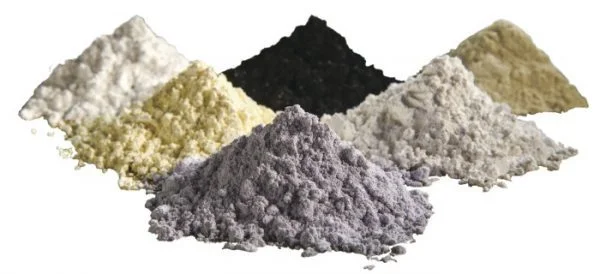
‘Rare earth’ is a general term for 17 mineral elements in the periodic table, which have seen increasing use, and have become known as “industrial vitamins”. With unique heat-resistant properties and electronic layer structure, rare earths are regarded as strategic resources by various countries and widely used in civil and military fields. From microchips and electronic car batteries to Patriot and Tomahawk missiles, rare earth products are all around us, and laboratories across the world are rushing to find new uses and patent the results.

As the world’s top supplier of rare earths in 2020, China’s domestic rare earth index rose sharply, from 341 points at the beginning of the year to 419 points at the end. That was an annual price increase of nearly 23% with prices rising sharply in the fourth quarter for both light rare earths , while prices for heavy elements hit a nine-year high.

In 2020, a ‘total control’ index for rare earth mines and tungsten mines was released, as China became more aware of the strategic value of its rare earth production. This was also done as a counter lever to US sanctions in the Sino-US trade war.

All rare earth and tungsten mines will continue to be controlled in 2021, in a bid to protect and rationally develop “superior mineral resources”, in accordance with regulations on the management of protective mining of specific minerals. The Ministry of Natural Resources and Ministry of Industry and Information Technology also issued a notice last year to order a ‘total control’ index of tungsten ore mining.

After this, total output of rare earth minerals was put at 140,000 tons. Most of this was light rare earths – 120,850 tons, plus ion-type rare earth minerals (mostly medium and heavy rare earths) totalling 19,150 tons.

National tungsten concentrate (65% tungsten trioxide) mining listed on the control index totalled 105,000 tons. The output data in 2020 is the highest year since 2014, and much is being used for China’s strategic reserves.

China’s rare earth exports fell sharply

According to official statistics, rare earth exports from January to November in 2020 amounted to 31,280 tons, down 28% year-on-year.

The ‘Export Control Law of the People’s Republic of China’ came into effect on December 1. The market expects that China’s rare earth exports may be further reduced, and that global supply may shrink further and become even more tight. Other countries, such as the US, Australia and Russia are scrambling to open new mines, but even after finding new sources, China is far advanced in rare earth processing.

Decentralization of some mining rights, approvals

On April 17, the Ministry of Natural Resources issued an announcement stating that from May 1, oil, hydrocarbons, natural gas, shale gas, natural gas hydrates, radioactive minerals, tungsten, rare earths, tin, antimony, molybdenum, cobalt, mineral resources, plus 14 important strategic minerals such as lithium, potash, and crystalline graphite would be transferred and overseen by local governments.

This means that follow-up registration of 11 minerals of coal, coal bed methane, iron, chromium, copper, aluminum, gold, nickel, zirconium, phosphorus, and fluorite will be handled by provincial natural resources authorities. For other prospecting rights, mining rights, and approved trial mining and approved mining areas, follow-up registration items shall be handled by the natural resources department at or below the provincial level in administrative regions.

Innovation centre set up

In order to implement General Secretary Xi Jinping’s instructions on the development of the rare earth industry, the Ministry of Industry and Information Technology is promoting innovation on the use of resources and has sped up the construction of a manufacturing innovation center for items developed from rare earths.

Recently, Guorui Kechuang Rare Earth Functional Materials Co Ltd got approval to establish a National Rare Earth Functional Materials Innovation Centre. New innovative products such as fluorescent glass and magnets for use in electric vehicles have already emerged.

The Innovation Centre was jointly organized by the Inner Mongolia Autonomous Region’s Industry and IT Department and Jiangxi Province’s Industry and IT Department to bring businesses in the north and south together along with universities.

A construction plan has been approved and the Innovation Centre will focus on magnetism, luminescence, catalysis, alloys and other functional materials, rare earth secondary resource recycling and other fields, focusing on the integration of high-end rare earth functional materials design, processing, and manufacturing technologies, plus key technologies for mass preparation of new rare earth materials.

They hope to develop cutting-edge materials and technologies at the innovation platform by integrating research and development, pilot incubation and test verification to accelerate breakthroughs in functional materials and enhance industrial innovation capabilities. This is part of plans for China to be a high-tech manufacturing power.

Resource tax law 

China’s ‘Resource Tax Law’ was implemented on September 1, 2020. It clearly stipulates that strategic resources such as crude oil, natural gas, medium and heavy rare earths, tungsten and molybdenum are subject to fixed tax rates. Others are determined by local governments within a legal tax rate range.

The tax rate range for coal is 2-10%, while the tax range for ferrous metals is 1-9%, and the tax range for light rare earths is 7-12%.

There are fixed tax rates for crude oil, natural gas, tungsten, molybdenum, medium and heavy rare earths, uranium, and thorium. For example, the crude oil tax rate is 6%, the natural gas tax rate is 6%, tungsten is 6.5%, molybdenum is 8%, and medium and heavy rare earths are 20%.

Largest producer, exporter of RE magnet materials

Rare-earth permanent magnet material is made of alloy composed of samarium, neodymium mixed rare earth metal and a transition metal such as cobalt or iron, pressed and sintered by powder metallurgy, and magnetized by a magnetic field. Compared with traditional permanent magnets, rare earth permanent magnet materials now have the best magnetic properties and overall performance. They have become an indispensable basic for modern industry. China has abundant rare earth resources and has become the largest production and export base for rare earth permanent magnet materials.

In 2019, the output of NdFeB permanent magnet materials in China was 180,300 tons, a year-on-year increase of 9.6%. The rapid growth of NdFeB permanent magnet materials is due to the downstream electronic information manufacturing industry and other needs.

Sector wants standardised pricing, but process needs improvement

China’s ambition is to be the global hub for the rare earth trade. Today, Baotou City in Inner Mongolia is “the capital of rare earths”, and companies there have formed a large number of application products with independent intellectual property rights in the fields of aerospace, magnetic refrigeration, permanent magnet motors, hydrogen storage batteries, energy saving and environmental protection.

But the fluctuating prices of raw materials has caused frustration among many rare earth companies. Jin Shusen, chairman of Baotou Jinshan Magnetic Materials Co Ltd, said that to solve the problem of fluctuating prices, a method of dredging and blocking could be adopted. The total amount of rare earth mines should be increased, and the capacity for smelting and separation further improved, and combined with a crackdown on wildcat digging.

From a development point of view, the continuous improvement of shortcomings and use of newly launched electronic trading platforms in 2020 recognized by all parties will help further improve the price formation mechanism. However, the current system design, corporate governance, transaction mode and other issues still need to be upgraded to meet the needs of market transactions for all parties. And due to the small scale of the rare earth market, it is difficult to avoid speculation and stabilise market expectations. So the government is looking at these things because it wants to promote steady development of the rare earth market.

In addition, the China Rare Earth Industry Development Index was officially released in Baotou early this year. This index, together with the previously China Rare Earth Price Index and China’s Rare Earth Industry Prosperity Index, make up the China Rare Earth Series Index, which provides big data solutions for the industry at both micro to macro levels. It acts as a “barometer” for the development of China’s rare earth industry.

Li Zhenhong, chairman of Baotou Rare Earth Products Exchange, said the country has attached great importance to the development of the industry for many years and has issued a number of management measures and supporting policies. The rare earth market’s price formation mechanism still lacks innovation, but the use of exchanges is seen as one way to improve this and to influence global commodity pricing.

Yang Wenhao, secretary-general of the China Rare Earth Industry Association, said information irregularities and the different demands of stakeholders had affected healthy and sustainable development of the sector to a certain extent. All parties are exploring effective ways to tackle these issues.

“In the future, China’s rare earth series indexes will be further optimized and perfected in indicator construction, calculation and analysis, which will be stable and long-term, and will better play the role of a ‘weather vane’ to provide more services for the development of China’s rare earth industry,” Yang Wenhao said.

Japan plans to substantially increase rare earth reserves

The Japanese government aims to strengthen the rare metal reserve system required for industrial products such as electric vehicles. At present, Japan’s rare metal reserves are guaranteed for 60 days of domestic consumption, and the plan is to expand reserves to more than six months in the future.

Rare metals are indispensable to Japan’s cutting-edge industries, but they are currently heavily dependent on rare earths from countries such as China. Almost all rare metals needed by industry are imported in Japan. For example, about 60% of rare earths needed for electric car engine magnets are imported from China. Statistics from Japan’s Ministry of Economy, Trade and Industry revealed that in 2018, 58% of rare metals were imported from China, along with 14% from Vietnam, 11% from France, and 10% from Malaysia.

Kyodo News reported that Japan’s 60-day rare metal reserve system was set up in 1986. The Suga government is prepared to adopt a more flexible way to reserve rare metals.

Also, although some rare metals are produced in Africa, they need to be refined by Chinese companies. So, the government intends to allow the Japan Petroleum, Natural Gas and Metals and Mineral Resources Agency to invest in a refinery, or to promote investment guarantees so that Japanese companies can obtain financing to set up facilities.

US lawmakers seek to reduce foreign dependence

Members of both parties in the US House of Representatives jointly submitted a bill last year to reduce dependence on imported rare earths. It was proposed by Republican Congressman Lance Gooden and Democrat Vicente Gonzalez from Texas, co-sponsored by Senator Ted Cruz, who made made similar proposals in May.

The bill is part of Congress’ strategy to improve raw materials, especially industrial raw material supply chains that are important for national defense. The aim is to reduce dependence on imports and get companies doing this in the US. This effort has received extensive support from local rare earth companies.

Pini Althaus, CEO of USA Rare Earth, which is developing the Round Top rare earth deposit, said in a telephone interview that tax incentives could play a vital role, as they need to cut production costs for domestic rare earth projects, from mineral mining to the creation of permanent magnets, and to improve the international competitiveness of rare earth companies.

The US has a long way to go

The Department of Defense has just provided financial support to two companies that plan to build rare earth separation plants in the United States. This is a small step towards achieving the Trump administration’s goal of eliminating dependence on imports of key minerals.

However, the direct involvement of the Pentagon exposed the difficulty of the US building a rare earth supply chain from scratch. According to statistics from the US Geological Survey, consumers of rare earth compounds and metals were almost entirely dependent on imports in 2019, and this has not changed over the years.

With the deterioration of ties with Beijing, the high degree of foreign dependence on civilian and military rare earths has caused concern in the United States. But it has learnt that a series of measures are needed to change this – direct government support, alliances with other countries, and long-term meticulous construction of a six-stage process from ore to rare earth magnets.

Total global rare earth reserves are estimated at 120 million tons currently, and China accounts for more than one-third of that, with about 44 million tons of reserves.


Asian Times Financial

Cost of getting gold mining claims in Zimbabwe

0

Mining in Zimbabwe has become the cake that everyone wants a slice of. It is a very viable industry with handsome returns, though not easy to partake in. Mining is steep in Capital requirements but if done right has extremely handsome returns.

In this article, we look at the costs of getting gold mining claims in Zimbabwe.

  1. You must first choose which province you want to mine in. Then, you go to the provincial office to purchase a Prospecting license, which costs US$75. 
  2. When a Prospecting Licence holder has identified a mineral deposit that he/she is interested in, he/she appoints an agent or an Approved Prospector to peg on his behalf”. Engage the services of a trusted Mining Consultancy company.
  3. The company will charge between 200 to tens of thousands of USD to peg claims for you. “Pegging is posting of prospecting notices and registration and establishment of temporal beacons before submitting an application for registration to the Ministry of Mines and Mining Development. Submitting the application also costs from us$250.
  4. i. Formal process – After the pegging process, the miner (you) should now prospect for the minerals you intend to mine. You can engage the services of a geologist and later a diamond drilling. After diamond drilling soils will be taken out for sampling. The soils will be sent to labs like ZIMLABS to determine mineral content. The whole process will cost hundreds of thousands US dollars to millions.

ii. Informal process – Artisanal and Small-scale miners use experienced gold prospectors who have been in the business for some time. These use diferrent methods including gold detectors, copper wires, African traditional ways etc. This can cost between 200 – 500 USD. This method cannot quantify how much gold is underground however some successful small-scale mines were birthed from this method. Many miners have failed dismally from this method too.

Selling your gold

Gold in Zimbabwe is sold only to Fidelity Gold Refiners (FGR) or its agents. FGR has 11 branches across the country and many registered gold buyer permit holders. FPR branches do not accept less than five grammes therefore getting in touch with an agent is the best option. The buying price is determined by the gold content in the bullion one will be submitting. Payment to ASM is 100% USD and some agents might buy at a little less than the FGR price.

Important

Never mine without a Mining Title. Even if you are a prospecting license holder Mining without a Mining Title is illegal Mining.


To learn more you can contact us on 0242 777728

Highlanders FC needs $10 million to start exploratory work at Inyathi gold mine

0

Highlanders need at least $10 million to start exploratory work at their recently acquired gold mine in Inyathi, Bubi district, the Zimbabwe Miners Federation has said.

n has said.ZMF spokesperson Dosman Mangisi said a geological survey was needed to help in technical due diligence and give pointers on how much was needed in investment capital.

“A geological survey will need to be carried out so that you know how your grades are and where to put the mine shaft and the whole scope of work will come from there. That will also help in knowing the initial capital. We call this technical due diligence. You will need a minimum amount of US$100 000,” said Mangisi.

A former Highlanders executive committee member has also warned club supporters and members not to be overly excited about the acquisition of the mining venture, saying for now it was still a claim which could go either way.

“It’s a great development to think outside the box in terms of increasing our revenue streams, but members and supporters must exercise caution and desist from being overly excited lest they become disappointed when it remains a white elephant,” said the former executive committee member, who requested anonymity.

“It’s an unfortunate culture we are having at Highlanders where people no longer interrogate content, but choose to look at the person and other things. Such glaring facts get easily misinterpreted as politicking, taking sides with a certain candidate,” said the former executive committee member.

Last week incumbent Highlanders chairman Kenneth Mhlophe wrote on his re-election campaign poster that acquisition of the mining venture will see the club fully funding its representative junior teams.

“If we raise the amount of capital needed to start operations at the mine, then certainly the club might not need any sponsorship, but the question is, where will we get that capital when we were failing to clear a legacy debt of $1 million. We failed to turn Manwele Beer Garden into a profit-making venture, even the club house is operating on a shoe string budget. We must be warry of the Orlando Pirates situation where an individual ended up bailing the club out and then took sole ownership, ” he said.


The Chronicle