


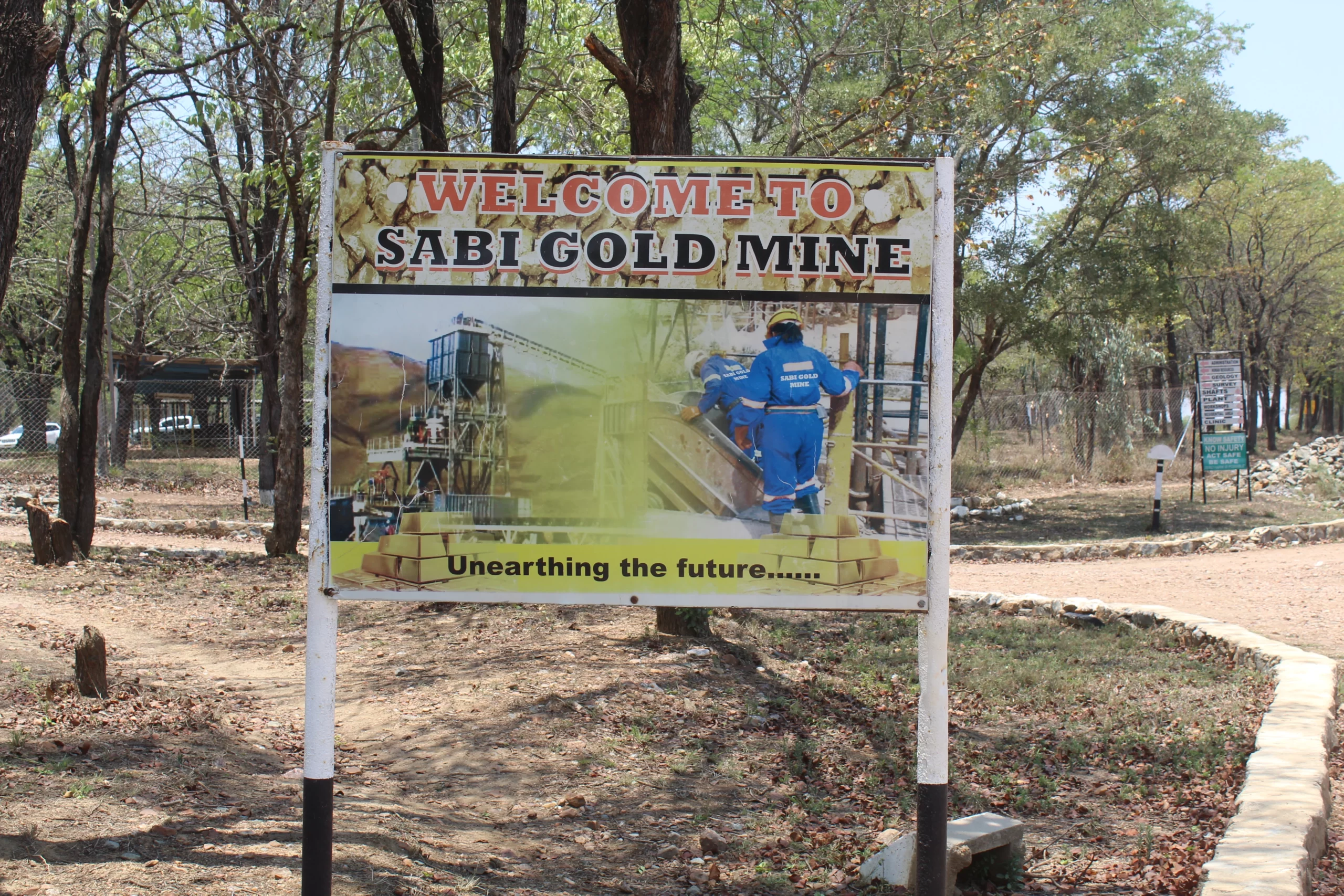

Sabi Gold Mine has invested more than US$1 million in a shared processing centre supporting over 600 artisanal miners, using a community-based model designed to reduce illegal mining, improve working arrangements and channel benefits from gold production into local development projects, Mining Zimbabwe can report.
By Rudairo Mapuranga
Edward Rimayi, representing Sabi Gold Mine, outlined the approach during a panel discussion titled Learning and Dialogue on Building Practical and Inclusive ASGM Formalisation at the planetGOLD Zimbabwe Annual Stakeholders Conference in Harare on Wednesday. The session was chaired by Emmerson Mungwariri.
Rimayi said the mine’s formalisation efforts followed a period of operational disruption during which illegal mining took hold of the property.
Even after operations resumed, unauthorised mining continued, at times affecting areas where the company was producing. This prompted discussions involving the mine, artisanal miners and the surrounding community, with Professor Fred Moyo playing a key role in bringing the parties together, Rimayi said.
Following the engagement, the government set aside a dedicated area for artisanal miners to work without interfering with the mine’s operations, while an association was established to register and manage the miners.
Rimayi said the mine subsequently developed a contractual arrangement to enable artisanal miners to work legally within the agreed framework, as its lease did not allow it to use tribute arrangements.
He said formalisation had helped eliminate illegal mining within the mine’s property and reduced disruptions, while providing miners with a safer and better-organised working environment.
A central component of the arrangement is the processing centre, which provides services including transport, milling and leaching, giving artisanal miners access to processing infrastructure that would otherwise be difficult to establish individually.
The mine’s model also incorporates a revenue-sharing arrangement intended to extend benefits beyond those directly involved in mining.
According to Rimayi, artisanal miners receive 50% of the recovered gold after milling, while the mine retains 50% of the tailings for further processing. The proceeds from the mine’s share are directed towards community development rather than being retained for personal benefit.
“We are building schools, we are building clinics, we are drilling boreholes,” Rimayi said, describing projects supported through the arrangement.
He said the model was intended to ensure that people who could not participate directly in mining, including children and older members of the community, could also benefit from mineral resources extracted within the area.
The processing centre has also created employment, with Sabi employing more than 50 people directly at the facility, Rimayi said.
The operation is currently processing more than 100 tonnes of ore a day from artisanal miners, reflecting the scale of activity being channelled through the facility.
Rimayi described the arrangement as a community-based model, arguing that the processing centre was intended to serve local residents rather than operate solely for the mine’s commercial benefit.
The presentation highlighted how shared processing infrastructure and formal agreements can help bring artisanal miners into organised operations while addressing tensions between established mines and informal mining activities.
The approach also links formalisation to community development, with a portion of the value generated through processing directed towards infrastructure and services for residents who depend on the surrounding mining economy.