Home Blog Page 302

Kuvimba plans to produce battery-grade lithium by 2030

0

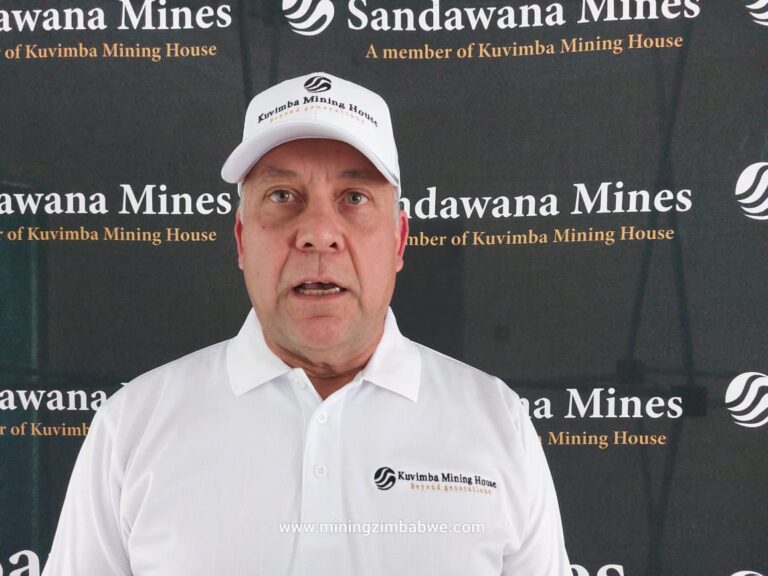
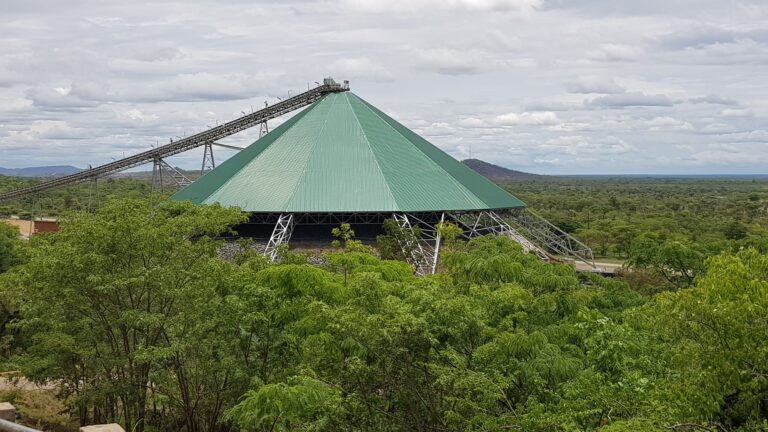
Kuvimba Mining House (KHM)‘s Sandawana Mines in its quest to support the government’s objectives to enhance and advance the value addition and efficiency of the mining industry in Zimbabwe, is planning to produce battery-grade lithium in the form of lithium carbonate by 2030.

Rudairo Mapuranga

While it is true that the establishment of a converter/plant for battery-grade lithium needs green or renewable power, natural gas, food-grade carbon dioxide, and first-class sodium carbonate among other auxiliary and supporting materials which are short supply in Zimbabwe and Africa at large, Sandawana lithium project as part of its plans, will formulate a strategy to come up with battery grade lithium in the form of either lithium sulphate or lithium carbonates by 2030.

According to Kuvimba Head of Energy Cluster Travor Barnard, KHM prioritizes the Sandawana lithium project development and is planning to make the mine fully operational in the first quarter of 2025 where the mine will be producing lithium concentrates for sale to off-takers.

The next stage according to Barnard will be the establishment of a lithium sulphate plant and eventually the establishment of a lithium carbonates processing plant with the process taking the mine three to four years from the date of full operations.

“Our first priority is the development of Sandawana Mines into a fully operational mine. First of all, we will produce lithium concentrates for sale to off-takers who will convert it into the components used for battery manufacturing but certainly, we also believe that we can actually also produce those further materials here within Zimbabwe starting off with lithium sulphite and eventually lithium carbonates.

“Just broadly, our priority is to get Sandawana Mines to a fully operational mine and I believe that it will take us to 2025. The next step from there I would imagine we will have up to 3-4 years to be able to produce lithium sulphate or lithium carbonates whichever that we will have decided on within Zimbabwe, probably around 2030.

Progress with the Sandawana project

According to Sandawana Mines General Manager Mr Godwin Gambiza, the lithium project is currently at phase 1 of exploration and mine development which has seen the mine getting an average grade of 1.85% lithium spodumene which will position the mine as the best in Africa.

“We are literally done with the first stage of exploration. On phase one we drilled 103 thousand metres translating to about 584 diamond drilled holes. What we are doing now is dispatching the samples to accredited labs in South Africa. The two are internationally accredited in terms of ISO17025. I can say out of the 32 thousand exploration samples, 60 per cent of them are now in SA. We are now preparing the next two batches so that the next 40 per cent is in SA. In terms of the timeline of our samples in SA, we are targeting the 25th of September. Out of that about 1500 of them we have received results, the average grade is 1.42% and 1.84%. The 1.42 we are getting at zero cut off and the 1.84 we are getting at a cutoff of 0.5%. We hope the balance of the samples will also be giving us the same encouraging results which position Sandawana deposits as the best in Zimbabwe or probably the whole world,” Gambiza said.

According to Gambiza, the mining activities for the Sandawana lithium open pit began in January this year, and a total of US$56 million has been invested in the lithium mining project to date. He said Sandawana Mines was currently working with a consortium towards the construction of a beneficiation plant with the pre-feasibility study of the project already underway.

“We are already working with another consortium towards full mine development and also towards a beneficiation plant. We have already commenced proceedings, the prefeasibility study as well as the definitive feasibility study targeted to complete those studies by December this year. For the commissioning of the plant itself it will need about 10 to 18 months to complete so by the first quarter of 2025 we should have a beneficiation plant operating in Sandawana,” he said.

KMH, which is 65% government-owned, took over Sandawana Mines in 2019 and plans to invest US$250 million towards the development of a beneficiation plant at the mine.

Chinese miner offers amputated worker us$2k, 5 roomed house

0

A Chinese chrome mining company, Amazon, is currently at loggerheads with one of its employees who suffered a permanent injury in a workplace accident, a local publication has revealed.

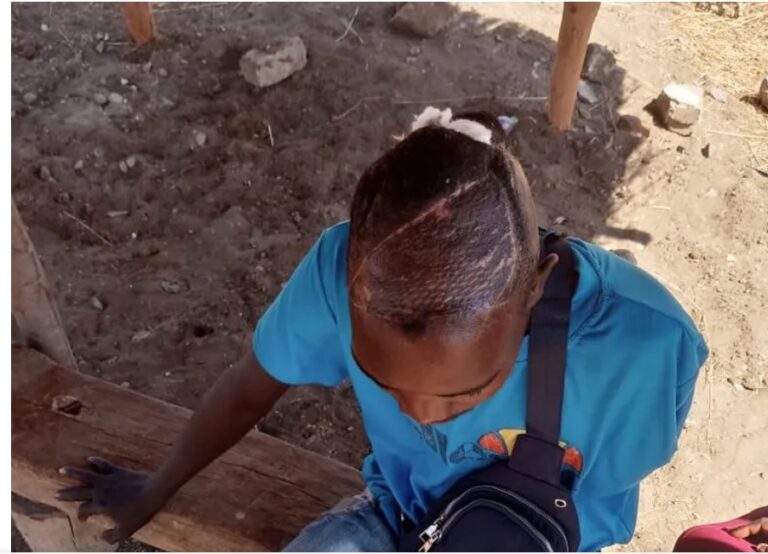
Kudzai Masauso, a security guard at Amazon’s chrome mine in Mutorashanga, was electrocuted earlier this year while on duty, resulting in months of hospitalization, the amputation of his left arm, and permanent disfigurement.

A dispute has arisen regarding the compensation offer, which Masauso deems inadequate. Amazon has proposed constructing a five-roomed house for him in Mutorashanga and providing US$2,000 in financial compensation.

Masauso argues, “The offer does not demonstrate any form of remorse for what happened to me. I am now disabled due to the company’s negligence, and their offer, in total, does not exceed US$5,000.”

He has further emphasized that his condition prevents him from engaging in rural labour, which typically requires able-bodied individuals. Therefore, he wishes to relocate to a town where he believes he could find employment despite his disability.

“I cannot secure employment with just one arm in rural areas, so if they intend to build me a house, it should be in Mvurwi town, where I can seek employment without constraints related to my physical condition,” he stated. He added that he expects a total settlement of no less than US$30,000.

In response to these claims, an Amazon coordinator identified only as Emma confirmed that they had reached an agreement on an undisclosed compensation amount and the construction of a house. However, the final paperwork has not yet been signed.

“We have agreed to build a house for him and provide some financial assistance for him to start a business,” Emma stated.

263 Chat

Zimbabwe gold buying prices 20 September 2023

0

Fidelity Gold Refinery (FGR) official gold buying prices. See the Zimbabwe gold buying prices today 20 September 2023.

SG 90% AND ABOVE US$58.78/g
SG ABOVE 85% BUT BELOW 90% US$58.16g
SG ABOVE 80% BUT BELOW 85% US$57.54/g
SG ABOVE 75% BUT BELOW 80% US$56.92/g
SAMPLE BELOW 10g BUT ABOVE 5g US$55.98/g
FIRE ASSAY CASH US$59.09/g

NB: Fire Assay cash price is for gold above 100gs, no sample is deducted.
For the Fire Assay Transfer price, a sample of not more than 10g is deducted
A 2% royalty is charged on all deposits (small-scale miners)
A 5% royalty is set for Primary Producers

Cash available. Fidelity Gold Refinery prices will be changing daily to match world market prices.

Hogarths Engineering – the Leader in Structural Steel Engineering in Zimbabwe and Beyond

0

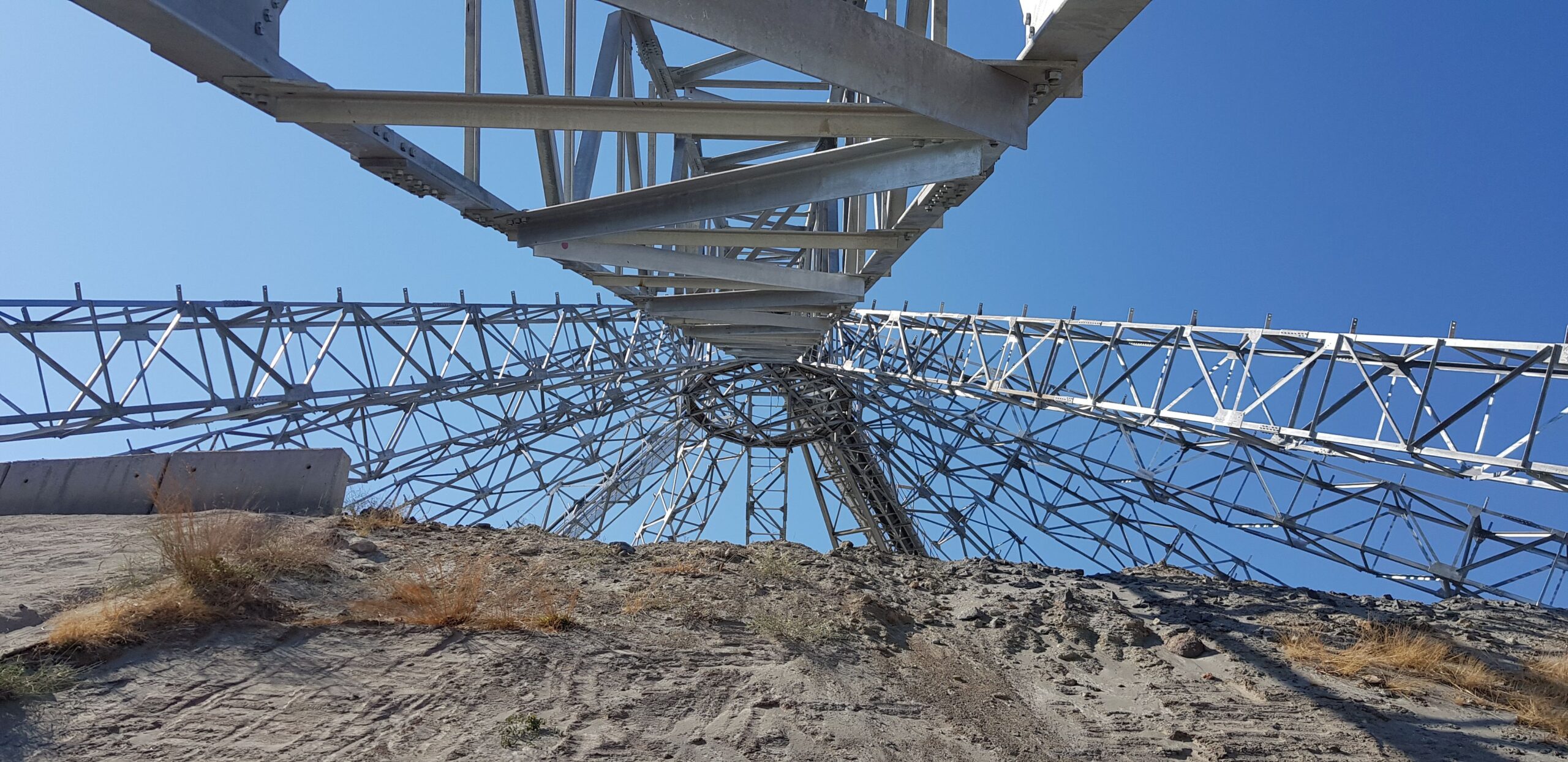
Hogarths Engineering, a prominent Structural Steel Engineering company in Zimbabwe, has established itself as a leader in the industry with over 100 years of experience. The division, based in Bulawayo, specializes in fabricating and erecting medium to heavy structures, plants, and mechanical equipment.

With a long history in the business, Hogarths has completed numerous projects across Zimbabwe, Zambia, and Botswana. We have worked with major mining houses and engineering outfits both locally and internationally. Some notable clients include Anglo American (Unki), Zimplats, Goldfields, Mimosa Mining Company, PPE Cement and J & C Engineering, among others.

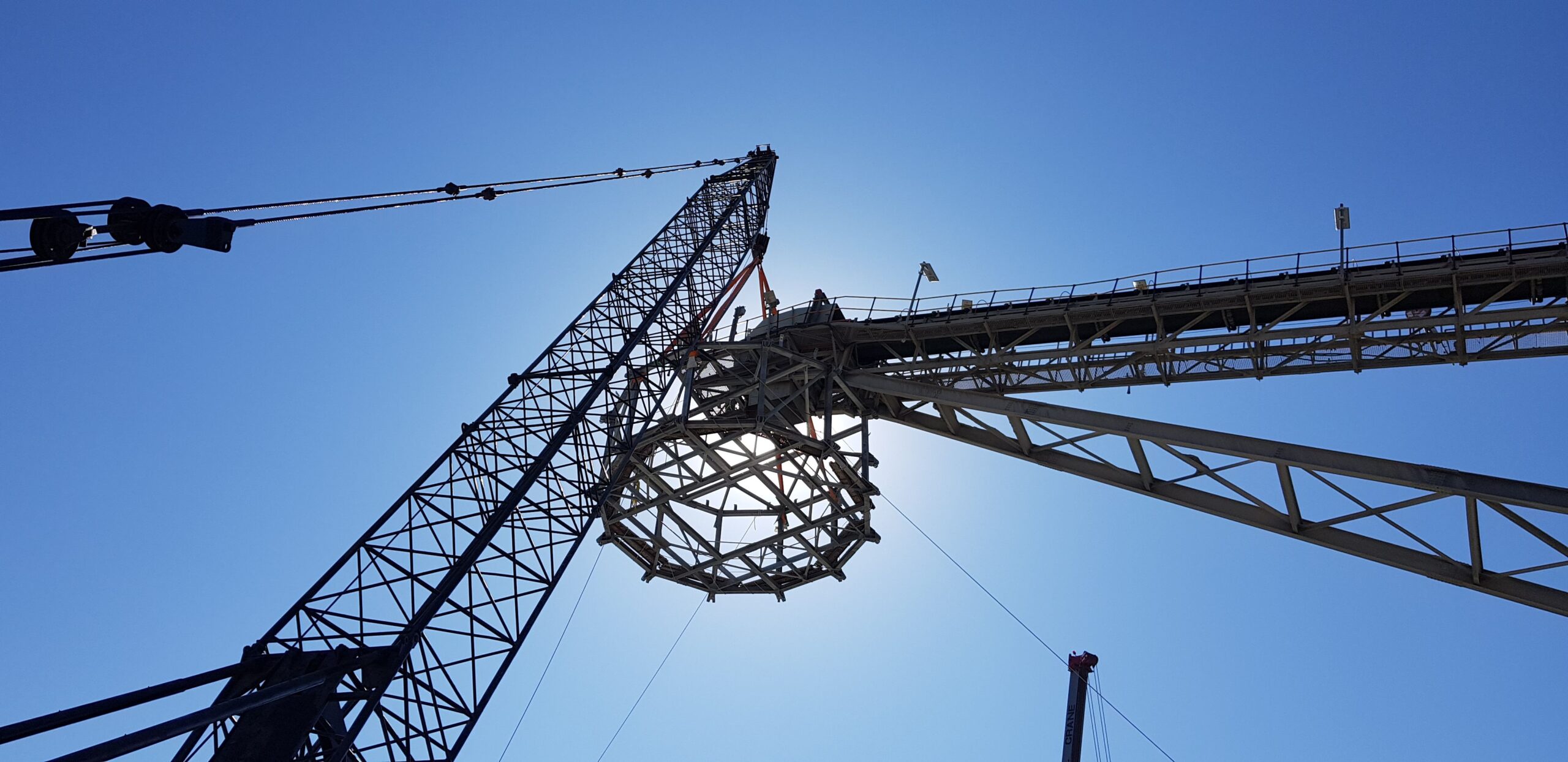
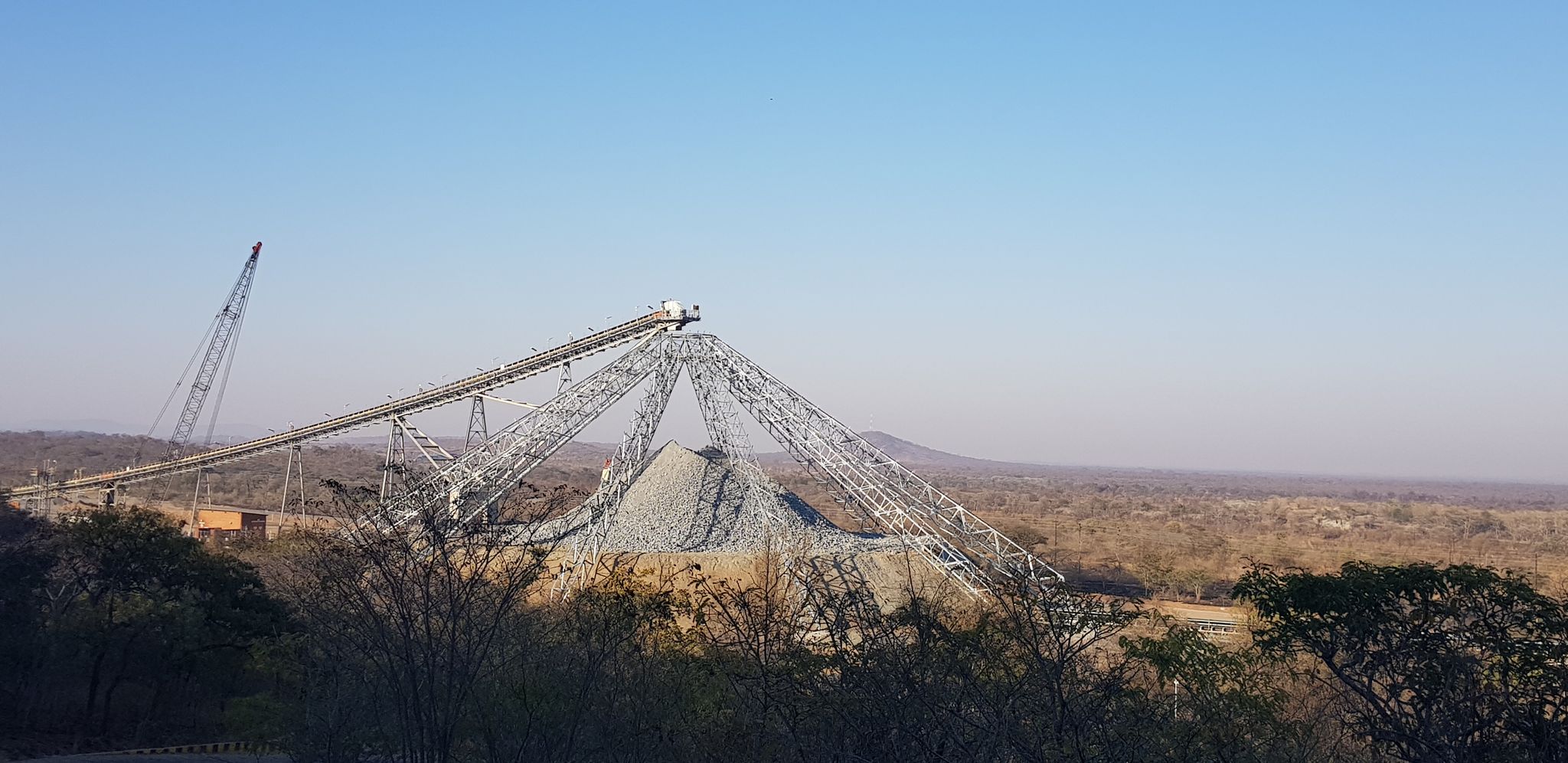
Hogarths has an impressive track record,  having completed various projects ranging from Maranatha ferrochrome to underground staging and loading stations, tank work, plate work, bins, materials handling conveyors, and boiler house heavy steelwork. We have also fabricated and erected the tallest unguled mast in the country.

One of Hogarths’ significant achievements has been our work with Zimplats since 2001. We have erected, fabricated, and installed approximately 4000t of steelwork and mechanical components for Zimplats at their Ngezi Mine. Hogarths recently successfully completed the Mimosa plant optimisation project.

Hogarths boasts a state-of-the-art workshop in Bulawayo equipped with overhead cranes, sandblasting and painting facilities, rolls, guillotines, press breaks, welding equipment, and a plasma cutter capable of cutting plates up to 40mm in thickness.  Mobile cranage is another strength of Hogarths, as we currently possess seven mobile cranes. We added two more cranes in 2019, expanding our capabilities further. Hogarths offers a turnkey solution to its clients, providing plant layouts, structural design, shop detailing, supply and fabrication, corrosion protection, transport, and installation. We have a proven track record of successfully delivering projects and strive to mitigate risks and save costs for our clients.

Hogarths Engineering - the Leader in Structural Steel Engineering in Zimbabwe and BeyondQuality is a top priority for Hogarths, and we ensure that every aspect of supply and installation meets international standards. We are ISO9001:2015 certified and work with partner Viva Engineering to provide complete project installation tailored to Zimbabwe’s local requirements.

With an in-country and on-site presence, Hogarths can quickly resolve on-site issues and make necessary changes, reducing site comeback rates and potential delays. Our dedicated project managers and transparent communication provide clients with a single point of contact and regular updates on project status.

Our efficient cross-border logistics, coupled with our expertise in handling customs and clearance procedures, result in shorter delivery lead times and significant time savings for clients. We leverage technology such as STRUMiS tracking software to maintain stringent management and provide real-time visibility of projects with our partner Viva Engineering.

Overall, Hogarths Engineering’s extensive experience, impressive track record, state-of-the-art facilities, and commitment to quality make us a reliable partner for structural steel engineering projects in Zimbabwe and beyond.

We have the right solution for you. visit us

Steelworks Road /Dr. Anthony Taylor Av, Steeldale, Bulawayo or call +263 29 22884659 or email: [email protected]

Disco to reduce carbon footprint, constructing 3 power plants

0

In an endeavour to reduce the carbon footprint in its steelmaking inline with the world’s vision to reduce carbon emissions, Dinson Iron and Steel Company (Disco) is strategizing to produce “green steel” without the use of fossil fuels by constructing three greenfield power plants with a combined output of 300 megawatts.

Rudairo Mapuranga

Green steel represents an important step towards a more sustainable future and a cleaner environment. By reducing the environmental impact of steel production, green steel can help to conserve resources, mitigate climate change, and promote economic growth.

“We want to produce what is called green steel so that green steel can only use the green technology which is coming in,” Disco Operations Manager Wilfred Motsi said.

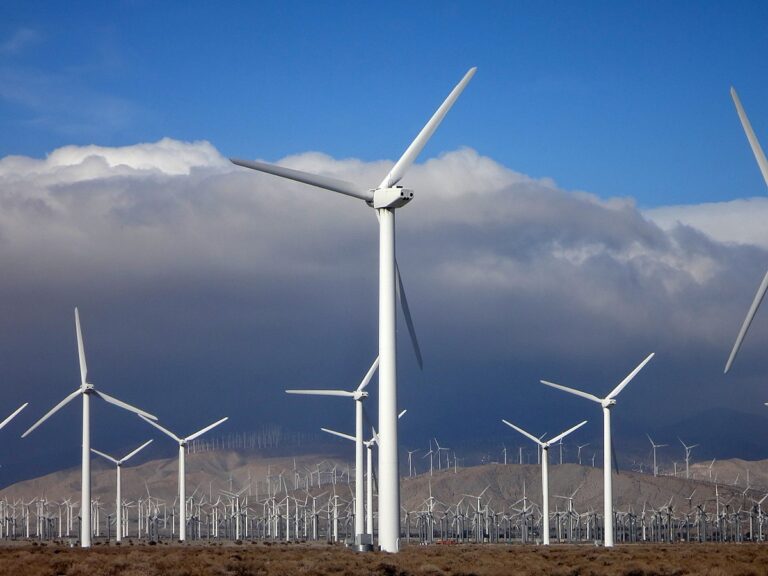
According to Motsi, the company which is currently constructing a 100-kilometre electricity transmission line to draw power from a ZESA substation in Kwekwe, will also produce 300MW power from wind, solar and heat energy, producing 100MW each.

The three power projects will be constructed at a total cost of US$300 million.

Motsi said his company through converting heat from the steel plant is going to create electric current from a temperature gradient or differential to produce what is called thermoelectricity.

“Actually, we are developing a plant that generates electricity using heat produced from our operations at the steel plant in Manhize.

“It’s a new technology (heat from the steel plant is converted to electricity) coming into Zimbabwe whereby the heat generated from the blast furnaces is then converted into steam which that steam would go and generate electricity from that complex (power workshop) that is being constructed, and it will be producing 100MW.

“When we commission the first blast furnace, the power workshop will be commissioned also because that heat will be integrated within the blast furnace being constructed,” Motsi said.

Motsi said his company is at an advanced stage of constructing a wind power plant in the Manhize Mountain to further aid in the production of green steel.

“We are also going to construct a power plant for the wind which is 100MW again and we are at a very advanced stage to construct the wind power and already everything has been done for the wind.”

“Actually the Manhize mountain is one of the best mountains in Zimbabwe or even in Southern Africa which can generate power because that wind is perennial and I think that one we are saying within 10 months or so, we’ll be getting power generated from the wind on the climax of that mountain,” he said.

Uranium prices have risen significantly since 2011

0

With the world moving towards a clean energy future there is a positive development for uranium recorded a bull market with a 20 per cent rise in price, significantly outperforming other metal markets so far in 2023.

Rudairo Mapuranga

The nuclear energy mineral recorded US$60 per pound last week for the first time since 2011. There is a chance for Zimbabwe to benefit from the rise in prices as an opportunity to tap into the mineable resource the country has.

It is a fact that the push towards clean energy is overdue or overdone. According to the World Nuclear Association, in 2019, there were 479 plants either being proposed, planned, or under construction. Just as the growing electric vehicle (EV) market will require lithium, making a nuclear future a reality will require uranium and lots of it. Russia’s invasion of Ukraine in 2022 set off a spike in uranium prices and the forecast is for those prices to only move higher in the next several years. According to Statista, global demand for uranium is expected to reach 209 million pounds by 2035. To achieve that goal, new uranium assets will have to be discovered. Zimbabwe with its uranium deposits will therefore have a chance to tap into the nuclear future.

According to renowned geologist and gemstone expert Mr Jean Rheiner, there is a potential for Zimbabwe to start extracting uranium resources provided government policies are favourable. He said his company discovered a good deposit of uranium which needs an investment of US$100 million to be operational.

The World Nuclear Association’s biennial report provides long and medium-term projections and insights into the more obscure corners of the global supply chain of Uranium.

The report has little to worry about uranium bulls, the ranks of which have grown large in the past couple of years, as the role nuclear could play in the green energy transition becomes obvious even to long-term critics of the renewable source.

The role small modular reactors can play in stoking demand has kept uranium watchers excited for decades, but now the promised spike in demand from these technologies is finally set to have a meaningful impact. Russia is a leader in the field with two floating SMR reactors entering commercial operation in 2020 and China is expected to turn the switch on a land-based reactor in 2025.

A significant portion of the WNA’s upward growth adjustments can be attributed to the accelerated adoption of SMRs and the body believes installed capacity will reach 31 GW by 2040.

BMO sees SMR boosting mining company’s plans around the decarbonisation of operations many of which are located in remote areas far from power grids. Many mines have replaced diesel generators with renewable sources like solar power, but for that, you need ample space and the right climate.

“For others, particularly in colder climates such as Canada, we do see potential for micro-scale nuclear power solutions.

Soda should prioritize engaging workers

0

Zimbabwe Diamond and Allied Mineral Workers Union (ZDAMWU) said the appointment of Hon Soda Zhemu as the Minister of Mines and Mining Development should see him prioritizing consulting Workers in matters of policy as they are an important stakeholder in the mining industry.

Rudairo Mapuranga

Speaking to Mining Zimbabwe ZDAMWU General Secretary Mr Justice Chinhema said the Minister should recognize the role of workers in mining growth and development.

He said for the mining vision to reach a US$12 billion mining economy by the end of this year, the plight of workers should be addressed.

“We welcome Hon Soda into a very critical ministry of our economy. We are expecting to see a change on approach to the sector in many ways. We want a minister who consults workers, and who recognises the role workers play in an economy.

“In the previous administration, Policies were crafted and there was no worker’s consultation,” Chinhema said.

Stakeholders are looking for the Hon Minister Soda to address energy and power issues, the finalization of the national minerals development policy, ASM subsector policy, various mineral-specific policies (we only have a diamond policy), finalization of the amendments to the Mines and Minerals Act and various subsidiary legislations and regulations. Provide a clear framework on how the country is to navigate the green transition optimally given that the country still has a lot of hydrocarbon (including fossil) resources and is also richly endowed with critical energy minerals that feed the green energy revolution. Finalize the implementation of the computerized cadastre or institute even better tech systems that promote transparency and accountability as well as administration in the mining sector. Create ease of doing business and drastically and positively shift the country’s policy and fiscal perception indices. Come up with a comprehensive ASM formalization strategy and implement it. Market the country’s mineral resources in order to attract increased FDI flows into the sector, and enhance the marketing of the country’s mineral products to ensure maximum economic benefit to the country. Promote inclusivity in the exploitation of the mineral resources and ensure the broad-based sharing of the benefits from the mining sector including designing a strategy for the implementation of the devolution agenda with respect to mining.

First Quantum chairman Philip Pascall passes away

0

First Quantum Minerals (TSX: FM) has announced the passing of chairman and co-founder Philip Pascall, who died peacefully at his home in Perth, Western Australia, on Tuesday.

“Whilst this is an enormous loss for all of us at First Quantum, Philip would not want us to dwell too long on his passing. He was always looking forward and was excited by the trajectory of the company,” Tristan Pascall, CEO of First Quantum and Philip’s son, said in a press release.

Pascall began his career in 1973, holding various general management positions in South Africa before moving to Australia. He became the project manager of the Argyle diamond project in Western Australia, and then executive chairman and part-owner of Nedpac Engineering from 1982-1990.

After selling his shares in Nedpac, he spent a few years as a consultant in the mining industry, including a period with Rio Tinto’s Hamersley Iron, and with various projects in Zimbabwe and Zambia. In 1996, he co-founded First Quantum, serving as chairman since its inception and chief executive officer until 2022.

Under his leadership, Pascall instilled an entrepreneurial and bold culture that saw the company grow from a 10,000-tonne tailings re-processor with the Bwana Mkubwa project in Zambia to one of the world’s largest copper producers with operations spanning five continents and employing more than 20,000 people globally.

Pascall’s legacy includes programs for local communities in which First Quantum operates, bringing improved standards of health and education in often remote places, the company said.

Following his passing, the board of directors has voted to elect Robert Harding, who has been a director of First Quantum since 2013, as interim chairman. As chair of the nominating and governance committee, Harding oversaw the company’s succession planning process that led to Tristan’s appointment as CEO in May 2022.

“We are all indebted to Phillip for his extraordinary leadership at First Quantum, setting us firmly on the path to the modern, multi-national mining company that we are today,” Harding said. “Philip was a friend and mentor and his passing will be profoundly felt across the company and the many people and lives he impacted as a result of his vision.”

Mining.com

Zimbabwe gold buying prices 14 September 2023

0

Fidelity Gold Refinery (FGR) official gold buying prices. See the Zimbabwe gold buying prices today 14 September 2023.

SG 90% AND ABOVE US$58.14/g
SG ABOVE 85% BUT BELOW 90% US$57.53/g
SG ABOVE 80% BUT BELOW 85% US$56.91/g
SG ABOVE 75% BUT BELOW 80% US$56.29/g
SAMPLE BELOW 10g BUT ABOVE 5g US$55.37/g
FIRE ASSAY CASH US$58.45/g

NB: Fire Assay cash price is for gold above 100gs, no sample is deducted.
For the Fire Assay Transfer price, a sample of not more than 10g is deducted
A 2% royalty is charged on all deposits (small-scale miners)
A 5% royalty is set for Primary Producers

Cash available. Fidelity Gold Refinery prices will be changing daily to match world market prices.

Address ESG Issues & Policy Challenges – Stakeholders to Zhemu

0

While the former Minister of Mines and Mining Development Hon Winston Chitando had a relatively successful term at the helm of the mining sector, taking the sector from US$2.7 billion in 2017 to US$9.5 billion in 2022, Environment, Social and Governance (ESG) issues were not clearly addressed leaving Stakeholders to pin their hopes on the newly appointed Minister Hon Soda Zhemu.

Rudairo Mapuranga

Stakeholders are looking to Minister Zhemu to address

  • Energy and power issues,
  • The finalization of the national minerals development policy,
  • ASM subsector policy,
  • Various mineral-specific policies (we only have a diamond policy),
  • Finalization of the amendments to the Mines and Minerals Act and various subsidiary legislations and regulations,
  • Provide a clear framework on how the country is to navigate the green transition optimally given that the country still has a lot of hydrocarbon (including fossil) resources and is also richly endowed with critical energy minerals that feed the green energy revolution;
  • To finalize the implementation of the computerized cadastre or institute even better tech systems that promote transparency and accountability as well as administration in the mining sector;
  • Ease of doing business and basically to drastically and positively shift the country’s policy and fiscal perception indices;
  • Come up with a comprehensive ASM formalization strategy and implement it;
  • Market the country’s mineral resources in order to attract increased FDI flows into the sector;
  • Enhance the marketing of the country’s mineral products to ensure maximum economic benefit to the country;
  • Promote inclusivity in the exploitation of the mineral resources;
  • Ensure the broad-based sharing of the benefits from the mining sector including designing a strategy for the implementation of the devolution agenda with respect to mining.

Speaking to Mining Zimbabwe, the Zimbabwe Environmental Law Association (ZELA) presented by Joyce Nyamukunda said,

“We expect to collaborate and share information with the Minister on responsible mining audit, KP Chairmanship, developing a Lithium mining policy framework, promoting responsible mining investments in Zimbabwe, revision and finalization of Mines Bill, Establish mining cadastre system, Formalization of Artisanal miners through a legal instrument and adoption of ASM Policy, Building the capacity of School of Mines to train miners and other stakeholders on mining issues,” Nyamukunda said.

Mineral economist Lyman Mlambo said there is a need for Minister Zhemu considering his history as the Minister of Energy to ensure that the mining sector gets enough power to fund various projects that are coming on board.

“I think Honorable Soda’s experience from the Ministry of Energy will be very useful in his new portfolio. Mining, mineral processing, beneficiation and value addition as well as upstream (supply) industries are energy intensive, and this whole value chain has suffered due to energy deficits. Dr Gloria Magombo, when she was still CEO of ZERA in 2014, told a beneficiation conference in Victoria Falls, that the mining and industrial sectors were the main consumers of energy in the country at a combined consumption of 40%. By now this demand has skyrocketed given the development in the mining sector over the years. As I indicated in a presentation at the Zimbabwe Chamber of Mines Annual Mining Conference in 2019, on average a mine needs an uninterrupted power supply every day of not less than 16 hours to ensure optimal or safe running of machines and maintenance of production levels. At the same forum, I indicated that the cost of these power outages to a mining firm goes up to 6% of revenue and that is not sustainable. We need a lasting solution to that and I am sure Honorable Soda has an answer to that. So his appointment at this stage when the mining industry and related activities are expanding is critical. You are aware that the country is implementing an NDS1 which is mainly anchored on transformational development of linkages including beneficiation and value addition as well as local supply enterprise development,” Mlambo said.

According to mineral resource expert Tapiwa O’bren Nhachi, Minister Zhemu should address issues to do with policy inconsistency which has been a major challenge for the mining industry in Zimbabwe. He said frequent changes in mining policies and regulations have created uncertainty for investors and hindered the growth of the sector. Nhachi also said that the lack of transparency in policy-making has contributed to a lack of trust and confidence among stakeholders.

Nhachi said inadequate infrastructure has also been a challenge for the mining industry. He said the country’s poor road network, limited access to electricity, and unreliable water supply have made it difficult for mining companies to operate efficiently and cost-effectively which has also made it difficult to attract investment in the sector.

“My honest opinion on this is that as long As Soda Zhemu is not able to deal with the organised criminal activities that are synonymous with the mineral resource governance regime in Zimbabwe, we should not expect much from Him.

“Secondly, as stakeholders, we would expect him to plug the leakages within the mining sector, and make sure that transparency and accountability are the cornerstones of his ministry.

“We would also expect him to work with other parent ministries to deal with the environmental catastrophe that has plunged communities that host mining companies notably, Hwange, Penhalonga, Shurugwi Mutoko and others. The issue of unregulated mining activities tied to patronage should immediately stop.

“The issue of resource revenue sharing between companies and communities facilitated by the government should be looked into. This also brings into the picture community welfare in relation to forced relocations and so on,” Nhachi said.

The country’s biggest young people-led Mining Association, the Young Miner Foundation (YMF) represented by its CEO Payne Farai Kupfuwa said the Minister should look at things like Exclusive Prospecting Orders (EPOs) and ensure that young people are allowed to sit on decision-making boards in the mining industry.

“As young miners, we would want to congratulate Hon Zhemu for being appointed the Minister of Mines and Mining Development. We look forward that you continue from the work that Hon Winston Chitando did in terms of promoting Mining to a USD billion mining industry. A lot of work was done in terms of investment and exploration. We look forward to more engagement with Hon Zhemu in terms of continuous encouragement of Formalisation and professionalisation of small-scale mining. There should be deliberate efforts in terms of accessing mining rights addressing the issues of EPOs and ensuring that big mining companies sitting on big track of land can also cease them for young people to extract resources. We are concerned about a youth desk in the Ministry of Mines and Mining Development, the desk has not been useful for the youth so far. We are also concerned about the mines bill and we also want young people to seek on the mining affairs board. Young people should be sitting on decision-making boards that have to do with the development of mining. Of importance are exchange programs, young people need to be exposed to attend exchange programs,” Kupfuwa said.

Small-scale miner, Mr Shelton Lucas said the Minister need to look into some statutory instruments (SIs) that seem to be meant to disenfranchise small-scale mining in the form of suspension of special grants among other issues.

“We support the move done by his excellency and we welcome him to the Ministry as stakeholders. However there is a need for him to relook at some of the statutory instruments which were meant to disenfranchise small-scale miners in the form of suspension of special grants which heavily affected miners especially chrome which is distributed along the dyke which is entirely covered by reservation, lifting of the bans on prospecting and pegging for lithium, copper and rare earth elements and also implementing an equitable ratio of exclusive prospecting orders against the surface area of peggable land in the county,” Lucas said.

Meanwhile, Dallaglio Investments’ Pickstone Peerless Mine in Chegutu, Zimbabwe is set to host the Association of Mine Managers of Zimbabwe (AMMZ) for a technical visit on September 21, 2023. The Q3 visit aims to facilitate the exchange of information, skills, and expertise within the mining industry.

Speaking to Mining Zimbabwe, AMMZ President Engineer Elton Gwatidzo said members’ visit will be on the mine’s new underground infrastructure and processing operations.

“The focus of the visit will be on the mine’s new underground infrastructure and processing operations. Delegates will have the opportunity to tour the underground facilities and witness the mine’s open pit to underground transition. The visit will also showcase the mine’s operational readiness in the underground setting,” President Gwatidzo said.